Common Cat’s-ear (Hypochaeris Radicata)
As a plant scientist, I find the study of plants, their growth patterns, and their interactions with the environment to be incredibly fascinating. One.

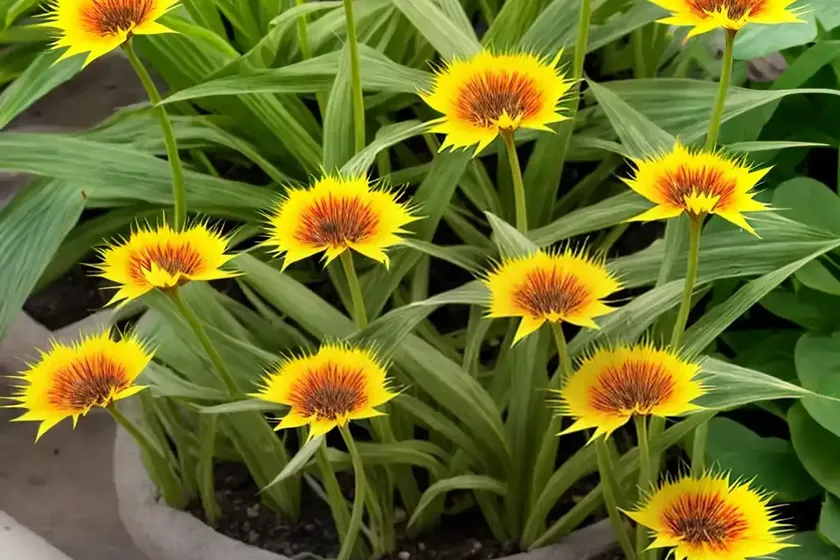
As a plant scientist, I find the study of plants, their growth patterns, and their interactions with the environment to be incredibly fascinating. One particular plant that has garnered my attention is the Common Cat’s-ear (Hypochaeris Radicata), a wildflower that is both aesthetically pleasing and intriguing from a botanical perspective. In this comprehensive guide, I will delve into the intricacies of the Common Cat’s-ear, exploring its cultural significance, uses, optimal growing conditions, and other pertinent aspects that are essential to understanding and cultivating this plant.
What is Common Cat’s-ear (Hypochaeris Radicata)?
Common Cat’s-ear, scientifically known as Hypochaeris Radicata, is a perennial plant belonging to the Asteraceae family. It is native to Europe but has since naturalized in other regions, including North America, where it is often considered a weed due to its prolific growth in lawns, pastures, and disturbed habitats.
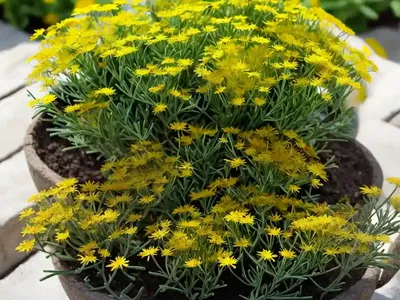
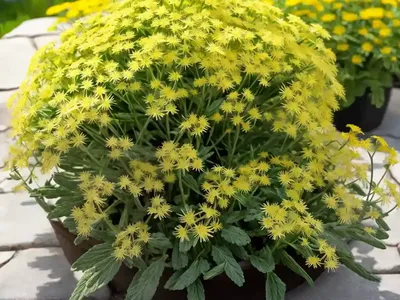
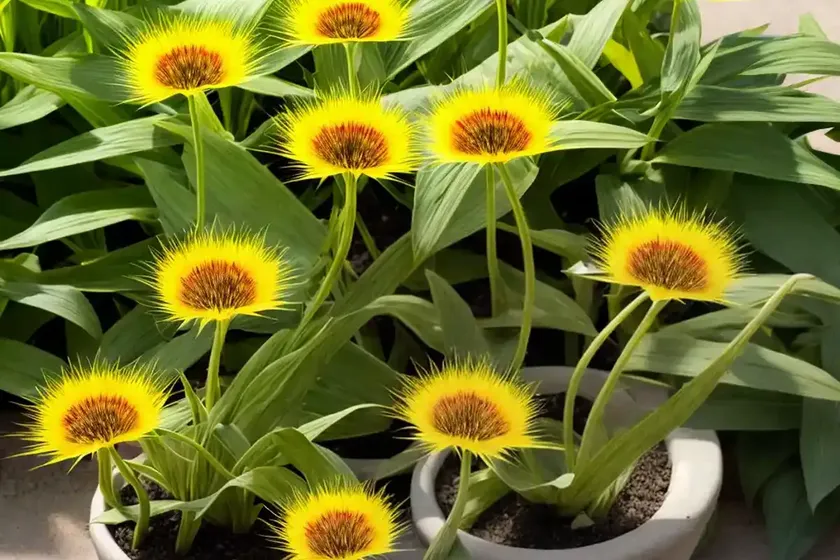
The plant is characterized by its bright yellow, dandelion-like flowers and rosettes of toothed leaves. It typically grows to a height of 20-50 cm and blooms from spring to late summer, attracting a variety of pollinators, such as bees and butterflies, with its nectar-rich flowers.
Key Takeaways – Common Cat’s-ear (Hypochaeris Radicata)
Before delving into the specific aspects of cultivating Common Cat’s-ear, it is essential to highlight some key takeaways about this plant. Understanding these fundamental points will provide a solid foundation for further exploration and practical application.
- Taxonomy: Common Cat’s-ear is classified under the genus Hypochaeris and the species Radicata, placing it within the broader Asteraceae family.
- Growth Habit: As a perennial plant, Common Cat’s-ear exhibits a long-term growth cycle, returning year after year under favorable conditions.
- Habitat: The plant is adaptable to a range of habitats, from open grasslands to disturbed areas, and is often considered a weed in managed landscapes.
- Flowers: The bright yellow flowers are a prominent feature of Common Cat’s-ear, serving as a vital food source for pollinators and adding aesthetic value to natural settings.
- Leaves: The plant’s basal rosette of toothed leaves is a distinctive characteristic, often aiding in its identification within diverse plant communities.
- Ecological Role: Common Cat’s-ear contributes to ecosystem health by supporting pollinators and adding to the overall biodiversity of natural areas.
Now that we have an overview of Common Cat’s-ear, let’s explore the intricacies of cultivating and appreciating this unique plant.
Culture
Understanding the cultural requirements of Common Cat’s-ear is crucial for successfully growing and nurturing this plant. From its preferred growing conditions to its propagation methods, a comprehensive understanding of its culture is essential for cultivating it in various settings.
Uses
Before delving into the cultural aspects, it’s important to discuss the potential uses of Common Cat’s-ear. While it is often considered a weed in managed landscapes, the plant holds some interesting uses and properties.
Culinary Uses:
- The young leaves of Common Cat’s-ear can be used in salads, adding a slightly bitter and tangy flavor to culinary dishes. However, it is important to harvest the leaves from uncontaminated sites and to ensure proper identification to avoid any potential risks.
Medicinal Properties:
- In traditional herbal medicine, Common Cat’s-ear has been utilized for its diuretic and anti-inflammatory properties. The plant’s roots have been historically used in herbal remedies for various ailments, including urinary tract issues and digestive disorders. Nonetheless, caution should be exercised when using wild plants for medicinal purposes, and consultation with a healthcare professional is recommended.
Given these potential uses, it is crucial to understand the optimal growing conditions necessary for cultivating Common Cat’s-ear effectively.
Water
Common Cat’s-ear exhibits adaptability to varying moisture levels, thriving in well-drained soils while also demonstrating a degree of drought tolerance once established. It is essential to provide adequate water during the plant’s establishment phase, ensuring that the soil remains consistently moist but not waterlogged.
Once the plant is established, it can withstand periods of reduced water availability, making it suitable for regions with intermittent rainfall or dry spells. However, in prolonged drought conditions, supplemental watering may be necessary to support the plant’s vitality and flowering capacity.
Sunlight
As a sun-loving plant, Common Cat’s-ear thrives in full sun or partial shade, with at least 6 hours of direct sunlight being ideal for robust growth and prolific flowering. When cultivating Common Cat’s-ear, it is essential to select a planting site that receives ample sunlight, promoting the development of vibrant blooms and healthy foliage.
Fertilizer
In nutrient-rich soils, Common Cat’s-ear can thrive without the need for additional fertilization. However, in suboptimal soil conditions, a balanced, slow-release fertilizer applied in early spring can bolster the plant’s growth and flowering potential. It is crucial to avoid excessive fertilization, as this may lead to excessive vegetative growth at the expense of flower production.
Soil
Common Cat’s-ear prefers well-drained, loamy soils with a neutral to slightly acidic pH range. The plant is adaptable to various soil types, including sandy and clayey substrates, as long as water stagnation is avoided. When planting Common Cat’s-ear, amending the soil with organic matter can enhance its overall health and vigor, providing the necessary nutrients for sustained growth.
Pruning
Pruning requirements for Common Cat’s-ear are minimal, primarily focusing on the removal of spent flowers to encourage prolonged blooming and prevent seed formation. Deadheading the plant by trimming faded blooms can redirect its energy towards producing new flowers, resulting in an extended flowering period and a tidier appearance.
Propagation
Common Cat’s-ear can be propagated through both seeds and division, offering flexibility in multiplying desirable cultivars and expanding plantings. The following methods can be utilized for propagation:
- Seed Propagation: Collect mature seeds from the plant and sow them in well-prepared soil in either early spring or late summer. Ensure that the seeds are lightly covered with soil and kept consistently moist until germination occurs.
- Division: In early spring or fall, established Common Cat’s-ear clumps can be divided by carefully separating the root mass into smaller sections, each containing viable roots and shoots. These divisions can then be replanted in suitable locations, ensuring adequate water and care during the establishment phase.
Container Popularity
While Common Cat’s-ear is primarily grown in garden beds and naturalized settings, it can also be cultivated in containers, providing an opportunity to appreciate its beauty in confined spaces. When growing Common Cat’s-ear in containers, the following considerations are crucial for success:
- Container Size: Select a container with sufficient depth to accommodate the plant’s root system, allowing for healthy growth and establishment.
- Drainage: Ensure that the container has adequate drainage holes to prevent waterlogging, promoting optimal root conditions and overall plant health.
- Growing Medium: Utilize a well-draining potting mix enriched with organic matter to provide the necessary nutrients and support for the plant’s growth.
By understanding and implementing these cultural practices, plant enthusiasts and gardeners can create thriving displays of Common Cat’s-ear, contributing to the diversity and visual appeal of their outdoor spaces.
Common Diseases
While Common Cat’s-ear is generally resilient to pests and diseases, it may occasionally encounter certain issues that can impact its growth and vitality. Understanding the common diseases affecting this plant is essential for early identification and effective management.
Disease Diagnosis
Powdery Mildew (Erysiphaceae family):
- Powdery mildew is a fungal disease that manifests as a powdery, white growth on the leaves and stems of infected plants. It is favored by high humidity and poor air circulation, often appearing during periods of damp weather.
- Prevention and Management: To mitigate powdery mildew, promote good air circulation around the plants by providing adequate spacing during planting. Additionally, avoid overhead watering and apply fungicidal sprays as a preventive measure during periods conducive to disease development.
Rust (Pucciniales order):
- Rust infections result in the formation of orange to brown pustules on the undersides of leaves, often accompanied by yellowing and premature leaf drop. This fungal disease can weaken the vigor of affected plants, particularly in instances of severe infestations.
- Prevention and Management: Implementing proper sanitation practices, such as removing and disposing of infected plant debris, can help prevent the spread of rust. Additionally, the application of fungicidal treatments, particularly during early stages of infection, can aid in managing the disease.
Common Pests
While Common Cat’s-ear is relatively resistant to pest infestations, certain insects may occasionally pose a threat to the plant’s health and aesthetics. Understanding the common pests affecting this plant is essential for implementing targeted control measures.
Aphids (Aphidoidea superfamily):
- Aphids are small, sap-sucking insects that can cluster on the undersides of leaves, causing distortion and yellowing of foliage. Additionally, they excrete honeydew, promoting the growth of sooty mold and further compromising plant health.
- Prevention and Management: Encouraging natural predators, such as ladybugs and lacewings, can help control aphid populations. In cases of severe infestations, the application of insecticidal soaps or horticultural oils can effectively reduce aphid numbers and minimize damage to the plant.
Caterpillars (Lepidoptera order):
- Certain caterpillar species may feed on the leaves of Common Cat’s-ear, resulting in irregular holes and tissue damage. The presence of caterpillars can diminish the aesthetic appeal of the plant and weaken its overall vitality.
- Prevention and Management: Handpicking caterpillars from the plant, particularly during early stages of infestation, can help prevent extensive damage. Additionally, the deployment of biological control agents, such as Bacillus thuringiensis (Bt), can offer targeted management of caterpillar populations.
By familiarizing oneself with the symptoms of common diseases and pests affecting Common Cat’s-ear, individuals can proactively monitor and address potential issues, fostering the plant’s resilience and long-term sustainability.
Botanist’s Tips
As a plant scientist with a deep appreciation for the intricate details of botanical specimens, I have compiled a set of botanist’s tips to aid plant enthusiasts and horticulturists in cultivating and appreciating Common Cat’s-ear:
- Site Selection: When choosing a location to plant Common Cat’s-ear, prioritize areas with well-drained soil and ample sunlight, ensuring optimal growing conditions for the plant’s development.
- Companion Planting: Consider integrating Common Cat’s-ear into wildlife-friendly gardens, where its nectar-rich blooms can attract pollinators, contributing to overall ecosystem health.
- Ecological Awareness: When managing Common Cat’s-ear in naturalized settings, maintain awareness of its ecological interactions with native plant species, seeking to minimize its potential impact on local biodiversity.
- Species Diversity: Embrace the diversity of Hypochaeris Radicata by exploring variations within the species, allowing for a deeper appreciation of its unique characteristics and adaptations.
- Observational Studies: Engage in systematic observations of Common Cat’s-ear across different seasons, documenting its phenological patterns and growth responses to environmental stimuli.
By adhering to these botanist’s tips, enthusiasts and professionals alike can gain a deeper understanding of Common Cat’s-ear and its role within diverse ecosystems and cultivated landscapes.
Fun Facts
To round off this exploration of Common Cat’s-ear, here are some intriguing and lesser-known facts about this resilient wildflower:
- Biennial Attributes: While Common Cat’s-ear is often referred to as a perennial, it also exhibits biennial tendencies, with individual plants germinating, growing vegetatively during the first year, and subsequently producing flowers and seeds in the second year before completing their life cycle.
- Edible Flowers: The bright yellow flowers of Common Cat’s-ear are not only visually striking but can also be utilized in culinary applications, adding vibrant color and mild floral notes to salads and other dishes.
- Botanical Classification: As part of the Asteraceae family, Common Cat’s-ear shares its taxonomic lineage with a diverse array of flowering plants, including familiar garden species and widespread wildflowers.
- Ecosystem Contributions: Common Cat’s-ear serves as a valuable resource for pollinators, supporting the foraging activities of bees and other beneficial insects while contributing to the overall floral diversity of natural landscapes.
These fun facts offer a glimpse into the multifaceted nature of Common Cat’s-ear, shedding light on its ecological significance, culinary potential, and botanical characteristics.
Links to External Resources
For individuals seeking further information on Common Cat’s-ear and related botanical topics, the following external resources provide valuable insights and guidance:
- Royal Horticultural Society – Common Cat’s-ear
- USDA Plants Database – Hypochaeris Radicata
- The Wildlife Trusts – Common Cat’s-ear
- Botanical Society of Britain & Ireland – Hypochaeris Radicata
- Missouri Botanical Garden – Hypochaeris Radicata
These resources offer a wealth of information, including detailed plant profiles, cultivation guidelines, and ecological insights, providing a robust foundation for further exploration and engagement with Common Cat’s-ear.
In conclusion, the study and cultivation of Common Cat’s-ear (Hypochaeris Radicata) offer a rich and rewarding journey into the realm of wildflowers, horticulture, and ecological stewardship. By embracing its unique attributes, ecological value, and potential uses, individuals can forge a deeper connection with this resilient plant, contributing to the preservation and appreciation of botanical diversity in both natural and cultivated landscapes.
References:
– Royal Horticultural Society. (n.d.). Hypochaeris Radicata. link
– USDA Plants Database. (n.d.). Hypochaeris Radicata. link
– The Wildlife Trusts. (n.d.). Common Cat’s-ear. link
– Botanical Society of Britain & Ireland. (n.d.). Hypochaeris Radicata. link
– Missouri Botanical Garden. (n.d.). Hypochaeris Radicata. link
By leveraging scientific knowledge and practical insights, enthusiasts and professionals can embark on a journey of discovery and stewardship, celebrating the enchanting beauty and ecological significance of Common Cat’s-ear.