Common Buttonbush (Cephalanthus Occidentalis)
Plants are an essential part of our ecosystem, providing numerous benefits such as clean air, food, medicine, and aesthetic beauty. One such remarkable.
Introduction
Plants are an essential part of our ecosystem, providing numerous benefits such as clean air, food, medicine, and aesthetic beauty. One such remarkable plant is the Common Buttonbush, scientifically known as Cephalanthus occidentalis. This native North American plant has garnered attention for its unique characteristics and ecological significance. In this comprehensive guide, we will delve into the intricate details of the Common Buttonbush, including its cultural requirements, uses, ecological significance, and much more.
What is a Plant?
Before we embark on our exploration of the fascinating Common Buttonbush, it is essential to grasp the fundamental concept of a plant. Plants are living organisms belonging to the kingdom Plantae, characterized by their ability to produce their own food through the process of photosynthesis. They play a crucial role in the environment as primary producers, converting light energy into chemical energy and serving as the foundation of the food chain. With an incredible diversity of species, plants contribute to the Earth’s biodiversity and provide vital resources for human and animal life.
Common Buttonbush (Cephalanthus Occidentalis)
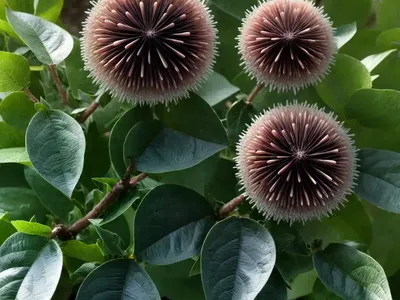
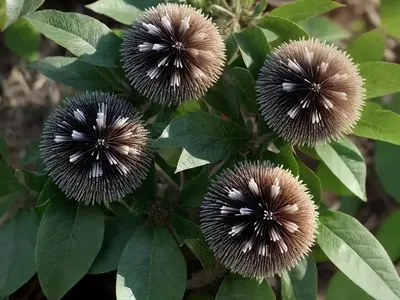
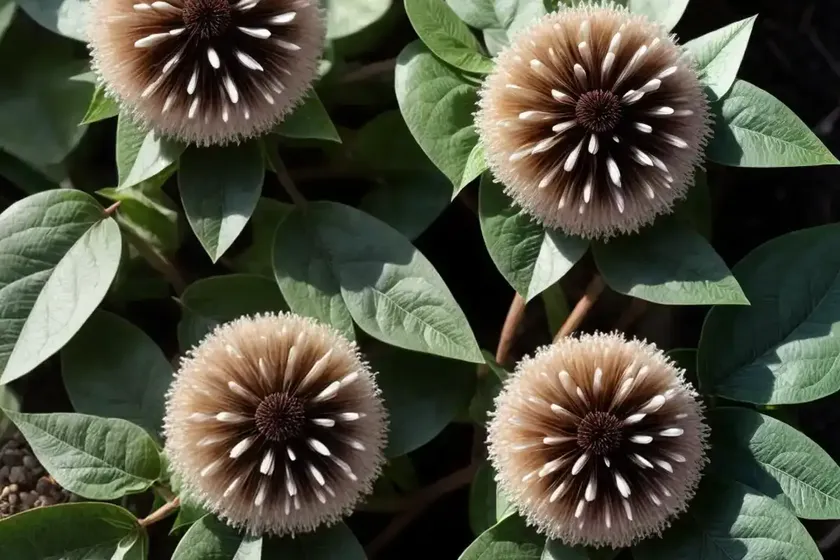
The Common Buttonbush, or Cephalanthus occidentalis, is a deciduous shrub native to North America. It is known for its striking spherical flowers and its preference for wetland habitats, making it an important component of the region’s ecological landscape. The plant’s unique characteristics and adaptability have also led to its cultivation as an ornamental species in gardens and landscapes.
Key Takeaways – Common Buttonbush (Cephalanthus Occidentalis)
Before delving deeper into the specifics of the Common Buttonbush, let’s glance at its key takeaways.
- Common Names: Buttonbush, Button-willow, Honey-bells
- Scientific Name: Cephalanthus occidentalis
- Plant Type: Deciduous shrub
- Native Range: North America
- Habitat: Wetlands, swamps, riverbanks
- Notable Feature: Spherical, fragrant flowers
Now that we have an overview of the Common Buttonbush, let’s explore its cultural requirements and uses in more detail.
Culture
Understanding the cultural requirements of the Common Buttonbush is crucial for its successful cultivation and preservation. From water and sunlight needs to soil preferences, a comprehensive understanding of the plant’s culture is essential for both amateur and seasoned gardeners.
Water
The Common Buttonbush thrives in moist to wet soil conditions, making it an ideal choice for areas with consistent or periodic water presence. It is well-suited for wetland restoration projects and landscaping in proximity to water bodies due to its ability to withstand occasional flooding. Proper moisture levels are crucial for the plant’s health and flowering.
Sunlight
In terms of sunlight, the Common Buttonbush prefers full sun to partial shade. While it can tolerate some shade, optimal flowering and growth occur in full sun conditions. When selecting a site for planting, consider its sun exposure and ensure it aligns with the plant’s sunlight requirements.
Soil
The plant exhibits a preference for acidic, loamy soils with good drainage. Its natural habitat in wetland areas indicates a tolerance for periodically waterlogged soil. When cultivating the Common Buttonbush, selecting a suitable soil type and maintaining adequate drainage are key factors for its success.
Fertilizer
In general, the Common Buttonbush does not have high fertilizer requirements. In most cases, it thrives in nutrient-rich soils naturally found in wetland and riparian habitats. However, if the soil is nutrient-deficient, a balanced fertilizer can be applied in the early spring to support healthy growth.
Uses
The Common Buttonbush serves various ecological and landscaping purposes, making it a versatile and valuable plant species. Understanding its uses sheds light on its significance in both natural and cultivated environments.
-
Ecological Significance: The plant plays a crucial role in wetland ecosystems, providing habitat and food for various wildlife species, including birds, insects, and amphibians. Its flowers attract pollinators, contributing to the overall biodiversity of wetland areas.
-
Erosion Control: Due to its extensive root system and preference for moist soils, the Common Buttonbush is utilized in riparian buffer zones to prevent soil erosion along water bodies.
-
Landscaping: As an ornamental plant, the Common Buttonbush adds aesthetic value to landscapes and gardens, particularly those with water features. Its unique flowers and adaptability to wet soils make it an attractive choice for landscapers and garden enthusiasts.
Pruning
Pruning is an essential practice for maintaining the health and shape of the Common Buttonbush. While the plant generally retains a natural form, occasional pruning can help manage its growth and rejuvenate older shrubs. It is advisable to prune the plant in late winter or early spring to promote vigorous growth and flowering during the growing season.
Pruning Tips:
- Remove dead or damaged branches to encourage new growth.
- Shape the shrub by selectively trimming long or unruly stems.
- Avoid excessive pruning, as the plant’s natural form adds to its aesthetic appeal.
Propagation
Propagation of the Common Buttonbush can be achieved through various methods, including seed propagation and vegetative propagation. The most suitable approach depends on the available resources and the desired quantity of new plants.
Seed Propagation:
- Collect mature seeds from the plant in the fall.
- Sow the seeds in a seed tray or directly in the ground, maintaining consistent moisture.
- Germination typically occurs in the following spring, and young plants can be transplanted once they have developed sufficient root systems.
Vegetative Propagation:
- Propagate the plant using softwood cuttings taken in early summer.
- Prepare the cuttings and plant them in a suitable rooting medium.
- Ensure adequate humidity and warmth to facilitate root development.
Container Popularity
The Common Buttonbush’s adaptability to wet soils makes it well-suited for container gardening in appropriate settings. It can be grown in large containers or planted at the edges of water features to add visual interest and attract wildlife to contained garden spaces.
Container Common Diseases
While the Common Buttonbush is generally resistant to many diseases, it may occasionally encounter issues that can affect its health and appearance. Understanding common diseases and their management is essential for maintaining the plant’s vitality.
Disease Diagnosis
Powdery Mildew: A fungal disease characterized by the presence of white, powdery patches on the plant’s leaves and stems. It can impede photosynthesis and weaken the plant over time.
Leaf Spot: Caused by various fungi or bacteria, leaf spot manifests as dark, irregular spots on the plant’s foliage, potentially leading to premature leaf drop.
Common Pests
The Common Buttonbush is relatively resistant to pest infestations, but occasional encounters with certain pests may occur, necessitating proper identification and management.
Pest Identification
Aphids: These small, sap-sucking insects can infest the plant’s tender new growth, causing distortion of leaves and the secretion of sticky honeydew.
Scale Insects: With their protective waxy covering, scale insects can affect the plant’s vigor by feeding on its sap and excreting honeydew, leading to secondary fungal issues.
Botanist’s Tips
As botanists and plant enthusiasts, understanding the intricacies of the Common Buttonbush elevates our appreciation of its unique qualities and ecological significance. Here are a few tips for observing, cultivating, and preserving this remarkable species:
-
Ecological Awareness: Observe the plant in its natural habitat to understand its interactions with wildlife and its role in wetland ecosystems.
-
Conservation Efforts: Support conservation initiatives aimed at preserving wetland habitats, which are crucial for the survival of the Common Buttonbush and many other native species.
-
Garden Integration: Incorporate the Common Buttonbush into garden designs to attract pollinators and add diversity to landscaped areas, especially those with water features or moist soils.
Fun Facts
The Common Buttonbush is full of fascinating attributes that highlight its importance and charm. Here are some fun facts about this intriguing plant:
- The plant’s flowers are a favorite nectar source for butterflies and bees, contributing to the ecological tapestry of wetland areas.
- In traditional medicine, certain parts of the Common Buttonbush have been used to treat various ailments, earning it a place in herbal folklore and remedies.
- The spherical flower heads of the Common Buttonbush are visually captivating and stand out as unique botanical features in wetland habitats.
Links to External Resources
For further exploration of the Common Buttonbush and related topics, consider the following external resources:
- Cephalanthus occidentalis – USDA Plants Database
- Wetland Plants and Plant Communities – U.S. Environmental Protection Agency
- Native Plant Landscaping for Wildlife and People – National Wildlife Federation
- Invasive Plant Species Management – National Park Service
In conclusion, the Common Buttonbush, with its distinctive features and ecological importance, exemplifies the diversity and significance of native plant species. Whether thriving in its natural wetland habitat or enhancing landscaped areas, this remarkable plant continues to captivate and contribute to the rich tapestry of North American flora.
From the Buttonbush plant to its ecological role and garden uses, the Common Buttonbush invites exploration and appreciation, offering a glimpse into the interconnectedness of plants and the ecosystems they inhabit. As stewards of our natural environment, understanding and celebrating the Common Buttonbush enriches our botanical knowledge and our connection to the natural world.
Keywords: Buttonbush plant, Cephalanthus occidentalis, Buttonbush shrub, Common buttonbush species, Buttonbush plant care, Buttonbush characteristics, Buttonbush flowering, Buttonbush habitat, Common buttonbush trees, Buttonbush landscaping, Buttonbush gardening, Buttonbush wildlife habitat, Buttonbush wetland plant, Buttonbush medicinal uses, Buttonbush plant family, Buttonbush plant morphology, Buttonbush plant distribution, Buttonbush plant ecology, Buttonbush plant adaptations, Buttonbush plant growth, Buttonbush plant cultivation, Buttonbush plant propagation, Buttonbush plant benefits, Buttonbush plant origins, Buttonbush plant symbolism, Buttonbush plant pollination, Buttonbush plant importance, Buttonbush plant species diversity, Buttonbush plant conservation, Buttonbush plant uses, Buttonbush plant ecology, Buttonbush plant identification, Buttonbush plant varieties, Buttonbush plant nectar source, Buttonbush plant nectarivores, Buttonbush plant significance, Buttonbush plant landscape design, Buttonbush plant water requirements, Buttonbush plant native habitat, Buttonbush plant flowering period, Buttonbush plant common names, Buttonbush plant climate preferences, Buttonbush plant reproduction, Buttonbush plant insect pollinators, Buttonbush plant bird attractant, Buttonbush plant soil preferences, Buttonbush plant wildlife interactions, Buttonbush plant wetland conservation, Buttonbush plant ecosystem services, Buttonbush plant ornamental value