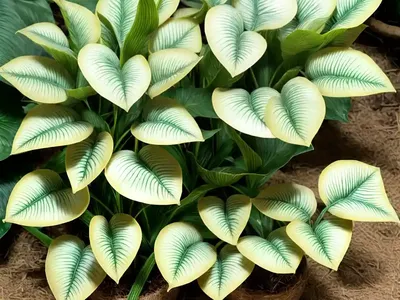
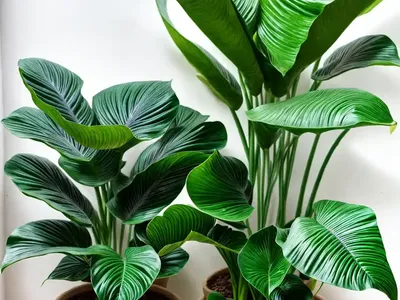
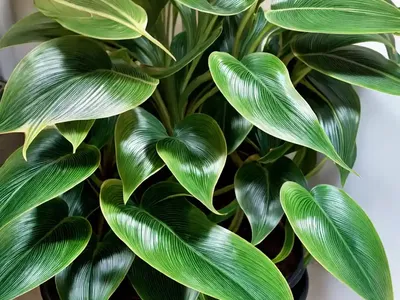
Cocoyam (Colocasia Esculenta)
Cocoyam, known scientifically as Colocasia esculenta, is a tropical plant believed to have originated in Southeast Asia. It has gained popularity across.
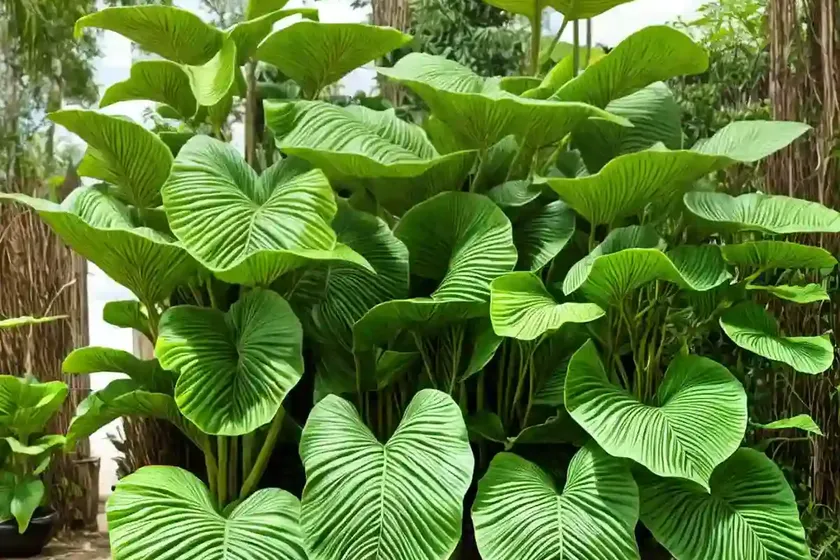
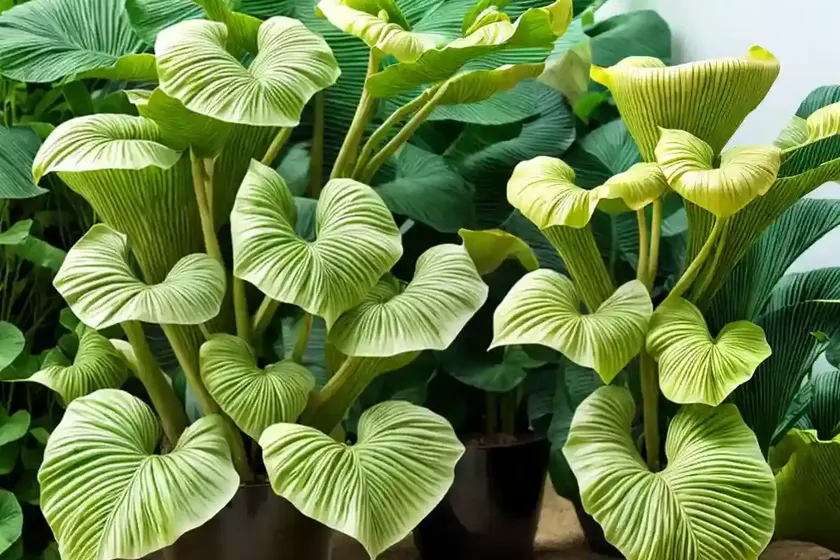
What is Cocoyam (Colocasia esculenta)?
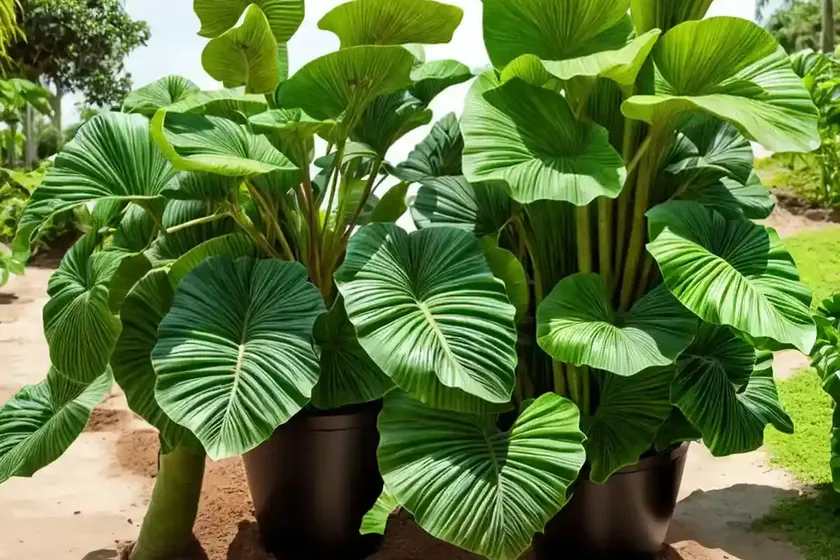
Cocoyam, known scientifically as Colocasia esculenta, is a tropical plant believed to have originated in Southeast Asia. It has gained popularity across the globe for its versatile uses, including as a food source, ornamental plant, and traditional medicine. The plant is recognized for its distinct tuberous roots, also referred to as corms, which are a significant component of many traditional cuisines.
Key Takeaways – Cocoyam (Colocasia esculenta)
Culture
- The culture of cocoyam involves both the agricultural practices related to its growth and the social customs associated with its consumption. Culturally, cocoyam holds significant importance as a staple food in various regions due to its high carbohydrate content and versatility in culinary applications.
Uses
- Cocoyam has a wide range of uses, including its consumption as a staple food, the utilization of its leaves in cultural practices, and its decorative value as an ornamental plant. Additionally, various parts of the plant, including the tubers, leaves, and petioles, hold medicinal significance in traditional medicine.
Water
- Adequate water supply is crucial for the optimal growth of cocoyam plants. The water requirements may vary at different stages of growth, and need to be carefully managed to prevent waterlogging or drought stress.
Sunlight
- Cocoyam plants thrive in partial shade to full sun, making it adaptable to a variety of growing conditions. However, careful consideration of light exposure is pivotal for achieving healthy and robust growth.
Fertilizer
- The application of appropriate fertilizers is essential for cocoyam cultivation. The judicious use of organic and inorganic fertilizers can significantly contribute to the plant’s overall health and yield.
Soil
- Cocoyam grows best in well-draining, fertile soil with a slightly acidic to neutral pH. Soil preparation is a critical step for successful cultivation, and the incorporation of organic matter can greatly enhance the soil’s suitability.
Pruning
- Pruning can play a crucial role in maintaining the health and vigor of cocoyam plants. Regular removal of dead or damaged leaves, as well as suckers, can promote better aeration, light penetration, and overall plant productivity.
Propagation
- Propagation of cocoyam can be achieved through corms, cormels, and offsets, providing multiple options for growers to expand their plantings. Understanding the various propagation techniques is essential for successful cultivation and expansion of cocoyam production.
Container Popularity
- The adaptability of cocoyam to container gardening has gained increasing popularity, allowing enthusiasts in various settings to cultivate this plant despite space limitations. Container gardening also offers the advantage of efficient pest and disease management.
Container Common Diseases
- When cultivating cocoyam in containers, it is essential to be mindful of common diseases that can affect the plant. Issues such as root rot, leaf spot, and corm rot can emerge, and proactive measures are necessary to prevent and manage these diseases in container-grown cocoyam.
Disease Diagnosis
- Diagnosing diseases in cocoyam is pivotal for implementing the appropriate control measures. Timely identification and understanding of the symptoms and causal agents facilitate effective disease management.
Common Pests
- A range of pests can pose risks to cocoyam cultivation, including aphids, mites, caterpillars, and nematodes. Monitoring for pest infestations and adopting integrated pest management strategies are crucial for safeguarding cocoyam plants.
Botanist’s Tips
- Incorporating insights from botanists can significantly enhance the understanding and cultivation of cocoyam. Their expertise can offer valuable guidance on plant physiology, growth habits, and best practices for ensuring successful cultivation.
Fun Facts
- The world of cocoyam encompasses numerous intriguing and lesser-known facts, such as its historical significance, cultural symbolism, and traditional uses in various societies. Exploring these fun facts adds an enriching dimension to the appreciation of cocoyam.
Cocoyam (Colocasia esculenta): An Overview
Cocoyam, scientifically known as Colocasia esculenta, is a tropical plant that holds immense cultural, culinary, and agricultural significance. Meticulous attention to its cultural practices, growing conditions, and management is essential to unlock the full potential of this multifaceted plant. From its traditional uses in diverse cuisines to its ornamental appeal, cocoyam offers a rich tapestry of possibilities.
Cocoyam Benefits
Nutritional Value
- Cocoyam is renowned for its nutritional richness, serving as an excellent source of carbohydrates, dietary fiber, and essential vitamins and minerals. Its tubers are particularly valued for their energy-yielding properties and as a staple food in numerous diets.
Dietary Versatility
- The culinary potential of cocoyam encompasses an array of preparations, including soups, stews, porridges, and side dishes. Its versatility as an ingredient adds depth and substance to various cuisines, contributing to its widespread popularity.
Medicinal Applications
- Beyond its culinary uses, cocoyam holds a significant place in traditional medicine, with its different parts offering therapeutic benefits. From treating digestive issues to serving as a dietary supplement, the plant has been utilized for its medicinal properties across diverse cultures.
Sociocultural Significance
- Culturally, cocoyam is associated with traditions, rituals, and ceremonies, often symbolizing abundance, prosperity, and communal gatherings. Its significance in social customs and events has firmly embedded cocoyam in the cultural fabric of numerous societies.
Colocasia esculenta Varieties
Diversity of Cultivars
- The diversity of Colocasia esculenta cultivars showcases a spectrum of foliage colors, leaf shapes, and tuber characteristics. These variations offer growers a range of options suited for ornamental, culinary, and medicinal purposes, contributing to the plant’s appeal across different contexts.
Cocoyam Plant Care
Growing Cocoyam
Climate Conditions
- Cocoyam thrives in tropical and subtropical climates, favoring warm temperatures and high humidity. Understanding the plant’s climatic preferences is essential for successful cultivation in diverse geographic regions.
Soil Preparation
- The selection of well-draining, fertile soil, with a pH range of 5.5 to 6.5, is crucial for establishing optimal growing conditions for cocoyam. Prior to planting, soil amending with organic matter enhances its structure and fertility, promoting healthy root development.
Planting Depth
- When planting cocoyam corms, a recommended depth of approximately 2 to 4 inches facilitates proper root establishment and subsequent emergence of shoots. Careful attention to planting depth is necessary to support healthy growth and vigor.
Watering Regimen
- Maintaining adequate soil moisture, without causing waterlogging, is essential for cocoyam plants. Consistent watering during the growing season, with adjustments during periods of rainfall or drought, ensures optimal plant hydration.
Fertilization Approach
- The application of balanced fertilizers, incorporating essential nutrients such as nitrogen, phosphorus, and potassium, supports the robust growth and development of cocoyam. Understanding the nutritional requirements and employing appropriate fertilization practices is pivotal for ensuring plant health.
Sunlight Requirements
- Providing partial shade to full sun exposure supports the photosynthetic processes and overall vitality of cocoyam plants. Optimizing sunlight exposure is integral for promoting healthy leaf development and tuber formation.
Pruning Methods
- Pruning dead or damaged leaves, as well as excess shoots, supports the plant’s vigor and minimizes the risk of disease incidence. Regular pruning fosters efficient resource allocation and enhances the overall aesthetic appeal of cocoyam plants.
Colocasia esculenta Nutrition
Macronutrient Composition
- The tubers of Colocasia esculenta contain substantial amounts of carbohydrates, predominantly in the form of starch, making them a valuable energy source in diets. Additionally, the tubers offer dietary fiber and modest protein content, contributing to their nutritional significance.
Micronutrient Profile
- The tubers of Colocasia esculenta encompass notable levels of essential vitamins and minerals, including vitamin C, vitamin E, potassium, and manganese, enriching the overall nutritional composition of this starchy staple.
Cocoyam Recipes
Culinary Diversity
- Cocoyam serves as a versatile ingredient in an array of culinary preparations, ranging from main dishes to snacks and desserts. Its integration in traditional recipes reflects the plant’s cultural and gastronomic importance in diverse cuisines.
Regional Delicacies
- Across various cultures, cocoyam features prominently in regional delicacies, imparting unique flavors and textures. Exploring traditional recipes provides an enriching experience in understanding the culinary heritage associated with cocoyam.
Colocasia esculenta Health Benefits
Dietary Enrichment
- Incorporating Colocasia esculenta in diets contributes to dietary diversity and nutritional enrichment, offering valuable energy and essential nutrients. The plant’s role as a staple food underscores its significance in sustaining food security in many regions.
Medicinal Potential
- The medicinal properties of Colocasia esculenta have been harnessed for addressing diverse health concerns, from digestive ailments to cardiovascular health. Its traditional use as a natural remedy highlights its potential in contributing to holistic well-being.
How to Propagate Cocoyam
Corm Propagation
- Propagation of cocoyam primarily involves the use of corms, which are the swollen underground stems serving as storage organs. Careful division of corms and their subsequent planting provide a reliable method for expanding cocoyam plantings.
Cormel and Offset Propagation
- Cormels and offsets, smaller bulbils produced by mature cocoyam plants, offer additional propagation options. These miniature corms serve as viable materials for initiating new plantings and augmenting existing ones.
Best Soil for Cocoyam
Nutrient-Rich Soil
- Cocoyam thrives in well-draining, fertile soil with good organic matter content, fostering robust growth and tuber development. The selection of suitable soil types and the incorporation of organic amendments contribute to an optimal growing environment.
Colocasia esculenta Uses
Culinary Significance
- Colocasia esculenta is esteemed for its culinary versatility, featuring in a wide range of savory and sweet dishes. Its integration in regional cuisines reflects its cultural importance and contribution to diverse culinary traditions.
Ornamental Value
- The striking foliage of cocoyam renders it an appealing choice for ornamental landscaping, adding tropical allure to gardens, landscapes, and indoor spaces. Its aesthetic appeal and adaptability as a decorative plant enhance its horticultural value.
Cocoyam Plant Diseases
Disease Susceptibility
- Cocoyam plants are vulnerable to various diseases, including fungal, bacterial, and viral infections, which can compromise plant health and ultimately reduce yields. Implementing preventive measures and prompt disease management are crucial for mitigating disease impacts.
Disease Diagnosis
- Accurate diagnosis of cocoyam diseases is essential for implementing effective control measures. Identifying characteristic symptoms and diagnostic tools aids in determining the appropriate management strategies for specific diseases.
Growing Cocoyam Indoors
Indoor Cultivation
- Cultivating cocoyam indoors offers a practical option for enthusiasts seeking to grow this tropical plant in non-traditional settings. Addressing key considerations such as lighting, temperature, and space requirements is instrumental for successful indoor cultivation.
Colocasia esculenta Pests
Pest Infestations
- Cocoyam plants are susceptible to a range of pests, including aphids, mites, and caterpillars, which can impact the plant’s vigor and yield. Adopting proactive pest management approaches is vital for safeguarding cocoyam from pest-related damages.
Integrated Pest Management
- Employing integrated pest management strategies, which encompass various preventive and control measures, offers a comprehensive approach to mitigating pest pressures on cocoyam plants. This holistic strategy contributes to sustainable pest management.
Cocoyam Plant Maintenance
Routine Care
- Regular maintenance practices, including watering, fertilization, and pruning, promote the overall health and productivity of cocoyam plants. Consistent care and observation of plant conditions are essential for providing optimal growing conditions.
Seasonal Considerations
- Adapting maintenance practices to seasonal requirements, such as adjusting watering and fertilization regimens, supports cocoyam plants through different phases of growth. Tailoring maintenance activities to seasonal demands contributes to sustained plant vitality.
Cocoyam Planting Guide
Cultivation Essentials
- A comprehensive planting guide for cocoyam encompasses key aspects such as soil preparation, planting depth, spacing, and maintenance practices. Effective planning and implementation of cultivation guidelines facilitate successful cocoyam production.
Colocasia esculenta Edible Parts
Nutritious Tubers
- The tubers of Colocasia esculenta serve as the primary edible part, offering a starchy and nutrient-rich source that contributes to various culinary preparations. Their culinary versatility and nutritional value make them an integral component of diverse diets.
Nutrient-Rich Leaves
- The leaves of cocoyam hold nutritional significance and are utilized in culinary preparations in certain cultures. Their inclusion in traditional dishes enriches the culinary landscape and contributes to dietary diversity.
Cocoyam vs. Taro
Distinctive Characteristics
- While cocoyam and taro belong to the same plant family, each exhibits unique traits in terms of tuber morphology, culinary applications, and geographical preferences. Understanding the differences between the two fosters an appreciation of their individual characteristics.
Colocasia esculenta Cultivation
Cultivation Practices
- Cultivating Colocasia esculenta encompasses various agronomic practices, including planting, irrigation, fertilization, and pest and disease management. A holistic approach to cultivation practices is essential for achieving successful cocoyam production.
Cocoyam Medicinal Properties
Traditional Remedies
- The medicinal properties of cocoyam have been harnessed for addressing diverse health concerns in traditional medicine systems. Documented traditional uses underscore the therapeutic potential of cocoyam in promoting well-being.
Common Cocoyam Problems
Disease and Pest Challenges
- Cocoyam cultivation is confronted by various challenges, including diseases, pests, and environmental stresses, which can impede plant growth and productivity. Mitigating these common problems is crucial for sustaining cocoyam production.
Colocasia esculenta Culinary Uses
Gastronomic Versatility
- The culinary uses of Colocasia esculenta span a wide range of traditional dishes, including soups, stews, snacks, and desserts. Its incorporation in diverse culinary creations reflects its cultural significance and gastronomic appeal.
Cocoyam Plant Fertilization
Nutrient Supply
- Fertilization practices for cocoyam aim to supply essential nutrients that promote optimal growth and development. Balancing the nutritional requirements and employing suitable fertilization methods is instrumental for achieving healthy cocoyam plants.
How to Harvest Cocoyam
Harvesting Techniques
- Harvesting cocoyam involves discerning the appropriate timing for digging up the tubers, ensuring their maturity and readiness for consumption or storage. Employing proper harvesting techniques is pivotal for preserving the quality of the harvested produce.
Colocasia esculenta Cooking Methods
Culinary Techniques
- Various cooking methods, including boiling, steaming, frying, and grilling, are employed to prepare cocoyam in diverse culinary traditions. Understanding the cooking attributes of cocoyam facilitates the creation of delectable dishes.
Cocoyam Plant Propagation Techniques
Propagation Diversity
- Propagating cocoyam involves diverse techniques such as corm division, offset planting, and cormel propagation. Exploring the range of propagation methods provides growers with flexible options for expanding cocoyam cultivation.
Colocasia esculenta Plant Family
Taxonomic Classification
- Colocasia esculenta belongs to the family Araceae, a diverse group of flowering plants encompassing a wide range of species. Understanding its taxonomic placement offers insights into the plant’s botanical relationships and evolutionary history.
Cocoyam Plant Diseases and Treatments
Disease Management
- Effective treatment of cocoyam diseases entails utilizing appropriate fungicides, biocontrol agents, and cultural practices to mitigate disease impacts. Implementing integrated disease management strategies aids in safeguarding cocoyam plants.
Colocasia esculenta Plant Care Tips
Growth Enhancement
- Incorporating expert care tips enhances the cultivation of Colocasia esculenta, promoting robust growth, disease resistance, and overall plant vitality. Following best practices contributes to successful cocoyam cultivation.
Cocoyam Plant Pests and Control
Pest Management
- Controlling pests infesting cocoyam plants involves various measures, including the use of biological agents, cultural practices, and selective pesticides. Implementing an integrated pest management approach supports sustainable pest control.
Uses of Cocoyam Leaves
Culinary Applications
- The leaves of cocoyam serve as edible greens in certain culinary traditions, imparting distinct flavors and textures to various dishes. Their use in culinary applications enriches the gastronomic landscape and contributes to dietary diversity.
Colocasia esculenta Traditional Uses
Cultural Practices
- Across different cultures, cocoyam is intertwined with various traditional practices, rituals, and social customs, embodying its cultural significance and symbolic value. Exploring its traditional uses offers valuable insights into its social and cultural roles.
Propagation of Colocasia esculenta
Propagation Methods
- Propagating Colocasia esculenta entails utilizing corms, cormels, and offsets as viable materials for initiating new plantings. Understanding the nuanced techniques of plant propagation contributes to expanding the cultivation of this versatile species.
Cocoyam Varieties for Different Climates
Adaptable Cultivars
- Selecting cocoyam varieties suited for diverse climates empowers growers to optimize their cultivation efforts. The adaptability of specific cultivars to varied environmental conditions enhances the resilience and productivity of cocoyam plants.
Colocasia esculenta Cultivation Practices
Agronomic Approaches
- Cultivating Colocasia esculenta involves deploying various practices related to planting, soil management, irrigation, and pest and disease control. Adhering to sound cultivation practices is essential for ensuring successful cocoyam production.
Cocoyam Gardening Tips
Horticultural Guidance
- Incorporating gardening tips specific to cocoyam cultivation supports enthusiasts in nurturing healthy and productive plants. Tailoring horticultural practices to the needs of cocoyam enhances cultivation outcomes.
Colocasia esculenta Tubers
Tuber Characteristics
- The tubers of Colocasia esculenta exhibit diverse sizes, colors, and flavors, reflecting the culinary potential and gastronomic diversity associated with this tropical staple. Exploring the range of tuber attributes broadens culinary options and preferences.
Cocoyam Companion Plants
Companion Planting
- Selecting companion plants that complement cocoyam cultivation contributes to ecological diversity and mutual support between plant species. Implementing companion planting fosters sustainable agroecosystems.
Colocasia esculenta Tuber Harvesting
Harvesting Techniques
- Harvesting cocoyam tubers at the appropriate stage of maturity is essential for preserving their quality and nutritional value. Employing proper harvesting methods safeguards the produce for consumption or storage.
Cocoyam Plant Watering Requirements
Irrigation Management
- Managing cocoyam plant watering involves providing consistent moisture levels, avoiding waterlogging, and