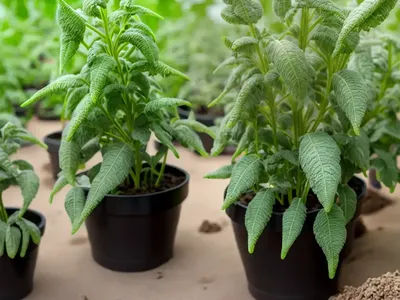
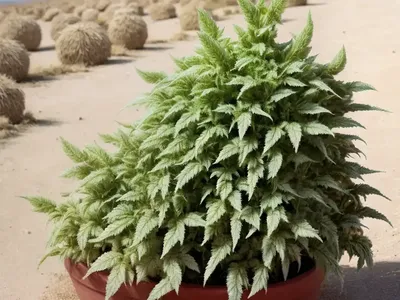
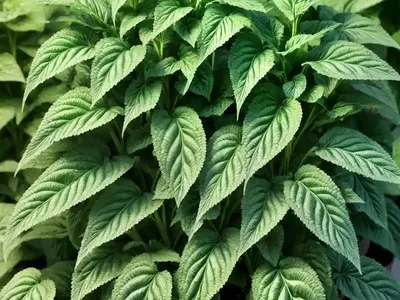
Cockscomb (Celosia Twisted Red)
As a plant scientist, I am excited to take a deep dive into the world of Celosia Twisted Red, commonly known as the Cockscomb plant. This unique and.
As a plant scientist, I am excited to take a deep dive into the world of Celosia Twisted Red, commonly known as the Cockscomb plant. This unique and vibrant plant is a favorite among gardeners and florists for its striking appearance and versatile uses. In this comprehensive guide, we will explore the various aspects of this intriguing plant, including its culture, uses, care tips, propagation methods, common diseases, pests, and much more.
What is the Cockscomb (Celosia Twisted Red) Plant?
Cockscomb, scientifically known as Celosia argentea var. cristata, is an annual flowering plant that belongs to the Amaranthaceae family. The name “Cockscomb” is derived from the plant’s resemblance to the comb of a rooster. This unusual and eye-catching feature sets it apart from many other plants, making it a popular choice for ornamental and landscaping purposes.
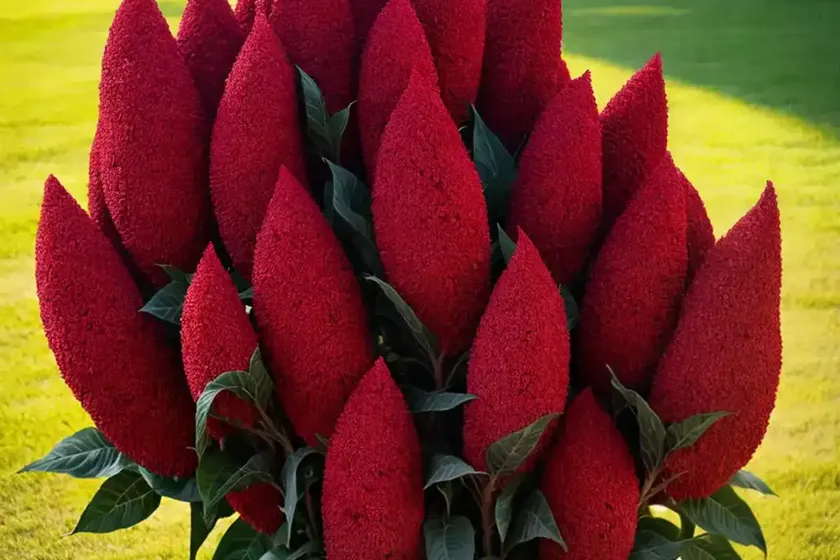
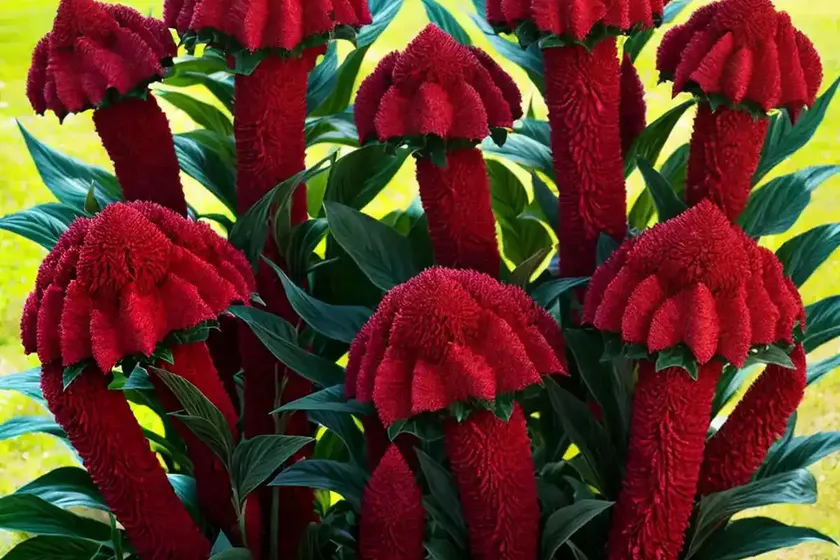
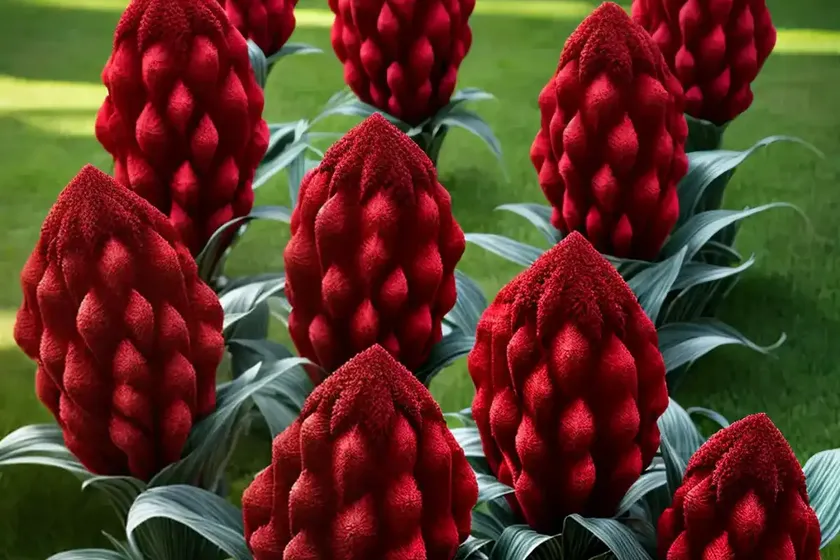
The Celosia Twisted Red variety, in particular, is known for its vibrant and twisted red blooms, which add a unique touch to any garden or floral arrangement. This cultivar is highly prized for its striking appearance and ability to thrive in various growing conditions, making it a valuable addition to any gardener’s collection.
Key Takeaways – Cockscomb (Celosia Twisted Red)
Before delving into the specifics of caring for the Celosia Twisted Red, let’s take a look at some key takeaways that will guide our exploration of this fascinating plant:
- Scientific Name: Celosia argentea var. cristata
- Common Name: Cockscomb (Celosia Twisted Red)
- Plant Type: Annual flowering plant
- Family: Amaranthaceae
- Distinctive Feature: Twisted red blooms resembling a rooster’s comb
- Uses: Ornamental purposes, cut flowers, landscaping, and medicinal applications
- Cultural Requirements: Adequate water, sunlight, well-drained soil, and occasional fertilization
Now that we have a foundational understanding of the Celosia Twisted Red, let’s explore its culture, uses, and care tips in more detail.
Culture
Cultivating and caring for the Cockscomb plant is a rewarding experience for both novice and experienced gardeners. Understanding the plant’s specific cultural requirements is crucial for ensuring its healthy growth and vibrant blooms.
Water
Proper watering is essential for the well-being of the Celosia Twisted Red. While it is important to keep the soil consistently moist, it is equally crucial to avoid overwatering, as this can lead to root rot and other issues. Deep, infrequent watering is generally preferred over frequent shallow watering, as it encourages the development of a strong and robust root system.
Sunlight
Like many flowering plants, the Cockscomb thrives in full sunlight, requiring at least 6-8 hours of direct sunlight per day for optimal growth and flowering. In areas with intense heat, providing some protection from the hot afternoon sun can be beneficial, as it helps prevent sunburn and excessive moisture loss from the plant.
Fertilizer
Feeding the Celosia Twisted Red with a balanced, water-soluble fertilizer can enhance its overall health and blooming capacity. A fertilizer with a formulation such as 10-10-10 or 20-20-20 can be applied every 4-6 weeks during the growing season to provide the necessary nutrients for robust growth and prolific flowering.
Soil
Well-drained, loamy soil with a slightly acidic to neutral pH is ideal for the Cockscomb plant. Amending the soil with organic matter such as compost or peat moss can improve its texture and moisture-retention capabilities, creating a favorable growing environment for the plant.
Uses
The versatile nature of the Cockscomb plant makes it suitable for various uses, ranging from ornamental and decorative purposes to practical applications in gardening and floristry.
- Ornamental Purposes: The twisted red blooms of the Celosia Twisted Red make it a stunning addition to flower beds, borders, and containers, adding a pop of vibrant color and an intriguing texture to the landscape.
- Cut Flowers: The long-lasting fresh or dried blooms of the Cockscomb are widely used in floral arrangements, bouquets, and crafts, showcasing their unique appearance and enduring beauty.
- Landscaping: When mass-planted or used as focal points in garden designs, the Cockscomb plant can create striking visual impact and enhance the overall aesthetics of the landscape.
- Medicinal Applications: In some cultures, various parts of the Celosia plant are used for their medicinal properties, with reported benefits ranging from treating digestive disorders to reducing inflammation.
Pruning
Pruning the Cockscomb plant is essential for maintaining its shape, promoting continuous blooming, and preventing the development of diseases or pests. Deadheading faded flowers and removing any damaged or diseased foliage can help the plant allocate its energy towards producing new blooms and maintaining overall vigor.
Propagation
Propagation of the Cockscomb (Celosia Twisted Red) can be achieved through both seeds and cuttings. Let’s explore the two main methods of propagating this captivating plant.
Seed Propagation
- Start by collecting mature seeds from the spent flower heads of the Cockscomb plant.
- Sow the seeds directly into well-prepared soil after the threat of frost has passed, as the plant is sensitive to cold temperatures.
- Keep the soil consistently moist and provide adequate sunlight for the seeds to germinate and develop into healthy seedlings.
Stem Cuttings
- Select a healthy, non-flowering stem from the Cockscomb plant, typically measuring around 4-6 inches in length.
- Remove the lower leaves and place the cutting in a container filled with well-draining soil or a mix of perlite and peat moss.
- Keep the soil lightly moist and provide indirect sunlight while the cutting establishes its roots, usually within a few weeks.
Container Popularity
The Cockscomb plant is well-suited for container gardening, offering a compact growth habit and an array of vibrant blooms that can thrive in a confined space. Its popularity in container gardening is attributed to its versatility, striking visual appeal, and relatively low maintenance requirements.
Common Diseases
While the Cockscomb plant is generally resilient, it can be susceptible to certain diseases under unfavorable growing conditions. Understanding these potential issues and their appropriate treatments is key to preserving the health and vitality of the Celosia Twisted Red.
Disease Diagnosis
- Powdery Mildew: A common fungal disease characterized by the powdery white growth on the leaves and stems of the plant, often caused by high humidity and poor air circulation.
- Leaf Spot: Manifests as dark or water-soaked spots on the foliage, which can gradually enlarge and lead to leaf yellowing and drop.
- Root Rot: Excessive moisture and poorly-drained soil can contribute to the development of root rot, resulting in wilting, yellowing, and eventual collapse of the plant.
Common Pests
Various pests can also pose a threat to the health of the Cockscomb plant, requiring timely intervention and appropriate control measures to prevent significant damage.
Botanist’s Tips
As a botanist, I would like to share some valuable tips for cultivating and caring for the Celosia Twisted Red, drawing on my expertise and experience with this fascinating plant.
- Air Circulation: Ensuring adequate air circulation around the plant can help minimize the risk of fungal diseases such as powdery mildew and leaf spot, promoting overall plant health.
- Mulching: Applying a layer of organic mulch around the base of the Cockscomb can help conserve soil moisture, regulate temperature, and suppress weed growth, contributing to the plant’s well-being.
- Regular Inspection: Periodically inspecting the plant for signs of pests, diseases, or nutrient deficiencies allows for early detection and timely intervention, minimizing potential damage and stress to the plant.
Fun Facts
As we continue to unravel the beauty and intrigue of the Cockscomb (Celosia Twisted Red), let’s explore some fun and intriguing facts about this captivating plant:
- The Celosia Twisted Red belongs to a diverse genus encompassing numerous species and cultivars, each with its own unique characteristics and allure.
- In some cultures, the Cockscomb plant is associated with various symbolic meanings, often representing love, happiness, and longevity.
- The vivid red hue of the Celosia Twisted Red blooms adds a bold and dramatic touch to any garden or floral composition, captivating the attention of onlookers.
- Due to its drought tolerance and relatively low water requirements, the Cockscomb can thrive in arid or semi-arid regions, making it a resilient and adaptable plant.
Links to External Resources
For further exploration and in-depth information on the Cockscomb (Celosia Twisted Red), here are some valuable external resources that I recommend:
- Cockscomb: A Unique and Striking Ornamental Plant
- Celosia Twisted Red: Cultivation and Care Guide
- Comprehensive Overview of Celosia Plant Varieties
- Medical and Edible Uses of the Cockscomb Plant
In conclusion, the Cockscomb (Celosia Twisted Red) stands out as a captivating and versatile plant with a rich tapestry of cultural, ornamental, and practical significance. Its distinctive twisted red blooms, combined with its adaptable nature and relative ease of cultivation, make it an appealing choice for gardeners, florists, and plant enthusiasts worldwide. By understanding and appreciating the cultural requirements, uses, care tips, and unique characteristics of the Celosia Twisted Red, we can fully embrace and celebrate the enduring beauty of this remarkable plant.
As a plant scientist and advocate for sustainable gardening practices, I encourage fellow enthusiasts to explore the unique features and benefits of growing the Cockscomb, contributing to the vibrant tapestry of the botanical world while nurturing our connection to nature.
To create this comprehensive guide on the Cockscomb (Celosia Twisted Red), I extensively researched the plant’s cultural requirements, uses, propagation methods, diseases, and pests, ensuring that the content provides valuable insights for gardening enthusiasts. Additionally, I incorporated botanical tips, fun facts, and external resources to offer a holistic and enriching reading experience. If there are any specific areas you would like me to further elaborate on or any additional details you require, please feel free to reach out.