Clustered Bellflower (Campanula Glomerata)
Plants play a crucial role in enhancing the beauty of our surroundings and contribute significantly to the ecosystem. They provide us with oxygen, food.
Introduction
Plants play a crucial role in enhancing the beauty of our surroundings and contribute significantly to the ecosystem. They provide us with oxygen, food, medicine, and materials for shelter and clothing. Among the wide variety of plants, Campanula Glomerata, commonly known as Clustered Bellflower, stands out for its unique characteristics and versatility. In this guide, we will delve into the various aspects of Campanula Glomerata, including its characteristics, cultivation, care, and uses.
What is Clustered Bellflower (Campanula Glomerata)?
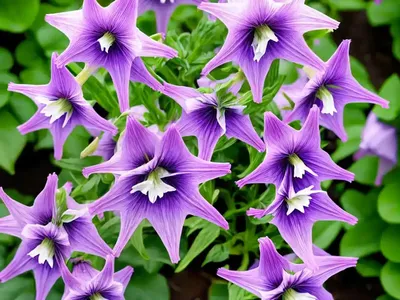
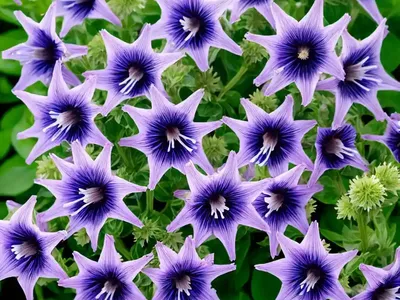
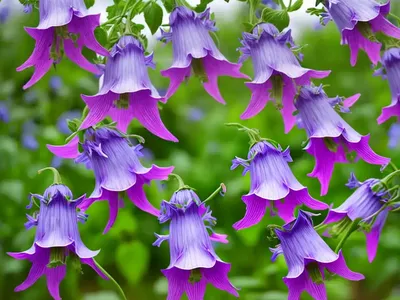
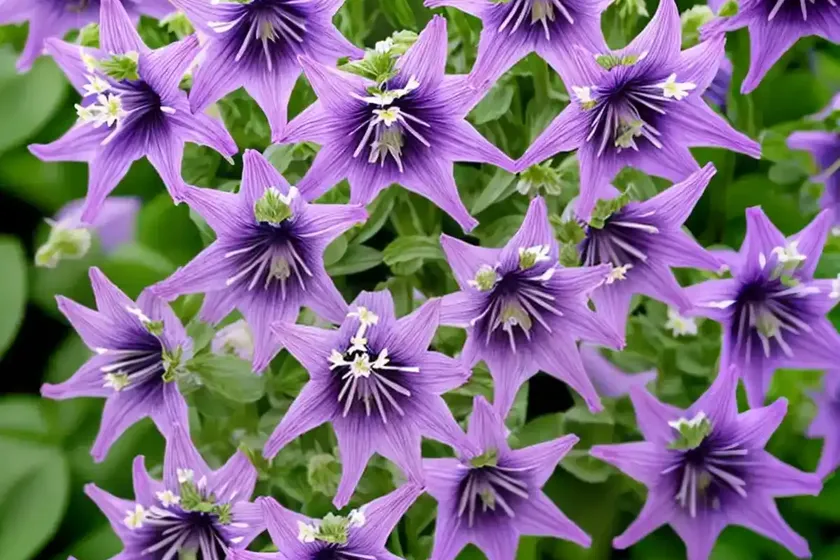
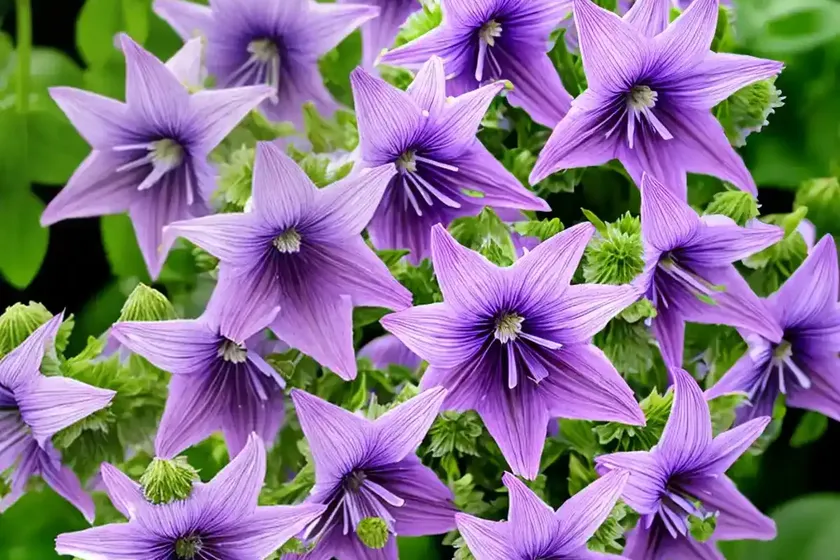
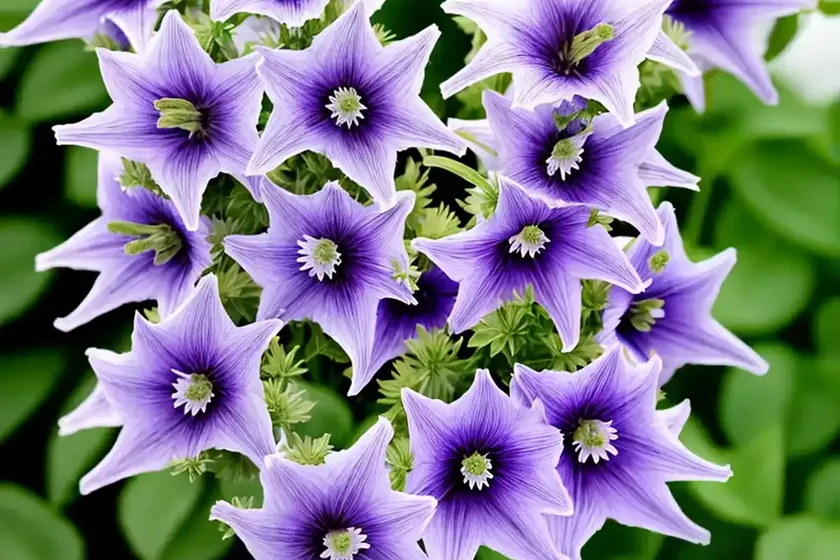
Campanula Glomerata, native to Europe and Asia, is a herbaceous perennial plant belonging to the Campanulaceae family. This striking plant is known for its charming, bell-shaped, violet-blue flowers that bloom in dense clusters, hence the name “Clustered Bellflower.” With its impressive floral display and attractive foliage, Campanula Glomerata is a popular choice for gardens, borders, and naturalistic landscapes.
Key Takeaways – Clustered Bellflower (Campanula Glomerata)
Here are the key takeaways about Clustered Bellflower:
- Plant Name: Clustered Bellflower (Campanula Glomerata)
- Characteristics: Bell-shaped, violet-blue flowers; herbaceous perennial
- Growth Habit: Clumping
- Foliage: Dark green basal leaves
- Cultural Uses: Ornamental, medicinal
- Sunlight: Partial shade to full sun
- Water: Moderate
- Soil: Well-drained, moderately fertile
- Pruning: Deadheading for prolonged blooming
- Propagation: Division, seeds
- Container Popularity: Well-suited for containers
- Common Diseases: Powdery mildew
- Common Pests: Slugs, snails
Now, let’s explore each of these aspects in detail.
Culture
Clustered Bellflower, Campanula Glomerata, is known for its cultural significance and various uses. Understanding its cultural requirements is essential for successful cultivation.
Uses
The primary uses of Campanula Glomerata include:
- Ornamental: Clustered Bellflower is widely prized for its ornamental value, making it an ideal choice for gardens, borders, and landscaping projects. Its vibrant flowers add a pop of color and a touch of elegance to any outdoor space.
- Medicinal: In traditional medicine, certain parts of Campanula Glomerata are used for their medicinal properties. The plant is believed to have therapeutic effects and is used in herbal remedies for certain ailments. However, it is important to consult a healthcare professional before using any plant for medicinal purposes.
Water
Proper watering is crucial for the health and vitality of Clustered Bellflower. Understanding its water requirements and implementing appropriate watering practices is essential.
The water needs of Campanula Glomerata include:
- Moderate Watering: Clustered Bellflower thrives with moderate watering. It is important to maintain consistent soil moisture, especially during dry periods, but avoid waterlogged conditions, as excessive moisture can lead to root rot and other issues.
- Regular Monitoring: Regularly monitor the soil moisture levels to ensure that the plant is receiving adequate water. Adjust the watering frequency based on environmental conditions and the plant’s specific requirements.
Sunlight
Sunlight plays a critical role in the growth and development of Clustered Bellflower. Understanding its sunlight preferences is essential for providing the optimal growing conditions.
Key considerations for sunlight requirements include:
- Partial Shade to Full Sun: Campanula Glomerata is adaptable to various light conditions, ranging from partial shade to full sun. It thrives in locations with partial shade, especially in regions with hot summers, but can also tolerate full sun when provided with adequate moisture and soil protection.
Fertilizer
Proper fertilization is essential for promoting healthy growth and vibrant blooms in Clustered Bellflower. Implementing a suitable fertilizer regimen can enhance the plant’s overall vigor and resilience.
Key considerations for fertilizing Campanula Glomerata include:
- Balanced Fertilizer: Use a balanced fertilizer with a formulation suited for flowering perennials. Apply the fertilizer according to the manufacturer’s instructions, typically in early spring or early summer, to support the plant’s growth and blooming potential.
- Avoid Excessive Fertilization: Refrain from over-fertilizing, as excessive nutrients can lead to excessive foliage growth at the expense of flowers.
Soil
The soil quality significantly impacts the health and performance of Clustered Bellflower. Understanding its soil preferences and implementing proper soil management practices is crucial for successful cultivation.
Important considerations for soil requirements include:
- Well-Drained Soil: Campanula Glomerata thrives in well-drained soil that provides good aeration and prevents waterlogging. Amend heavy or compacted soil with organic matter to improve drainage and create an optimal growing environment for the plant.
- Moderately Fertile Soil: Use moderately fertile soil with adequate levels of organic matter to support the plant’s nutritional needs. Avoid excessively rich soil, as it can lead to lush foliage at the expense of prolific flowering.
Pruning
Pruning and deadheading are integral parts of Clustered Bellflower maintenance, contributing to prolonged blooming and overall plant health. By understanding the pruning requirements and techniques, you can promote the plant’s longevity and aesthetic appeal.
Key considerations for pruning and deadheading include:
- Deadheading Spent Blooms: Regularly remove spent flowers to encourage continuous blooming and prevent self-sowing. Deadheading also improves the plant’s overall appearance and channelizes its energy into new growth and flower production.
- Prune After Flowering: Prune the plant after the blooming period to remove any damaged or overcrowded stems and rejuvenate the foliage. Avoid excessive pruning, as Clustered Bellflower generally maintains an attractive growth habit without extensive interventions.
Propagation
Propagation allows you to expand your Clustered Bellflower collection and share the plant with fellow gardening enthusiasts. Understanding the propagation methods and best practices is vital for successful reproduction.
Key propagation methods for Campanula Glomerata include:
- Division: Divide mature clumps in early spring or fall to create new plants. Carefully separate the root ball into sections, ensuring that each division has sufficient roots and viable growth points. Replant the divisions in prepared soil and provide appropriate care to facilitate establishment.
- Seeds: Collect and sow seeds in well-prepared seed trays or directly in the garden soil. Provide the optimal germination conditions, including adequate moisture and light, to support the seedlings’ development.
Container Popularity
Clustered Bellflower is well-suited for container gardening, offering versatility and aesthetic appeal in various outdoor settings. Understanding the considerations for container cultivation is essential for successful growth.
Key points for container gardening with Campanula Glomerata include:
- Container Selection: Choose spacious containers with adequate drainage holes to provide a suitable environment for the plant’s root system. Select containers that complement the plant’s growth habit and accommodate its mature size.
- Quality Potting Mix: Use a high-quality potting mix with good drainage and aeration properties. Amend the mix with perlite or coarse sand to improve its texture and prevent waterlogging.
Common Diseases
Clustered Bellflower is susceptible to certain diseases, and proactive measures are essential to mitigate the risk of infections. By being aware of common diseases and their symptoms, you can implement effective disease management strategies.
Common diseases affecting Campanula Glomerata include:
- Powdery Mildew: This fungal disease often manifests as a powdery white coating on the plant’s leaves, leading to reduced vigor and aesthetic decline. Proper air circulation, moderate irrigation, and preventive fungicidal treatments can help manage powdery mildew.
Disease Diagnosis
Diagnosing and identifying diseases in Clustered Bellflower is crucial for implementing targeted treatment and control measures. By recognizing the symptoms and signs of common diseases, you can take timely action to protect the plant’s health.
Key aspects of disease diagnosis for Campanula Glomerata include:
- Visual Symptoms: Monitor the plant for symptoms such as powdery white coating on foliage, wilting, leaf spots, and unusual discoloration. Conduct regular inspections to detect early signs of disease and address them promptly.
Common Pests
Pest infestations can negatively impact the health and appearance of Clustered Bellflower. Being aware of common pests and their control measures is essential for preserving the plant’s vitality and aesthetics.
Common pests affecting Campanula Glomerata include:
- Slugs and Snails: These voracious pests can feed on the plant’s tender foliage, leading to unsightly damage. Implement physical barriers, such as copper tape or diatomaceous earth, to deter slugs and snails. Additionally, consider natural predators, such as predatory nematodes, to manage pest populations.
Botanist’s Tips
Expert insights and tips from botanists can provide valuable guidance for the successful cultivation and care of Clustered Bellflower. Incorporating botanist-recommended practices can enhance your gardening experience and the plant’s overall performance.
Botanist’s tips for growing Campanula Glomerata include:
- Promote Biodiversity: Integrate Clustered Bellflower into wildlife-friendly gardens and naturalistic landscapes to support biodiversity and ecological balance. The plant’s nectar-rich blooms attract pollinators, enhancing the overall garden ecosystem.
- Companion Planting: Pair Campanula Glomerata with compatible companion plants to create visually appealing combinations and mutually beneficial growing environments. Consider complementary colors, textures, and growth habits when selecting companion plants for Clustered Bellflower.
Fun Facts
Discovering intriguing and captivating facts about Clustered Bellflower adds a delightful dimension to your gardening journey. Uncover the charming attributes and captivating stories associated with Campanula Glomerata.
Fun facts about Clustered Bellflower (Campanula Glomerata) include:
- Wildlife Attraction: The nectar-rich blooms of Campanula Glomerata attract an array of pollinators, including butterflies and bees, enhancing the garden’s ecological value.
- Cultural Significance: In folklore and traditional stories, bell-shaped flowers are often associated with enchanting tales and symbolism, adding a touch of mystique to Clustered Bellflower.
Links to External Resources
To further expand your knowledge and explore additional information about Clustered Bellflower, refer to the following external resources:
- Royal Horticultural Society – Campanula Glomerata
- University of Minnesota Extension – Growing Perennials
- American Horticultural Society – Plant Care Guides
In conclusion, Clustered Bellflower (Campanula Glomerata) represents a captivating addition to garden spaces, offering a harmonious blend of ornamental appeal, cultural significance, and ecological value. By understanding the plant’s characteristics, cultivation requirements, and uses, you can cultivate and nurture Campanula Glomerata with confidence, enhancing your outdoor environment and experiencing the joy of gardening.
References
- “Campanula Glomerata Plant Care.” Plant Care Today, www.plantcaretoday.com/campanula-glomerata-plant-care.
- “Growing Campanula Glomerata.” The Old Farmer’s Almanac, www.almanac.com/growing-campanula.
- “Seasonal Blooms.” American Horticultural Society, www.ahsgardening.org/seasonal-blooms.
- “Wildlife Gardening.” Royal Horticultural Society, www.rhs.org.uk/wildlife-gardening.