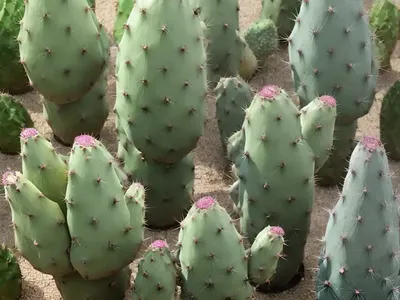
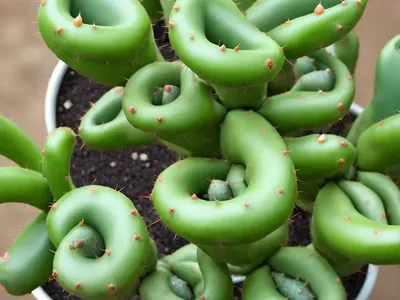
Climbing Cacti (Epiphyllum)
Climbing cacti, also known as Epiphyllums, are unique and stunning plants that belong to the cactus family. These plants are renowned for their ability to.
Introduction
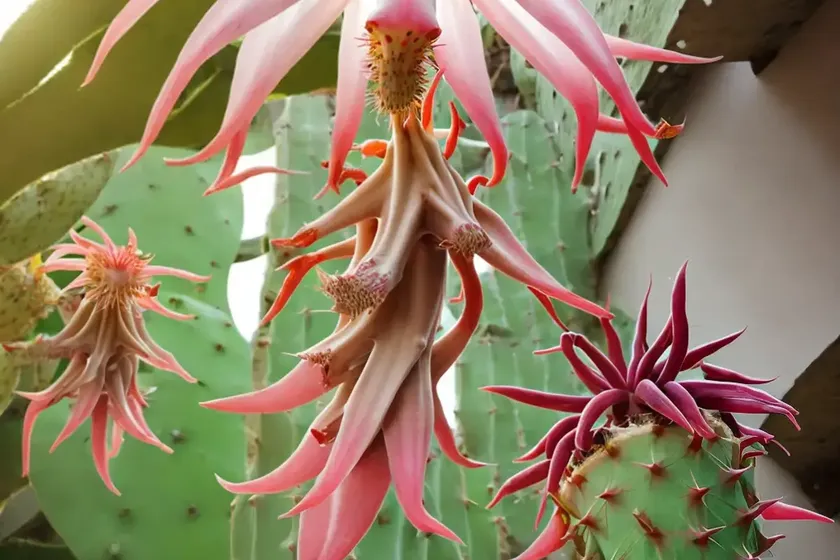
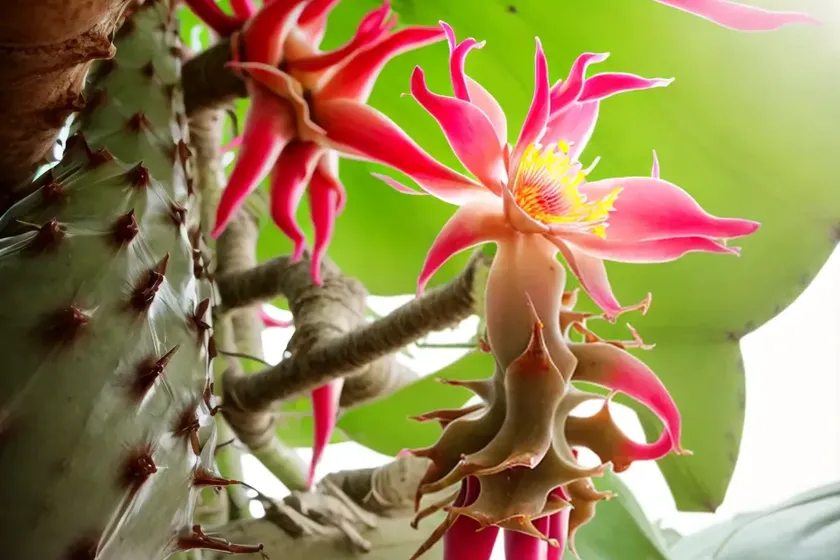
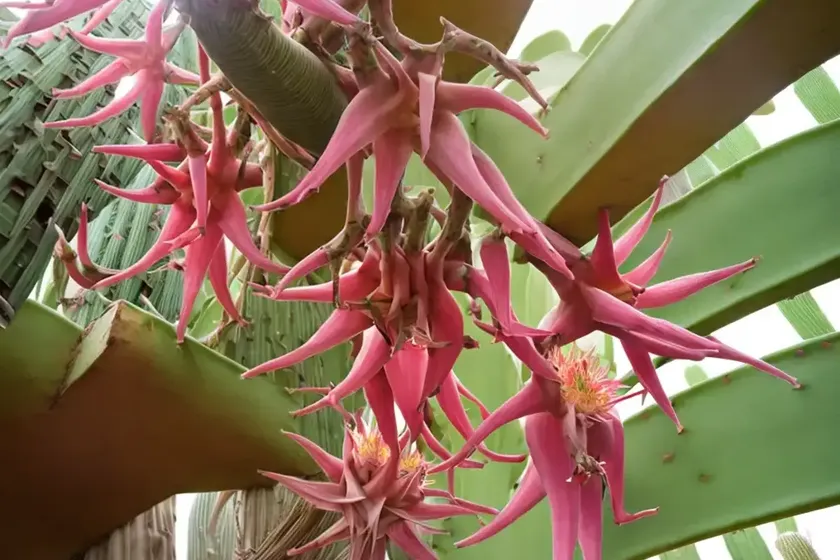
Climbing cacti, also known as Epiphyllums, are unique and stunning plants that belong to the cactus family. These plants are renowned for their ability to climb and their beautiful, vibrant flowers that grace their trailing stems. In this comprehensive guide, we will explore the various aspects of the Epiphyllum, from its cultural needs to propagation techniques, common diseases, and pest control.
Let’s dive into the enchanting world of climbing cacti.
What is a Climbing Cactus (Epiphyllum)?
Climbing cacti, scientifically classified as Epiphyllums, are a genus of epiphytic cacti native to Central America. Unlike typical cacti that grow in arid environments, Epiphyllums are adapted to thrive in the canopies of trees or rocky outcrops. They are characterized by their sprawling, climbing, or trailing growth habits and their exquisite, often fragrant, flowers.
Key Takeaways – Climbing Cacti (Epiphyllum)
Before delving deeper into the care and cultivation of climbing cacti, let’s quickly overview the key takeaways that we will explore in detail:
Culture
- Epiphytic nature of climbing cacti
- Suitable environments for growth
- Unique adaptations for climbing
Uses
- Ornamental purposes
- Decorative hanging baskets
- Vertical gardening
Water
- Proper watering techniques
- Water propagation methods
- Winter watering considerations
Sunlight
- Light requirements for optimal growth
- Outdoor and indoor sunlight preferences
Fertilizer
- Nutritional needs of climbing cacti
- Suitable fertilization practices
Soil
- Specific soil requirements
- Ideal potting mix for Epiphyllums
- Repotting considerations
Pruning
- Pruning techniques for shape and health
- Promoting flowering through pruning
Propagation
- Propagation from cuttings
- Seed propagation
- Water propagation methods
Container
- Choosing appropriate containers
- Potting techniques for climbing cacti
- Considerations for hanging baskets
Popularity
- Growing popularity of climbing cacti
- Collectors’ plants
Common Diseases
- Identification and management of diseases
Disease Diagnosis
- Symptoms of common diseases
- Diagnostic measures
Common Pests
- Pest control for climbing cacti
- Identification and management of pests
Botanist’s Tips
- Expert tips for successful cultivation
- Enhancing the growth and blooming
Fun Facts
- Intriguing and captivating aspects
Links to External Resources
- Further reading and resources for valuable information
Now, let’s explore each of these aspects in detail to understand how to care for and appreciate these fascinating climbing cacti.
Culture
Epiphytic Nature of Climbing Cacti
Like their name suggests, climbing cacti exhibit an epiphytic growth habit, often found growing on other plants or attaching themselves to rocky or tree surfaces. This unique adaptation enables them to thrive in their natural habitat and makes them an intriguing addition to any plant collection.
Suitable Environments for Growth
To mimic their natural habitat, providing a well-draining and slightly acidic growing medium is essential. Additionally, a humid environment in partially shaded areas is favored for optimal growth.
Unique Adaptations for Climbing
Climbing cacti have evolved unique adaptations, such as aerial roots, to anchor themselves onto surfaces and absorb moisture and nutrients. These extraordinary traits make them a fascinating subject of study for botany enthusiasts.
Uses
Ornamental Purposes
One of the primary uses of climbing cacti is for ornamental purposes. Their sprawling growth and vibrant blooms make them a sought-after addition to gardens and indoor spaces.
Decorative Hanging Baskets
Climbing cacti are well-suited for hanging baskets, as their trailing stems cascade gracefully, adding a touch of natural elegance to any space.
Vertical Gardening
Their ability to climb and trail makes climbing cacti an ideal choice for vertical gardening designs, where they can create stunning displays on walls or trellises.
Water
Proper Watering Techniques
Ensuring appropriate soil moisture without waterlogging is crucial for the health of climbing cacti. It is essential to allow the soil to dry slightly between watering to prevent root rot.
Water Propagation Methods
Climbing cacti can be propagated from stem cuttings, which can be rooted in water before being transplanted into the soil. This method is a fascinating way to propagate and grow new plants.
Winter Watering Considerations
During the winter months, it is important to adjust the watering frequency to account for reduced growth and lower water requirements.
Sunlight
Light Requirements for Optimal Growth
Climbing cacti thrive in bright, indirect light. While they can tolerate some direct sunlight, prolonged exposure to harsh sun rays should be avoided.
Outdoor and Indoor Sunlight Preferences
When grown outdoors, they benefit from dappled shade or filtered light. When grown indoors, placing them near a bright window is often ideal.
Fertilizer
Nutritional Needs of Climbing Cacti
Providing a balanced cactus fertilizer during the growing season can help support robust growth and blooming.
Suitable Fertilization Practices
Applying a diluted fertilizer solution according to the manufacturer’s recommendations is advisable to prevent the risk of over-fertilization.
Soil
Specific Soil Requirements
A well-draining, airy potting mix is essential for climbing cacti, mimicking their natural epiphytic conditions.
Ideal Potting Mix for Epiphyllums
A blend of organic matter, such as peat moss or compost, combined with perlite or coarse sand, provides an ideal growing medium for climbing cacti.
Repotting Considerations
Repotting should be performed when the plant has outgrown its current container, typically every few years. It provides an opportunity to refresh the potting mix and assess the plant’s overall health.
Pruning
Pruning Techniques for Shape and Health
Regular pruning helps maintain the desired shape and size of climbing cacti, and it can also promote branching and flowering.
Promoting Flowering through Pruning
Removing spent flowers and trimming back overgrown stems can encourage the plant to produce new blooms and maintain a neat appearance.
Propagation
Propagation from Cuttings
Stem cuttings taken from healthy, mature stems can be rooted to produce new plants, a rewarding and cost-effective way to expand your collection.
Seed Propagation
While slower than propagating from cuttings, growing climbing cacti from seeds allows for the exploration of genetic diversity and the potential to discover unique variations.
Water Propagation Methods
Rooting stem cuttings in water before transferring them to the soil is a fascinating and practical propagation method for climbing cacti.
Container
Choosing Appropriate Containers
Selecting containers with drainage holes is crucial to prevent waterlogging and ensure proper aeration of the roots.
Potting Techniques for Climbing Cacti
Gently nestling the roots of the plant in the potting mix and providing a stable support for climbing stems are essential steps in potting climbing cacti.
Considerations for Hanging Baskets
When using hanging baskets, it’s essential to use a well-draining potting mix and ensure that the basket is equipped to support the weight of the growing plant.
Popularity
Growing Popularity of Climbing Cacti
Climbing cacti, particularly Epiphyllums, have been experiencing a surge in popularity due to their unique growth habit and stunning floral displays.
Collectors’ Plants
Rare and unique cultivars of climbing cacti have garnered attention from collectors and enthusiasts, driving interest in preserving and propagating these extraordinary plants.
Common Diseases
Identification and Management of Diseases
While climbing cacti are generally resilient, they can be susceptible to fungal diseases and root rot if exposed to prolonged moisture or unsuitable growing conditions.
Disease Diagnosis
Symptoms of Common Diseases
Yellowing or browning of stems, wilting, and unusual spotting on leaves are potential indicators of disease. Timely detection and intervention are crucial to prevent the spread of infections.
Diagnostic Measures
Seeking professional advice or utilizing diagnostics tools can aid in accurately identifying and treating diseases affecting climbing cacti.
Common Pests
Pest Control for Climbing Cacti
Despite their hardy nature, climbing cacti can fall victim to common pests such as aphids, scale insects, and spider mites.
Identification and Management of Pests
Regular inspections and maintaining a clean growing environment are effective in preventing and managing pest infestations.
Botanist’s Tips
Expert Tips for Successful Cultivation
- Ensure proper drainage to prevent waterlogging.
- Provide balanced nutrition during the growing season.
- Monitor the plant for signs of distress or disease.
- Adjust watering and fertilization in response to seasonal changes.
Enhancing the Growth and Blooming
- Prune back leggy stems to promote branching and flowering.
- Place the plant in an optimal location with suitable light conditions.
- Regularly groom the plant to maintain its health and aesthetics.
Fun Facts
Intriguing and Captivating Aspects
- Epiphyllum flowers are often fragrant, adding an additional sensory element to their allure.
- Some Epiphyllum species bloom exclusively at night, showcasing their stunning flowers under the moonlight.
- Climbing cacti have been cherished for centuries, with historical records dating back to the Aztec Empire.
Links to External Resources
For further reading and detailed information about climbing cacti (Epiphyllum), consider exploring the following external resources:
-
The Cactus and Succulent Society of America (CSSA): A leading source of knowledge and expertise on cacti and succulents, featuring articles, publications, and community forums.
-
Royal Horticultural Society (RHS): Provides extensive plant care and cultivation guides, including specific information on Epiphyllum species.
-
American Orchid Society (AOS): Offers insights into the cultivation of epiphytic plants and guidance on creating favorable growing conditions.
-
University Cooperative Extension Services: Local extension offices often provide region-specific advice on plant care, including best practices for growing climbing cacti.
-
Cactus and Succulent Society of New South Wales (CSSNSW): Offers resources and events related to cacti and succulent cultivation, including information on climbing cacti care.
-
International Union for Conservation of Nature (IUCN): For information on the conservation status and efforts related to Epiphyllum species and their natural habitat.
Now that we have covered the many aspects of climbing cacti, from their unique adaptations to practical care tips and propagation techniques, you are equipped to embark on a journey of cultivating, admiring, and celebrating these extraordinary plants.
Whether you are an avid plant enthusiast, a novice gardener, or a seasoned botanist, the world of climbing cacti holds fascination and discovery for all who seek to engage with these resilient, captivating, and beautiful plants.