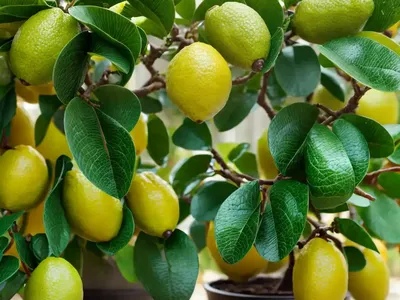
Clementine Mandarin Orange (Citrus Reticulata ‘clementine’)
Clementine Mandarin Orange, scientifically known as Citrus Reticulata ‘Clementine’, is a popular citrus fruit tree loved by many home gardeners and.
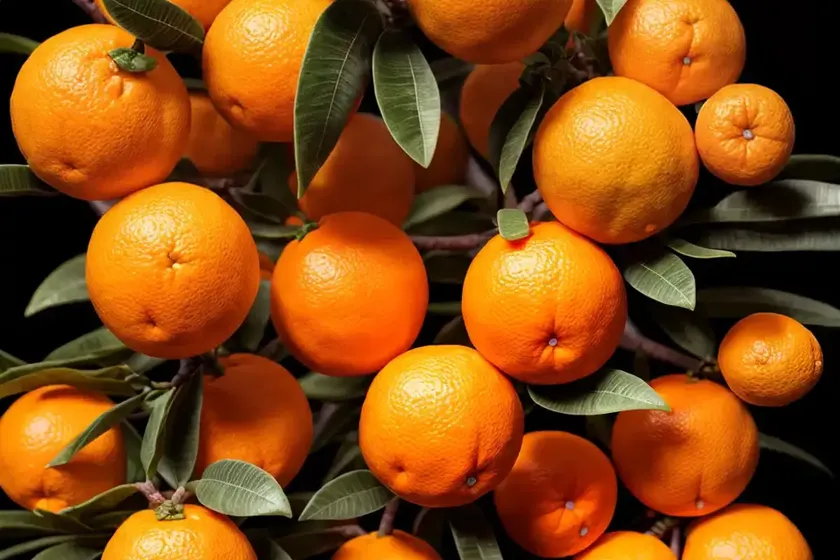
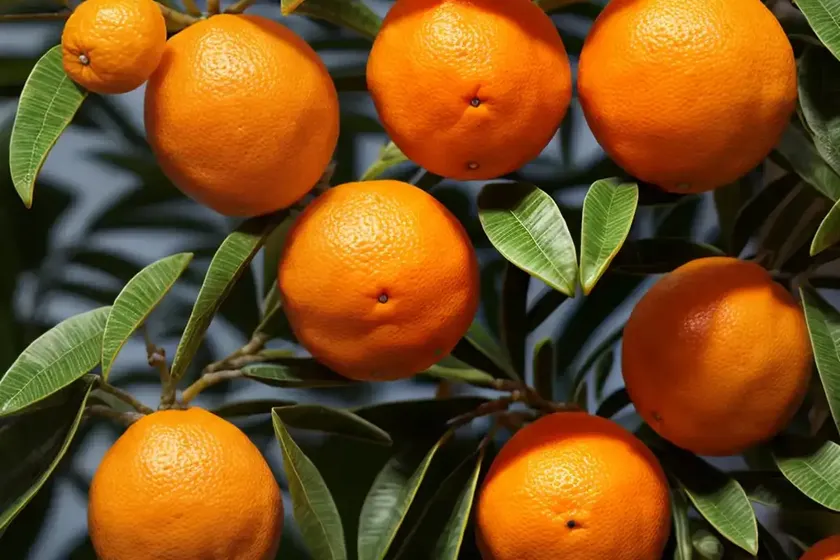
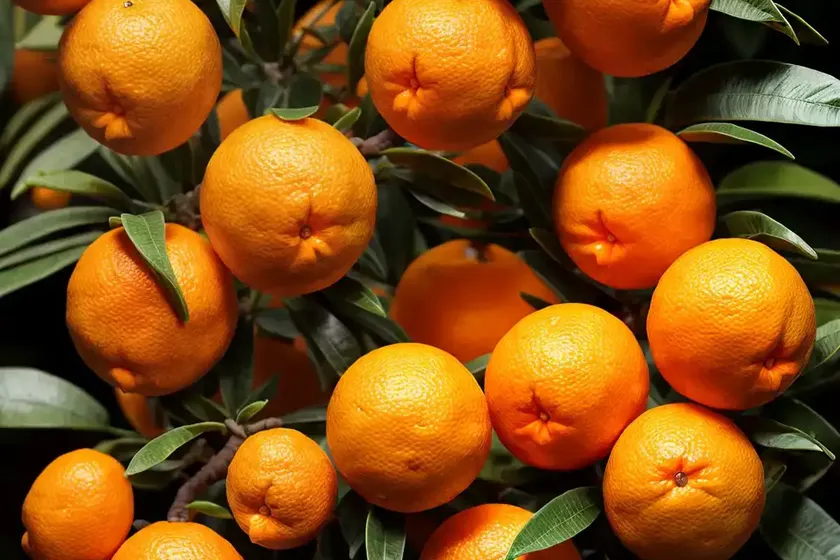
Clementine Mandarin Orange, scientifically known as Citrus Reticulata ‘Clementine’, is a popular citrus fruit tree loved by many home gardeners and commercial growers alike. This small, evergreen tree belongs to the Rutaceae family and is known for its sweet and juicy fruits. In this comprehensive plant guide, we will delve into the culture, uses, cultivation requirements, common diseases, and essential tips for growing and maintaining Clementine Mandarin Orange.
What is Plant: Clementine Mandarin Orange (Citrus Reticulata ‘Clementine’)
Clementine Mandarin Orange is a variety of mandarin orange that is likely a hybrid between a sweet orange and a mandarin. It is a relatively small tree, reaching heights of up to 8 to 10 feet. The plant is renowned for its clusters of small, glossy leaves and fragrant white blossoms. The fruits are typically small and seedless, with a deep orange, smooth, and glossy exterior. Internally, the fruit is easy to peel and is divided into 7 to 14 segments, bursting with flavor and sweetness.
The Clementine Mandarin Orange tree produces fruits typically packed with vitamin C, making it not only a delightful addition to your garden but also a nutritious one. With the right care and attention, this citrus tree can thrive and provide an abundant harvest of these delectable fruits, making it a valuable asset to any home orchard or garden landscape.
Key Takeaways – Clementine Mandarin Orange (Citrus Reticulata ‘Clementine’)
In this section, we will examine the essential aspects of cultivating and caring for Clementine Mandarin Orange. These include the cultural requirements, uses, common diseases and pests, propagation, and other interesting and vital information about this citrus variety.
Culture
The culture of the Clementine Mandarin Orange encompasses the practices related to its growth, care, and management, including suitable conditions and best practices for its overall well-being.
Uses
The uses of the Clementine Mandarin Orange extend beyond just its delightful fruits. This section will explore both the practical and culinary uses of this plant.
Water
Understanding the watering needs and practices for Clementine Mandarin Orange is crucial in maintaining its health and promoting fruitful growth.
Sunlight
Clementine Mandarin Orange, like other citrus plants, has specific sunlight requirements that are vital for its growth, flowering, and fruiting.
Fertilizer
Fertilization is a fundamental aspect of caring for Clementine Mandarin Orange. The right nutrients in the right proportion can significantly impact the health and productivity of the plant.
Soil
The type of soil and its characteristics play a pivotal role in the successful growth and development of Clementine Mandarin Orange.
Pruning
Pruning is an essential horticultural practice that can help shape the tree, promote fruitfulness, and maintain its overall health.
Propagation
Understanding the various methods of propagation can allow for the expansion of Clementine Mandarin Orange plantings and conserving desirable traits.
Container Popularity
Clementine Mandarin Orange’s adaptability to container growing makes it a popular choice for those with limited garden space or for those who prefer growing plants in pots.
Container Common Diseases
Clementine Mandarin Orange can face some common diseases when grown in containers. It is important to be aware of these potential issues and ways to address them.
Disease Diagnosis
Identifying and understanding common diseases that affect Clementine Mandarin Orange is essential for implementing effective management practices and ensuring a healthy plant.
Common Pests
Pests can pose a threat to the health and productivity of Clementine Mandarin Orange. Identifying and managing common pests is a crucial part of plant care.
Botanist’s Tips
Insights and tips from botanists can offer valuable advice and knowledge on successfully growing and caring for Clementine Mandarin Orange.
Fun Facts
Exploring some interesting and lesser-known facts about Clementine Mandarin Orange can deepen our appreciation for this remarkable plant.
Links to External Resources
External resources can further supplement and enhance our understanding of Clementine Mandarin Orange, offering additional tips, advice, and expert insights.
Now that we have outlined the key components of this guide, let’s dive into each of these sections, exploring the nuances and intricacies of cultivating and caring for Clementine Mandarin Orange.
Culture
Cultivating Clementine Mandarin Orange involves understanding the plant’s cultural needs, including appropriate growing conditions, maintenance practices, and overall care requirements. By providing an environment conducive to its growth, this remarkable citrus tree can thrive and produce an abundance of delightful fruits.
Uses
The uses of Clementine Mandarin Orange are diverse and extend beyond mere ornamentation or fruit production. Understanding how this plant can be utilized in different contexts enriches our appreciation for this citrus variety.
Practical Uses
- Ornamental: The Clementine Mandarin Orange tree is prized for its attractive appearance, with glossy leaves and fragrant blossoms. It is often used as an ornamental plant in gardens and landscapes.
- Decorative: The vibrant, orange fruit adds color and visual interest to the garden, making it an ideal choice for decorative purposes.
- Hedge: In suitable climates, multiple Clementine Mandarin Orange trees can be planted to form a dense, evergreen hedge, providing privacy and beauty.
Culinary Uses
- Fresh Consumption: The sweet, juicy fruits are a delightful snack and a popular choice for fresh consumption.
- Juice and Flavoring: Clementine Mandarin Orange juice can be enjoyed fresh or used for flavoring various culinary creations.
- Marmalades and Preserves: The fruit’s sweet flavor and high pectin content make it an excellent choice for making marmalades and preserves.
Water
Proper watering is crucial for the health and productivity of Clementine Mandarin Orange. Understanding the plant’s water requirements and implementing appropriate watering practices can help avoid issues such as fruit drop, blossom-end rot, and other water-related problems.
Watering Needs
- Young Trees: Newly planted or young Clementine Mandarin Orange trees require regular watering to establish their root systems. During dry periods, provide ample water to ensure proper growth and development.
- Established Trees: Mature trees generally have deeper root systems and can tolerate drier conditions. However, regular watering, especially during flowering and fruit development, is essential for optimal fruit production. Deep, infrequent watering is preferred over frequent shallow watering.
Water Quality
- Quality water that is free from contaminants and salts is crucial for the health of Clementine Mandarin Orange. If using water with high mineral content, periodic leaching may be necessary to prevent salt buildup in the soil.
Sunlight
Clementine Mandarin Orange, like most citrus plants, requires ample sunlight for optimal growth, flowering, and fruiting. Understanding its sunlight requirements is essential for selecting suitable planting locations and promoting vigorous growth.
Sunlight Requirements
- Full Sun: Clementine Mandarin Orange thrives in full sunlight, ideally receiving at least 6 to 8 hours of direct sunlight per day. Placing the tree in a location with maximum sun exposure is essential for fruit production and overall plant health.
- Southern Exposure: In regions with colder climates, positioning the tree in a southern exposure can help maximize sunlight exposure and aid in protecting the plant from frost and cold temperatures.
Fertilizer
Fertilization plays a critical role in supplying essential nutrients to Clementine Mandarin Orange, ensuring healthy growth, flowering, and fruit development. Understanding the plant’s fertilizer requirements and implementing a suitable fertilization regimen is vital for its overall vitality.
Fertilizer Composition
- Balanced NPK: A balanced fertilizer with equal or near-equal proportions of nitrogen (N), phosphorus (P), and potassium (K) supports overall plant health and fruit production.
- Micronutrients: Adding micronutrients such as iron, zinc, and magnesium can address any potential deficiencies and promote robust growth.
Fertilization Schedule
- Young Trees: Newly planted or young Clementine Mandarin Orange trees benefit from regular, light applications of fertilizer during the growing season. Avoid excessive applications during the first year to prevent potential damage to the young root system.
- Mature Trees: Established trees can be fertilized three to four times a year, with the primary applications occurring in early spring before new growth emerges and in late summer to support fruit development.
Soil
Understanding the soil requirements and characteristics suitable for Clementine Mandarin Orange is essential for providing the right growing medium for the plant. A well-draining, nutrient-rich soil is crucial for promoting healthy root development and overall growth.
Soil Type
- Well-Draining: Clementine Mandarin Orange thrives in well-draining soils to prevent waterlogged conditions, which can lead to root rot and other water-related issues.
- pH Level: The ideal soil pH for Clementine Mandarin Orange ranges from 6.0 to 7.5, providing an optimal environment for nutrient uptake and overall plant health.
Soil Amendments
- Organic Matter: Incorporating organic matter such as compost or well-rotted manure into the soil can improve its structure, water retention, and nutrient content.
- Mulching: Applying a layer of organic mulch around the base of the tree helps retain soil moisture, suppresses weeds, and adds organic matter to the soil as it decomposes.
Pruning
Pruning is an essential practice in maintaining the health, shape, and productivity of Clementine Mandarin Orange. Proper pruning can promote air circulation, remove dead or diseased growth, and encourage optimal fruit production.
Pruning Objectives
- Shape and Structure: Pruning can help maintain a desirable shape and structure for the Clementine Mandarin Orange tree, promoting an open canopy for improved sunlight penetration and air circulation.
- Disease Management: Regular pruning can facilitate the removal of diseased or damaged branches, reducing the risk of disease spread and fostering overall plant health.
Pruning Techniques
- Thinning: Thin out excessive or crowded growth to promote air circulation and reduce the risk of pest and disease issues.
- Removal of Suckers: Remove any vigorous shoots or suckers that emerge from the base of the tree to direct the plant’s energy towards productive growth.
Propagation
Understanding the various methods of propagating Clementine Mandarin Orange, including from seed, cuttings, and grafting, can facilitate the expansion of plantings and the preservation of desirable traits.
Propagation Methods
- Seed Propagation: Growing Clementine Mandarin Orange from seed can yield unique genetic variations and is an accessible method for home gardeners. However, keep in mind that seed-grown plants may not necessarily maintain the same characteristics as the parent plant.
- Cuttings: Propagating from semi-hardwood or hardwood cuttings can allow for the production of genetically identical plants, preserving desirable traits such as fruit quality and disease resistance.
- Grafting: Grafting onto suitable rootstocks is a common practice in propagating Clementine Mandarin Orange commercially, imparting specific traits such as disease resistance, improved vigor, and adaptability to different soil conditions.
Container Popularity
The adaptability of Clementine Mandarin Orange to container growing makes it a popular choice for home gardeners with limited space or those seeking the convenience of growing plants in pots.
Advantages of Container Growing
- Limited Space: Growing Clementine Mandarin Orange in containers is ideal for urban or small-space gardening, allowing individuals with limited outdoor space to enjoy cultivating citrus fruits.
- Portability: Containers offer the flexibility to move the plant to an optimal location based on sunlight availability, temperature fluctuations, and aesthetic preferences.
- Cold Protection: During colder months, potted Clementine Mandarin Orange trees can be moved indoors or to a sheltered location, protecting them from frost and cold temperatures.
Container Common Diseases
Growing Clementine Mandarin Orange in containers presents unique challenges, including susceptibility to certain diseases that are more prevalent in potted plants. Being aware of these common diseases can help in implementing preventive measures and appropriate management practices.
Common Diseases in Container-Grown Clementine Mandarin Orange
- Root Rot: Overwatering or poorly draining potting mix can lead to root rot, causing wilting, leaf discoloration, and overall decline in plant health.
- Powdery Mildew: High humidity levels and inadequate air circulation in a container environment can contribute to the development of powdery mildew on the foliage.
Disease Diagnosis
Diagnosing and addressing common diseases that affect Clementine Mandarin Orange is vital for implementing effective management practices and ensuring a healthy plant.
Symptoms and Diagnosis
- Root Rot: Wilted, discolored foliage, particularly in the absence of water stress, can indicate the presence of root rot. Gently removing the plant from the pot and inspecting the roots can reveal mushy, brown, or black roots.
- Powdery Mildew: The presence of powdery, white fungal growth on the leaves, stems, and fruit is indicative of powdery mildew. Affected areas may also exhibit stunted growth and distorted leaves.
Common Pests
Pests can pose a threat to the health and productivity of Clementine Mandarin Orange, particularly when grown in containers. Identifying and managing common pests is essential for maintaining a thriving plant.
Common Pests in Container-Grown Clementine Mandarin Orange
- Aphids: These small, soft-bodied insects can cluster on the undersides of leaves, sucking plant juices and potentially transmitting viruses.
- Spider Mites: These tiny pests can cause stippling, webbing, and overall decline in plant vigor, particularly in dry, indoor settings.
Botanist’s Tips
Insights from botanists can offer valuable advice and knowledge on successfully growing and caring for Clementine Mandarin Orange, drawing from scientific principles and empirical observations.
Botanical Insights
- Soil Health: Botanists emphasize the importance of maintaining soil health, including proper drainage, nutrient balance, and pH levels, to support the overall well-being of Clementine Mandarin Orange.
- Pruning Practices: Botanists stress the significance of proper pruning techniques, such as timing, precision cuts, and disease prevention, in promoting the long-term health and productivity of the plant.
Fun Facts
Exploring some intriguing and lesser-known facts about Clementine Mandarin Orange can deepen our appreciation for this remarkable plant.
Interesting Tidbits
- Hybrid Origin: Clementine Mandarin Orange is believed to be a hybrid between a sweet orange and a mandarin, with its precise origins and parentage still a subject of debate among citrus enthusiasts and researchers.
- Seedless Variants: The Clementine variety is renowned for its seedless fruits, making it a convenient and enjoyable snacking fruit.
Links to External Resources
External resources, such as university extension publications, gardening websites, and scientific journals, can provide invaluable information, tips, and insights on the cultivation and care of Clementine Mandarin Orange.
Recommended External Resources
- University Extension Guides: The comprehensive guides from reputable university extensions often offer detailed information on citrus cultivation and care, including specific recommendations for Clementine Mandarin Orange.
- Citrus Specialist Websites: Websites maintained by citrus specialists and horticulturists can provide expert advice, troubleshooting tips, and the latest research findings related to growing citrus plants.
As we’ve delved into the critical facets of cultivating and caring for Clementine Mandarin Orange, we’ve explored its cultural requirements, uses, essential care practices, common diseases and pests, propagation, and intriguing facts. By understanding and implementing these insights, you can foster the health and productivity of this delightful citrus tree, reaping the rewards of its sweet and juicy fruits.
So whether you’re a home gardener with a passion for growing citrus fruits, a landscape enthusiast seeking an ornamental and practical addition to your garden, or a commercial grower interested in the diverse uses of Clementine Mandarin Orange, this plant guide offers comprehensive knowledge to help you successfully cultivate and enjoy this remarkable citrus variety.
References:
1. University of California Agriculture and Natural Resources, “Citrus for the Home Garden,” https://ucanr.edu/sites/Gardenweb/files/29045.pdf
2. University of Florida IFAS Extension, “Citrus Culture in the Home Landscape,” https://edis.ifas.ufl.edu/pdffiles/HS/HS13200.pdf
3. Citrus Industry Magazine, “Citrus Trees for the Home Landscape,” https://citrusindustry.net/2015/09/23/citrus-trees-for-the-home-landscape/
4. Texas A&M AgriLife Extension, “Growing Fruit in Containers,” https://agrilifeextension.tamu.edu/library/gardening/container-fruit-vegetable-gardening/