Clematis X Triternata ‘Rubromarginata’)
Clematis x triternata ‘Rubromarginata’ is a stunning and versatile flowering vine that can add a touch of elegance and charm to any garden or landscape..
Clematis x triternata ‘Rubromarginata’ is a stunning and versatile flowering vine that can add a touch of elegance and charm to any garden or landscape. This article aims to provide a comprehensive guide for plant enthusiasts, gardeners, and horticulturists who wish to cultivate and care for this beautiful Clematis cultivar. From its cultural requirements and uses to pruning and propagation techniques, this guide covers everything you need to know to ensure the successful growth and maintenance of Clematis x triternata ‘Rubromarginata’.
What is Clematis x triternata ‘Rubromarginata’?
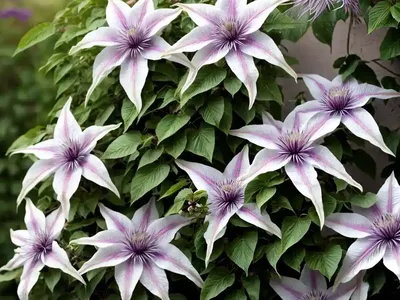
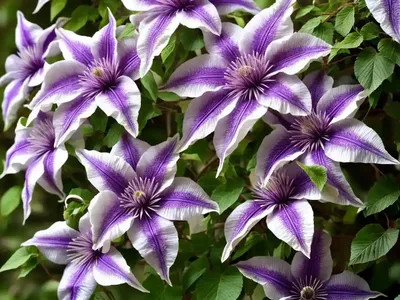
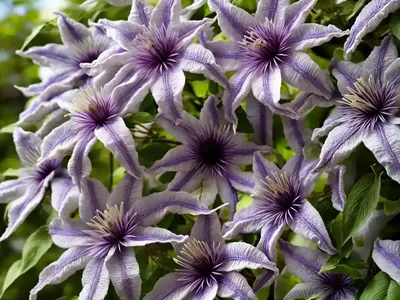
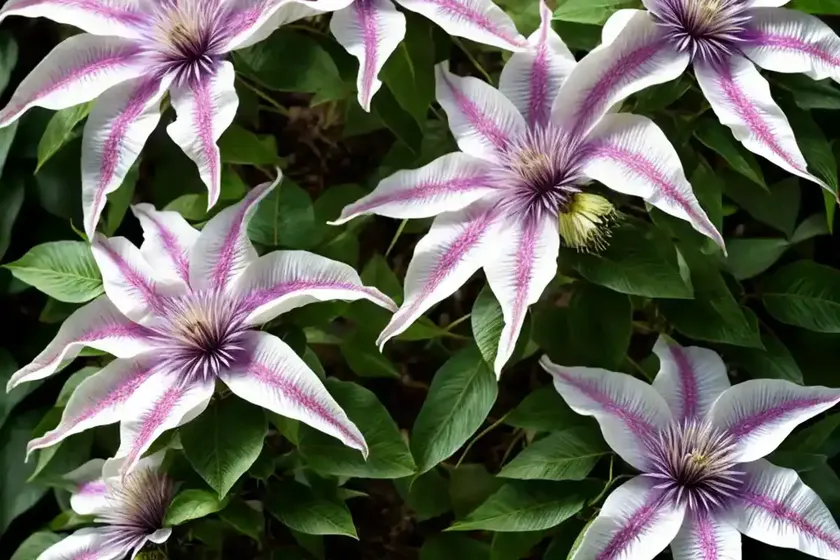
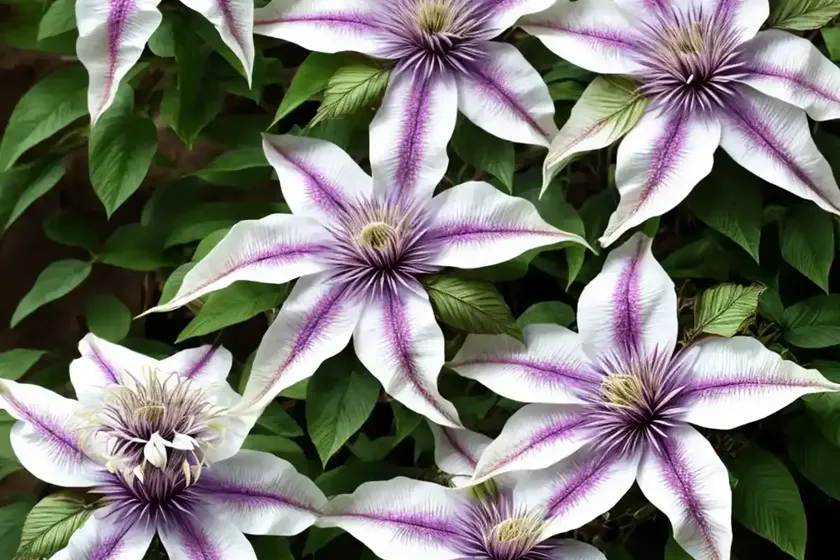
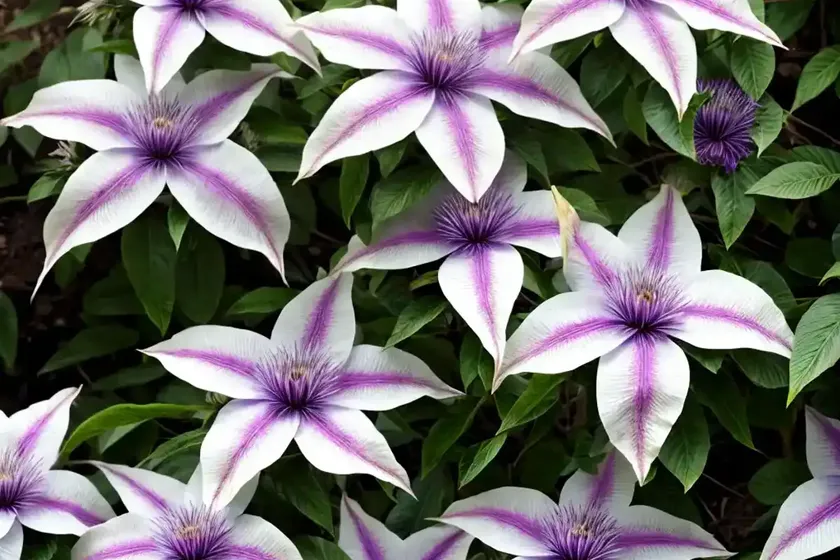
Clematis x triternata ‘Rubromarginata’ is a hybrid variety of Clematis, a genus of about 300 species of mostly climbing plants in the buttercup family, Ranunculaceae. This particular cultivar is highly valued for its striking red-edged white flowers, and it is a vigorous climber, making it an excellent choice for trellises, arbors, and other vertical supports in the garden.
Key Takeaways
For a quick overview, here are some key points to keep in mind when cultivating and caring for Clematis x triternata ‘Rubromarginata’:
- Clematis x triternata ‘Rubromarginata’ is a stunning flowering vine prized for its red-edged white flowers.
- It is a climbing plant and requires proper support such as trellises or arbors.
- Clematis x triternata ‘Rubromarginata’ requires well-draining soil and regular watering, especially during the growing season.
- Full to partial sunlight is essential for optimal growth and flowering.
- Proper pruning is necessary to maintain the health and shape of the plant.
- Clematis x triternata ‘Rubromarginata’ can be propagated through various methods, including seed sowing and stem cuttings.
With these key takeaways in mind, let’s delve deeper into the specific cultural requirements, uses, and maintenance practices for this delightful Clematis variety.
Culture
Clematis x triternata ‘Rubromarginata’ has specific cultural requirements that are essential for its successful growth and development. Below are the key factors to consider when cultivating this beautiful flowering vine:
Water
Water is crucial for the healthy growth and blooming of Clematis x triternata ‘Rubromarginata’. During the growing season, which typically spans spring to early fall, it is important to keep the soil consistently moist but not waterlogged. Adequate watering helps promote robust growth and encourages the plant to produce an abundance of flowers.
Sunlight
Proper sunlight exposure is essential for the overall health and flowering performance of Clematis x triternata ‘Rubromarginata’. Plant this variety in a location that receives full to partial sunlight, ensuring that it gets at least 6 hours of direct sunlight per day. Insufficient sunlight may lead to reduced flowering and weaker growth.
Fertilizer
Fertilizing Clematis x triternata ‘Rubromarginata’ is important for providing the necessary nutrients for vigorous growth and prolific flowering. Use a balanced, slow-release fertilizer formulated for flowering vines in the early spring as new growth begins. Additionally, a light application of fertilizer during the growing season can further support the plant’s nutritional needs.
Soil
Well-draining, fertile soil is crucial for the optimal growth of Clematis x triternata ‘Rubromarginata’. It thrives in slightly alkaline or neutral soil with good moisture retention. Adding organic matter such as compost or well-rotted manure when planting and during the growing season can help maintain soil fertility and structure.
Pruning
Pruning plays a significant role in maintaining the health, shape, and flowering potential of Clematis x triternata ‘Rubromarginata’. Understanding the different pruning groups and techniques is essential for effective pruning practices. The following are general guidelines for pruning this Clematis variety:
Pruning Group
Clematis x triternata ‘Rubromarginata’ belongs to Group 3, which includes varieties that flower on new growth. Prune these Clematis types in late winter or early spring before new growth emerges. This group of Clematis can be pruned back hard to encourage vigorous growth and prolific flowering.
Pruning Techniques
- Late Winter Pruning: In late winter or early spring, cut back the previous year’s growth to a pair of strong buds about 12 to 18 inches above the ground. This rejuvenates the plant and encourages the development of new flowering shoots.
- Deadheading: Remove spent flowers promptly to encourage continuous blooming and prevent the formation of seed heads, which can divert the plant’s energy from producing new flowers.
Proper pruning not only helps maintain a tidy and well-shaped plant but also stimulates new growth and ensures abundant flowering.
Propagation
Clematis x triternata ‘Rubromarginata’ can be propagated through several methods, including seed sowing, stem cuttings, and layering. Each propagation technique has its own requirements and success rates. Below are the basic guidelines for propagating this Clematis cultivar:
Seed Sowing
- Collect mature seeds from the plant during the late summer or early autumn.
- Sow the seeds in well-draining, sterile seed-starting mix, covering them lightly with soil.
- Keep the soil consistently moist and provide warmth and bright, indirect light.
- Germination may take several weeks to months, so be patient and provide the necessary care for the seedlings.
Stem Cuttings
- Take 4- to 6-inch long cuttings from healthy, non-flowering stems in the early summer.
- Remove the lower leaves and dip the cut end in a rooting hormone.
- Plant the cuttings in a sterile potting mix and keep them consistently moist while providing bright, indirect light.
- Roots should form within a few weeks to a couple of months, after which the young plants can be potted up individually.
Layering
- Select a healthy, low-growing stem that can be easily bent down to the ground.
- Make a shallow wound on the underside of the stem and bury the wounded portion in moist soil.
- Keep the soil consistently moist and wait for roots to develop from the buried portion.
- Once roots have established, the new plant can be separated from the parent and transplanted.
These propagation methods can be rewarding and offer the opportunity to expand your Clematis collection or share this beautiful plant with friends and fellow gardening enthusiasts.
Container Popularity
Clematis x triternata ‘Rubromarginata’ is a popular choice for container gardening for several reasons. Its vigorous climbing habit and stunning flowers make it an attractive addition to patios, balconies, and other outdoor spaces. When growing Clematis x triternata ‘Rubromarginata’ in containers, consider the following tips for success:
- Large Containers: Use large containers with ample room for root development. A container with a trellis or other support structure is ideal for accommodating the plant’s climbing nature.
- Well-Draining Soil: Ensure the container has well-draining soil to prevent waterlogged conditions, which can lead to root rot.
- Regular Watering: Container plants often require more frequent watering, especially during hot, dry periods. Check the soil moisture regularly and water as needed to maintain consistent moisture levels.
- Appropriate Support: Provide a sturdy trellis or obelisk within the container to support the climbing vines and prevent them from becoming tangled or misshapen.
With the right container and proper care, Clematis x triternata ‘Rubromarginata’ can thrive and bring beauty to any outdoor living space.
Common Diseases
Like many plants, Clematis x triternata ‘Rubromarginata’ is susceptible to certain diseases that can affect its overall health and vigor. Being aware of these common diseases and their symptoms is crucial for timely intervention and management. Some of the common diseases that may affect this Clematis variety include:
- Clematis Wilt: This fungal disease can cause wilting, browning, and sudden collapse of the plant. The stems may exhibit dark discoloration, and the entire plant can decline rapidly if not treated promptly.
- Powdery Mildew: Powdery mildew appears as a white, powdery coating on the leaves and stems, often leading to leaf distortion and reduced vigor.
- Botrytis Blight: This fungal disease can cause brown spots on the leaves and stems, as well as fuzzy gray mold on affected plant parts.
Disease Diagnosis
Diagnosing diseases in Clematis x triternata ‘Rubromarginata’ involves careful observation of the plant’s symptoms and conducting necessary tests if needed. Here are some steps to help diagnose potential diseases:
- Symptom Identification: Look for specific symptoms such as wilting, discoloration, spotting, or unusual growth patterns.
- Laboratory Tests: In cases where a definitive diagnosis is required, consider sending samples to a plant pathology laboratory for analysis.
Early detection and proper diagnosis are crucial for implementing effective disease management strategies and preventing the spread of diseases within the garden.
Common Pests
Clematis x triternata ‘Rubromarginata’ may also be vulnerable to attacks from various pests that can compromise its health and vitality. Some common pests that may affect this Clematis variety include:
- Aphids: These tiny, soft-bodied insects can congregate on the undersides of leaves and suck sap from the plant, leading to stunted growth and distorted foliage.
- Spider Mites: Spider mites are tiny arachnids that can cause stippling and webbing on the leaves, leading to reduced photosynthetic activity and overall decline in plant health.
- Slugs and Snails: These mollusks can feed on Clematis foliage, leaving behind large irregular holes and compromising the plant’s aesthetic appeal.
Implementing proactive pest management measures, such as regular inspections and the use of organic or chemical controls when necessary, can help minimize pest damage and protect the plant’s vitality.
Botanist’s Tips
As a botanist or plant enthusiast, there are several tips and considerations that can enhance the success of growing and caring for Clematis x triternata ‘Rubromarginata’:
- Support Structure: Provide a sturdy trellis, arbor, or other support structure to accommodate the plant’s climbing habit and prevent the vines from becoming tangled or damaged.
- Regular Monitoring: Keep a close eye on the plant for signs of pests, diseases, or other issues, and take proactive measures to address any problems promptly.
- Proper Pruning: Adhere to the recommended pruning guidelines for Group 3 Clematis to promote vigorous growth and prolific flowering each season.
Utilizing these botanist’s tips can help ensure the healthy and vibrant growth of Clematis x triternata ‘Rubromarginata’ in gardens and landscapes.
Fun Facts
- Clematis x triternata ‘Rubromarginata’ is known for its fragrant flowers, adding a delightful sensory experience to the garden.
- This Clematis variety is an excellent choice for attracting pollinators such as butterflies and bees, contributing to the overall ecological balance in the garden.
- The vines of Clematis x triternata ‘Rubromarginata’ can reach impressive heights, creating a striking vertical element in the landscape.
These fun facts add to the allure of cultivating Clematis x triternata ‘Rubromarginata’ and showcase its unique attributes within the garden setting.
Links to External Resources
For further information and resources on Clematis x triternata ‘Rubromarginata’, consider exploring the following links:
- Clematis x triternata by the Royal Horticultural Society
- Clematis Care Guide by the American Clematis Society
- Growing Clematis in Containers by Fine Gardening
- Diagnosing Plant Diseases by the University of Massachusetts Amherst
These external resources offer valuable insights, tips, and guidance for successfully growing and caring for Clematis x triternata ‘Rubromarginata’ in various garden settings.
In conclusion, Clematis x triternata ‘Rubromarginata’ is a captivating and rewarding plant to cultivate, offering a profusion of elegant, red-edged white flowers and a vigorous climbing habit. By adhering to the recommended cultural practices, proactive maintenance, and attentive care, gardeners can enjoy the beauty and splendor of this Clematis variety within their outdoor spaces. Whether grown in the ground or in containers, Clematis x triternata ‘Rubromarginata’ contributes a touch of charm and sophistication to gardens, arbors, and trellises, making it a beloved addition to any landscape.
Remember to take advantage of the external resources and consult with local gardening experts for personalized advice and recommendations tailored to your specific growing conditions and regional climate. Happy gardening and may your Clematis x triternata ‘Rubromarginata’ thrive in all its red-bordered splendor!