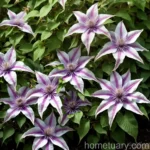
Clematis ‘The Countess of Wessex’ (Early Large-Flowered Clematis)
Clematis ‘The Countess of Wessex’ is an enchanting and elegant early large-flowered clematis known for its stunning blooms and vigorous growth habit. It is a popular choice among gardeners who seek to add vertical interest and vibrant colors to their landscapes. As a plant scientist, I am thrilled to delve into the intricacies of this beautiful clematis variety.
What is Clematis ‘The Countess of Wessex’?
Clematis ‘The Countess of Wessex’ is a deciduous vine that belongs to the Ranunculaceae family. This delightful clematis variety is renowned for its striking, large, mauve-pink flowers that adorn the vine during the early summer months. The blossoms exhibit a remarkable contrast with their prominent dark red anthers, enhancing the overall visual appeal of the plant.
Key Takeaways
- Plant Type: Deciduous Vine
- Flower Color: Mauve-Pink with Dark Red Anthers
- Flowering Period: Early Summer
- Notable Feature: Large, Showy Flowers
- Growth Habit: Vigorous Climber
Culture
Uses
Clematis ‘The Countess of Wessex’ serves as a remarkable ornamental plant in a variety of settings. Its captivating blooms make it an ideal choice for adorning trellises, arbors, and fences, adding vertical interest to gardens and landscapes.
Water
Proper watering is essential for the health and vitality of Clematis ‘The Countess of Wessex.’ It thrives when the soil is kept consistently moist, especially during the growing season. However, it is crucial to ensure that the plant does not remain waterlogged, as this can lead to root rot.
Sunlight
This early large-flowered clematis variety favors a position with full sun to part shade. While it appreciates the warmth of the sun, it benefits from some respite during the hottest hours of the day, especially in regions with intense summer heat.
Fertilizer
Regular fertilization can significantly contribute to the robust growth and prolific flowering of Clematis ‘The Countess of Wessex.’ Applying a balanced, slow-release fertilizer in early spring helps provide essential nutrients for the plant’s development.
Soil
Clematis ‘The Countess of Wessex’ thrives in well-draining, fertile soil that retains some moisture. A neutral to slightly alkaline soil pH is optimal for promoting healthy growth and abundant flowering.
Pruning
Pruning plays a pivotal role in maintaining the vigor and blooming capacity of Clematis ‘The Countess of Wessex.’ Its flower buds form on the previous season’s growth, necessitating careful pruning to ensure the preservation of these buds and encourage new growth.
Propagation
The propagation of Clematis ‘The Countess of Wessex’ can be achieved through several methods, including:
– Softwood Cuttings: Softwood cuttings taken in late spring or early summer can be utilized to propagate new plants with the same characteristics as the parent plant.
– Layering: Ground layering is another effective way to propagate this clematis variety. By encouraging the development of roots on a low-growing stem and then separating it, new plants can be established.
Container Popularity
Clematis ‘The Countess of Wessex’ is well-suited for container cultivation, adding a touch of elegance and color to patios, balconies, and small outdoor spaces. When grown in containers, it is essential to provide adequate support for the vine to climb and thrive.
Common Diseases
While Clematis ‘The Countess of Wessex’ is generally robust, it is susceptible to certain diseases that may impact its health and vigor. Common diseases include:
– Clematis Wilt: This fungal disease can cause wilting and browning of the foliage, often leading to the collapse of the entire plant.
– Powdery Mildew: A fungal infection that manifests as powdery white patches on the leaves, compromising the plant’s aesthetics and potentially impeding its growth.
Disease Diagnosis
Prompt identification and diagnosis of diseases are essential for implementing effective treatment measures. By closely monitoring the plant for any signs of discoloration, wilting, or abnormal growth, potential issues can be identified early, allowing for timely intervention.
Common Pests
Clematis ‘The Countess of Wessex’ may be susceptible to various pests, including:
– Aphids: These small insects can congregate on the new growth and buds, causing damage and potential distortion of the plant tissue.
– Spider Mites: Infestations of spider mites can lead to the stippling of leaves and the development of fine webbing, adversely affecting the plant’s overall health.
Botanist’s Tips
As a plant scientist, I offer the following tips to enhance the cultivation and care of Clematis ‘The Countess of Wessex’:
– Support and Training: Providing a sturdy trellis or support structure is crucial for the upward growth of the vine. Additionally, regular training and tying of the stems can help guide the plant as it ascends.
– Mulching: Applying a layer of mulch around the base of the plant helps to maintain soil moisture, regulate temperature, and reduce weed competition, fostering a conducive environment for the clematis to thrive.
Fun Facts
- Symbolism: Clematis ‘The Countess of Wessex’ symbolizes mental prowess and resourcefulness, adding a layer of significance to its aesthetic appeal.
- Butterfly Attraction: The vibrant blooms of this clematis variety have the potential to attract butterflies, contributing to the ecological diversity of the garden.
Links to External Resources
Now, let’s explore some of the specific aspects related to the keywords provided.
Characteristics of Clematis ‘The Countess of Wessex’
Clematis ‘The Countess of Wessex’ exhibits several notable characteristics that contribute to its allure and desirability in garden settings. These attributes include:
- Large-Flowered: The impressive size of the flowers sets this clematis variety apart, attracting attention and admiration with its prominent blooms.
- Mauve-Pink Color: The captivating hue of the flowers adds a touch of elegance and sophistication to the plant, making it a sought-after choice for ornamental purposes.
- Vigorous Growth: The plant demonstrates a robust growth habit, climbing and sprawling with determination and vigor.
Clematis ‘The Countess of Wessex’ Pruning Techniques
Pruning is a critical aspect of maintaining the health, appearance, and blooming capacity of Clematis ‘The Countess of Wessex.’ Key techniques include:
- Deadheading: Removal of spent blooms encourages the development of new flowers and prevents the plant from expending energy on seed production.
- Group 2 Pruning: This clematis variety belongs to pruning group 2, requiring selective pruning to manage and rejuvenate the plant effectively.
Growing Clematis ‘The Countess of Wessex’
Successful cultivation of Clematis ‘The Countess of Wessex’ involves providing optimal growing conditions, including suitable soil, adequate sunlight, and proper support for climbing.
Best Soil for Clematis ‘The Countess of Wessex’
The ideal soil for this clematis variety is well-draining and fertile, with a neutral to slightly alkaline pH. Incorporating organic matter into the soil enhances its texture and nutrient content, promoting favorable conditions for the plant.
Clematis ‘The Countess of Wessex’ Planting Tips
When planting Clematis ‘The Countess of Wessex,’ it is essential to consider factors such as site selection, spacing, and initial care to ensure the successful establishment and development of the vine.
Clematis ‘The Countess of Wessex’ Blooming Season
The early large-flowered Clematis ‘The Countess of Wessex’ typically blooms in the early summer months, gracing the garden with its spectacular mauve-pink flowers and infusing the surroundings with vibrant color and charm.
Clematis ‘The Countess of Wessex’ Trellis Support
Providing sturdy trellis support is vital for the upward growth and flourishing display of Clematis ‘The Countess of Wessex.’ Proper training and guidance of the vine contribute to a visually appealing and well-structured growth pattern.
Disease-Resistant Clematis Varieties
While Clematis ‘The Countess of Wessex’ is susceptible to certain diseases, selecting disease-resistant clematis varieties can help mitigate potential issues and uphold the overall health and resilience of the plants in the garden.
Benefits of Growing Clematis ‘The Countess of Wessex’
The cultivation and presence of Clematis ‘The Countess of Wessex’ offer a range of benefits, including its ornamental value, potential ecological contributions, and the opportunity for creative landscape designs.
Clematis ‘The Countess of Wessex’ Color Variations
While Clematis ‘The Countess of Wessex’ is known for its characteristic mauve-pink flowers, variations in color intensity and undertones can add intriguing nuances to its visual impact and adaptability in diverse garden schemes.
Companion Plants for Clematis ‘The Countess of Wessex’
Selecting suitable companion plants to grow alongside Clematis ‘The Countess of Wessex’ can enhance the overall aesthetic appeal, diversity, and ecological balance of the garden, creating harmonious and engaging landscapes.
In the next section, we will explore further insights related to the keywords provided.
Temperature Requirements for Clematis ‘The Countess of Wessex’
Clematis ‘The Countess of Wessex’ thrives in moderate temperatures, preferring cooler conditions in warmer climates to avoid stress and potential heat damage. Adequate moisture and shade during the hottest periods contribute to the plant’s overall well-being.
Clematis ‘The Countess of Wessex’ in Container Gardening
Container cultivation offers an excellent way to showcase the beauty of Clematis ‘The Countess of Wessex’ in various outdoor spaces, providing flexibility and versatility in garden design and composition.
Clematis ‘The Countess of Wessex’ Water Requirements
Maintaining appropriate soil moisture levels is crucial for the health and vitality of Clematis ‘The Countess of Wessex,’ necessitating consistent watering practices to sustain optimal growth and flowering.
Growing Clematis ‘The Countess of Wessex’ in Shade
While Clematis ‘The Countess of Wessex’ favors ample sunlight, it can also thrive in partial shade, particularly in regions with intense sun exposure, where some respite from direct rays can benefit the plant’s overall performance.
Clematis ‘The Countess of Wessex’ Landscape Design Ideas
Incorporating Clematis ‘The Countess of Wessex’ into landscape designs opens up a myriad of creative possibilities, from vertical accents on fences and pergolas to captivating focal points within garden beds and borders.
Clematis ‘The Countess of Wessex’ Winter Care
Proper winter care is essential for preparing Clematis ‘The Countess of Wessex’ for the colder months, encompassing measures to protect the plant from frost, maintain root health, and set the stage for a robust return in the following growing season.
Pest Control for Clematis ‘The Countess of Wessex’
Vigilant pest control measures, including early detection, natural predators, and targeted interventions, can effectively manage potential pest issues and preserve the health and beauty of Clematis ‘The Countess of Wessex.’
Clematis ‘The Countess of Wessex’ Sunlight Needs
Adequate sunlight is crucial for the vigorous growth and profuse flowering of Clematis ‘The Countess of Wessex,’ making site selection and exposure considerations paramount for the plant’s overall performance.
Clematis ‘The Countess of Wessex’ Pruning Schedule
Adhering to a consistent and appropriate pruning schedule promotes the revitalization, flowering potential, and structural integrity of Clematis ‘The Countess of Wessex,’ contributing to its overall robustness and visual appeal.
Clematis ‘The Countess of Wessex’ Soil pH Preferences
The preference for neutral to slightly alkaline soil pH underlines the importance of conscientious soil management and amendment to maintain optimal growing conditions for Clematis ‘The Countess of Wessex.’
Clematis ‘The Countess of Wessex’ for Vertical Gardens
Clematis ‘The Countess of Wessex’ is an excellent choice for vertical gardens, providing dynamic vertical accents, lush foliage, and captivating blooms that contribute to the vertical landscape’s visual interest and vitality.
Clematis ‘The Countess of Wessex’ Soil Drainage Requirements
Ensuring proper soil drainage is essential for preventing waterlogging and maintaining optimal root health, fostering the robust growth and flourishing performance of Clematis ‘The Countess of Wessex.’
Fertilizing Clematis ‘The Countess of Wessex’
Strategic fertilization practices support the nutrient needs and blooming potential of Clematis ‘The Countess of Wessex,’ contributing to its overall vigor, resilience, and floriferous display.
Clematis ‘The Countess of Wessex’ Disease Prevention
Implementing proactive disease prevention measures, such as promoting good air circulation and practicing careful watering, is essential for safeguarding the health and beauty of Clematis ‘The Countess of Wessex.’
Clematis ‘The Countess of Wessex’ Fragrance
While not known for its fragrance, Clematis ‘The Countess of Wessex’ captivates with its visual appeal, demonstrating that fragrance is not the sole determinant of a plant’s allure and desirability.
Clematis ‘The Countess of Wessex’ Flower Structure
The exquisite form and structure of the flowers of Clematis ‘The Countess of Wessex’ enhance its aesthetic appeal, showcasing the captivating beauty and intricate details that contribute to its unique charm.
Clematis ‘The Countess of Wessex’ as a Cut Flower
Clematis ‘The Countess of Wessex’ can serve as a striking cut flower, offering the opportunity to bring its captivating blooms indoors to create beautiful floral arrangements and add a touch of elegance to interior spaces.
Clematis ‘The Countess of Wessex’ Reblooming Habits
While not known for reblooming, the lavish and impressive display of flowers during the early summer months reaffirms the plant’s captivating presence and ornamental value in garden settings.
Pruning Mistakes to Avoid with Clematis ‘The Countess of Wessex’
Awareness of common pruning mistakes, such as improper timing and indiscriminate removal of growth, helps prevent potential damage and supports the effective management and rejuvenation of Clematis ‘The Countess of Wessex.’
Clematis ‘The Countess of Wessex’ as a Groundcover
While Clematis ‘The Countess of Wessex’ does not typically function as a groundcover, its vigorous growth and sprawling nature can contribute to a lush and verdant ground-level display in suitable landscape designs.
Autumn Care for Clematis ‘The Countess of Wessex’
Providing appropriate care and attention to Clematis ‘The Countess of Wessex’ in the autumn season prepares the plant for dormancy, setting the stage for healthy overwintering and robust growth in the subsequent spring.
Clematis ‘The Countess of Wessex’ in Mixed Borders
In mixed borders, Clematis ‘The Countess of Wessex’ harmonizes with a diverse array of plant companions, contributing vertical interest, vibrant color, and a touch of elegance to the overall composition and visual appeal.
Clematis ‘The Countess of Wessex’ for Attracting Butterflies
The potential to attract butterflies adds an ecological dimension to the ornamental value of Clematis ‘The Countess of Wessex,’ promoting biodiversity and enhancing the garden’s allure with captivating winged visitors.
Clematis ‘The Countess of Wessex’ for Cottage Gardens
The charm and grace of Clematis ‘The Countess of Wessex’ make it a delightful addition to cottage gardens, complementing the nostalgic and romantic ambiance with its captivating blooms and elegant climbing habit.
Clematis ‘The Countess of Wessex’ for Pollinator Gardens
Welcoming pollinators through the presence of Clematis ‘The Countess of Wessex’ supports the ecological balance and biodiversity of pollinator gardens, enriching the surroundings with dynamic floral activity and natural interactions.
Clematis ‘The Countess of Wessex’ Leaf Texture
The unique leaf texture of Clematis ‘The Countess of Wessex’ contributes to the overall visual interest and tactile appeal of the plant, showcasing diverse foliage characteristics that enrich its ornamental value.
Clematis ‘The Countess of Wessex’ for Trellises and Arbors
The graceful and vigorous climbing nature of Clematis ‘The Countess of Wessex’ makes it an ideal choice for embellishing trellises and arbors, adding vertical charm and vibrant color to these architectural features.
Clematis ‘The Countess of Wessex’ Hardiness Zone Tolerance
Understanding the hardiness zone tolerance of Clematis ‘The Countess of Wessex’ facilitates informed selection and successful cultivation, ensuring that the plant thrives in the specific environmental conditions of a given region.
Clematis ‘The Countess of Wessex’ Drought Tolerance
While Clematis ‘The Countess of Wessex’ benefits from consistent moisture, it is essential to consider its drought tolerance as part of its overall adaptability and resilience in diverse growing environments.
Clematis ‘The Countess of Wessex’ for Privacy Screening
The robust growth and climbing habit of Clematis ‘The Countess of Wessex’ position it as a compelling option for creating natural privacy screens, infusing outdoor spaces with beauty and functional elegance.
Clematis ‘The Countess of Wessex’ as a Focal Point Plant
Clematis ‘The Countess of Wessex’ exudes a captivating presence suitable for featuring as a focal point plant, drawing attention, and admiration with its prominent blooms and dynamic growth habit.
Clematis ‘The Countess of Wessex’ Mature Height
Understanding the mature height of Clematis ‘The Countess of Wessex’ is essential for planning and designing garden spaces, ensuring that the plant’s vertical growth is appropriately accommodated and showcased.
Clematis ‘The Countess of Wessex’ Pet-Safe Plant Options
Awareness of pet-safe plant options, including the consideration of potential toxicity, guides responsible gardening practices and supports the creation of safe and welcoming outdoor environments for pets and their owners.
Clematis ‘The Countess of Wessex’ Soil Amendment Suggestions
Incorporating appropriate soil amendments, such as organic matter and balanced fertilizers, can help maintain and improve the soil quality for the optimal growth and flourishing performance of Clematis ‘The Countess of Wessex.’
In conclusion, the unique charm and ornamental value of Clematis ‘The Countess of Wessex’ make it a captivating choice for gardeners seeking to enrich their landscapes with vibrant colors, elegant blooms, and vertical interest. By understanding and implementing the key cultivation practices and care considerations, enthusiasts can create enchanting displays and foster the thriving presence of this exceptional early large-flowered clematis variety in their outdoor spaces.
As a plant scientist, I am continuously inspired by the wondrous diversity and beauty of plant life, and Clematis ‘The Countess of Wessex’ stands as a remarkable testament to the captivating allure and inherent grace of nature’s creations.
Remember, proper care, vigilant monitoring, and a touch of creativity can unlock the full potential of Clematis ‘The Countess of Wessex,’ enriching gardens and delighting enthusiasts with its splendid presence for years to come.
I hope this comprehensive exploration of Clematis ‘The