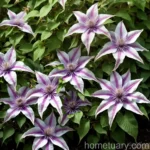
Clematis Jackmanii Purpurea – The Late Large-Flowered Clematis
Clematis Jackmanii Purpurea, commonly known as the Late Large-Flowered Clematis, is a beautiful and versatile plant that adds color and beauty to any garden or landscape. This vine plant is known for its stunning blooms and trailing vines, creating a visual spectacle with its vibrant colors and graceful appearance. In this comprehensive guide, we will explore all aspects of the Clematis Jackmanii Purpurea, from its cultural requirements and uses to its propagation, common diseases, and botanist’s tips. Whether you are a seasoned gardener or just beginning to explore the world of plants, this guide will provide you with valuable insights into this captivating species.

What is Clematis Jackmanii Purpurea?
Clematis Jackmanii Purpurea is a late-blooming clematis species renowned for its large, showy flowers and vigorous growth habit. Native to various regions, it belongs to the Ranunculaceae family and is a popular choice among gardeners for its ability to enhance the visual appeal of gardens, landscapes, and containers. The plant’s striking appearance and adaptability make it a sought-after addition to diverse garden designs and settings.
With its captivating traits and versatile nature, it is essential to understand the various aspects of cultivating and caring for Clematis Jackmanii Purpurea to leverage its full potential in creating enchanting outdoor spaces.
Key Takeaways – Clematis Jackmanii Purpurea
Culture
- Known for its late-blooming nature
- Thrives in various garden designs, including trellises, containers, and landscapes
- Adds vibrant colors and visual appeal to the garden
Uses
- Enhances garden and landscape designs
- Suitable for container gardening
- Valued for its stunning blooms and trailing vines
Water
- Requires consistent moisture, especially during the growing season
- Avoids waterlogged soil
Sunlight
- Prefers full sun to part shade
- Requires adequate sunlight for healthy growth and abundant flowering
Fertilizer
- Benefits from periodic fertilization, particularly during the growing season
- Balanced fertilizer with a higher phosphorus content supports blooming
Soil
- Thrives in well-draining, rich soil
- Benefits from organic matter and mulching to retain moisture
Pruning
- Regular pruning to encourage new growth and control size
- Prune after blooming to maintain a tidy appearance
Propagation
- Can be propagated through various methods, including layering and cuttings
- Propagation success can vary based on the specific cultivar
Container Popularity
- Well-suited for container gardening
- Provides vertical interest and vibrant blooms in containers
Common Diseases
- Susceptible to certain diseases, including fungal infections and wilting
- Maintaining good air circulation and proper care practices can help prevent diseases
Disease Diagnosis
- Regular monitoring for symptoms such as leaf spots, wilting, or discoloration
- Seek prompt treatment for any detected diseases or abnormalities
Common Pests
- Attracts certain pests, including aphids and caterpillars
- Vigilance and appropriate pest control methods are essential to maintain plant health
Botanist’s Tips
- Choose the right cultivar based on your specific garden requirements
- Provide adequate support for the trailing vines
- Regular maintenance and care are crucial for healthy growth and abundant blooms
Fun Facts
- Clematis Jackmanii Purpurea is known for its stunning flower colors, including vibrant purples and pinks
- The plant’s trailing habits make it an ideal choice for borders, trellises, and containers
Links to External Resources
For additional information on Clematis Jackmanii Purpurea, consider exploring the following resources:
1. The American Clematis Society
2. Royal Horticultural Society – Clematis
In the following sections, we will delve deeper into the specific aspects of growing, caring for, and utilizing Clematis Jackmanii Purpurea, providing valuable insights for both novice and experienced gardeners.
Cultivation and Care of Clematis Jackmanii Purpurea
Growing Conditions
Clematis Jackmanii Purpurea thrives when provided with suitable growing conditions, including optimal sunlight, soil quality, and moisture levels. Ensuring the plant’s specific requirements are met contributes to healthy growth, abundant blooms, and overall vitality.
Sunlight Requirements
Full Sun to Part Shade: Providing adequate sunlight is essential for the plant’s growth and flowering. While it thrives in full sun, it also tolerates partial shade, making it adaptable to various garden settings.
Soil Preferences
Well-Draining, Rich Soil: Clematis Jackmanii Purpurea prefers well-draining soil with sufficient organic matter. Mulching the soil helps retain moisture and provides a favorable environment for healthy root development.
Watering Needs
Consistent Moisture: Regular watering, especially during the growing season, supports the plant’s vigor and blooming. However, it is important to avoid waterlogged soil, as excessive moisture can lead to root rot and other complications.
Fertilization
Balanced Fertilizer: Periodic fertilization with a balanced fertilizer, particularly during the growing season, promotes robust growth and prolific flowering. A fertilizer with a higher phosphorus content is beneficial for blooming plants.
Pruning Techniques
After-Blooming Pruning: Regular pruning is essential to maintain the plant’s shape and encourage new growth. Pruning shortly after blooming helps control the size and shape of the plant while promoting the development of new flowering shoots.
Propagation and Container Gardening
Propagation Methods
Clematis Jackmanii Purpurea can be propagated through various techniques, including layering and cuttings. While the success of propagation can vary based on the specific cultivar, exploring different methods can offer an opportunity to expand your plant collection or share the beauty of this species with fellow gardening enthusiasts.
Container Gardening
The versatility of Clematis Jackmanii Purpurea makes it an excellent choice for container gardening. Its trailing vines and stunning blooms provide vertical interest and vibrant colors, enhancing the visual appeal of any outdoor space. When selecting containers for this plant, consider ample space for root development and adequate support for the climbing and trailing growth habit.
Disease Management and Pest Control
Disease Prevention
Although Clematis Jackmanii Purpurea is a resilient plant, it is susceptible to certain diseases, including fungal infections and wilting. Implementing preventive measures, such as proper air circulation, maintaining ideal moisture levels, and regular monitoring for disease symptoms, can significantly contribute to disease prevention.
Pest Control
Vigilance in pest control is crucial to safeguard the health and vitality of the plant. Common pests, including aphids and caterpillars, may pose a threat to Clematis Jackmanii Purpurea. Identifying pest issues early and applying appropriate control measures can help mitigate potential damage and ensure the plant’s well-being.
Garden Uses and Visual Appeal
Landscaping and Garden Design
Clematis Jackmanii Purpurea serves as a versatile and visually striking element in garden and landscape designs. Whether utilized on trellises, fences, or as a standalone focal point, its stunning blooms and trailing vines contribute to the overall beauty and charm of outdoor spaces. Additionally, its compatibility with companion plants further enhances its value in garden compositions.
Unique Features and Visual Appeal
The trailing vines, vibrant flower colors, and stunning blooms of Clematis Jackmanii Purpurea make it a captivating addition to any garden. Its unique visual qualities and versatile nature make it an ideal choice for enhancing landscapes, container gardens, and various outdoor settings.
Conclusion
Clematis Jackmanii Purpurea, the Late Large-Flowered Clematis, is a plant of remarkable beauty and adaptability. Its charming blooms, trailing vines, and suitability for diverse garden designs position it as a highly desirable choice for gardeners and landscape enthusiasts. By understanding its specific requirements, including cultural needs, propagation methods, disease management, and pest control, gardening enthusiasts can fully appreciate and leverage the potential of this exceptional plant species. Whether adorning trellises, containers, or gardens, Clematis Jackmanii Purpurea remains an enduring favorite, offering endless opportunities for creativity and natural splendor in outdoor spaces.
In this guide, we have explored various facets of Clematis Jackmanii Purpurea, offering insights into its care, propagation, and utilization in garden and landscape settings. Embracing the unique qualities and visual allure of this late-blooming clematis species can enrich the outdoor experience and elevate the aesthetics of any environment. As with any plant, attentive care, ongoing maintenance, and a deep appreciation for its innate beauty are essential in nurturing Clematis Jackmanii Purpurea to its fullest potential.
References
- “Clematis – American Horticultural Society” on American Horticultural Society
- “Clematis” on The Royal Horticultural Society