Clematis Heracleifolia (Herbaceous Group)
Clematis heracleifolia, a member of the herbaceous group, is an exquisite and versatile plant that can enhance the beauty of any garden. With its.
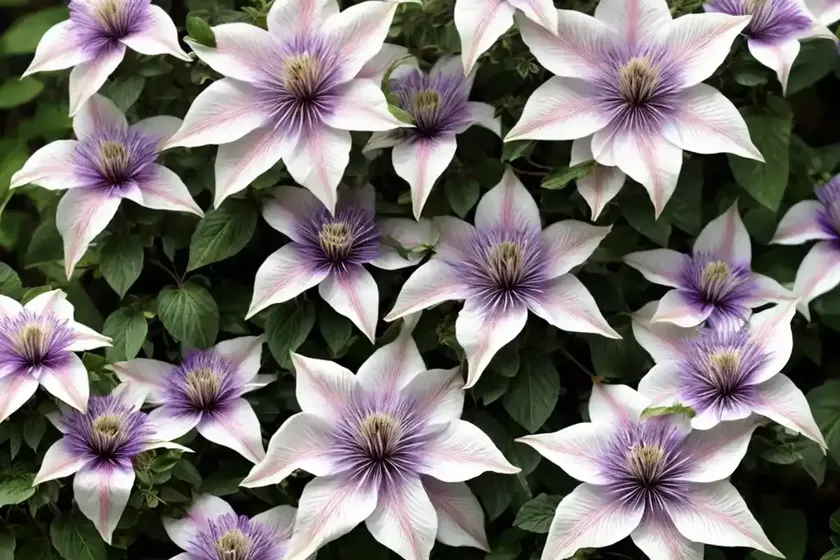
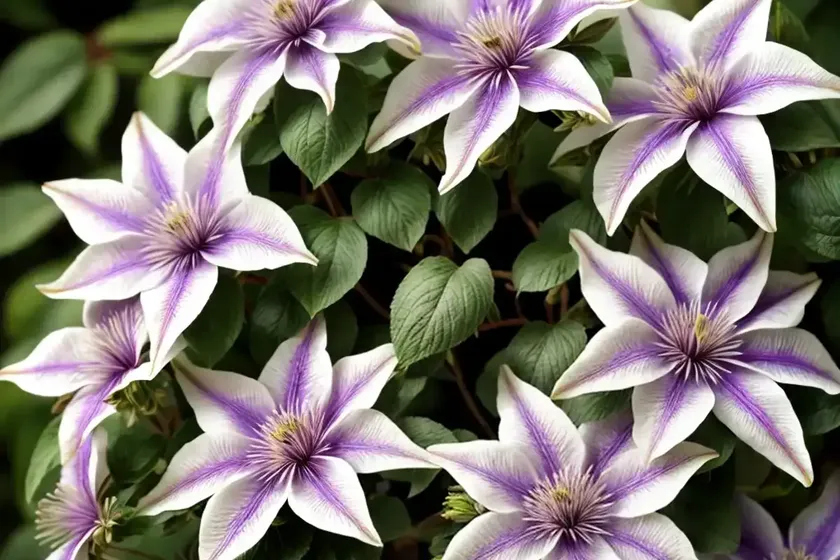
Clematis heracleifolia, a member of the herbaceous group, is an exquisite and versatile plant that can enhance the beauty of any garden. With its captivating blooms and impressive foliage, this plant has become a favorite for many gardening enthusiasts. In this comprehensive guide, we will explore the intricacies of caring for Clematis heracleifolia, including its culture, uses, maintenance, and more. Whether you are a seasoned gardener or a novice plant enthusiast, this article will equip you with the knowledge needed to cultivate, nurture, and appreciate the splendor of Clematis heracleifolia.
What is Clematis heracleifolia (Herbaceous Group)?
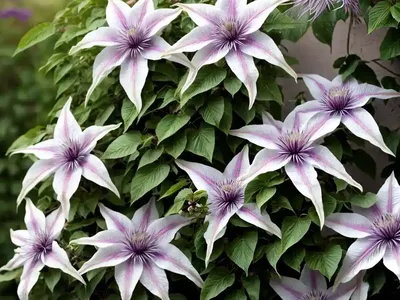
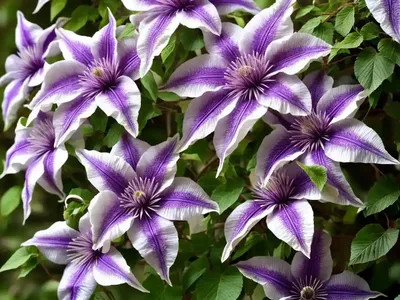
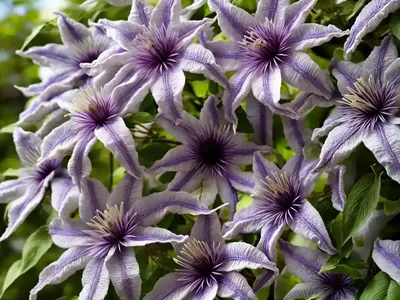
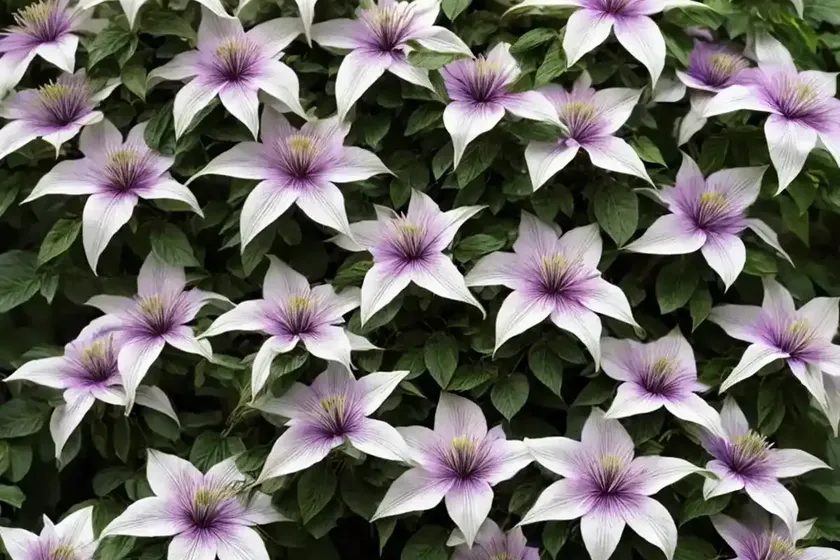
Clematis heracleifolia is a flowering perennial vine belonging to the Ranunculaceae family. Unlike many other members of its genus, Clematis heracleifolia is herbaceous, meaning it lacks the woody stems and requires different care compared to its more common climbing counterparts. Native to East Asia, particularly China and Japan, this plant species is known for its distinctive foliage and stunning, bell-shaped flowers.
Key Takeaways – Clematis heracleifolia (Herbaceous Group)
Before delving into the details of cultivation and maintenance, it’s essential to summarize the key takeaways about Clematis heracleifolia. The following points provide a comprehensive overview of this beautiful plant:
- Scientific Name: Clematis heracleifolia
- Plant Type: Herbaceous perennial
- Native Habitat: East Asia (China and Japan)
- Family: Ranunculaceae
- Growth Habit: Clump-forming with non-climbing stems
- Flower Characteristics: Bell-shaped, varying in color from blue to lavender
- Foliage: Deeply serrated, lush green leaves
Now, let’s explore the essential aspects of caring for Clematis heracleifolia.
Culture
Understanding the cultural requirements of Clematis heracleifolia is fundamental to ensuring its health and vigor. From planting to maintenance, the culture of this plant encompasses several key factors that influence its growth and flowering.
Uses
Clematis heracleifolia is a versatile plant known for its ornamental and landscaping uses. Whether grown in pots or trellises, it adds a charming touch to gardens, courtyards, and even balconies. Additionally, its blooms make delightful cut flowers for decorative purposes.
Water
The plant thrives in consistently moist, well-draining soil. Adequate moisture is essential, especially during the flowering season, to support healthy growth and prolific blooms.
Sunlight
Clematis heracleifolia appreciates partial to full sun exposure. While it can tolerate partial shade, it tends to bloom more profusely when exposed to ample sunlight.
Fertilizer
Incorporating a balanced, slow-release fertilizer into the soil during the growing season can promote vigorous growth and abundant flowering. A fertilizer with a higher phosphorus content can particularly enhance flower production.
Soil
Well-draining, fertile soil is crucial for Clematis heracleifolia. A slightly acidic to neutral pH (6.5-7.0) is ideal. It’s essential to amend the soil with organic matter, such as compost, to enrich its texture and fertility.
Pruning
Pruning plays a vital role in shaping and managing the growth of Clematis heracleifolia. After the first flush of blooms, light pruning can encourage additional flowering. Additionally, removing dead or weak stems can promote overall plant health.
Propagation
Propagating Clematis heracleifolia can be achieved through various methods, including division, seed sowing, and softwood cuttings. Each method has its advantages and considerations, and selecting the appropriate technique will depend on the desired outcome and the resources available.
Container Popularity
Clematis heracleifolia’s suitability for container gardening makes it popular among urban and space-constrained gardeners. Its compact nature and non-climbing growth habit make it an excellent choice for adorning patios, balconies, and small garden spaces.
Container Common Diseases
While Clematis heracleifolia is relatively resistant to diseases, several common fungal infections, such as powdery mildew and leaf spots, can affect its health and appearance. Proper care and maintenance, including adequate air circulation and soil drainage, can help prevent these issues.
Disease Diagnosis
Timely and accurate diagnosis of plant diseases is crucial for determining the appropriate course of action. Understanding the symptoms and signs of common diseases affecting Clematis heracleifolia is essential for effective disease management.
Common Pests
Despite its resilience, Clematis heracleifolia may occasionally face pest infestations. Common pests, including aphids, spider mites, and caterpillars, can cause damage to the plant if left unchecked. Regular monitoring and prompt intervention are key to preventing pest-related problems.
Botanist’s Tips
Here are some expert tips for cultivating and caring for Clematis heracleifolia:
- Plant Clematis heracleifolia in a location with good air circulation to minimize the risk of fungal infections.
- Incorporate a layer of mulch around the base of the plant to retain moisture and regulate soil temperatures.
- Consider interplanting Clematis heracleifolia with other perennials to create visually appealing and dynamic garden displays.
- Maintain a consistent watering schedule, ensuring that the soil remains evenly moist but not waterlogged.
Fun Facts
- In traditional Chinese medicine, certain species of Clematis, including Clematis heracleifolia, are believed to possess medicinal properties and have been used to address various health concerns.
- Clematis heracleifolia has rich folklore and symbolism in different cultures, often associated with themes of love, beauty, and transformation.
Links to External Resources
For further information on Clematis heracleifolia and related topics, the following external resources are invaluable references:
- Royal Horticultural Society – Growing Clematis
- University of Minnesota Extension – Clematis for the Home Landscape
With its captivating presence and relatively manageable care requirements, Clematis heracleifolia holds great potential for gardeners seeking to introduce a touch of elegance and charm to their outdoor spaces. By understanding its unique needs and incorporating the recommended cultivation practices, anyone can enjoy the beauty and vitality of this delightful herbaceous plant.
By now, I believe you got a comprehensive guide on “Clematis heracleifolia (Herbaceous Group)”. Let me know if you need any specific information or assistance.