Plant Profile: Clematis ‘Doctor Ruppel’ (Early Large-Flowered Clematis)
Clematis ‘Doctor Ruppel’ is a stunning early large-flowered clematis that captivates with its vibrant blooms and vigorous growth habit. As a plant scientist, I am excited to delve into the remarkable characteristics, care requirements, and cultivation practices for this captivating clematis variety. In this comprehensive guide, we will explore everything from its preferred soil conditions to its unique pruning techniques, and even its medicinal and culinary uses. Let’s embark on this in-depth exploration of Clematis ‘Doctor Ruppel’, uncovering the intricacies that make it a beloved addition to gardens worldwide.
What is Clematis ‘Doctor Ruppel’?
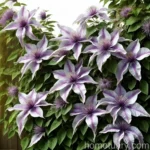
Clematis ‘Doctor Ruppel’ is a deciduous vine renowned for its enchanting display of large, star-shaped flowers that bloom in early season. The flowers exhibit a captivating blend of colors, featuring pale pink to white petal bases adorned with a deep pink central stripe. This striking coloration, coupled with its generous blooming nature, makes this clematis variety a treasured addition to gardens and landscapes.
Key Takeaways – Clematis ‘Doctor Ruppel’ (Early Large-Flowered Clematis)
Before delving into the specific aspects of care and cultivation, here are the key takeaways summarizing the essential attributes and requirements of Clematis ‘Doctor Ruppel’:
- Scientific Name: Clematis ‘Doctor Ruppel’
- Common Name: Early Large-Flowered Clematis
- Flower Type: Large, star-shaped flowers
- Flower Color: Pale pink to white with a deep pink central stripe
- Blooming Season: Early season
- Growth Habit: Deciduous climbing vine
- Sun Exposure: Full sun to partial shade
- Soil Type: Well-draining, fertile soil
- Watering: Moist soil; requires regular watering
- Pruning: Prune lightly after flowering to encourage new growth
- Propagation: Can be propagated through stem cuttings or layering
- Container Gardening: Well-suited for container cultivation
Now, let’s delve into the detailed care and cultivation practices for Clematis ‘Doctor Ruppel’, encompassing its preferences for water, sunlight, fertilizer, soil, pruning, propagation, and its unique characteristics.
Culture
Clematis ‘Doctor Ruppel’ thrives within a specific cultural framework that encompasses its growing environment, care regimen, and cultivation requirements. Understanding its culture is vital in ensuring the optimal growth and flourishing of this captivating clematis variety.
Uses
Ornamental Beauty
One of the primary uses of Clematis ‘Doctor Ruppel’ is as an ornamental plant, sought after for its exquisite blooms and elegant climbing habit. Whether adorning trellises, arbors, or garden fences, this clematis variety adds a touch of natural beauty, elevating the aesthetic appeal of any outdoor space.
Landscaping Accent
Due to its vigorous growth and eye-catching flowers, Clematis ‘Doctor Ruppel’ serves as a delightful landscaping accent, providing vertical interest and a burst of color within garden beds, borders, and mixed perennial plantings.
Container Gardening
The adaptability of Clematis ‘Doctor Ruppel’ to container cultivation makes it a favored choice for adorning patios, balconies, and small gardens. Its climbing nature and prolific blooms make it an eye-catching addition to container arrangements and vertical gardening displays.
Medicinal and Culinary Uses
In addition to its ornamental allure, some clematis species, not specifically ‘Doctor Ruppel’, have been used in traditional medicine for various purposes. However, it’s important to note that proper expertise is required when exploring potential medicinal uses of any plant, as many clematis species contain toxic compounds and should not be ingested.
Water
Adequate water is crucial for the healthy growth and prolific blooming of Clematis ‘Doctor Ruppel’. This clematis variety thrives in moist soil conditions and benefits from consistent watering, especially during dry spells and the active growing season. Proper irrigation is essential to ensure that the roots remain hydrated and the vine maintains its vibrant display of flowers.
Sunlight
Clematis ‘Doctor Ruppel’ exhibits a preference for ample sunlight, thriving when planted in locations that receive full sun to partial shade. This clematis variety performs best when exposed to at least six hours of sunlight per day, ensuring robust growth and abundant flowering throughout the blooming season.
Fertilizer
Fertilizing Clematis ‘Doctor Ruppel’ is integral to promoting healthy growth and enhancing the abundance of its striking blooms. A balanced, water-soluble fertilizer formulated for flowering plants can be applied during the active growing season, following the manufacturer’s recommended application rates. This supports the clematis vine in achieving its full flowering potential and maintaining its overall vigor.
Soil
The soil requirements of Clematis ‘Doctor Ruppel’ revolve around the need for a well-draining, fertile growing medium. Loamy soils enriched with organic matter provide an ideal foundation for this clematis variety, promoting robust root development and sustaining its vigorous growth. Additionally, ensuring proper soil pH levels within the slightly acidic to neutral range further contributes to the overall health and vitality of the vine.
Pruning
Proper pruning is paramount in ensuring the continued health, vigor, and prolific flowering of Clematis ‘Doctor Ruppel’. Employing the appropriate pruning techniques at the right times facilitates the renewal of growth and contributes to the stunning floral displays characteristic of this early large-flowered clematis variety.
Pruning Clematis ‘Doctor Ruppel’ is primarily conducted to:
- Remove Dead or Damaged Growth: Cutting away any dead or damaged stems and foliage encourages the vine’s overall health and appearance.
- Control Growth: Pruning aids in managing the size and structure of the clematis, preventing it from becoming overly unruly or sprawling.
Techniques
-
Post-Flowering Pruning: Following the initial blooming period, generally in late spring to early summer, lightly prune the clematis by trimming back the stems that have finished flowering. This encourages the development of new growth and sets the stage for subsequent blooming cycles.
-
Renewal Pruning (Optional): To promote rejuvenation and maintain the vigor of mature Clematis ‘Doctor Ruppel’ plants, periodic renewal pruning can be carried out, typically every few years. This involves more extensive trimming to remove older, woody growth and stimulate fresh, vigorous shoots.
Propagation
The propagation of Clematis ‘Doctor Ruppel’ allows for the expansion of its captivating presence within a garden or the sharing of this esteemed clematis variety with fellow gardening enthusiasts. By employing suitable propagation methods, such as stem cuttings or layering, individuals can effectively propagate new plants from existing specimens.
Stem Cuttings
- Select a healthy, non-flowering stem from the parent clematis plant, typically in late spring to early summer.
- Cut a 4 to 6-inch section of the stem, ensuring it possesses several leaf nodes.
- Remove the lower leaves to expose the nodes and dip the cut end in a rooting hormone if desired.
- Plant the cutting in a well-draining rooting medium and maintain consistently moist conditions to facilitate root development.
- Once roots have established, transplant the new clematis plant into a suitable container or garden location.
Layering
- Identify a low-growing, flexible stem on the parent clematis plant that can be easily manipulated to reach the soil surface.
- Gently wound the stem and encourage it to make contact with the soil.
- Secure the portion of the stem in contact with the soil with a small stake or anchor to promote rooting.
- Maintain consistent moisture levels around the area where the stem contacts the soil to support the development of roots.
- Once robust roots have formed, sever the stem from the parent plant and transplant the newly rooted clematis into an appropriate location.
Container Popularity
Clematis ‘Doctor Ruppel’ stands as a popular choice for container gardening due to several compelling characteristics that make it well-suited for thriving in containers and enhancing various outdoor settings.
Advantages of Container Cultivation
- Space Utilization: Clematis ‘Doctor Ruppel’ flourishes in containers, making it an ideal option for small gardens, balconies, and patios where space may be limited.
- Versatile Ornamentation: Container-grown Clematis ‘Doctor Ruppel’ adds vertical interest and vibrant color to outdoor spaces, enriching patios, terraces, and other settings with its captivating blooms.
- Ease of Maintenance: By keeping the clematis in a container, individuals can effectively control its growth, manage its cultivation environment, and easily relocate it as desired.
- Decorative Appeal: The graceful, climbing nature of Clematis ‘Doctor Ruppel’ accentuates the visual appeal of containers, bringing a touch of natural elegance to various outdoor arrangements.
Container Considerations
When cultivating Clematis ‘Doctor Ruppel’ in containers, it’s essential to consider several key factors to ensure optimal growth and vigor.
- Container Size: Select a sufficiently large container that accommodates the clematis’ root system and allows for ample soil volume to sustain healthy growth.
- Drainage: Ensure that the container possesses adequate drainage holes to prevent waterlogged soil, promoting optimal root health and vitality.
- Support Structure: Incorporate a trellis, obelisk, or other suitable support structure within the container to facilitate the climbing habit of Clematis ‘Doctor Ruppel’.
- Growing Medium: Employ a well-draining, nutrient-rich potting mix formulated for perennial plants to foster the growth and development of the clematis within the container environment.
Common Diseases
Though Clematis ‘Doctor Ruppel’ boasts resilience to numerous common diseases, it is important to remain vigilant and attentive to potential disease issues that can impact the health and vitality of this exceptional clematis variety.
Disease Resistance
Clematis ‘Doctor Ruppel’ exhibits notable resistance to several common fungal diseases that often affect clematis plants, including powdery mildew and clematis wilt. This inherent disease resistance contributes to the robust nature of this early large-flowered clematis, enhancing its ability to flourish in diverse growing conditions.
Disease Susceptibility
While Clematis ‘Doctor Ruppel’ showcases resistance to various diseases, it can potentially succumb to certain issues under unfavorable environmental conditions or if subjected to stress factors. Monitoring for signs of potential diseases and promptly addressing any emerging issues is crucial in safeguarding the overall health and vitality of this cherished clematis variety.
Disease Diagnosis
Diagnosing diseases that may affect Clematis ‘Doctor Ruppel’ involves careful observation and attention to the presence of symptoms that indicate potential issues. Some common signs of disease include:
- Leaf Spots: Circular or irregularly shaped spots on the leaves that may signal the presence of fungal or bacterial pathogens.
- Wilting and Discoloration: Wilted, discolored foliage can indicate various stress-related issues or potential diseases affecting the roots or vascular system of the clematis.
- Powdery Residues: The appearance of white, powdery residues on the foliage may signify the development of powdery mildew, a common fungal disease in clematis.
Performing a thorough inspection of the clematis plant, monitoring for changes in growth and appearance, and promptly addressing any concerning symptoms are essential aspects of disease diagnosis and management for Clematis ‘Doctor Ruppel’.
Common Pests
In addition to disease considerations, understanding the common pests that may impact Clematis ‘Doctor Ruppel’ is vital in preserving the vitality and unblemished beauty of this captivating clematis variety.
Pest Vigilance
Vigilance and attentiveness to potential pest issues enable gardeners to identify and address pest infestations effectively, minimizing their impact on the growth and appearance of Clematis ‘Doctor Ruppel’. By remaining alert to potential pest activity, individuals can employ suitable pest management strategies to safeguard the clematis against detrimental effects.
Potential Pests
Several pests pose potential threats to Clematis ‘Doctor Ruppel’, including:
- Aphids: These small, sap-feeding insects can cluster on the new growth and undersides of leaves, impacting the overall vigor and appearance of the clematis.
- Spider Mites: Infestations of spider mites can cause stippling and discoloration of the foliage, leading to the deterioration of the clematis’ ornamental appeal.
- Slugs and Snails: These voracious pests may target the tender shoots and foliage of Clematis ‘Doctor Ruppel’, resulting in unsightly damage and compromised growth.
Implementing strategies for pest prevention, such as fostering a diverse garden ecosystem and employing targeted control measures when necessary, assists in safeguarding the clematis against potential pest infestations.
Botanist’s Tips
Drawing upon botanical expertise and a deep appreciation for the natural intricacies of Clematis ‘Doctor Ruppel’, here are several insightful tips for cultivating and caring for this captivating clematis variety:
- Proper Support: Provide a sturdy support structure, such as a trellis or pergola, to accommodate the climbing nature of Clematis ‘Doctor Ruppel’, enabling it to reach its full ornamental potential.
- Aftercare: After planting or transplanting the clematis, monitor its progress closely, ensuring adequate watering and attention to facilitate the establishment of strong, healthy roots.
- Pruning Precision: Adhere to the recommended post-flowering pruning schedule, employing precise cuts to maintain the vigor and prolific flowering of Clematis ‘Doctor Ruppel’ without compromising its future growth.
By integrating these botanical insights into the care and cultivation of Clematis ‘Doctor Ruppel’, individuals can foster the optimal growth and visual allure of this exceptional clematis variety within their outdoor spaces.
Fun Facts
Exploring the realm of Clematis ‘Doctor Ruppel’ reveals a delightful array of fun facts that magnify the charm and allure of this esteemed clematis variety. Here are a few intriguing tidbits that illuminate the fascinating nature of Clematis ‘Doctor Ruppel’:
- Heritage: Clematis ‘Doctor Ruppel’ is a distinct cultivar, named after Dr. Ruppel, an esteemed figure in the realm of horticulture or dedicated to his memory.
- Color Variations: The captivating blooms of Clematis ‘Doctor Ruppel’ may exhibit subtle variations in color intensity and patterning, adding to the allure and diversity of this clematis variety.
- Wildlife Magnet: Beyond its visual appeal, Clematis ‘Doctor Ruppel’ may attract pollinators, such as bees and butterflies, contributing to the biodiversity and ecological vitality of garden spaces.
These fun facts cast a delightful spotlight on the exceptional characteristics and contributions of Clematis ‘Doctor Ruppel’ within the realm of horticulture and the natural world.
Links to External Resources
For further exploration and insights into the world of Clematis ‘Doctor Ruppel’ and related horticultural topics, the following external resources serve as valuable references and sources of additional information:
- Royal Horticultural Society (RHS): The official website of the RHS offers an array of valuable resources on clematis cultivation, care, and specific variety profiles, including Clematis ‘Doctor Ruppel’.
-
American Clematis Society: A dedicated community and resource hub focusing on clematis cultivation, encompassing cultivation tips, plant profiles, and comprehensive information on Clematis ‘Doctor Ruppel’.
-
University Extension Horticulture Programs: Various university extension programs provide authoritative articles, fact sheets, and guides on clematis cultivation, maintenance, and disease management, offering valuable insights for enthusiasts of all experience levels.
- University of California Cooperative Extension
By tapping into the wealth of knowledge and expertise available through these external resources, individuals can broaden their understanding and proficiency in cultivating Clematis ‘Doctor Ruppel’ and related horticultural pursuits.
In this extensive exploration of Clematis ‘Doctor Ruppel’, we have delved into the multifaceted realm of this captivating early large-flowered clematis variety. From its preferred cultivation environment and specific care requirements to its unique attributes and ornamental allure, Clematis ‘Doctor Ruppel’ stands as a cherished addition to gardens and landscapes, contributing vibrant color and natural elegance to outdoor settings. By embracing the insights and recommendations outlined in this guide, individuals can foster the optimal growth, vitality, and ornamental splendor of Clematis ‘Doctor Ruppel’ within their own horticultural endeavors.