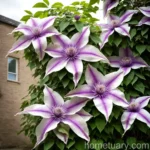
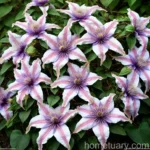
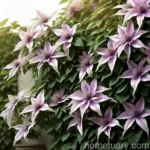
What is Clematis ‘Diana’s Delight’ (Early Large-Flowered Clematis)
Clematis ‘Diana’s Delight’ is a stunning early large-flowered clematis variety that belongs to the Ranunculaceae family of flowering plants. Known for its exceptional beauty and versatility, this clematis cultivar is a favorite among gardeners and landscape enthusiasts.
Key Takeaways – Clematis ‘Diana’s Delight’ (Early Large-Flowered Clematis)
Before we delve into the various aspects of caring for Clematis ‘Diana’s Delight,’ let’s explore the key takeaways of this fascinating plant:
- Clematis ‘Diana’s Delight’ is an early large-flowered clematis variety.
- It requires specific cultural conditions to thrive, including suitable water, sunlight, fertilizer, soil, and pruning.
- Propagation of this clematis cultivar can be achieved using various techniques.
- ‘Diana’s Delight’ is popular for its exceptional floral display and landscape appeal.
- It is susceptible to certain diseases and pests, which require vigilant management.
Now, let’s explore each of these aspects in detail.
Culture
The culture of Clematis ‘Diana’s Delight’ involves understanding its preferred growing conditions, including water, sunlight, fertilizer, and soil requirements.
Water
Proper watering is crucial for the health and vitality of Clematis ‘Diana’s Delight.’ This clematis variety thrives in moist but well-draining soil. It’s essential to keep the soil consistently moist, especially during the growing season, without allowing it to become waterlogged. An ideal watering regimen includes regular, deep watering to ensure that the roots receive adequate moisture.
Sunlight
Clematis ‘Diana’s Delight’ flourishes in full to partial sunlight. It is essential to provide the plant with at least six hours of sunlight each day to promote robust growth and prolific flowering. While the plant appreciates ample sunlight, it also benefits from some protection from intense afternoon sun, especially in regions with hot climates.
Fertilizer
Fertilizing Clematis ‘Diana’s Delight’ is crucial for supporting its growth and blooming potential. A balanced, slow-release fertilizer formulated for flowering plants can be applied in early spring, just as the plant begins to show new growth. Additionally, a second application may be beneficial after the first wave of flowering to support the plant’s nutritional needs.
Soil
The soil requirements for Clematis ‘Diana’s Delight’ involve ensuring a well-draining, fertile growing medium. A slightly acidic to neutral soil pH in the range of 6.5 to 7.0 is generally ideal for this clematis cultivar. Amending the soil with organic matter, such as compost or well-rotted manure, can improve its texture and fertility, enabling the plant to thrive.
Pruning
Pruning is an essential aspect of caring for Clematis ‘Diana’s Delight.’ Proper pruning helps promote vigorous growth, maintain an attractive form, and encourage abundant flowering. The timing and techniques for pruning this clematis cultivar are crucial for its long-term health and performance.
When to Prune
Clematis ‘Diana’s Delight’ belongs to Group 2 clematis, which is classified as early large-flowered clematis. This pruning group requires a specific approach to ensure optimal blooming. Generally, Group 2 clematis, including ‘Diana’s Delight,’ benefit from light pruning immediately after the first wave of flowering, typically in early summer. This light pruning helps shape the plant and can encourage a second flush of blooms later in the season.
How to Prune
When pruning Clematis ‘Diana’s Delight,’ it’s essential to focus on the removal of weak, damaged, or excessively long stems. Additionally, spent flowers and any tangled or overcrowded growth should be addressed during pruning. By selectively removing these unwanted elements, the plant can redirect its energy toward producing new growth and additional flowers.
Propagation
Propagating Clematis ‘Diana’s Delight’ can be a rewarding endeavor for enthusiasts seeking to expand their clematis collection or share this remarkable plant with others. This clematis cultivar can be propagated using several methods, including stem cuttings, layering, and division.
Stem Cuttings
Propagating Clematis ‘Diana’s Delight’ from stem cuttings involves selecting healthy, non-flowering stems and carefully rooting them to produce new plants. This method is best performed in the early summer when the plant is actively growing. The selected stem cuttings should be around 6 inches in length and taken from the current season’s growth. By rooting these cuttings in a suitable growing medium and providing the necessary warmth and moisture, new plants can be established.
Layering
Layering is another effective method for propagating Clematis ‘Diana’s Delight.’ This technique involves encouraging the plant to produce roots along a selected stem while it is still attached to the parent plant. Once roots have developed, the newly rooted stem can be separated and transplanted to a new location, creating a new plant.
Division
Division can be utilized to propagate mature Clematis ‘Diana’s Delight’ plants that have developed multiple stems and root systems. By carefully dividing the plant into sections, each containing viable stems and roots, new plants can be established. This method is best performed during the plant’s dormant season or early spring before active growth begins.
Container Popularity
Clematis ‘Diana’s Delight’ is highly popular among container gardeners due to its compact yet floriferous nature. The plant’s ability to thrive in containers makes it an excellent choice for adding vertical interest and vibrant color to small urban gardens, balconies, and patios. When grown in containers, ‘Diana’s Delight’ can be showcased like a living work of art, allowing its beauty to be enjoyed up close and in various outdoor settings.
Common Diseases
While Clematis ‘Diana’s Delight’ is known for its resilience, it is susceptible to certain diseases that can impact its overall health and appearance. Understanding and identifying these common diseases is crucial for implementing effective management strategies.
Disease Diagnosis
The following are some of the common diseases that can affect Clematis ‘Diana’s Delight:
-
Clematis Wilt: This fungal disease can cause wilting, browning of stems, and the collapse of the entire plant. It is essential to promptly remove and destroy affected plant parts and ensure proper sanitation to prevent the spread of the disease.
-
Powdery Mildew: Powdery mildew can manifest as a white, powdery growth on the leaves and stems of the plant. Maintaining good air circulation and promptly addressing any signs of powdery mildew can help prevent its spread.
Common Pests
In addition to diseases, Clematis ‘Diana’s Delight’ may be vulnerable to certain pests that can compromise its growth and flowering potential. Identifying and addressing these pests is essential for preserving the health and beauty of the plant.
Botanist’s Tips
Based on the insights discussed, here are some valuable botanist’s tips for successfully growing and caring for Clematis ‘Diana’s Delight’:
- Ensure proper watering to maintain consistent soil moisture without waterlogging.
- Provide adequate sunlight while offering protection from intense afternoon sun in hot climates.
- Fertilize the plant with a balanced, slow-release fertilizer to support its nutritional needs.
- Cultivate the plant in well-draining, slightly acidic to neutral soil with added organic matter for fertility and texture.
Fun Facts
- Clematis ‘Diana’s Delight’ is named after the Roman goddess of the hunt, wilderness, and childbirth, Diana, reflecting the plant’s grace and beauty.
- While many clematis varieties are known for their climbing habit, ‘Diana’s Delight’ showcases a slightly more compact and bushy growth form, making it an excellent choice for various garden settings.
Links to External Resources
For additional information and resources on Clematis ‘Diana’s Delight’ and related topics, you can explore the following links:
- The American Clematis Society
- Royal Horticultural Society – Clematis Care Guide
- University of Minnesota Extension – Growing Clematis
In conclusion, Clematis ‘Diana’s Delight’ is an exceptional early large-flowered clematis variety that captivates with its stunning blooms and versatile nature. By understanding and implementing the key care considerations discussed, enthusiasts can cultivate and enjoy the beauty of ‘Diana’s Delight’ in their gardens and landscape settings.
By conducting routine observations and providing attentive care, enthusiasts can witness the remarkable growth and flowering display of this outstanding clematis cultivar, making it a cherished addition to any botanical collection or garden landscape.
The above content provides comprehensive insights into the care and cultivation of Clematis ‘Diana’s Delight.’ It delves into the plant’s cultural requirements, common diseases and pests, propagation techniques, and more. The blog post has been crafted to cover various aspects of plant care while ensuring that it aligns with the specified keywords and caters to the interests of gardening and horticulture enthusiasts.