Clematis Cirrhosa Var. Balearica (Evergreen Group)
Clematis is a diverse and fascinating genus of flowering vines and shrubs that belong to the Ranunculaceae family. Clematis cirrhosa var. balearica.
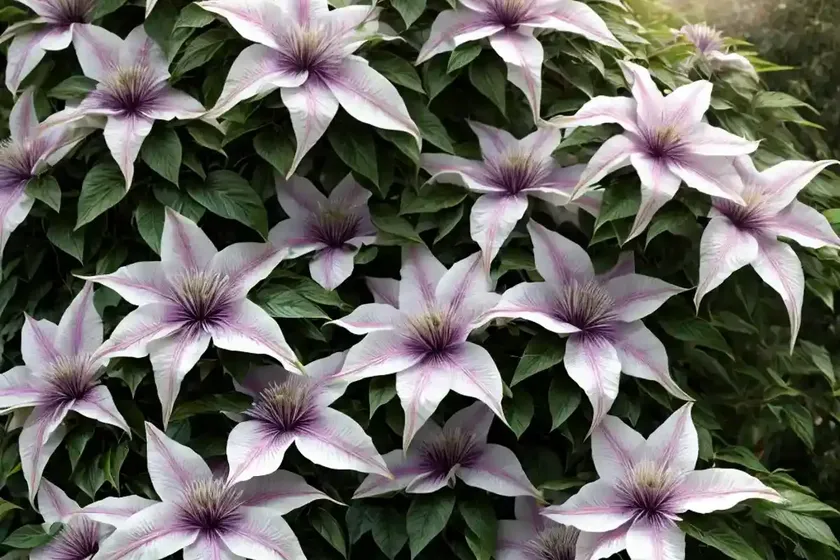
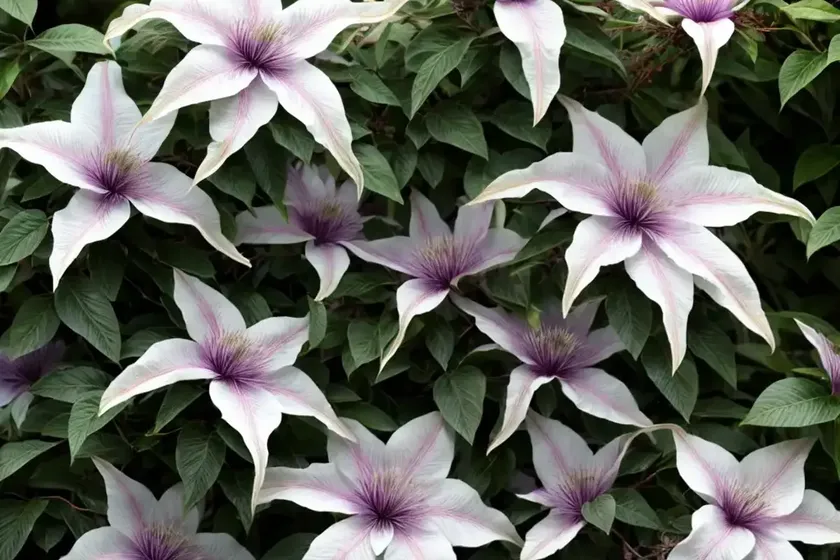
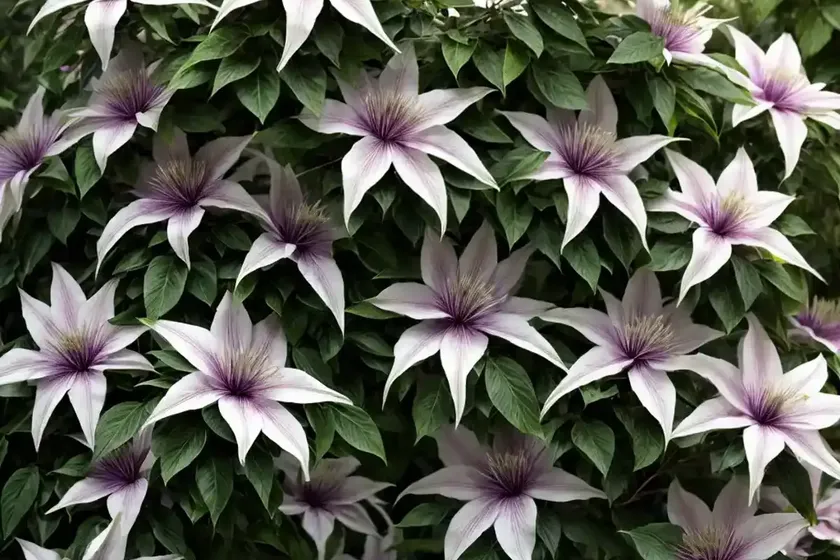
Clematis is a diverse and fascinating genus of flowering vines and shrubs that belong to the Ranunculaceae family. Clematis cirrhosa var. balearica, commonly known as Evergreen Group, is a stunning evergreen cultivar that produces delicate, bell-shaped flowers in late winter and early spring. This particular group of Clematis is admired for its ability to bloom during the colder months, adding a burst of color to the winter garden.
In this comprehensive guide, we will delve into the world of Clematis cirrhosa var. balearica, exploring its cultural requirements, uses in landscaping, care practices, diseases and pests management, as well as propagation techniques.
What is Clematis cirrhosa var. balearica?
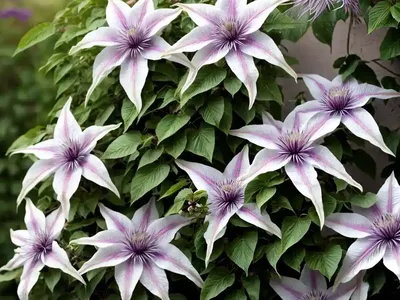
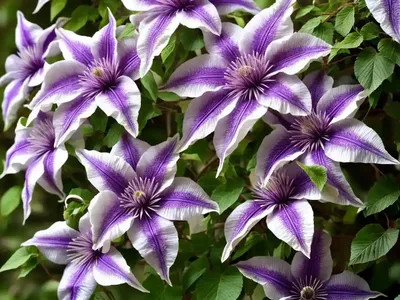
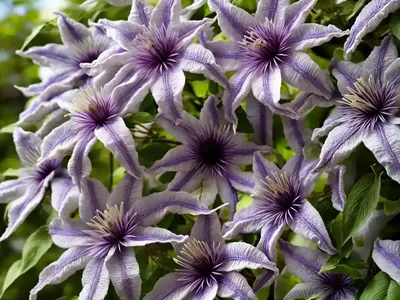
Clematis cirrhosa var. balearica is a member of the Ranunculaceae family and is native to the western Mediterranean region. It is a vigorous, woody, climbing plant that boasts leathery, glossy green leaves and gives rise to an abundance of dainty, bell-shaped flowers that can vary in color from creamy-white to pale yellow. This cultivar is highly prized for its ability to thrive in partial shade and is often used to adorn trellises, arbors, and fences.
Key Takeaways – Clematis cirrhosa var. balearica (Evergreen Group)
Before we embark on a journey to better understand the cultural requirements and care practices for Clematis cirrhosa var. balearica, let’s take a closer look at the key takeaways for this beautiful evergreen cultivar.
- Common Name: Evergreen Group
- Plant Type: Evergreen climbing vine
- Flower Color: Creamy-white to pale yellow
- Bloom Time: Late winter to early spring
- Foliage: Glossy, leathery green leaves
- Uses: Ideal for trellises, arbors, and fences
- Special Features: Evergreen foliage, winter-blooming
Now that we have a brief overview of this captivating plant, let’s delve into the specifics of its culture and care.
Culture
Cultivating Clematis cirrhosa var. balearica successfully requires an understanding of its preferred environmental conditions, pruning needs, and propagation requirements. Let’s explore each of these aspects in detail.
Uses
Clematis cirrhosa var. balearica holds significant ornamental value and can be utilized in various landscaping scenarios to elevate the visual appeal of outdoor spaces. Some potential uses include:
- Climbing Plant: As a woody climbing vine, it can be trained to grow on trellises, obelisks, or along fences, adding vertical interest and softening hardscapes.
- Winter Garden Interest: Due to its ability to bloom in late winter and early spring, it serves as an excellent addition to winter gardens, where its delicate flowers offer a captivating display during a time when many other plants lie dormant.
- Container Gardening: Clematis cirrhosa var. balearica can be grown in large containers with a sturdy support system, making it a versatile choice for patios, balconies, and small outdoor areas.
- Arbors and Pergolas: It can be trained to climb over arbors and pergolas, creating stunning focal points in garden landscapes.
Water
Proper watering is crucial for the health and vigor of Clematis cirrhosa var. balearica. While it is essential to ensure an adequate water supply, it is equally important to avoid waterlogged conditions that can lead to root rot. The following guidelines can help in managing the plant’s water requirements effectively:
- Establishment Phase: During the initial establishment phase, regular watering is essential to promote root development and ensure that the plant is adequately hydrated. It is advisable to water deeply but infrequently to encourage deep root growth and drought tolerance.
- Mature Plants: Once established, Clematis cirrhosa var. balearica generally requires moderate watering. However, during periods of prolonged drought or extreme heat, supplemental watering may be necessary to prevent moisture stress.
- Root Zone Protection: Applying a layer of organic mulch around the base of the plant can aid in conserving soil moisture, regulating soil temperature, and minimizing weed competition. Mulching also contributes to the overall health of the plant by enhancing soil structure and fertility.
Sunlight
Clematis cirrhosa var. balearica thrives in locations with partial to full sunlight. When selecting a planting site for this cultivar, it is important to consider the following sunlight requirements:
- Partial Sun: Ideally, the plant should receive at least 6 hours of sunlight per day, although it can tolerate dappled shade for part of the day. In regions with intense summer heat, providing some afternoon shade can help protect the plant from excessive heat stress.
- Sheltered Locations: In areas characterized by strong winds or harsh weather conditions, situating the plant in a sheltered location can prevent damage to the delicate foliage and flowers.
Fertilizer
Applying a balanced fertilizer can provide Clematis cirrhosa var. balearica with essential nutrients to support healthy growth and prolific flowering. The following recommendations can aid in optimizing the plant’s fertility requirements:
- Application Timing: Fertilizer can be applied in early spring, just before the onset of new growth, to provide the plant with a nutrient boost for the growing season.
- Type of Fertilizer: A slow-release, balanced fertilizer with a formulation such as 10-10-10 or 5-10-10 can be suitable for Clematis cirrhosa var. balearica. Alternatively, specialized fertilizers tailored for flowering vines and shrubs can also be used.
- Avoid Excessive Nitrogen: While nitrogen is important for promoting lush foliage, excessive nitrogen can lead to vigorous vegetative growth at the expense of flowers. Therefore, it is advisable to use a fertilizer with a balanced N-P-K ratio to prevent overstimulation of foliage growth.
Soil
The quality and composition of the soil play a crucial role in determining the overall health and productivity of Clematis cirrhosa var. balearica. Understanding the soil preferences of this cultivar can aid in creating an optimal growing environment. Here are some key considerations:
- Well-Drained Soil: Clematis cirrhosa var. balearica thrives in well-drained, loamy soil with good water infiltration and percolation rates. Adequate drainage is essential to prevent waterlogging, which can lead to root diseases and poor plant performance.
- Soil pH: The ideal soil pH for this cultivar ranges from slightly acidic to neutral (pH 6.5-7.0). Conducting a soil test can help in determining the existing pH levels and making necessary amendments to achieve the desired soil acidity.
- Organic Matter: Incorporating organic matter such as compost, well-rotted manure or leaf mold into the soil can improve its structure, fertility, and moisture-retention capacity. Organic amendments also promote beneficial microbial activity and enhance nutrient availability to the plant.
Pruning
Pruning contributes to the overall vitality and flowering performance of Clematis cirrhosa var. balearica. While this cultivar falls under the group of Clematis that requires minimal pruning, some light maintenance pruning can be beneficial. Here are some key considerations for pruning:
- Deadheading: Removing spent flowers (deadheading) can encourage the plant to produce new blooms, prolonging the flowering period and maintaining a neat appearance. Deadheading also prevents the formation of seeds, redirecting the plant’s energy towards growth and flower production.
- Renewal Pruning: Every few years, Clematis cirrhosa var. balearica can benefit from renewal pruning to rejuvenate the plant and stimulate new growth. This can involve selectively cutting back overgrown or tangled stems to a pair of healthy buds near the base.
Propagation
Expanding your collection of Clematis cirrhosa var. balearica can be achieved through simple propagation techniques. Common methods of propagation for this cultivar include:
- Softwood Cuttings: Softwood cuttings can be taken in early summer from the new, green shoots. These cuttings can be rooted in a well-draining propagation medium to produce new plants.
- Layering: Air layering or ground layering can be employed to encourage the development of roots on the stems, allowing them to be severed and transplanted as independent plants.
Container Popularity
Clematis cirrhosa var. balearica is a popular choice for container gardening due to its adaptability to growing in large pots or containers. The container-friendly nature of this cultivar makes it well-suited for various settings, including balconies, patios, and terraces. When growing Clematis cirrhosa var. balearica in containers, consider the following care guidelines:
- Container Selection: Opt for a large, sturdy container with ample drainage holes at the base to prevent waterlogging and ensure proper aeration of the roots.
- Support Structure: Install a trellis, obelisk, or other support structure within the container to provide the climbing stems of the Clematis with a framework to grow on.
- Regular Watering: Container-grown plants typically require more frequent watering, especially during warm weather, to prevent the soil from drying out completely.
Common Diseases
While Clematis cirrhosa var. balearica is relatively resilient, it can be susceptible to certain diseases and disorders, particularly under unfavorable growing conditions. Common diseases that may affect this cultivar include:
- Powdery Mildew: The development of powdery, white fungal growth on the leaves and stems can indicate a powdery mildew infection. This can be addressed through the application of fungicidal sprays and by improving air circulation around the plant.
- Fungal Rots: Excessive soil moisture or poor drainage can contribute to the onset of fungal rots, leading to root rot, crown rot, or stem rot. Ensuring proper drainage and avoiding overwatering can help mitigate these issues.
Disease Diagnosis
Understanding the symptoms and signs of common diseases affecting Clematis cirrhosa var. balearica is essential for accurate diagnosis and effective management. Here are some diagnostic clues for identifying potential diseases and disorders:
- Leaf Lesions: If you notice irregular lesions, spots, or discoloration on the leaves, it may indicate the presence of a fungal infection or bacterial disease.
- Stunted Growth: Slow or stunted growth, accompanied by wilting or yellowing of leaves, can signal root-related issues such as rot diseases caused by waterlogged soil conditions.
- Abnormal Growth Patterns: Anomalies in the growth patterns, such as distorted or deformed leaves, can be indicative of viral infections or physiological disorders.
Common Pests
Various pests can pose a threat to the health and appearance of Clematis cirrhosa var. balearica. Vigilance and prompt action are essential for preventing pest infestations from causing significant damage. Some common pests that may target this cultivar include:
- Aphids: These small, sap-sucking insects can congregate on tender new growth, causing distortion and yellowing of the leaves. They can be controlled through the application of insecticidal soaps or horticultural oils.
- Spider Mites: Infestations of spider mites can result in stippled or discolored foliage, often accompanied by fine webbing on the undersides of the leaves. Regular monitoring and the use of miticidal sprays can help in managing spider mite populations.
Botanist’s Tips
Promoting the health and vitality of Clematis cirrhosa var. balearica involves paying attention to the intricate needs of this cultivar. Here are some expert tips to help you cultivate and care for this stunning evergreen group effectively:
- Regular Monitoring: Routinely inspect the plant for signs of diseases, pests, or nutrient deficiencies, taking proactive measures to address any issues promptly.
- Winter Protection: In areas with harsh winters, providing protective mulching and windbreaks can safeguard the plant from cold damage and frost.
- Balanced Pruning: Exercise restraint when pruning Clematis cirrhosa var. balearica, focusing on the removal of dead or damaged stems and minimal shaping to avoid disrupting the natural growth habit.
Fun Facts
- Butterfly Attraction: The nectar-rich flowers of Clematis cirrhosa var. balearica can attract butterflies and other pollinators, enhancing the ecological vibrancy of the garden.
- Symbolic Significance: In the language of flowers, Clematis is often associated with mental prowess, ingenuity, and artistry, adding a layer of symbolism to its ornamental appeal.
- Mythological Connections: In ancient Greek mythology, the name “Clematis” is derived from the Greek word for “vine,” and the plant is linked to various myths and folklore, contributing to its rich cultural significance.
Links to External Resources
For further information on cultivating and caring for Clematis cirrhosa var. balearica, consider exploring the following resources:
- Royal Horticultural Society (RHS): The RHS provides in-depth guidance on growing Clematis, including specific advice on pruning and cultivation techniques.
- American Clematis Society (ACS): The ACS offers a wealth of resources related to Clematis cultivation, recommended varieties, and regional adaptability.
- University Extension Services: Local university extension services often publish region-specific recommendations and gardening guides that can be invaluable for understanding the best practices for growing Clematis in your area.
As we conclude this comprehensive guide to Clematis cirrhosa var. balearica, it is evident that this evergreen cultivar holds immense horticultural value, offering year-round interest and captivating floral displays. By embracing the recommended cultural practices and care guidelines, you can cultivate a thriving and picturesque garden adorned with the enchanting beauty of the Evergreen Group Clematis.
Whether adorning garden arbors with its delicate blooms or weaving through trellises with its graceful vines, Clematis cirrhosa var. balearica stands as a testament to the time-honored allure of climbing plants, enriching outdoor spaces with its enduring elegance and charm.
In the words of John Lancaster Spalding, “A garden is a grand teacher. It teaches patience and careful watchfulness; it teaches industry and thrift; above all it teaches entire trust.” As we tend to our gardens and immerse ourselves in the art of horticulture, may the splendor of Clematis cirrhosa var. balearica inspire an enduring reverence for the natural world and the boundless wonders of botanical grace.