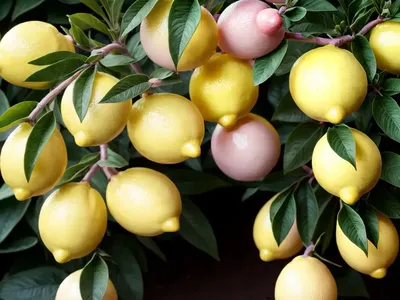
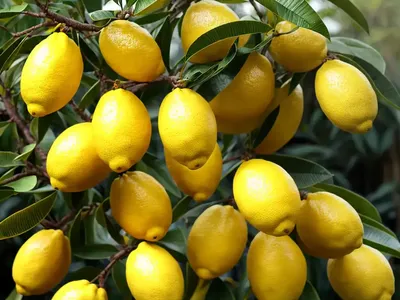
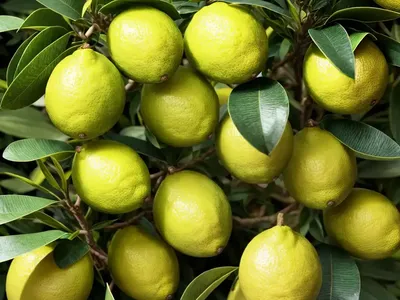
Citrus Orange (Citrus Sinensis)
Citrus orange, scientifically known as Citrus sinensis, is a widely cultivated fruit tree belonging to the Rutaceae family. Recognized for its juicy and.
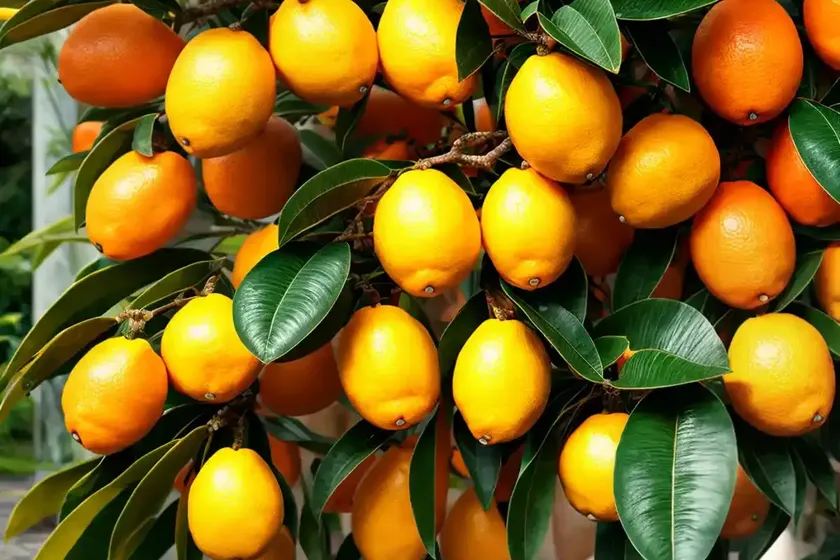
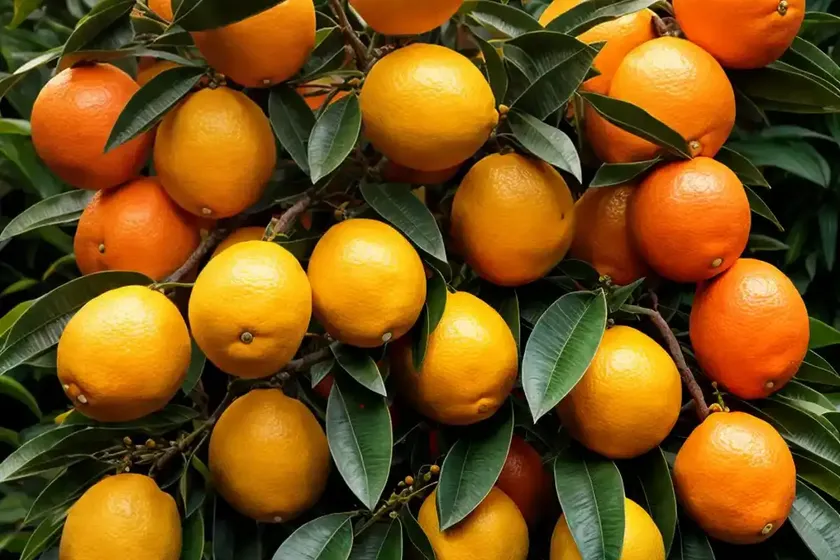
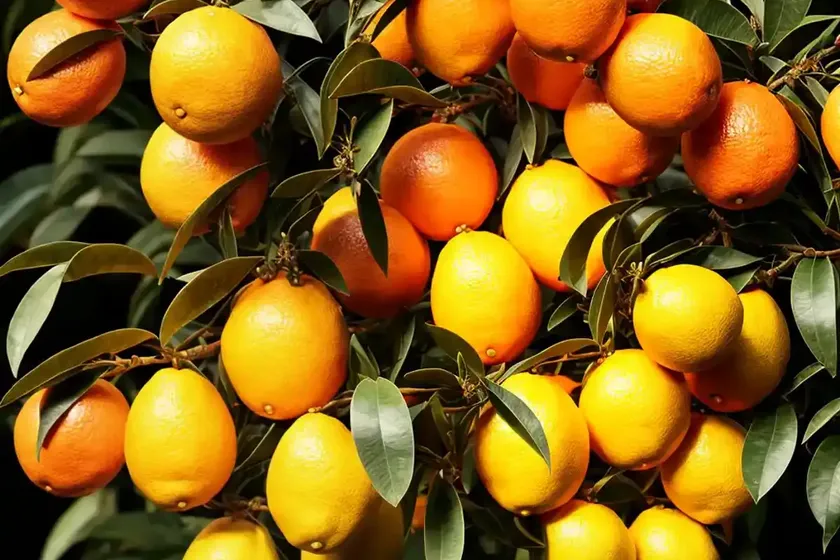
Citrus orange, scientifically known as Citrus sinensis, is a widely cultivated fruit tree belonging to the Rutaceae family. Recognized for its juicy and sweet fruit, the orange tree is valued for both its aesthetic appeal and agricultural significance. This comprehensive guide will delve into the various aspects of the Citrus orange, providing insights into its cultivation, uses, maintenance, and much more.
What is Citrus Orange (Citrus Sinensis)?
Citrus sinensis, commonly referred to as sweet orange, is a flowering evergreen tree that hails from Southeast Asia. With its glossy green leaves, fragrant white flowers, and brightly colored, tangy-sweet fruits, the orange tree has secured a special place not only in gardens and orchards but also in the hearts of fruit enthusiasts worldwide.
Key Takeaways – Citrus Orange (Citrus Sinensis)
Before delving into the intricacies of cultivating and caring for Citrus orange, let’s take a quick look at the key characteristics and essential information associated with this citrus tree.
- Scientific Name: Citrus sinensis
- Common Name: Orange tree
- Family: Rutaceae
- Fruit Type: Citrus fruit
- Fruit Color: Orange
- Flower Color: White
- Growth Habit: Evergreen tree
- Fruit Taste: Sweet and tangy
- Origin: Southeast Asia
- Popular Varieties: Valencia, Navel, Blood Orange
- Common Uses: Culinary, Medicinal, Ornamental
Now, let’s dive into the various aspects of cultivating and caring for Citrus orange, including its cultural requirements, uses, common diseases, and maintenance practices.
Culture
Uses
The Citrus orange tree is primarily cultivated for its juicy and flavorsome fruits. However, it also holds value in various other applications:
- Culinary Uses: The fruits are widely used in cooking, baking, and beverage preparation, adding a zesty and aromatic flavor to a wide range of dishes and drinks.
- Medicinal Applications: Rich in vitamin C and antioxidants, Citrus orange and its derivatives are utilized in traditional medicine for their immune-boosting and health-promoting properties.
- Ornamental Value: The attractive evergreen foliage, fragrant flowers, and vibrant fruits make the orange tree a prized ornamental plant, adorning gardens, parks, and landscapes.
Water
The Citrus orange tree has moderate water requirements, especially during its active growth and fruiting periods. Adequate soil moisture is crucial for fruit development and overall tree health. However, it’s important to avoid waterlogging, which can lead to root rot and other water-related issues.
- Watering Schedule: In general, young trees benefit from regular watering, while mature trees can withstand mild drought conditions. However, consistent moisture is vital during fruit development and hot, dry periods.
- Watering Techniques: Deep, infrequent watering is recommended to encourage robust root development and drought tolerance. Irrigation methods such as drip systems and soaker hoses can help deliver water directly to the root zone.
Sunlight
Being sun-loving plants, Citrus orange trees thrive in full sunlight. Adequate exposure to sunlight is essential for ensuring healthy growth, flowering, and fruiting. Insufficient light can hinder fruit production and compromise overall tree vigor.
- Sunlight Requirements: Citrus orange trees require at least 6-8 hours of direct sunlight daily for optimal growth and fruit development.
- Site Selection: When planting, choose a location that receives ample sunlight throughout the day, ensuring minimal shading from nearby structures or trees.
Fertilizer
Proper nutrition is crucial for promoting robust growth, flowering, and fruiting in Citrus orange trees. A balanced fertilizer regimen tailored to the tree’s specific needs can significantly enhance its overall performance.
- Fertilizer Types: Utilize a high-quality, slow-release fertilizer formulated for citrus plants to ensure the tree receives essential macro and micronutrients.
- Fertilization Schedule: Apply fertilizer in early spring before the onset of new growth, followed by additional feedings during the growing season according to the tree’s performance and nutrient requirements.
Soil
The choice of soil and its quality play pivotal roles in the successful cultivation of Citrus orange trees. Well-draining, nutrient-rich soils provide an optimal growing medium, supporting healthy root development and overall tree vigor.
- Soil Type: Citrus trees thrive in slightly acidic to neutral soils with excellent drainage. Sandy loam or loamy soils are often preferred for their balanced water retention and aeration properties.
- Soil Amendment: Incorporating organic matter such as compost, well-rotted manure, or coconut coir can enhance soil structure, fertility, and moisture retention.
Pruning
Pruning serves as a vital cultural practice for shaping the tree, promoting airflow and sunlight penetration, and regulating fruit production. Proper pruning also aids in disease control and overall tree maintenance.
- Pruning Goals: The primary objectives of pruning Citrus orange trees include removing dead or diseased branches, shaping the tree for optimal sunlight exposure, and managing its size to facilitate easier fruit harvesting and tree care.
- Timing: Pruning is typically carried out in late winter or early spring, prior to the onset of new growth. Avoid excessive pruning during the active growing season, as it can stress the tree and hamper fruit production.
Propagation
Citrus orange trees can be propagated through various methods, including seed propagation, grafting, and cutting propagation. Each technique offers distinct advantages and challenges, allowing growers to choose the most suitable method based on their preferences and resources.
- Seed Propagation: While viable, seed propagation often results in trees with unpredictable qualities and extended juvenile periods before fruiting.
- Grafting: Budding or grafting onto suitable rootstocks is a common practice for propagating Citrus orange trees, allowing for the production of true-to-type trees with desired characteristics.
- Cutting Propagation: Stem cuttings or air layering can be utilized for propagating selected Citrus orange cultivars, ensuring genetic uniformity and rapid establishment.
Container Popularity
Citrus orange trees exhibit excellent adaptability to container cultivation, making them popular choices for patio, balcony, and indoor gardens. Container-grown orange trees offer the flexibility to manage their growing environment and cater to space-constrained settings.
- Advantages: Container cultivation allows for mobility, efficient space utilization, and the ability to control soil conditions and tree size.
- Considerations: Adequate container size, quality potting mix, proper drainage, and regular maintenance are essential for ensuring the success of Citrus orange trees in containers.
Container Common Diseases
While container-grown Citrus orange trees are relatively insulated from some soil-borne diseases, they are still susceptible to certain issues commonly associated with container cultivation.
- Root Rot: Improper drainage or overwatering can lead to root rot, causing wilting, yellowing foliage, and overall tree decline.
- Nutrient Deficiencies: Containerized trees may exhibit nutrient deficiencies due to limited root space and reduced access to essential nutrients. Regular monitoring and appropriate fertilization are essential.
Disease Diagnosis
Diagnosing diseases in Citrus orange trees, whether in containers or in the ground, requires keen observation and a good understanding of common citrus ailments.
- Visual Symptoms: Recognizing signs of leaf discoloration, unusual growth patterns, and fruit abnormalities can provide valuable clues for identifying potential diseases.
- Professional Consultation: Seeking guidance from experienced horticulturists or plant pathologists can aid in accurate disease diagnosis and the formulation of effective management strategies.
Common Pests
Like their counterparts in the ground, container-grown Citrus orange trees are susceptible to a range of pests that can hinder their growth and fruiting.
- Aphids: These small, soft-bodied insects can colonize young shoots and foliage, causing distortion and stunted growth.
- Scale Insects: Scale insects can infest stems and leaves, feeding on the tree’s sap and causing yellowing, wilting, and sooty mold development.
Botanist’s Tips
For optimal success in growing and maintaining Citrus orange trees, it’s important to consider a few expert recommendations and insights.
- Site Selection: Choose a well-ventilated, sunlight-rich location for planting or positioning container-grown orange trees, ensuring adequate room for growth and development.
- Fertilization: Employ a balanced, citrus-specific fertilizer regimen to address the tree’s specific nutrient requirements and promote robust growth and fruiting.
- Pest and Disease Management: Regular scouting for pests and diseases, coupled with timely intervention using appropriate control measures, is critical for maintaining tree health and productivity.
Fun Facts
To add an element of fascination to our exploration of Citrus orange trees, here are some intriguing and lesser-known facts about these beloved citrus treasures.
- Colorful Varieties: From classic oranges to vibrant blood oranges and sweet mandarins, the citrus family offers an array of captivating flavors and colors.
- Historical Significance: Citrus fruits have been revered throughout history for their medicinal, aromatic, and culinary attributes, playing a prominent role in various cultures and traditions.
- Versatile Applications: Beyond their delectable fruit, various parts of the Citrus orange tree, including the peel and leaves, find uses in cooking, aromatherapy, and traditional medicine.
Links to External Resources
Expand your knowledge of Citrus orange (Citrus sinensis) by exploring the following reputable resources:
- University of Florida IFAS Extension: Growing Citrus in the Home Landscape
- University of California Cooperative Extension: Citrus for the Home Garden
- University of Arizona Cooperative Extension: Citrus and Deciduous Fruit Pest Management
- Citrus sinensis (L.) Osbeck – Sweet Orange
The exploration of Citrus orange (Citrus sinensis) is an endeavor filled with horticultural marvels, culinary delights, and a rich tapestry of history and tradition. Whether you’re considering planting an orange tree in your garden, cultivating it in a container, or simply seeking to appreciate its beauty and allure, the journey of Citrus orange is indeed a captivating and rewarding pursuit.