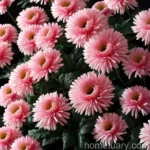
Chrysanthemum ‘Emperor of China’: The Ultimate Guide to Care and Cultivation
Chrysanthemum ‘Emperor of China’, with its mesmerizing beauty and rich cultural significance, has been captivating gardeners and plant enthusiasts for centuries. This stunning perennial plant, known for its exquisite flowers and diverse uses, holds a special place in the world of horticulture.
In this comprehensive guide, we will explore everything you need to know about Chrysanthemum ‘Emperor of China’, from its cultural significance to its care requirements and landscaping potentials. Whether you are a seasoned gardener or a novice plant enthusiast, this guide will equip you with the knowledge and insights to cultivate and appreciate this remarkable plant to its fullest potential.
What is Chrysanthemum ‘Emperor of China’?
Chrysanthemum ‘Emperor of China’, scientifically classified as Chrysanthemum morifolium, is a cultivar known for its stunning blooms and rich history. Belonging to the Asteraceae family, this plant species is native to China and has been cultivated for over 2,500 years, with a long-standing prominence in Chinese culture and traditions.
The ‘Emperor of China’ variety, in particular, is revered for its distinct characteristics, including its vibrant flowers, foliage, and compact growth habit. It is a notable member of the Chrysanthemum genus, which encompasses a wide array of cultivated varieties, each displaying unique features and attributes.
Key Takeaways – Chrysanthemum ‘Emperor of China’
Before delving into the specific aspects of cultivation and care for Chrysanthemum ‘Emperor of China’, let’s explore some key takeaways that encapsulate its essential attributes and requirements:
- Cultural Significance: Chrysanthemum ‘Emperor of China’ holds a rich cultural significance, particularly in Chinese traditions and ceremonies.
- Distinctive Flowers: The plant is renowned for its vibrant, daisy-like flowers that come in a variety of colors and forms.
- Versatile Uses: From landscaping and cut flower arrangements to traditional medicinal applications, Chrysanthemum ‘Emperor of China’ offers diverse uses.
- Cultivation Demands: The plant requires specific conditions related to sunlight, watering, soil, and maintenance for optimal growth and flower production.
With these key takeaways in mind, let’s delve deeper into the specifics of cultivating and caring for Chrysanthemum ‘Emperor of China’, ensuring a thorough understanding of its cultural significance, growth requirements, and potential uses.
Culture
Understanding the cultural background and significance of Chrysanthemum ‘Emperor of China’ is crucial for appreciating its symbolic value and historical relevance in various traditions. Here, we explore the cultural context of this captivating plant, shedding light on its symbolic meanings and ceremonial associations.
Symbolic Meanings
Within Chinese culture, Chrysanthemum ‘Emperor of China’ holds profound symbolic meanings, representing longevity, nobility, and integrity. The plant is revered as one of the “Four Gentlemen” in traditional Chinese arts, alongside orchid, bamboo, and plum blossom, symbolizing the virtues of these noble plants.
The Emperor of China variety, with its regal name, is particularly esteemed and has been associated with imperial and aristocratic symbolism throughout history. It embodies elegance and resilience, underscoring its significance in art, literature, and ceremonial contexts.
Ceremonial Uses
Chrysanthemum ‘Emperor of China’ has been prominently featured in various Chinese ceremonies and festivals, including the Double Ninth Festival and the National Chrysanthemum Day. During these occasions, the plant is celebrated for its aesthetic appeal and cultural symbolism, often displayed in intricate arrangements and artistic expressions.
Moreover, Chrysanthemum ‘Emperor of China’ has been historically revered as a symbol of honor and prestige, adorning imperial gardens and noble estates. Its association with dignified attributes has solidified its role as a revered plant in Chinese heritage.
Uses
The versatility of Chrysanthemum ‘Emperor of China’ extends beyond its ornamental value, encompassing a range of practical and cultural uses. From decorative landscaping to traditional medical applications, the plant offers a spectrum of utilization, enriching various aspects of human life.
Ornamental Value
One of the primary uses of Chrysanthemum ‘Emperor of China’ lies in its ornamental value, enlivening gardens, landscapes, and floral arrangements with its captivating blooms. The vibrant flowers, showcased in an array of colors and forms, serve as focal points in garden beds, borders, and containers, adding a touch of elegance and vibrancy to outdoor spaces.
Furthermore, the enduring popularity of Chrysanthemum ‘Emperor of China’ in floral displays and cut flower arrangements highlights its decorative appeal. The flowers, with their diverse hues and intricate petal patterns, lend themselves to artistic compositions, ranging from bouquets to centerpieces, contributing to the visual splendor of diverse settings.
Medicinal Applications
In traditional Chinese medicine, Chrysanthemum ‘Emperor of China’ has been esteemed for its medicinal properties, recognized for its potential health benefits and therapeutic uses. The plant’s flowers are often utilized in herbal preparations and infusions, believed to possess cooling, soothing, and detoxifying properties.
Moreover, Chrysanthemum ‘Emperor of China’ has been associated with various health-related attributes, including eye health, immune support, and stress relief, infusing a medicinal dimension into its multifaceted uses. Its integration into traditional medicinal practices underscores its significance beyond the realm of aesthetics.
Cultural Significance
Beyond its decorative and medicinal roles, Chrysanthemum ‘Emperor of China’ holds a deep-seated cultural significance, resonating with themes of longevity, resilience, and aristocratic elegance. Its integration into art, literature, and ceremonial traditions reflects its enduring place in Chinese heritage, enriching cultural expressions and symbolizing noble virtues.
By encompassing ornamental, medicinal, and cultural dimensions, Chrysanthemum ‘Emperor of China’ embodies a plant of profound significance, encapsulating both practical utility and aesthetic allure.
Water
Understanding the water requirements of Chrysanthemum ‘Emperor of China’ is crucial for maintaining optimal growth and vigor. Balancing hydration needs with proper drainage is essential in supporting the plant’s health and floral abundance.
Watering Guidelines
Chrysanthemum ‘Emperor of China’ thrives in well-draining soil that allows for adequate moisture retention without causing waterlogged conditions. When watering the plant, it is essential to strike a balance between allowing the soil to dry slightly between waterings and preventing prolonged periods of drought.
During the growing season, particularly in the spring and summer, regular watering is essential to sustain the plant’s vigorous growth and promote prolific flower production. However, care should be taken to avoid overwatering, which can lead to root rot and other moisture-related issues.
Moisture Management
Maintaining consistent moisture levels in the soil, particularly during the flowering period, is crucial for ensuring robust blooms and sustained vitality. Mulching around the base of the plant can aid in moisture retention, helping to regulate soil temperatures and reduce water evaporation.
Additionally, monitoring the soil moisture levels, especially during periods of intense heat or prolonged dry spells, allows for timely adjustments in watering frequency, preventing undue stress on the plant.
Sunlight
The sunlight requirements of Chrysanthemum ‘Emperor of China’ play a pivotal role in determining its overall growth, flowering performance, and resilience. Providing the appropriate levels of sunlight is essential for ensuring the plant’s vigor and floral abundance.
Sun Exposure
Chrysanthemum ‘Emperor of China’ thrives in well-lit environments that receive ample sunlight, ideally ranging from 4 to 6 hours of direct sun exposure per day. Positioning the plant in a location with sufficient sunlight promotes robust growth, sturdy stems, and vibrant flower development.
While the plant benefits from sunlight, especially during the growing season, it is crucial to protect it from excessive heat and intense afternoon sun, which can lead to wilting and sunscald. Providing partial shade during the hottest part of the day can mitigate potential sun-related stress on the plant.
Fertilizer
Applying the appropriate fertilization regimen is integral to the overall health, vigor, and flowering potential of Chrysanthemum ‘Emperor of China’. By providing essential nutrients in balanced proportions, the plant’s nutritional needs are met, enhancing its resilience and floral profusion.
Fertilization Approach
Chrysanthemum ‘Emperor of China’ benefits from regular fertilization during the growing season, typically from spring to early summer, when the plant undergoes active growth and budding. Utilizing a balanced, water-soluble fertilizer formulated for flowering plants helps meet the plant’s nutritional requirements, supporting robust foliage and prolific flowering.
When applying fertilizer, it is essential to follow the manufacturer’s instructions regarding dilution rates and frequency, avoiding excessive concentrations that can lead to nutrient imbalances or potential harm to the plant.
Soil Enrichment
Incorporating organic matter, such as compost or well-decomposed manure, into the soil before planting Chrysanthemum ‘Emperor of China provides a foundation of nutrient-rich substrate, promoting the plant’s initial establishment and subsequent growth. Additionally, periodic top-dressing with compost or organic fertilizers throughout the growing season augments the soil’s fertility, providing a sustained source of nutrients for the plant.
Fertilization Schedule for Chrysanthemum ‘Emperor of China’
- Early Spring: Apply a balanced, water-soluble fertilizer with a formulation of 10-10-10 or similar NPK ratio, following the recommended dilution and application rates.
- Mid-Spring: Administer a second round of fertilization, maintaining the balanced nutrient supply essential for robust growth and floral development.
- Early Summer: Continue the fertilization regimen as the plant progresses through the flowering phase, ensuring sustained nutrient support for optimal bloom production.
By adhering to a consistent fertilization schedule and incorporating organic amendments, Chrysanthemum ‘Emperor of China’ receives the essential nutrients required for vigor, resilience, and abundant flowering.
Soil
Creating a conducive growing environment through proper soil preparation and maintenance is fundamental to the health and vitality of Chrysanthemum ‘Emperor of China’. Understanding the soil preferences and composition suitable for the plant is essential for fostering optimal growth and floral abundance.
Soil Composition
Chrysanthemum ‘Emperor of China’ thrives in well-draining, loamy soil that offers a balance of moisture retention and aeration. The ideal soil composition consists of a rich, fertile medium with good permeability, allowing for essential water infiltration and root respiration.
Incorporating organic matter, such as compost or well-rotted manure, into the soil enhances its fertility, structure, and microbial activity, fostering a conducive rhizosphere for the plant’s root development and nutrient uptake.
pH Considerations
Maintaining a slightly acidic to neutral pH range, ideally between 6.0 and 7.0, is optimal for Chrysanthemum ‘Emperor of China’. Conducting a soil test to assess the pH levels and incorporating amendments, such as lime to raise pH or elemental sulfur to lower pH, enables the adjustment of soil acidity to the preferred range.
By creating a well-balanced soil environment with suitable drainage and nutrient content, the plant can thrive and express its full ornamental potential during the growing season.
Pruning
Implementing prudent pruning practices is pivotal in shaping the growth habit, enhancing floral display, and promoting overall health in Chrysanthemum ‘Emperor of China’. Through strategic pruning, the plant’s form and vitality are maintained, contributing to its aesthetic appeal and sustained vigor.
Pruning Objectives
- Encouraging Branching: Pruning Chrysanthemum ‘Emperor of China’ promotes lateral branching, facilitating a bushy, well-structured growth habit and abundant flower production.
- Deadheading Spent Blooms: Removing faded flowers redirects the plant’s energy toward new bud formation, prolonging the flowering period and enhancing the overall floral presentation.
- Controlling Height: Trimming back the plant’s stems helps manage its overall size and prevents excessively leggy growth, ensuring a compact, tidy appearance in the garden or landscape.
Pruning Techniques
When pruning Chrysanthemum ‘Emperor of China’, it is essential to use clean, sharp pruning shears to make precise cuts, minimizing the risk of damage or disease transmission. The following techniques can be applied for effective pruning:
- Branch Pinching: Regularly pinching back the tips of young shoots, especially in the early growth stages, stimulates lateral branching and promotes a fuller, more floriferous plant habit.
- Deadheading: As the flowers fade, promptly remove the spent blooms by cutting the stems just above a set of healthy leaves or lateral buds, encouraging continuous flowering.
- Height Control: To manage the plant’s height and promote a neat appearance, selectively trim back the stems, maintaining the desired size and form.
By adhering to appropriate pruning principles and techniques, Chrysanthemum ‘Emperor of China’ can exhibit a well-defined structure and prolonged floral abundance, enriching the garden or landscape with its captivating presence.
Propagation
Propagating Chrysanthemum ‘Emperor of China’ allows for the expansion of its presence in the garden or landscape, ensuring a continued supply of this magnificent plant. Understanding the various propagation methods facilitates the multiplication of the species, offering opportunities for cultivation and sharing among enthusiasts.
Propagation Techniques
Division
- Method: Divide established clumps of Chrysanthemum ‘Emperor of China’ in early spring, carefully separating the plant into smaller sections, each containing a portion of roots and shoots.
- Preparation: Ensure that the divided sections have a healthy root system and sufficient foliage to support new growth upon replanting.
- Planting: Replant the divided sections in well-prepared soil, providing adequate moisture and care to facilitate their establishment and subsequent growth.
Stem Cuttings
- Procedure: Take 4-6 inch stem cuttings from healthy, non-flowering shoots of Chrysanthemum ‘Emperor of China’ in the spring or early summer.
- Preparation: Remove the lower leaves from the cuttings and dip the cut ends in a rooting hormone to promote root formation.
- Rooting: Place the cuttings in a well-draining rooting medium and maintain consistent moisture and warmth to facilitate the development of new roots.
- Transplanting: Once the cuttings have developed a robust root system, transplant them into individual containers or prepared beds for further growth.
Propagation Considerations
When propagating Chrysanthemum ‘Emperor of China’, it is essential to prioritize the use of healthy, disease-free plant material to ensure the successful establishment of new specimens. Additionally, providing optimal growing conditions and attentive care during the propagation phase fosters the development of vigorous, resilient plants.
Container Popularity
Cultivating Chrysanthemum ‘Emperor of China’ in containers offers a versatile and visually captivating approach to featuring this remarkable plant in diverse settings. By embracing container gardening, the plant’s ornamental potential can be showcased with flexibility and creativity, enriching outdoor and indoor spaces with its vibrant presence.
Container Selection
Choosing suitable containers for growing Chrysanthemum ‘Emperor of China’ involves considering factors such as size, drainage, and aesthetic appeal. Opt for containers that provide ample room for root development, proper drainage through drainage holes at the base, and complement the plant’s ornamental qualities.
Considerations for Container Selection:
- Size: Select containers that accommodate the plant’s mature size, allowing for adequate root expansion and stability.
- Drainage: Ensure that the containers have sufficient drainage holes to prevent waterlogging and promote healthy root aeration.
- Material: Choose durable, weather-resistant materials, such as ceramic, plastic, or lightweight composite blends, that offer durability and visual appeal.
Container Planting
When planting Chrysanthemum ‘Emperor of China’ in containers, adhere to the following guidelines to facilitate successful growth and blooming:
- Potting Mix: Use a well-draining, nutrient-rich potting mix formulated for flowering plants, providing an optimal substrate for root development and water retention.
- Planting Depth: Position the plant at the same depth as its previous container or slightly elevated, ensuring that the crown sits just above the soil level to prevent rot and promote healthy growth.
- Watering: Maintain consistent moisture levels in the potting mix, allowing for adequate hydration without waterlogging, especially during the active growth and flowering phases.
By embracing container gardening with Chrysanthemum ‘Emperor of China’, the plant’s exquisite blooms and captivating foliage can grace patios, balconies, and indoor spaces, offering a portable and visually striking ornamental display.
Common Diseases
Protecting Chrysanthemum ‘Emperor of China’ from potential diseases is essential for sustaining its health and ornamental appeal. While the plant exhibits resilience, being vigilant and proactive in disease prevention aids in maintaining its vigor and vitality.
Common Diseases
1. Powdery Mildew
- Symptoms: White, powdery fungal growth on leaves, causing distortion and discoloration.
- Prevention: Ensure proper air circulation, avoid overhead watering, and apply fungicidal treatments as needed.
2. Leaf Spot
- Symptoms: Circular, dark spots on leaves, leading to defoliation and reduced vigor.
- Prevention: Remove affected plant debris, maintain good sanitation, and apply fungicidal sprays preventively.
3. Root Rot
- Symptoms: Wilting, yellowing leaves, and stunted growth, often accompanied by foul odors and rotting roots.
- Prevention: Ensure well-draining soil, avoid waterlogged conditions, and practice moderation in watering.
4. Botrytis Blight
- Symptoms: Gray, fuzzy fungal growth on flowers and foliage, causing decay and browning.
- Prevention: Provide proper air circulation, remove affected plant parts, and apply fungicidal treatments preventively.
By implementing proactive measures and prompt interventions when signs of disease arise, Chrysanthemum ‘Emperor of China’ can maintain its vigor and visual splendor, free from the detrimental effects of common diseases.
Disease Diagnosis
Being able to accurately diagnose and address potential diseases affecting Chrysanthemum ‘Emperor of China’ is crucial for safeguarding the plant’s health and preserving its ornamental value. By recognizing the symptoms and causes of prevalent diseases, timely interventions can be implemented to mitigate their impact.
Diagnostic Guidelines
1. Symptom Observation
- Carefully observe any visible changes, including leaf discoloration, wilting, spotting, or unusual growth patterns.
- Note any abnormal occurrences such as fungal growth, rotting, or pest infestations affecting the plant.
2. Causal Analysis
- Identify potential factors contributing to the observed symptoms, such as environmental conditions, water management, and proximity to diseased plants.
- Consider the history of the plant, including previous disease occurrences or adverse growth conditions.
3. Pathogen Identification
- Refer to plant pathology resources to identify common pathogens associated with the observed symptoms.
- Seek professional guidance or diagnostic services if the cause of the disease remains uncertain or requires specialized expertise.
By diligently examining the plant for any signs of disease, understanding the causal factors, and seeking appropriate guidance, the health and vitality of Chrys