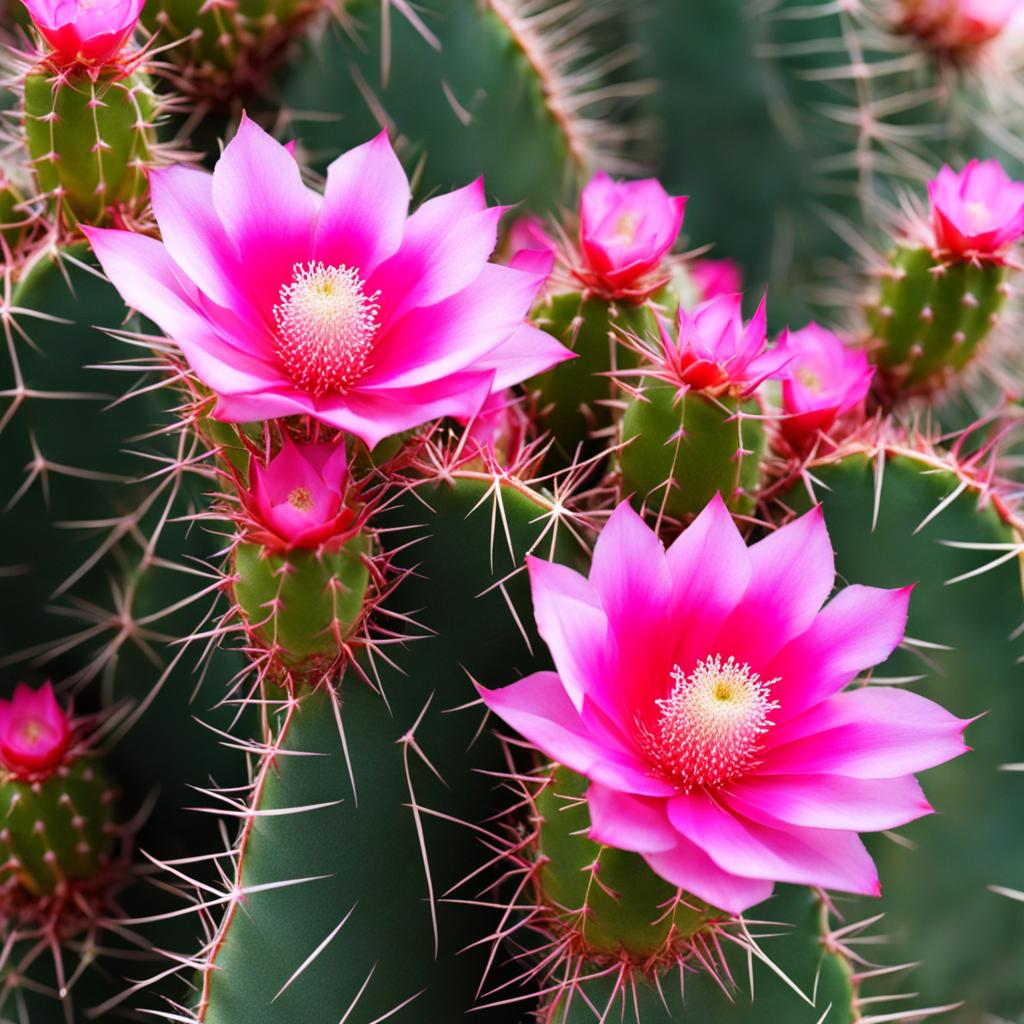
Greetings, plant enthusiasts! Today, I want to shine a spotlight on two popular festive plants: the Christmas cactus and the Thanksgiving cactus. These charming indoor plants, also known as holiday cacti, bring a touch of greenery and seasonal delight to our homes. But wait, how do we tell them apart? Let’s delve into the world of plant care and identification to unravel this mystery.
Now, before we dive into the fascinating details, it’s essential to understand that despite the subtle differences in appearance, both the Christmas cactus and the Thanksgiving cactus share the same care requirements. These lovely cacti belong to the Schlumbergera genus and have their unique blooming seasons. So, let’s get ready to discover the key characteristics that set these holiday plants apart.
Key Takeaways:
- Christmas cacti and Thanksgiving cacti are both holiday cacti and have similar care requirements.
- Identifying these plants relies on observing their stem segments and blooming seasons.
- Christmas cacti have purplish-red flowers and symmetrical blooms, while Thanksgiving cacti come in various colors and feature asymmetrical blooms.
- Easter cacti, with their rounded stem segments and star-shaped flowers, are another delightful addition to the holiday cactus family.
- Proper care, including bright indirect light, moderate watering, and the right soil and fertilizer, can help these cacti thrive.
Identifying Christmas Cactus
The Christmas cactus, scientifically known as Schlumbergera x buckleyi, can be identified by its unique stem segments. These segments can have either scalloped or pointed edges, but in the case of the Christmas cactus, they tend to have pointy edges. This characteristic distinguishes it from other holiday cacti. Additionally, the pollen of the Christmas cactus is pink, adding to its visual allure.
The Christmas cactus blooms from late November to late January, making it a popular indoor plant during the holiday season. However, it’s important to note that the Christmas cactus is often mistakenly sold as a Thanksgiving cactus due to their similar appearances. To further differentiate the Christmas cactus, one can observe its symmetrical flowers, which grow vertically.
To help you visualize the differences between the holiday cacti, here is a table summarizing the key identifying features of the Christmas cactus:
| Identifier | Description |
|---|---|
| Stem Segments | Pointy edges |
| Pollen | Pink |
| Blooming Period | Late November to late January |
| Flower Orientation | Symmetrical and vertical |
Image:
Identifying Thanksgiving Cactus
The Thanksgiving cactus, scientifically known as Schlumbergera truncata, can be distinguished by its unique stem segments with sharp, pointy edges. Unlike the rounded edges of the Christmas cactus, the Thanksgiving cactus has segments that are more angular in shape. These pointy edges give the plant a distinct appearance and make it easier to identify. Additionally, the pollen of the Thanksgiving cactus is yellow, which further sets it apart from its counterparts.
When it comes to blooming periods, the Thanksgiving cactus typically flowers from late October to November, although it may also bloom closer to Christmas in some cases. Unlike the symmetrical flowers of the Christmas cactus, the blooms of the Thanksgiving cactus are asymmetrical and grow horizontally. This unique blooming pattern adds to the charm of the plant and makes it a popular choice for indoor gardens during the holiday season.
So, if you spot stem segments with pointy edges and yellow pollen, chances are you’ve come across a Thanksgiving cactus. Its distinct features and blooming characteristics make it a delightful addition to any plant collection, particularly during the Thanksgiving season.
Identifying Easter Cactus
When it comes to identifying Easter cactus (Hatiora gaertneri), the key lies in examining its unique stem segments. Unlike its counterparts, the Easter cactus has stem segments with a rounded, oval shape. This distinct feature sets it apart from both the Christmas and Thanksgiving cacti. Additionally, the flowers of the Easter cactus are flat and star-shaped, with vibrant colors that bring a burst of energy to any indoor space.
The Easter cactus blooms in the spring, making it a delightful addition to your Easter festivities. Its colorful flowers, combined with the lush green foliage, create a visually captivating plant that is sure to attract attention. Whether you place it on a windowsill or as a centerpiece on your dining table, the Easter cactus will add a touch of natural beauty to your home.
As with all holiday cacti, the Easter cactus is a succulent plant that requires special care. It thrives in bright, indirect light, so placing it near a window where it can receive filtered sunlight is ideal. When it comes to watering, it’s important to keep the soil slightly moist, but not overly saturated, as this can lead to root rot. During the blooming season, allow the soil to dry slightly between waterings to mimic the plant’s natural environment.
To summarize, the Easter cactus can be identified by its rounded stem segments and star-shaped flowers. It blooms in the spring and requires bright, indirect light and moderate watering. With proper care, the Easter cactus will reward you with its vibrant blooms and bring a touch of natural beauty to your home.
Care for Your Holiday Cactus
Proper care is essential for the health and longevity of your holiday cactus. Whether you have a Christmas cactus, Thanksgiving cactus, or Easter cactus, following these guidelines will help ensure its well-being.
Watering: Holiday cacti prefer moderate watering. Keep the soil moist but not overly saturated. During the blooming season, allow the top inch of soil to dry out slightly between waterings. Overwatering can lead to root rot, so be mindful not to let the plant sit in standing water.
Light Requirements: Place your holiday cactus in a location that receives bright, indirect light. Avoid exposing it to direct sunlight, as this can cause sunburn on the leaves. However, too little light can prevent blooming, so finding the right balance is key.
Soil and Fertilizer: Use a well-draining cactus or succulent potting mix for your holiday cactus. This type of soil allows for proper drainage and prevents waterlogged roots. Fertilize your cactus monthly with a balanced, water-soluble fertilizer after the flowering season ends. This will provide the necessary nutrients for healthy growth.
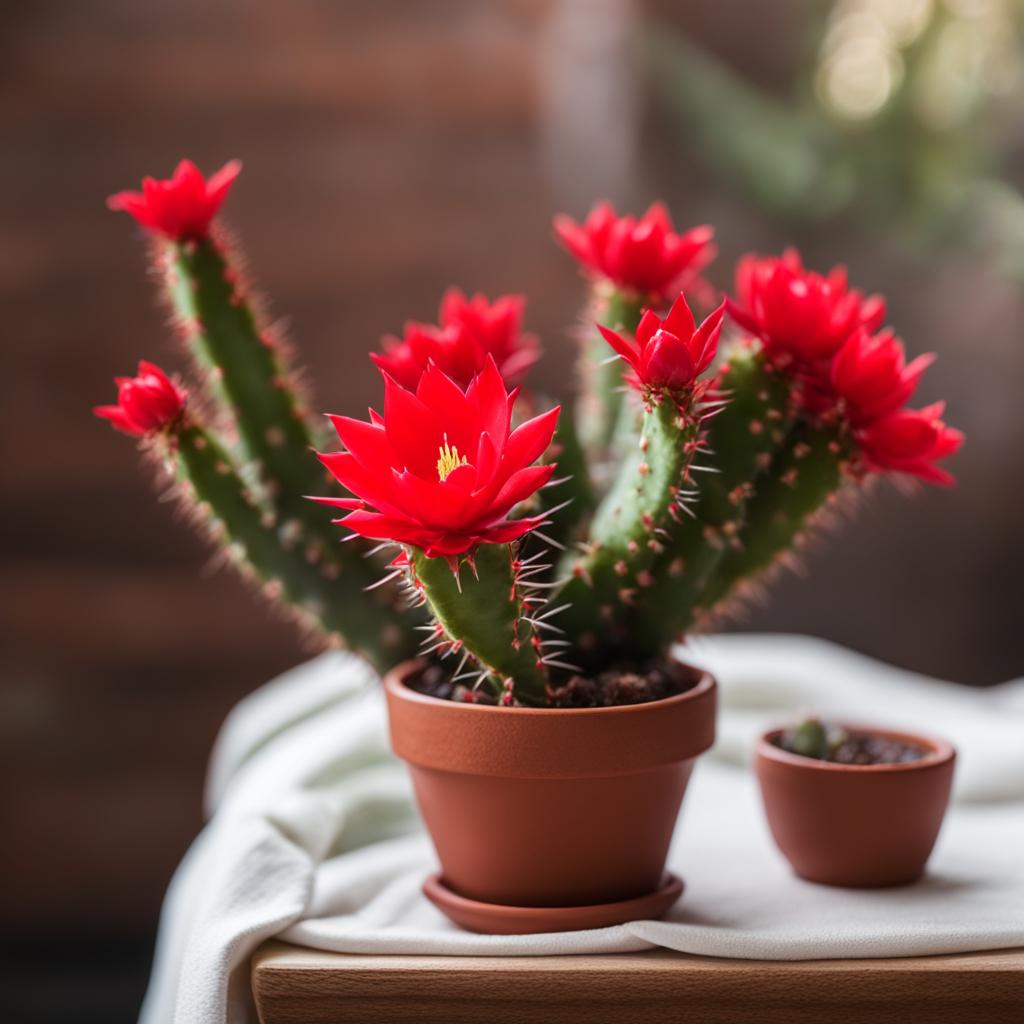
With proper care, your holiday cactus will thrive as an indoor plant and reward you with beautiful blooms year after year. Remember to adjust your watering and light levels as needed to meet the specific requirements of your cactus variety. These festive plants also make great gifts for friends and family, spreading holiday cheer and bringing natural beauty into their homes.
| Care | Holiday Cactus |
|---|---|
| Watering | Moderate watering, keeping soil moist but not waterlogged |
| Light Requirements | Bright, indirect light; avoid direct sunlight |
| Soil and Fertilizer | Well-draining cactus/succulent mix; monthly fertilization with balanced fertilizer |
Propagating Your Holiday Cactus
If you have a holiday cactus and want to expand your collection or share it with friends and family, propagating it from cuttings is a simple and rewarding process. Here’s how you can propagate your holiday cactus:
- Start by selecting a healthy stem segment from your cactus. Ideally, choose a Y-shaped cutting with two or three joined stem segments. This will increase the chances of successful rooting.
- Allow the cut end of the stem segment to dry out for a few days. This step is important to prevent rotting when the cutting is planted.
- Prepare a potting soil mix suitable for succulents. Fill a small pot or container with the potting soil and make a hole about an inch deep.
- Plant the dried end of the cutting into the hole in the potting soil, making sure it is secure and upright.
- Water the cutting lightly to settle the soil and promote root development. Keep the soil consistently moist during the rooting process.
- Place the pot in a warm and bright location, but away from direct sunlight. A temperature range of 65°F to 75°F (18°C to 24°C) is ideal for successful root growth.
- Within a few weeks, roots should start to form from the cut end of the stem segment. You can gently tug on the stem to check for resistance, which indicates that the roots are developing.
- Once the cutting has established a healthy root system, you can transplant it into a larger pot using a well-draining cactus or succulent potting mix.
Remember that propagating holiday cacti can be a fun and experimental process. You can also try rooting the cuttings in water before planting them in soil. Just place the cut end in a container of water and change the water every few days until roots develop. Once the roots are long enough, transfer the cutting to a pot with potting soil.
Tip: When propagating holiday cacti, it’s important to handle the stem segments with care to avoid damage. Always use clean, sharp tools for cutting, and be gentle when handling the cuttings to prevent breakage.
By propagating your holiday cactus, you can create new plants to enjoy or share with others. It’s a rewarding process that allows you to expand your plant collection and spread the beauty of these festive cacti.
Propagation Process at a Glance
| Step | Description |
|---|---|
| 1 | Select a healthy stem segment with two or three joined segments. |
| 2 | Let the cut end of the stem segment dry out for a few days. |
| 3 | Prepare a potting soil mix suitable for succulents. |
| 4 | Plant the dried end of the cutting into the potting soil. |
| 5 | Water the cutting lightly to settle the soil. |
| 6 | Place the pot in a warm and bright location, away from direct sunlight. |
| 7 | Check for root development after a few weeks. |
| 8 | Transplant the cutting into a larger pot with well-draining potting mix. |
Bloom Periods of Holiday Cacti
When it comes to holiday cacti, their blooming periods are an important distinguishing factor. Knowing when each type of cactus typically blooms can help you identify them correctly. Thanksgiving cacti, for example, usually burst into vibrant colors from November to December. On the other hand, Christmas cacti showcase their purplish-red flowers from January to February. As for Easter cacti, they bloom in the early spring. However, it’s worth noting that these blooming seasons can vary, as houseplants can be forced to bloom at different times.
To summarize:
- Thanksgiving cacti: November to December
- Christmas cacti: January to February
- Easter cacti: Early spring
Now, let’s take a closer look at each cactus type to better understand their unique characteristics.
Thanksgiving Cactus
The Thanksgiving cactus (Schlumbergera truncata) blooms from late October to November, sometimes extending into December. Its flowers are asymmetrical and grow horizontally. The stem segments of the Thanksgiving cactus have sharp, pointy edges, and the pollen is yellow in color. Even though it’s called the Thanksgiving cactus, it can surprise you by blooming closer to Christmas. So, keep an eye out for its cheerful display of colors during the holiday season.
Christmas Cactus
The Christmas cactus (Schlumbergera x buckleyi) shows off its beautiful purplish-red flowers from late November to late January. It’s important to note that Christmas cacti are often mistakenly sold as Thanksgiving cacti due to their similar appearance. However, one way to identify the Christmas cactus is by looking at its stem segments. They have rounder edges compared to the Thanksgiving cactus. The flowers of the Christmas cactus are symmetrical and grow vertically, creating an eye-catching spectacle.
Easter Cactus
Easter cacti (Hatiora gaertneri) bloom in the spring, bringing vibrant colors to your indoor garden. Their blooming period aligns with the Easter season, hence the name. These cacti have stem segments with a more oval, rounded shape. The flowers are flat and star-shaped, and they tend to point upward. If you’re looking for a cheerful burst of colors during the Easter season, the Easter cactus won’t disappoint.
| Cactus Type | Blooming Period | Characteristics |
|---|---|---|
| Thanksgiving Cactus | November to December | Flowers: Asymmetrical and grow horizontally Stem Segments: Pointy edges, yellow pollen |
| Christmas Cactus | January to February | Flowers: Symmetrical and grow vertically Stem Segments: Rounder edges, pink pollen |
| Easter Cactus | Early spring | Flowers: Flat and star-shaped, point upward Stem Segments: Oval, rounded shape |
Labeling Confusion
When it comes to holiday cacti, misidentification can be a common occurrence, and one contributing factor is the labeling used in stores. Some retailers may simplify the naming process by labeling all cacti from the Schlumbergera genus as “Holiday Cactus.” While this approach aims to avoid confusion about blooming periods, it can actually create more uncertainty for plant enthusiasts.
The mislabeling of holiday cacti can lead to difficulties in distinguishing between different species, such as Christmas and Thanksgiving cacti. As a result, individuals may unknowingly purchase a plant with the wrong blooming season. This confusion can be frustrating, particularly for those who specifically want a Christmas or Thanksgiving cactus to enjoy during the corresponding holidays.
To ensure you’re purchasing the correct holiday cactus, it’s important to look beyond the general “Holiday Cactus” label and identify the specific species. By understanding the differences in stem segments and blooming periods, you can confidently choose the right cactus for your desired holiday celebrations.
| Species | Stem Segments | Blooming Period |
|---|---|---|
| Christmas Cactus | Scalloped or pointed | Late November to late January |
| Thanksgiving Cactus | Sharp, pointy edges | Late October to November |
| Easter Cactus | Oval, rounded shape | Spring |
Environmental Factors for Blooming
When it comes to getting your holiday cactus to bloom, there are several important environmental factors to consider. These factors include light, temperature, and darkness. By providing the right conditions, you can encourage your cactus to produce beautiful blooms and enhance its overall health.
Light: Holiday cacti thrive in bright, indirect light. Placing your plant near a north or east-facing window is ideal. Avoid direct sunlight as it can scorch the leaves. If your cactus is not receiving enough light, it may not bloom or produce weak, spindly growth.
Temperature: Holiday cacti prefer cool temperatures to initiate blooming. During the day, maintain a temperature range of 68°F to 75°F (20°C to 24°C). At night, lower the temperature to 55°F to 65°F (13°C to 18°C). These temperature fluctuations mimic the natural conditions in their native habitat and can stimulate blooming.
Darkness: Holiday cacti are considered short-day plants, meaning they require long periods of darkness to bloom. Providing around 13 hours of continuous darkness each night can trigger the blooming process. If your cactus is exposed to artificial light at night, it may hinder or delay blooming.
By paying attention to these environmental factors, you can create the optimal conditions for your holiday cactus to bloom. Remember to provide bright, indirect light, maintain cool nighttime temperatures, and ensure periods of darkness. With the right care, your cactus will reward you with stunning blooms and enhance the festive atmosphere in your home.
Longevity of Holiday Cacti
Holiday cacti are not only beautiful and easy to care for, but they also have an impressive lifespan. These long-lasting plants can thrive for many years, making them a perfect addition to your indoor garden. With proper care and attention, holiday cacti can live for decades, and some have even been known to reach up to 100 years old.
One of the reasons for their longevity is their ability to adapt to various environments. Holiday cacti are native to the Brazilian rainforests, where they have evolved to withstand changing conditions and thrive in low-light environments. This resilience allows them to adapt well to indoor living, making them ideal plants for beginners and experienced gardeners alike.
Another factor that contributes to the longevity of holiday cacti is their natural dormancy period. After blooming, these cacti enter a period of rest where they require less water and light. This rest period helps them conserve energy and prepare for the next blooming season. By respecting their natural dormancy period and providing the right conditions, you can ensure the long-term health and vitality of your holiday cactus.
Factors that Influence Longevity
| Factors | Impact |
|---|---|
| Light | Holiday cacti prefer bright, indirect light. Exposing them to too much direct sunlight can cause sunburn, while insufficient light can result in weak growth and fewer blooms. |
| Watering | Overwatering can lead to root rot, while underwatering can cause dehydration and stunted growth. It’s important to find a balance and provide regular, moderate watering. |
| Temperature | Holiday cacti thrive in temperatures between 60°F and 70°F (15°C and 21°C). Extreme heat or cold can stress the plant and shorten its lifespan. |
| Soil | Well-draining soil is crucial for holiday cacti. A mix of potting soil and perlite or sand helps prevent waterlogged roots and promotes healthy growth. |
| Fertilization | Regular fertilization during the growing season can provide essential nutrients for the plant’s overall health. Use a balanced, water-soluble fertilizer diluted to half strength. |
By ensuring your holiday cactus receives the right amount of light, water, and nutrients, and by providing it with appropriate care throughout its lifespan, you can enjoy the beauty of these long-lasting plants for many years to come.
Similarities Among Holiday Cacti
When it comes to holiday cacti, such as Christmas, Thanksgiving, and Easter cacti, there are many similarities that make them easy to care for. These festive plants all belong to the same genus, Schlumbergera, and share similar care requirements, including watering, light preferences, and soil needs.
All holiday cacti are succulent plants, which means they have the ability to store water in their stems and leaves. This makes them well-suited for dry indoor environments and ensures they can survive periods of neglect.
One common characteristic of holiday cacti is their blooming patterns. While each variety has its own specific blooming period (Christmas cacti bloom from late November to late January, Thanksgiving cacti bloom from late October to November, and Easter cacti bloom in the spring), they all produce vibrant and colorful flowers. This makes them a stunning addition to any home, particularly during the holiday season.
Another similarity among holiday cacti is their ability to be propagated easily. By taking stem cuttings and following a few simple steps, you can create new plants to share with friends and family. Propagating holiday cacti is a great way to expand your collection and spread the joy of these beautiful plants.
Table: Comparison of Holiday Cacti Care Requirements
| Care Requirement | Christmas Cactus | Thanksgiving Cactus | Easter Cactus |
|---|---|---|---|
| Watering | Moist, but not soggy | Moist, but not soggy | Moist, but not soggy |
| Light | Bright, indirect light | Bright, indirect light | Bright, indirect light |
| Soil | Cactus or succulent potting mix | Cactus or succulent potting mix | Cactus or succulent potting mix |
| Fertilizer | Monthly after flowering | Monthly after flowering | Monthly after flowering |
As you can see from the table above, the care requirements for Christmas, Thanksgiving, and Easter cacti are virtually identical. This makes it easier for plant enthusiasts to care for these stunning succulents and enjoy their beautiful blooms year after year.
With their similarities in care requirements, flowering patterns, and ease of propagation, holiday cacti are an excellent choice for plant lovers of all skill levels. Whether you’re a beginner or a seasoned gardener, these succulent beauties are sure to bring joy and color to your home.
Benefits of Holiday Cacti
Holiday cacti, such as Christmas, Thanksgiving, and Easter cacti, offer several benefits as indoor plants. These festive succulents not only bring color and cheer to your home during the holiday season but also provide year-round enjoyment. Here are some of the key benefits of having holiday cacti:
- Seasonal Blooms: One of the main attractions of holiday cacti is their stunning flowering display. Whether it’s the vibrant purplish-red blooms of the Christmas cactus or the various colors of the Thanksgiving cactus, these plants add a touch of natural beauty to any space. The Easter cactus, with its flat and star-shaped flowers, also offers a unique and charming bloom.
- Low-Maintenance: Holiday cacti are known for their ease of care, making them ideal for both novice and experienced indoor gardeners. They require moderate watering and thrive in bright, indirect light. These plants can tolerate some neglect, so you don’t have to worry about constant monitoring.
- Long-Lasting: With proper care, holiday cacti can live for many years, bringing joy to your home season after season. They are long-lasting plants that can become cherished family heirlooms, passed down through generations. Their resilience and longevity make them a worthwhile addition to any indoor plant collection.
Overall, holiday cacti offer the benefits of seasonal blooms, low maintenance, and long-lasting beauty. Whether you choose to display them during the holiday season or enjoy their splendor year-round, these indoor plants are sure to enhance your home’s atmosphere and provide a delightful touch of nature.
Table: Summary of Benefits
| Benefits | Description |
|---|---|
| Seasonal Blooms | Stunning flowers in various colors |
| Low-Maintenance | Tolerant of neglect and easy to care for |
| Long-Lasting | Can live for many years with proper care |
Conclusion
After exploring the differences and similarities among holiday cacti, it is clear that identifying and caring for these plants can be a delightful challenge. Despite their subtle variations, such as stem segment shape and blooming periods, Christmas, Thanksgiving, and Easter cacti all belong to the same genus and share similar care requirements. By paying attention to the shape of the stem segments and the timing of their blooms, you can confidently identify and nurture these festive plants in your home.
Proper care is essential for the health and longevity of holiday cacti. Providing bright, indirect light, moderating watering, and using a cactus or succulent potting mix will help these plants thrive. Remember to fertilize them monthly after the flowering season ends, and consider giving holiday cacti as gifts, as they can be easily propagated from cuttings.
With their vibrant blooms and low-maintenance nature, holiday cacti offer a year-round source of beauty and joy. Whether it’s Christmas, Thanksgiving, or Easter, these plants will bring warmth and cheer to your home. So, embrace the challenge of identifying and caring for holiday cacti, and enjoy the rewards of their stunning blooms for years to come.
FAQ
What are the differences between Christmas cactus, Thanksgiving cactus, and Easter cactus?
The differences between these cacti are subtle. Christmas cactus has purplish-red flowers, Thanksgiving cactus comes in various colors, and Easter cactus has pink, orange, red, or white hues. The shape of their stem segments is the key to identifying each species.
How do I identify a Christmas cactus?
Christmas cactus (Schlumbergera x buckleyi) has stem segments with scalloped or pointed edges. The stem segments have rounder edges and the pollen is pink. The flowers are symmetrical and grow vertically. They bloom from late November to late January.
How do I identify a Thanksgiving cactus?
Thanksgiving cactus (Schlumbergera truncata) has stem segments with sharp, pointy edges. The pollen is yellow. The flowers are asymmetrical and grow horizontally. They bloom from late October to November, sometimes closer to Christmas.
How do I identify an Easter cactus?
Easter cactus (Hatiora gaertneri) has stem segments with a more oval, rounded shape. The flowers are flat and star-shaped, and they tend to point upward. They bloom in the spring and have vibrant colors.
How do I care for my holiday cactus?
Holiday cacti require bright, indirect light and moderate watering. The soil should be kept moist but not overwatered. Use a cactus or succulent potting mix and fertilize monthly after the flowering season ends.
How do I propagate my holiday cactus?
Holiday cacti can be easily propagated from cuttings. Take a Y-shaped cutting with two or three joined stem segments. Let the cut end dry for a few days, then plant it one inch deep in potting soil. Keep the soil moist and roots should form within a few weeks.
When do holiday cacti bloom?
Thanksgiving cacti typically bloom from November to December, while Christmas cacti bloom between January and February. Easter cacti bloom in the early spring. However, blooming seasons may vary, as houseplants can be forced to bloom at different times.
Why is there confusion in labeling holiday cacti?
Some stores mislabel cacti from the Schlumbergera genus as “Holiday Cactus” to avoid confusion about their blooming periods. This mislabeling can contribute to the confusion between Christmas and Thanksgiving cacti.
What environmental factors affect blooming?
To encourage blooming, provide bright light, night temperatures between 55°F and 65°F, and long nights with around 13 hours of continuous darkness. Holiday cacti are considered short-day plants and need cool temperatures and darkness to initiate blooming.
How long do holiday cacti live?
Holiday cacti can live for many years, with some reaching up to 100 years old. They are often passed down through generations as family heirlooms due to their longevity and ease of care.
What are the similarities among holiday cacti?
Despite their different blooming periods and slight variations in appearance, all holiday cacti belong to the same genus and have similar care requirements. They are succulent plants native to Brazilian rainforests.
What are the benefits of holiday cacti?
Holiday cacti provide a pop of color and cheer indoors during the holiday season and throughout the year. They are low-maintenance plants that can thrive as indoor houseplants, adding beauty to any space.
How can I tell the difference between these cacti?
By examining their stem segments and blooming periods, it is possible to distinguish between Christmas, Thanksgiving, and Easter cacti. With proper care, these festive plants can bring joy and beauty to your home year after year.
Source Links
- https://empressofdirt.net/identify-christmas-cactus/
- https://www.southernliving.com/garden/plants/difference-between-christmas-thanksgiving-easter-cactus
- https://www.dispatch.com/story/lifestyle/home-garden/2022/12/02/learn-to-identify-care-for-christmas-thanksgiving-and-easter-holiday-cacti/69682143007/