Christmas Fern (Polystichum Acrostichoides)
As a plant scientist with a passion for exploring and understanding different plant species, it’s a pleasure to delve into the rich world of Christmas.
As a plant scientist with a passion for exploring and understanding different plant species, it’s a pleasure to delve into the rich world of Christmas ferns. In this comprehensive guide, we will unravel the mysteries surrounding Polystichum Acrostichoides, commonly known as the Christmas Fern. From its cultural significance to its propagation, common diseases, and botanist’s tips, this article aims to be a one-stop resource for all things related to this remarkable fern species.
What is a Christmas Fern?
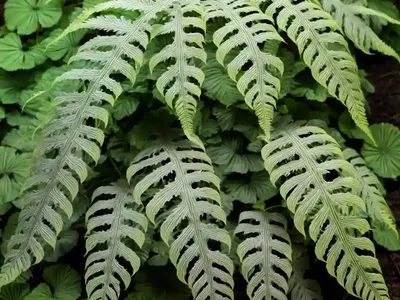
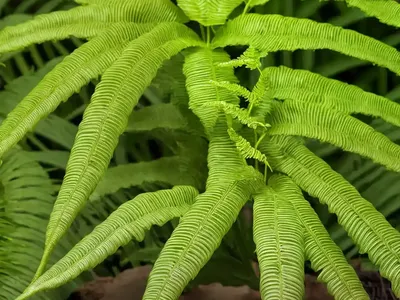
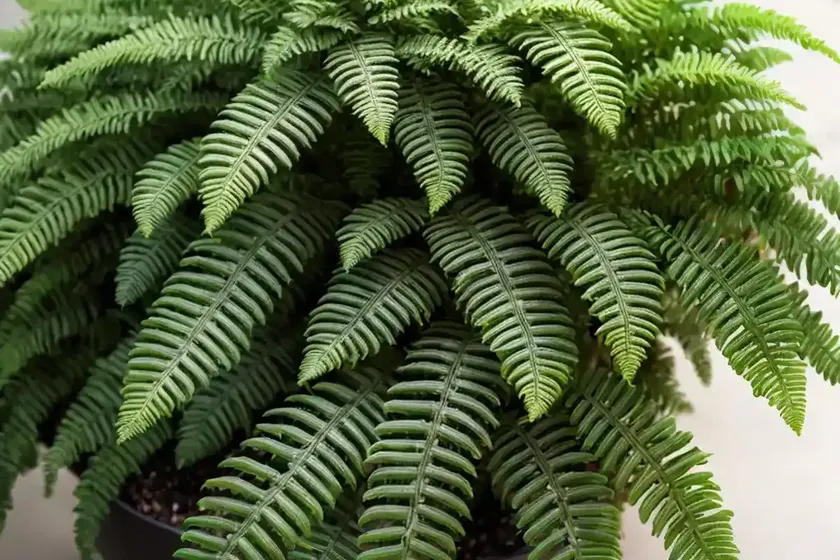
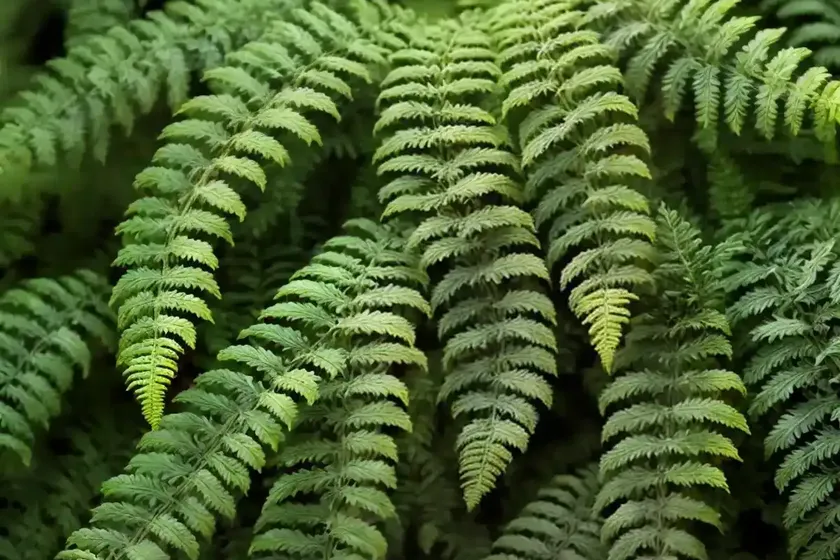
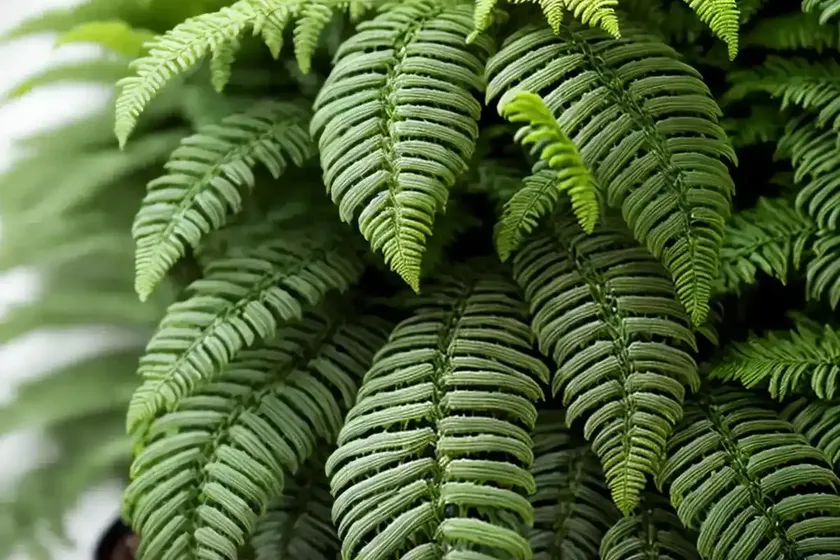
Before delving into the detailed aspects of the Christmas Fern, it’s important to understand what constitutes this fascinating plant. Polystichum acrostichoides, commonly referred to as the Christmas Fern, is a species of fern native to eastern North America. This perennial plant belongs to the family Dryopteridaceae and is characterized by its distinctive fronds that remain green throughout the winter, providing a delightful splash of color during the holiday season.
The Christmas Fern typically thrives in woodland habitats, often carpeting the forest floors with its lush, vibrant foliage. Its ability to retain its greenery during the winter months has contributed to its popularity as an ornamental plant, particularly during the festive season.
Key Takeaways – Christmas Fern (Polystichum Acrostichoides)
Before delving into the more intricate details of the Christmas Fern, let’s take a look at some key takeaways that will serve as a valuable reference point throughout this guide:
- Christmas Ferns, scientifically referred to as Polystichum Acrostichoides, are native to eastern North America and are characterized by their evergreen foliage.
- The Christmas Fern holds cultural importance and is popularly utilized in various holiday decorations, making it a sought-after plant during the festive season.
- This species is adaptable and relatively low-maintenance, making it an ideal addition to gardens, borders, and container displays.
- Understanding the specific cultural requirements, such as sunlight, water, and soil conditions, is crucial to ensuring the optimal growth of Christmas Ferns.
- Identifying and addressing common diseases and pests that affect Christmas Ferns is essential for maintaining their health and vibrancy.
Now, let’s delve deeper into the various aspects of the Christmas Fern, including its cultural significance, uses, maintenance requirements, propagation techniques, and more.
Culture
Understanding the cultural requirements of the Christmas Fern is essential for successfully cultivating and maintaining this species. From its preferred water and sunlight conditions to soil types and fertilizer needs, let’s explore the cultural nuances that contribute to the thriving growth of Polystichum Acrostichoides.
Uses
The Christmas Fern holds multifaceted uses, ranging from its cultural significance to its ornamental and landscaping applications. Let’s explore the diverse uses of this resilient fern species.
Holiday Decorations
One of the most notable uses of the Christmas Fern is its role in holiday decorations. The species’ evergreen nature and attractive fronds make it a popular choice for wreaths, centerpieces, bouquets, garlands, and other festive displays during the holiday season. Its vibrant green color and enduring foliage add a touch of natural elegance to Christmas decorations, making it a cherished component of holiday traditions.
Landscaping and Ornamental Display
Beyond its seasonal applications, the Christmas Fern also plays a vital role in landscaping and ornamental displays. Its adaptability to various soil and light conditions, coupled with its low maintenance requirements, makes it an ideal choice for gardens, borders, and container plantings. The plant’s attractive foliage and year-round greenery contribute to its ornamental value, enhancing the visual appeal of diverse outdoor settings.
Water
Proper water management is crucial for the optimal growth and health of Christmas Ferns. Consider the following guidelines to ensure adequate hydration for this resilient species:
- Moderate Moisture: Christmas Ferns thrive in moderately moist soil conditions, preferring well-draining, loamy soils that retain sufficient moisture without becoming waterlogged.
- Regular Watering: During the growing season, it is essential to provide regular watering to maintain soil moisture. However, avoid overwatering, as excessive moisture can lead to root rot and other detrimental conditions.
- Drought Tolerance: Once established, Christmas Ferns exhibit a degree of drought tolerance, making them relatively resilient during periods of reduced rainfall. However, maintaining consistent moisture levels is still beneficial for sustained health and vigor.
Sunlight
Understanding the sunlight requirements of the Christmas Fern is key to optimizing its growth and vitality. Consider the following insights to determine the ideal sunlight conditions for this species:
- Partial to Full Shade: Christmas Ferns display an affinity for shaded environments, thriving in partial to full shade conditions. This characteristic makes them well-suited for woodland settings and areas with dappled sunlight.
- Adaptability: While the species favors shade, it can also tolerate some degree of sunlight, particularly in cooler climates. However, prolonged exposure to intense sunlight may lead to stress and diminished vibrancy.
Fertilizer
Applying appropriate fertilizer can enhance the growth and resilience of Christmas Ferns. Consider the following fertilizer guidelines to support the health of this species:
- Organic Amendments: Incorporating organic matter into the soil can provide essential nutrients and improve soil structure, benefiting the overall health of Christmas Ferns.
- Balanced Fertilizer: During the growing season, applying a balanced, slow-release fertilizer can bolster the plant’s vigor and promote lush foliage. Opt for a formulation with balanced NPK ratios for comprehensive nutrient uptake.
Soil
The type and quality of soil significantly influence the growth and vitality of Christmas Ferns. Understanding the soil preferences of this species is crucial for creating an optimal environment for its flourishing. Consider the following soil considerations when cultivating Polystichum Acrostichoides:
- Well-Draining Soil: Christmas Ferns thrive in well-draining soil that retains sufficient moisture without becoming waterlogged. Loamy or sandy soils with good drainage properties provide an ideal growing medium for this species.
- pH Tolerance: The species exhibits a degree of pH tolerance, generally favoring slightly acidic to neutral soil conditions. Monitoring soil pH and making adjustments as needed can support the overall health of Christmas Ferns.
Pruning
Pruning and maintenance practices play a significant role in preserving the aesthetics and health of Christmas Ferns. Proper pruning techniques can help manage growth, remove damaged fronds, and promote overall vigor. Consider the following pruning guidelines for this species:
- Frond Removal: Periodically removing old or damaged fronds can enhance the appearance of Christmas Ferns and stimulate the growth of new foliage. Snip or gently prune fronds near the base to minimize disturbance to the plant.
- Spring Pruning: Conducting light pruning in early spring can facilitate the emergence of fresh, vibrant fronds, contributing to the plant’s overall lushness and appeal.
Propagation
Understanding the propagation techniques for Christmas Ferns can enable the expansion of their presence in diverse settings. The species’ suitability for propagation through spores or division offers opportunities to multiply its presence. Consider the following insights into propagating Polystichum Acrostichoides:
- Spore Propagation: Christmas Ferns can be propagated by collecting and sowing spores to yield new plants. This method typically involves creating a suitable growing medium for spore germination and carefully nurturing the resulting prothalli to establish new ferns.
- Division: Dividing established Christmas Ferns can also facilitate propagation. The process involves carefully separating rhizomes and root sections to create individual plantings, each capable of developing into a mature fern.
Container Popularity
The resilient and adaptable nature of Christmas Ferns contributes to their popularity as container plants. Their attractiveness and low-maintenance requirements make them ideal choices for container gardening. Consider the following insights into the popularity of Christmas Ferns in container settings:
- Container Display: Christmas Ferns form visually appealing and versatile additions to container gardens, contributing to the aesthetics of patios, balconies, and indoor spaces.
- Adaptability: The species’ adaptability to various light and moisture conditions makes it well-suited for container growth, offering flexibility in placement and display options.
- Seasonal Displays: Utilizing Christmas Ferns in seasonal container displays can enhance the festive ambiance of indoor and outdoor settings, particularly during the holiday season.
Container Common Diseases
While Christmas Ferns generally exhibit resilience and resistance to many diseases, certain conditions may predispose them to specific ailments. Understanding common diseases affecting container-grown Christmas Ferns is essential for proactive management and prevention. Consider the following insights into container common diseases and disease diagnosis:
Disease: Root Rot
Symptoms:
– Wilting or yellowing fronds
– Stunted growth
– Root discoloration and decay
Diagnosis:
– Inspect the plant for signs of root discoloration and mushy texture, indicative of rotting.
– Assess soil moisture levels and drainage to identify potential causes of excessive moisture.
Disease: Leaf Spot
Symptoms:
– Circular or irregular lesions on fronds
– Discoloration or browning of affected areas
– Leaf wilting or distortion
Diagnosis:
– Examine fronds for characteristic lesions, often exhibiting distinct margins and discoloration.
– Monitor environmental conditions, including humidity levels and foliage moisture, to identify contributing factors.
Disease Diagnosis
Accurate diagnosis of diseases affecting Christmas Ferns is essential for implementing targeted management strategies. Conducting thorough inspections and considering environmental factors can aid in the precise identification of plant ailments.
Common Pests
While Christmas Ferns exhibit resilience to numerous pests and diseases, they may still face challenges from certain insects and pathogens. Recognizing common pests and understanding their impact on the plant’s health is crucial for effective pest management. Consider the following insights into common pests that may affect Christmas Ferns:
Pest: Scales
Identification: Scales are small, immobile insects that often appear as raised bumps on the foliage, stems, or undersides of fronds.
Impact: Severe infestations can lead to stunted growth, yellowing of fronds, and overall decline in plant vigor.
Management: Implementing horticultural oils or insecticidal soaps can help control scale infestations. Pruning and disposing of heavily infested fronds can also aid in pest reduction.
Pest: Aphids
Identification: Aphids are small, soft-bodied insects that may cluster on the undersides of fronds, feeding on plant sap.
Impact: Aphid feeding can cause distorted growth, wilting, and the formation of sticky honeydew on foliage.
Management: Introducing natural predators, such as ladybugs, can help control aphid populations. Additionally, spraying with a strong jet of water can dislodge aphids from the plant.
Pest: Spider Mites
Identification: Spider mites are tiny arachnids that may produce fine webbing on the foliage, accompanied by stippling or discoloration of fronds.
Impact: Heavy infestations can lead to reduced vigor, visible webbing, and gradual decline in plant health.
Management: Regularly misting the plant to increase humidity levels can deter spider mites. Additionally, applying insecticidal soaps can help suppress mite populations.
Botanist’s Tips
As a botanist, my deep appreciation for the intricacies of plant life extends to the fascinating realm of Christmas Ferns. To ensure the successful cultivation and enjoyment of Polystichum Acrostichoides, consider the following botanist’s tips:
- Naturalize in Woodland Settings: Emulate the natural habitat of Christmas Ferns by cultivating them in shaded woodland areas with well-draining soil. Mimicking their native environment can foster optimal growth and resilience.
- Consistent Moisture: While tolerant of occasional dry spells, ensuring consistent moisture levels can support the lushness and vibrancy of Christmas Ferns. Regular monitoring of soil moisture is essential, particularly during the establishment phase.
- Seasonal Maintenance: Implement seasonal maintenance practices, such as light pruning and removal of debris, to promote the overall health and visual appeal of the ferns. Periodic assessment and adjustments to cultural conditions can facilitate sustained vitality.
Fun Facts
Exploring the unique characteristics and cultural significance of the Christmas Fern unveils a treasure trove of fascinating details. Delight in the following fun facts about this remarkable fern species:
- Holiday Symbolism: The evergreen nature of Christmas Ferns has rendered them symbolic of resilience and timeless beauty, making them a fitting addition to holiday decorations and displays.
- Cultural Heritage: Indigenous peoples of North America have historically utilized Christmas Ferns for medicinal purposes, appreciating their therapeutic properties.
- Botanical Resilience: Christmas Ferns have thrived for millions of years, embodying resilience in the face of changing environmental conditions and human influences.
Links to External Resources
To further enrich your understanding of Christmas Ferns and expand your horticultural knowledge, consider exploring the following resources:
- The American Fern Society: A valuable source of information on ferns, including detailed insights into the classification and cultivation of Polystichum Acrostichoides.
- North American Native Plant Society: Explore the significance of native plants, including Christmas Ferns, within the context of North American ecosystems and conservation efforts.
- Extension Services: Access your local extension service for region-specific guidelines on cultivating and maintaining Christmas Ferns in various environmental conditions.
In conclusion, the Christmas Fern epitomizes a convergence of botanical beauty, cultural symbolism, and environmental resilience. Embracing its evergreen charm and adaptable nature can enrich gardens, landscapes, and holiday traditions, making it a cherished presence in diverse settings. By understanding the cultural nuances, maintenance practices, and unique attributes of Polystichum Acrostichoides, we can celebrate and steward the enduring legacy of this remarkable fern species.