Christmas Cactus (Schlumbergera bridgesii): A Complete Care Guide
The Christmas cactus (Schlumbergera bridgesii) is a popular and charming houseplant known for its colorful and vibrant blooms during the holiday season. As a plant scientist specializing in horticulture and botany, I have dedicated my career to understanding the unique care requirements and growth habits of various plant species. In this comprehensive guide, I will delve into the fascinating world of the Christmas cactus, sharing valuable insights into its culture, uses, care tips, and common issues faced by growers.
What is the Christmas Cactus?
The Christmas cactus, scientifically known as Schlumbergera bridgesii, is a species of cactus native to the coastal mountains of south-eastern Brazil. Unlike typical desert-dwelling cacti, the Christmas cactus is an epiphyte, meaning it naturally grows on other plants, such as trees, rather than in soil. This unique characteristic has a profound impact on its care requirements and cultural preferences.
Description and Features
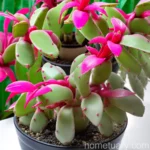
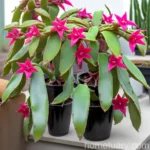
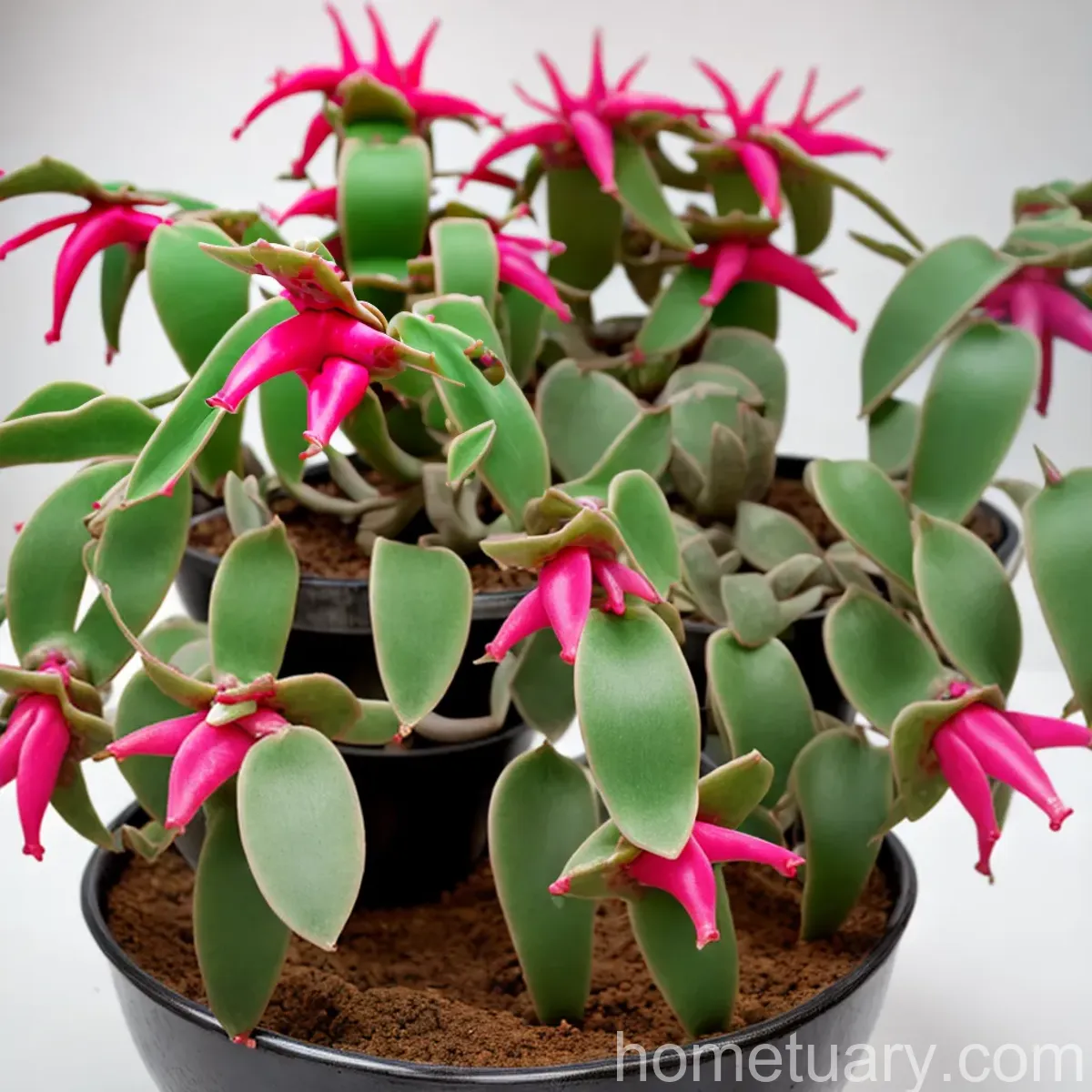
The Christmas cactus is characterized by its flattened, segmented stems with scalloped edges. The stems, often referred to as cladodes or phylloclades, are comprised of fleshy, green segments that provide an ideal environment for the development of colorful, tubular flowers. The flowers, which bloom from the tips of the segments, can range in color from white and pink to red and purple, adding a delightful splash of color to indoor spaces.
Key Takeaways – Christmas Cactus (Schlumbergera bridgesii)
Before delving into the specific care requirements of the Christmas cactus, let’s explore the key takeaways that will guide and inform our discussion.
- The Christmas cactus, or Schlumbergera bridgesii, is an epiphytic cactus species native to south-eastern Brazil.
- It is renowned for its vibrant, tubular flowers that bloom from flattened, segmented stems.
- The plant is popular as a festive houseplant, adding a touch of color and elegance to indoor spaces during the holiday season.
- Schlumbergera bridgesii requires unique care due to its epiphytic nature, including specific water, sunlight, and soil preferences.
- Understanding the propagation, pruning, and maintenance of Christmas cactus is essential for ensuring its health and longevity.
Now that we have an overview of the Christmas cactus, let’s explore each aspect of its care in detail.
Culture of Christmas Cactus
The cultural requirements of the Christmas cactus play a vital role in ensuring its overall health and longevity. From proper watering and sunlight exposure to suitable potting mix and fertilization, understanding the plant’s preferred culture is essential for successful growth and blooming.
Uses
The Christmas cactus serves as a delightful ornamental plant, admired for its stunning floral displays and unique growth habits. It is commonly used as a decorative houseplant, particularly during the holiday season, when its vibrant blooms add a festive touch to homes and indoor spaces.
Water
Proper watering is crucial for the health and vitality of the Christmas cactus, as overwatering or underwatering can lead to issues such as root rot or bud drop. It is essential to maintain a balanced watering routine, ensuring that the plant’s soil remains moist but not waterlogged. During the growing season, typically from spring to early fall, water the Christmas cactus when the top inch of the soil feels dry to the touch. Reduce watering frequency during the dormant period in late fall and winter, allowing the top inch of the soil to dry out more thoroughly between waterings.
Sunlight
The Christmas cactus thrives in bright, indirect light. While it can tolerate some direct sunlight, particularly in the morning hours, excessive exposure to intense sunlight can cause the plant to become sunburned or dehydrated. Position the Christmas cactus near a north or east-facing window where it can receive gentle, filtered sunlight throughout the day. During the summer months, it is beneficial to move the plant outdoors to a shaded area, providing a reprieve from indoor conditions and exposure to natural light.
Fertilizer
Fertilizing the Christmas cactus is essential for promoting healthy growth and robust blooming. During the active growing season in spring and summer, feed the plant with a balanced, water-soluble fertilizer formulated for flowering houseplants. Dilute the fertilizer to half or quarter strength and apply it every 4-6 weeks, ensuring that the soil is moist before application. Refrain from fertilizing during the dormant period in fall and winter, as the plant’s metabolic processes slow down and it requires less nutritional support.
Soil
The choice of potting mix greatly influences the health and development of the Christmas cactus. A well-draining, nutrient-rich soil blend is ideal for providing the plant with adequate moisture and aeration. Commercial cactus or well-draining potting mixes are suitable for the Christmas cactus, providing a blend of organic matter, perlite, and coarse sand. Additionally, incorporating a small amount of peat moss or coconut coir can enhance the soil’s water retention capacity while preventing waterlogging.
Pruning
Pruning the Christmas cactus is beneficial for maintaining its shape, removing dead or damaged stems, and encouraging bushier growth. Use clean, sharp scissors or pruning shears to trim any unwanted or unruly stems, taking care to make clean cuts just above a joint or segment. After flowering, consider pruning the plant to promote new growth and the development of additional branches, ensuring a fuller, more abundant display of blooms in the following season.
Propagation
Propagation of the Christmas cactus is commonly achieved using stem cuttings. Select healthy stems, ideally measuring 3-4 segments in length, and carefully remove them from the parent plant. Allow the cuttings to air dry for a few hours to form a callous at the wound site, then plant them in a well-draining propagation mix or a blend of perlite and peat moss. Keep the cuttings in a warm, bright location with indirect sunlight and maintain a slightly moist environment to encourage the development of roots. Once rooted, the cuttings can be potted individually in standard potting mix and cared for as mature plants.
Container
Choosing the right container for the Christmas cactus is integral to its overall health and growth. Select a pot with adequate drainage holes to prevent waterlogging and ensure proper aeration of the soil. Additionally, consider using a slightly smaller pot than the plant’s current size, as the Christmas cactus thrives in snug conditions, particularly during the blooming period.
Popularity
The Christmas cactus has garnered widespread popularity as a favored houseplant, particularly during the holiday season. Its remarkable ability to produce colorful, tubular flowers during the winter months has made it a cherished addition to festive decorations and indoor landscapes.
Now that we’ve explored the cultural aspects of the Christmas cactus, let’s delve into its specific care tips and recommendations to ensure optimal growth and blooming.
Common Diseases of Christmas Cactus
Despite being relatively low-maintenance, the Christmas cactus is susceptible to certain diseases and issues that can impact its health and appearance. Understanding and identifying common diseases and their diagnosis is essential for implementing timely and effective treatment.
Disease Diagnosis
- Root Rot: Symptoms include wilting, yellowing, and mushy stems, often accompanied by a foul odor. To diagnose root rot, carefully inspect the plant’s roots for signs of darkening, mushiness, and a distinct rotten smell.
- Fungal Diseases: Various fungal diseases, such as powdery mildew and botrytis, can affect the Christmas cactus, leading to the development of powdery or fuzzy growth on the stems and leaves. Additionally, fungal infections may cause discoloration, wilting, and stunted growth.
Common Pests
In addition to diseases, the Christmas cactus may also attract common pests that can compromise its health and appearance. Identifying and addressing pest infestations promptly is vital for protecting the plant and preventing significant damage.
- Spider Mites: These tiny arachnids are known for producing fine webbing on the plant’s stems and leaves, causing stippling, discoloration, and reduced vigor.
- Mealybugs: Recognizable by their white, cottony appearance, mealybugs can congregate on the Christmas cactus, sucking plant juices and weakening its overall health.
- Scale Insects: Scale insects appear as small, waxy bumps on the plant’s stems and leaves, often leading to yellowing, wilting, and loss of vitality.
Botanist’s Tips for Christmas Cactus Care
As a plant scientist and botanist with a deep appreciation for the Christmas cactus, I have gathered a wealth of tips and insights to aid growers in successfully caring for this enchanting plant. Here are some valuable recommendations for cultivating and maintaining thriving Christmas cacti:
- Proper Watering: Avoid overwatering the Christmas cactus by allowing the top inch of the soil to dry out between waterings, particularly during the dormant period. Use lukewarm water to prevent shock to the roots and maintain consistent moisture levels.
- Humidity Management: During the dry winter months, provide additional humidity by placing a shallow tray of water or a humidifier near the plant. Increasing humidity levels can prevent the plant from becoming dehydrated and stressed.
- Balanced Fertilization: Use a balanced, water-soluble fertilizer formulated for flowering houseplants to provide essential nutrients without overstimulating excessive growth. Dilute the fertilizer to avoid the risk of fertilizer burn and apply it according to the recommended frequency.
- Gentle Sunlight Exposure: Position the Christmas cactus in a location with bright, indirect light to ensure healthy growth and abundant blooming. Shield the plant from harsh afternoon sunlight, particularly during the summer, to prevent sunburn and leaf damage.
- Temperature Considerations: Maintain a consistent temperature range of 60-70°F (15-21°C) for the Christmas cactus, avoiding sudden temperature fluctuations and exposure to drafts or cold air.
- Dormancy Management: During the fall and winter, reduce watering and provide a cooler environment with shorter daylight hours to mimic the plant’s natural dormant period. This encourages the development of flower buds and supports the plant’s overall health.
- Pruning Practices: Prune the plant after flowering to reshape and encourage bushier growth. Remove any dead or withered stems and spent blooms to maintain the plant’s vigor and aesthetic appeal.
Armed with these expert tips, growers can confidently nurture their Christmas cacti and enjoy the rewarding experience of witnessing vibrant blooms and healthy, thriving plants.
Fun Facts about Christmas Cactus
To further appreciate the charm and allure of the Christmas cactus, let’s explore some intriguing fun facts about this beloved houseplant:
- Native Habitat: In its native habitat of south-eastern Brazil, the Christmas cactus thrives in the canopies of trees, commonly found growing on branches and trunks rather than in soil.
- Epiphytic Adaptations: The Christmas cactus has evolved unique adaptations that allow it to absorb moisture and nutrients from the air and rain, enabling it to thrive in its epiphytic habitat.
- Floral Symbolism: The Christmas cactus is often associated with symbols of abundance, gratitude, and endurance, making it a meaningful and cherished gift during the holiday season.
- Longevity and Resilience: When given proper care, the Christmas cactus can live for several decades, serving as a beautiful and enduring addition to home decor for generations.
- Hybrid Varieties: A wide array of hybrid Christmas cactus varieties exists, each showcasing distinct flower colors and patterns, providing growers with an extensive selection to choose from.
These fun facts contribute to the plant’s allure and enrich the experience of caring for and admiring the Christmas cactus.
Links to External Resources
For further information and in-depth guidance on caring for the Christmas cactus, refer to these valuable external resources:
- The Spruce – How to Care for a Christmas Cactus
- Royal Horticultural Society – Growing Cacti and Succulents
- University of Florida IFAS Extension – Christmas Cactus Culture and Management
- American Society for the Prevention of Cruelty to Plants – Guide to Caring for Schlumbergera
These resources offer comprehensive insights and practical advice for nurturing and maintaining the health and beauty of the Christmas cactus.
In conclusion, the Christmas cactus, or Schlumbergera bridgesii, captivates plant enthusiasts with its stunning blooms and unique cultural preferences. By understanding its specific care requirements, propagation techniques, and potential issues, enthusiasts can ensure the plant thrives and continues to grace indoor spaces with its vibrant presence. Whether as a cherished holiday decoration or a year-round ornamental plant, the Christmas cactus remains a beloved and engaging addition to any plant lover’s collection.
Schlumbergera bridgesii care tips, Christmas cactus planting guide, and propagation methods for Christmas cactus are among the essential components of successful cultivation and enjoyment of this remarkable plant. By incorporating the insights and recommendations outlined in this comprehensive guide, enthusiasts can confidently care for their Christmas cacti, witnessing their brilliant blooms and vibrant growth unfold with each passing season.