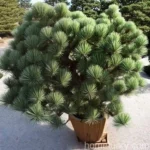
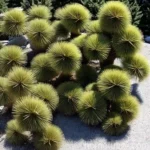
The Magnificent Chinese Red Pine (Pinus tabuliformis var. mukdensis)
The Chinese red pine (Pinus tabuliformis var. mukdensis) is a striking and valuable tree species known for its elegant beauty and practical uses. Its rich cultural history, ornamental features, and ecological significance make it a fascinating subject for plant enthusiasts and horticulturists alike. In this comprehensive guide, we’ll explore the various aspects of the Chinese red pine, including its cultural significance, uses, and essential care tips for nurturing this remarkable tree.
Key Takeaways – Chinese Red Pine (Pinus tabuliformis var. mukdensis)
- Cultural Significance: The Chinese red pine holds deep cultural significance in China and beyond, revered for its symbolic value and historical relevance.
- Ornamental Features: With its distinctive foliage, impressive stature, and overall aesthetic appeal, the Chinese red pine is a prized addition to landscapes and gardens.
- Ecological Importance: Beyond its visual allure, the Chinese red pine plays a vital role in supporting biodiversity and fostering sustainable ecosystems.
- Practical Uses: From timber and resin to medicinal applications, the Chinese red pine offers a range of practical and commercial benefits.
Let’s delve into the captivating world of the Chinese red pine, exploring its cultural, ecological, and practical aspects in detail.
What is the Chinese Red Pine (Pinus tabuliformis var. mukdensis)?
The Chinese red pine, scientifically known as Pinus tabuliformis var. mukdensis, is a variant of the Pinus tabuliformis species, which is native to several regions in Asia. Belonging to the Pinaceae family, this evergreen coniferous tree is characterized by its tall, straight trunk, dense crown, and dark green needles. It typically reaches heights of 50 to 70 feet, with an attractive pyramid-shaped crown that adds to its visual appeal.
Chinese red pines are renowned for their adaptability to various environmental conditions, making them suitable for diverse landscapes and climates. From their historical significance in Chinese culture to their practical applications in medicine and woodworking, these trees are revered for their multifaceted contributions to society and the natural world.
Cultural Significance
The Chinese red pine holds a revered place in Chinese culture, where it is celebrated for its symbolic meanings and historical associations. In traditional Chinese symbolism, the pine tree represents longevity, steadfastness, and resilience, often being equated with the virtue of inner strength and immortality. As such, the Chinese red pine has been a recurring motif in Chinese art, literature, and philosophy, embodying enduring values and spiritual ideals.
Beyond its symbolic significance, the Chinese red pine has also been used in various cultural practices, including the art of bonsai cultivation. The meticulous shaping and nurturing of Chinese red pine bonsai trees have been a longstanding tradition in Chinese and Japanese horticulture, reflecting the reverence for this species and the beauty of its form.
Ornamental Features
The Chinese red pine’s aesthetic appeal extends to its ornamental features, which make it a popular choice for landscaping and garden design. The striking contrast between the dark green foliage and the reddish-brown bark creates an eye-catching visual effect, particularly in winter when the vibrant color of the bark stands out against the snowy landscape.
Additionally, the pyramid-shaped crown of the Chinese red pine adds a sense of grandeur to any outdoor space, serving as a commanding focal point or an elegant backdrop for other garden elements. Its graceful silhouette and well-defined structure make it a versatile design element, suitable for both formal and informal garden styles.
Ecological Importance
In its natural habitat, the Chinese red pine contributes to the ecological balance by providing habitat and sustenance for various wildlife species. Its dense foliage offers shelter for birds and small mammals, while its seeds serve as a food source for certain woodland creatures. Furthermore, the root system of the Chinese red pine helps prevent soil erosion and contributes to stabilizing the surrounding ecosystem.
Beyond its immediate ecological role, the Chinese red pine also plays a part in mitigating climate change by sequestering carbon dioxide and releasing oxygen through photosynthesis. Its presence in forests and urban green spaces supports air quality and contributes to the overall well-being of the environment.
Practical Uses
The Chinese red pine is not only valued for its cultural and ornamental significance but also for its practical uses, ranging from timber production to medicinal applications. As a source of high-quality timber, the wood of the Chinese red pine is sought after for its strength, durability, and attractive grain patterns. It is utilized in construction, furniture making, and various woodworking applications.
Moreover, the resin extracted from the Chinese red pine has been historically used in traditional Chinese medicine for its purported healing properties. The resin is believed to have therapeutic effects and has been employed in remedies for respiratory ailments and skin conditions.
In summary, the Chinese red pine embodies a harmonious blend of cultural symbolism, visual allure, ecological value, and practical utility, making it a truly remarkable tree species with far-reaching significance.
Chinese Red Pine Tree Care
To ensure the well-being and longevity of Chinese red pine trees, it is essential to understand their specific care requirements. From suitable growing conditions to maintenance practices, the following sections will provide comprehensive insights into the care and nurturing of these majestic trees.
-
Water:
Chinese red pine trees generally prefer well-drained soil and moderate watering. It is important to establish a balanced watering routine, ensuring that the soil remains consistently moist but not waterlogged. During dry periods, supplemental watering may be necessary to support the tree’s growth and vitality.
-
Sunlight:
Being a sun-loving species, Chinese red pines thrive in full sunlight, requiring at least six to eight hours of direct sunlight daily for optimal growth and development. Adequate exposure to sunlight promotes vigorous foliage production and enhances the tree’s overall health.
-
Fertilizer:
While Chinese red pines are relatively low-maintenance in terms of fertilizer requirements, occasional soil amendment with a balanced, slow-release fertilizer can support their nutrient needs. It is advisable to fertilize the trees in early spring, promoting robust growth throughout the growing season.
-
Soil:
The ideal soil conditions for Chinese red pines include well-drained, slightly acidic soil with a pH range of 5.5 to 6.5. Loamy or sandy loam soils are particularly well-suited for these trees, providing good aeration and drainage essential for root health.
-
Pruning:
Regular pruning is essential for maintaining the shape and structural integrity of Chinese red pine trees. This practice helps remove dead or damaged branches, promotes air circulation within the canopy, and encourages balanced growth. Pruning should be conducted during the dormant season to minimize stress on the tree.
-
Propagation:
Chinese red pines can be propagated from seeds or through vegetative propagation methods such as grafting or cutting. Seed propagation requires patience and careful attention to environmental factors, while vegetative propagation techniques offer a more controlled and efficient means of reproducing desirable traits.
-
Container Popularity:
In horticultural and landscape design contexts, Chinese red pine trees are often favored for container planting due to their manageable size and ornamental value. They make elegant additions to outdoor container gardens, patios, and urban landscapes, adding a touch of timeless sophistication to the surroundings.
Common Diseases and Pests
Despite their resilience, Chinese red pine trees are susceptible to certain diseases and pests that can impact their health and vitality. Being aware of these potential threats and understanding how to address them is crucial for ensuring the long-term well-being of these magnificent trees.
-
Common Diseases:
-
Needle Blight: Needle blight, caused by fungal pathogens, can lead to browning, wilting, and defoliation of the tree’s needles. Proper sanitation, regular inspection, and the use of fungicidal sprays can help manage and prevent needle blight infections.
-
Root Rot: Excessive moisture and poor drainage can create conditions favorable for root rot pathogens, which can compromise the tree’s root system. Improving soil drainage and avoiding overwatering are key strategies for preventing root rot in Chinese red pines.
-
Disease Diagnosis:
Early diagnosis of diseases in Chinese red pine trees is essential for implementing timely and effective treatment measures. Regular monitoring of the tree’s foliage, bark, and overall growth patterns can aid in detecting signs of disease, prompting prompt intervention to mitigate the impact on tree health.
-
Common Pests:
-
Pine Bark Beetles: These destructive pests can infest Chinese red pine trees, causing damage to the tree’s vascular system and leading to dieback. Implementing preventive measures such as proper tree care practices and the use of insecticidal treatments can help protect against pine bark beetle infestations.
-
Spider Mites: Spider mites can pose a threat to the foliage of Chinese red pine trees, causing discoloration, stippling, and overall decline in tree vigor. Regular monitoring and the application of horticultural oils or miticides can help manage spider mite populations effectively.
Botanist’s Tips for Growing Chinese Red Pines
Based on our understanding of the Chinese red pine’s growth requirements and maintenance needs, here are some valuable tips for successfully growing and nurturing these majestic trees:
-
Choose a Suitable Site: Select a planting site with well-drained soil, good sunlight exposure, and ample space for the tree to reach its full potential.
-
Monitor Moisture Levels: A balance of moisture is crucial for Chinese red pines, so regularly check the soil moisture and adjust watering as needed to prevent both drought stress and waterlogged conditions.
-
Implement Pruning Carefully: When pruning Chinese red pines, focus on maintaining the tree’s natural form while removing any damaged or diseased branches to promote overall health.
-
Guard Against Pests and Diseases: Regularly inspect the tree for signs of pests and diseases, implementing preventive measures and treatments as needed to protect its well-being.
-
Consider Container Planting: For urban and small-space environments, consider planting Chinese red pines in containers for a touch of greenery and elegance in constrained settings.
By applying these tips along with a thorough understanding of the cultural significance, ornamental value, and ecological importance of Chinese red pines, horticulturists and enthusiasts can cultivate and care for these extraordinary trees with confidence and expertise.
Fun Facts about Chinese Red Pine (Pinus tabuliformis var. mukdensis)
- The Chinese red pine has been depicted in traditional Chinese ink paintings and poetry, symbolizing strength, longevity, and resilience.
- Despite its name, the wood of the Chinese red pine ranges in color from light reddish-brown to yellowish-brown, exhibiting natural variations in hue and grain patterns.
- The species name “mukdensis” refers to Mukden, a historically significant city in China, highlighting the geographic association of this pine tree variant.
Links to External Resources:
For further exploration of Chinese red pine trees and related topics, consider exploring the following external resources:
- The Royal Botanic Garden Edinburgh – Chinese Red Pine
- Arnold Arboretum of Harvard University – Pinus tabuliformis
- Missouri Botanical Garden – Pinus tabuliformis
- The American Conifer Society – Pinus tabuliformis
- Sustainable Urban Landscapes – Chinese Red Pine Identification and Care
These resources offer a wealth of information, imagery, and expert insights into the cultivation, characteristics, and significance of Chinese red pines, enriching the understanding and appreciation of this remarkable tree species.
In conclusion, the Chinese red pine (Pinus tabuliformis var. mukdensis) stands as a testament to the profound interplay between culture, nature, and human ingenuity. From its enduring symbolism in Chinese traditions to its ecological contributions and practical uses, the Chinese red pine represents a harmonious convergence of beauty and utility. Through dedicated care, preservation of its cultural legacy, and responsible stewardship, this extraordinary tree continues to inspire and enrich our botanical landscapes and collective consciousness.
Remember, in the cultivation of Chinese red pines, we not only nurture a living symbol of strength and grace but also perpetuate a timeless connection to the natural world and the cultural heritage of the East.
The information provided in this article is for educational and informational purposes only. The reader is encouraged to consult relevant professionals for specific advice and guidance related to the cultivation and care of Chinese red pine trees.
Keywords: Pinus tabuliformis var. mukdensis, Chinese red pine varieties, Pinus tabuliformis mukdensis information, Characteristics of Chinese red pines, Chinese red pine facts, Varieties of Pinus tabuliformis, Chinese red pine tree care, Pinus tabuliformis mukdensis cultivation, How to grow Chinese red pines, Pinus tabuliformis var. mukdensis care tips, Chinese red pine species, Pinus tabuliformis mukdensis characteristics, Chinese red pine tree facts, Pinus tabuliformis varieties in China, Chinese red pine growth requirements, Tips for growing Pinus tabuliformis var. mukdensis, Chinese red pine tree benefits, Pinus tabuliformis var. mukdensis uses, Chinese red pine tree planting guide, Pinus tabuliformis mukdensis landscaping ideas, Growing Chinese red pines in your garden, Pinus tabuliformis var. mukdensis propagation methods, Chinese red pine tree diseases, Pinus tabuliformis mukdensis pests and treatments, Chinese red pine varieties in landscaping, Pinus tabuliformis var. mukdensis growth habits, Chinese red pine tree pruning techniques, Pinus tabuliformis mukdensis soil requirements, Chinese red pine tree climate preferences, Pinus tabuliformis var. mukdensis landscape design, Chinese red pine tree planting instructions, Pinus tabuliformis mukdensis foliage color, Chinese red pine varieties for urban environments, Pinus tabuliformis var. mukdensis tree height, Chinese red pine tree cold hardiness, Pinus tabuliformis mukdensis root system, Chinese red pine tree drought tolerance, Pinus tabuliformis var. mukdensis companion plants, Chinese red pine tree pruning schedule, Pinus tabuliformis mukdensis wood uses, Chinese red pine varieties in horticulture, Pinus tabuliformis var. mukdensis landscape benefits, Chinese red pine tree pollination, Pinus tabuliformis mukdensis seed germination, Chinese red pine tree wildlife habitat, Pinus tabuliformis var. mukdensis ornamental features, Chinese red pine varieties in traditional medicine, Pinus tabuliformis mukdensis wind resistance, Chinese red pine tree ecological role, Pinus tabuliformis var. mukdensis root diseases.