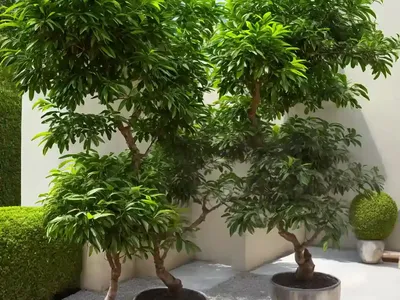
Chinese Perfume Tree (Aglaia Odorata)
The Chinese Perfume Tree, scientifically known as Aglaia Odorata, is a delightful and fragrant addition to any garden or landscape. This ornamental plant.
The Chinese Perfume Tree, scientifically known as Aglaia Odorata, is a delightful and fragrant addition to any garden or landscape. This ornamental plant is cherished for its beautiful foliage and sweet-smelling flowers, making it a popular choice for botanical enthusiasts and horticulturists. In this comprehensive guide, we will explore the cultivation, care, and diverse uses of the Chinese Perfume Tree, along with its unique characteristics and maintenance requirements.
What is the Chinese Perfume Tree (Aglaia Odorata)?
The Chinese Perfume Tree, also commonly referred to as the Mock Lemon, is a flowering plant from the Rutaceae family. Native to Southeast Asia, including China, Taiwan, and Vietnam, this species is renowned for its aromatic flowers that emit a pleasant and distinctive fragrance, hence the name “Perfume Tree.”
The plant can grow up to 15 meters in height and features glossy, dark green leaves that provide a lush and vibrant appearance. The clusters of small, yellow flowers exude a sweet scent, captivating anyone in their vicinity. The Chinese Perfume Tree is a deciduous tree, shedding its leaves in the cooler months, before blooming with fresh foliage and flowers during the warmer seasons. Its botanical name “Aglaia” is derived from the Greek mythological figure Aglaia, who represents beauty, brightness, and adornment – all traits that resonate with the charm of this splendid tree.
Key Takeaways – Chinese Perfume Tree (Aglaia Odorata)
Before delving into the specifics of caring for the Chinese Perfume Tree, let’s outline the fundamental aspects that will be covered in this comprehensive guide:
- Culture
- Uses
- Water
- Sunlight
- Fertilizer
- Soil
- Pruning
- Propagation
- Container Popularity
- Container Common Diseases
- Disease Diagnosis
- Common Pests
- Botanist’s Tips
- Fun Facts
- Links to External Resources
Now that we have an overview of the key focus areas, let’s proceed with an in-depth exploration of each aspect to ensure a thorough understanding of this captivating plant species.
Culture
The culture of the Chinese Perfume Tree encompasses its historical significance, traditional uses, and its role in various cultures and societies. This section will shed light on the cultural relevance and symbolism associated with the Aglaia Odorata.
Uses
Understanding the diverse uses of the Chinese Perfume Tree is essential to fully appreciate its value and significance. This section will explore its ornamental, medicinal, and aromatic uses, uncovering the myriad ways in which this plant enriches our lives.
Water
Proper watering is crucial for the health and vitality of the Chinese Perfume Tree. In this section, we will discuss the specific water requirements and best practices for ensuring optimal hydration of the Aglaia Odorata.
Sunlight
Sunlight plays a vital role in the growth and development of plants. Here, we will examine the sunlight preferences of the Chinese Perfume Tree, guiding enthusiasts on providing the ideal lighting conditions for this species to thrive.
Fertilizer
Nutrient supplementation through fertilizer application is essential for robust growth and vibrant blooms. This section will delve into the fertilizer requirements and recommended fertilization techniques for the Chinese Perfume Tree.
Soil
The soil composition and quality profoundly impact the well-being of the Chinese Perfume Tree. Here, we will outline the ideal soil conditions and considerations for this species, enabling enthusiasts to create an optimal growing environment.
Pruning
Pruning is an essential horticultural practice that influences the form, structure, and flowering of plants. This section will offer guidance on pruning the Chinese Perfume Tree to maintain its health and enhance its aesthetic appeal.
Propagation
Reproduction and propagation methods are essential aspects of plant care. In this section, we will explore the propagation techniques suitable for the Chinese Perfume Tree, allowing enthusiasts to expand their collection of Aglaia Odorata.
Container Popularity
The Chinese Perfume Tree’s potential for container gardening makes it a favored choice for urban and space-constrained environments. Here, we will discuss the popularity and benefits of cultivating the Aglaia Odorata in containers.
Container Common Diseases
Even in containers, plants are susceptible to diseases. This section will cover the common diseases that may affect the Chinese Perfume Tree when grown in containers and how to manage and prevent them.
Disease Diagnosis
Identifying and diagnosing plant diseases is crucial for prompt and effective treatment. Here, we will equip enthusiasts with knowledge on diagnosing diseases that may afflict the Chinese Perfume Tree.
Common Pests
Pest infestations can threaten the health and beauty of plants. In this section, we will explore the common pests that may target the Chinese Perfume Tree and effective pest management strategies.
Botanist’s Tips
Insights and tips from botanists and horticultural experts can offer invaluable guidance for successful plant care. This section will present essential tips and recommendations for cultivating and maintaining the Chinese Perfume Tree.
Fun Facts
Discovering intriguing and captivating facts about the Chinese Perfume Tree adds a layer of fascination to its cultivation. Here, we will explore fun and remarkable facts about the Aglaia Odorata that will delight plant enthusiasts.
With these key sections outlined, let’s embark on a detailed exploration of the Chinese Perfume Tree, providing comprehensive insights into its cultivation, care, and unique attributes.
Chinese Perfume Tree (Aglaia Odorata): In-Depth Analysis
Culture
The Chinese Perfume Tree holds significant cultural symbolism and traditional uses in the regions where it is native. In many Southeast Asian countries, the flowers of Aglaia Odorata are used in religious ceremonies, festivities, and cultural rituals due to their sweet and captivating fragrance. The plant’s association with positive and auspicious events has earned it a revered status in many communities.
The fragrant flowers are also employed in traditional perfumery and aromatherapy practices. The essential oils extracted from the blooms are valued for their aromatic properties, often used in crafting perfumes, fragrant oils, and other scented products. This cultural heritage and historical significance of the Chinese Perfume Tree contribute to its enduring appeal and timeless charm.
Uses
The Chinese Perfume Tree offers a wide array of uses, ranging from ornamental and aromatic to medicinal applications. Let’s explore each of these aspects in detail:
Ornamental Use:
As an ornamental plant, the Chinese Perfume Tree adds a touch of elegance and allure to any garden or landscape. The lush foliage and fragrant flowers make it a visually enchanting addition, creating a serene and inviting ambiance. Whether grown as a standalone specimen, planted in groups, or incorporated into mixed borders, the Aglaia Odorata enhances the aesthetic appeal of outdoor spaces. Its graceful form and aromatic blooms make it a popular choice for landscaping and garden design, attracting butterflies and other pollinators, thus contributing to biodiversity and ecosystem health.
Aromatic Use:
The sweet-scented flowers of the Chinese Perfume Tree are a source of natural fragrance and have been utilized for centuries in perfumery and aromatherapy. The essential oils extracted from the flowers possess a delightful aroma, often described as having citrusy and floral notes. These oils are employed in creating perfumes, scented oils, and aromatic blends that captivate the senses with their uplifting and soothing fragrance. The Aglaia Odorata’s aromatic allure has earned it a cherished place in the realm of natural fragrance ingredients, appreciated for its distinct and enduring scent.
Medicinal Use:
In traditional medicine, various parts of the Chinese Perfume Tree have been utilized for their potential therapeutic properties. The bark, leaves, and flowers of Aglaia Odorata contain bioactive compounds that have been studied for their pharmacological effects. In some traditional medicinal practices, preparations derived from this plant are used to address certain ailments and promote well-being. While further research is warranted to validate and elucidate its medicinal potential, the historical use of the Chinese Perfume Tree in traditional medicine underscores its cultural and botanical significance.
Water
The Chinese Perfume Tree exhibits moderate water requirements, benefiting from regular watering to maintain optimal moisture levels in the soil. Adequate water is essential for sustaining healthy growth and prolific flowering, particularly during the active growing season. While the plant tolerates brief periods of drought, consistent and thorough watering is recommended to ensure its vitality and flowering performance.
Watering Guidelines:
- Established Plants: Once established, the Chinese Perfume Tree benefits from deep, thorough watering at regular intervals, allowing the soil to partially dry between watering sessions to prevent waterlogging and root suffocation.
- Active Growing Season: During the spring and summer months, when the plant is actively growing and flowering, monitor soil moisture closely and water as needed to supplement natural rainfall and prevent the soil from excessively drying out.
- Reduced Watering in Dormancy: In the dormant season, typically during the late fall and winter, reduce the frequency of watering while ensuring that the root system does not remain completely dry for extended periods.
Watering Techniques:
- Direct Root Irrigation: Direct the water source toward the root zone to ensure efficient water absorption by the plant’s roots, promoting robust development and minimizing water wastage.
- Mulching: Applying a layer of organic mulch around the base of the Chinese Perfume Tree helps regulate soil moisture, reduce water evaporation, and diminish weed competition, contributing to improved water retention and conservation.
Sunlight
The Chinese Perfume Tree flourishes in locations that provide ample sunlight, benefiting from exposure to direct sunlight for a significant portion of the day. Sunlight is integral to the plant’s photosynthetic processes, energy production, and flowering capacity, influencing its overall health and vigor.
Sunlight Preferences:
- Full Sun to Partial Shade: Position the Chinese Perfume Tree in a sunny location that receives full sun to partial shade, where it can bask in the abundant natural light to foster robust growth and flower production.
- Sun Exposure: Aim to provide the plant with at least 6-8 hours of direct sunlight daily to promote optimal photosynthesis, enhance foliage density, and stimulate prolific flowering.
Sunlight Management:
- Seasonal Sunlight Shifts: Take into account the changing angle of the sun throughout the year, ensuring that the plant continues to receive sufficient sunlight, especially during the active growing and flowering seasons.
- Shading Considerations: In regions with intense heat or prolonged periods of scorching sunlight, offering partial shading during the hottest part of the day can safeguard the Chinese Perfume Tree from potential sunburn and heat stress.
Fertilizer
Fertilizer application is a fundamental aspect of nurturing the Chinese Perfume Tree, providing essential nutrients to support its growth, vitality, and flowering performance. Selecting the appropriate fertilizer and adhering to a proper fertilization schedule are pivotal for ensuring the plant’s nutritional requirements are met.
Fertilizer Types:
- Balanced Fertilizer: Utilize a balanced, slow-release fertilizer formulated for flowering ornamental plants to supply a comprehensive range of essential nutrients without inducing excessive vegetative growth.
- Organic Fertilizers: Organic amendments, such as well-rotted compost or aged manure, can be applied as a natural and enriching fertilizer option to replenish the soil’s organic content and nourish the Chinese Perfume Tree.
Fertilization Schedule:
- Spring Application: Administer a controlled-release, balanced fertilizer in early spring, coinciding with the onset of new growth and flowering initiation, to fortify the plant’s nutrient reserves and support robust blooming.
- Mid-Season Feed: Provide a supplemental dose of fertilizer in mid-summer to sustain the plant’s vigor and offset nutrient depletion attributable to active growth and blooming demands.
- Avoid Excessive Feeding: Refrain from excessive or late-season fertilization, as this may disrupt the plant’s dormancy preparation and lead to susceptibility to frost damage.
Soil
The soil composition and quality profoundly influence the Chinese Perfume Tree’s growth, flowering prowess, and overall health. Understanding the plant’s soil preferences and implementing suitable soil management practices are essential for cultivating thriving specimens of Aglaia Odorata.
Soil Requirements:
- Well-Drained Soil: Plant the Chinese Perfume Tree in well-drained, loamy soil with good aeration and permeability, preventing the risk of waterlogging and root suffocation, which can compromise the plant’s health and longevity.
- Optimal pH: Aim for a slightly acidic to neutral soil pH range, ideally between 6.0 and 7.0, to facilitate effective nutrient uptake and availability to the Chinese Perfume Tree.
Soil Amendments:
- Organic Matter Enrichment: Incorporate organic matter, such as compost or well-rotted manure, into the planting site to enhance soil structure, nutrient retention, and microbial activity, fostering a conducive growing medium for the Aglaia Odorata.
- Mulching Benefits: Apply a layer of organic mulch around the base of the Chinese Perfume Tree to minimize soil moisture fluctuations, regulate soil temperature, and fortify the soil with organic nutrients as the mulch gradually decomposes.
Pruning
Pruning plays a pivotal role in shaping the form, structure, and flowering potential of the Chinese Perfume Tree. Strategic pruning practices are employed to maintain the tree’s health, encourage prolific flowering, and manage its size and appearance.
Pruning Objectives:
- Promoting Air Circulation: Prune the Chinese Perfume Tree to enhance air circulation within the canopy, mitigating the risk of disease development and fostering overall plant vigor.
- Deadheading:
- Remove spent flowers and seed heads through deadheading, redirecting the plant’s energy toward the production of new blooms and preventing seed formation, thus prolonging the flowering period and enhancing aesthetics.
Pruning Techniques:
- Selective Branch Removal: Employ selective branch removal to eliminate damaged, diseased, or congested growth, fostering an open and balanced canopy structure and encouraging new growth from dormant buds.
- Formative Pruning: During the early years of the tree’s growth, engage in formative pruning to establish an appealing shape, eliminate competing branches, and guide the plant’s architectural development.
Propagation
Expanding the presence of the Chinese Perfume Tree can be achieved through efficient propagation methods that harness the plant’s reproductive potential. Several propagation techniques are suitable for generating new plants from existing ones, facilitating their spread and cultivation.
Propagation Methods:
- Seed Propagation: Collect and sow fresh seeds from mature Aglaia Odorata fruits, following proper seed treatment and germination protocols to propagate new seedlings with genetic diversity and adaptability.
- Cutting Propagation:
- Utilize semi-hardwood cuttings taken from healthy, actively growing shoots, treating them with rooting hormone, and fostering root development under controlled environmental conditions.
Successful Propagation Practices:
- Propagation Environment: Establish a conducive propagation environment characterized by consistent moisture, gentle warmth, and protection from extreme environmental stress, enabling the successful establishment of new Chinese Perfume Tree offspring.
- Careful Handling: Exercise care and precision when handling seeds or cuttings, minimizing physical damage and ensuring their timely placement and care to optimize their survival and establishment as independent plants.
Container Popularity
The Chinese Perfume Tree’s adaptability to container gardening makes it a favored choice for enthusiasts seeking to incorporate its charm and fragrance into limited-space settings. Growing Aglaia Odorata in containers presents various advantages and considerations that cater to different gardening needs and preferences.
Benefits of Container Cultivation:
- Space Optimization: Container planting allows individuals with limited garden space to enjoy the visual and aromatic appeal of the Chinese Perfume Tree, adorning balconies, patios, and small outdoor areas with its beauty and fragrance.
- Portability and Flexibility: Containers offer the flexibility to move and relocate the plant as needed, accommodating changing sunlight conditions, space arrangements, and aesthetic preferences.
Container Selection and Care:
- Appropriate Container Size: Select a sufficiently large and sturdy container to accommodate the Chinese Perfume Tree’s root system, providing ample room for growth and stability, while ensuring proper drainage to prevent waterlogging.
- Quality Growing Media: Utilize well-draining, nutrient-rich potting mixes tailored for woody ornamental plants, promoting healthy root development and minimizing disease risks associated with waterlogged or compacted substrates.
Container Common Diseases
Container gardening presents specific disease challenges and risk factors that warrant attentive management and preventive measures to safeguard the health and vigor of the Chinese Perfume Tree.
Common Container Diseases:
- Root Rot: Prolonged soil water saturation and poor drainage in containers can predispose the Chinese Perfume Tree to root rot diseases caused by fungal pathogens, compromising root health and overall plant vitality.
- Fungal Leaf Spots:
- Humid and poorly ventilated container environments may create favorable conditions for the development of fungal leaf spot diseases, leading to unsightly leaf lesions and potential defoliation if left unchecked.
Disease Management:
- Drainage Optimization: Ensure adequate container drainage and avoid overwatering to minimize the risk of root rot and waterborne fungal diseases, maintaining a well-aerated root zone conducive to healthy root function.
- Fungal Disease Monitoring: Routinely inspect the Chinese Perfume Tree for early signs of fungal diseases, promptly addressing any potential issues through targeted fungicidal treatments and cultural adjustments to mitigate disease progression.
Disease Diagnosis
Recognizing and diagnosing diseases that may affect the Chinese Perfume Tree plays a crucial role in implementing timely and effective disease management strategies, preventing extensive damage and fostering plant recovery.
Common Symptoms:
- Leaf Discoloration: Observe the leaves for unusual discoloration, including yellowing, browning, or dark spots, which may indicate nutrient deficiencies, foliar diseases, or physiological stress.
-
Wilting and Stunted Growth:
- Monitor the plant for signs of wilting, poor growth, or general decline, which could be indicative of root-related disorders, water stress, or systemic pathogen invasion affecting the plant’s vitality.
Diagnosis Approach:
- Professional Consultation: Seek guidance from qualified horticultural professionals or plant pathologists to accurately diagnose potential diseases, leveraging their expertise and diagnostic tools to establish the precise nature and extent of the plant’s health issues.
Common Pests
Pest infestations can jeopardize the health and aesthetic appeal of the Chinese Perfume Tree, necessitating proactive pest monitoring and management to uphold its vitality and ornamental value.
Common Pests:
- Aphids: Watch for aphid infestations, characterized by small, soft-bodied insects clustering on tender shoot tips and foliage, sapping the plant’s sap resources and secreting honeydew, leading to secondary issues.
- Scale Insects:
- Inspect the Chinese Perfume Tree for scale insect populations, identifiable as immobile, waxy coverings adhering to the stems and foliage, causing weakening and deformation in severe infestations.
Pest Management Strategies:
- Manual Removal: Physically remove aphids and scale insects from the plant by gently dislodging them with a stream of water or wiping them off with a damp cloth, especially during the early stages of infestation.
- Biological Controls: Encourage natural predators and beneficial insects, such as ladybugs and lacewings, to establish a balanced ecosystem that naturally curbs pest populations, reducing the need for chemical interventions.
Botanist’s Tips
Drawing from the expertise and insights of experienced botanists and horticultural specialists can yield valuable guidance and recommendations for successful cultivation and maintenance of the Chinese Perfume Tree.
Expert Recommendations:
- Cultural Adaptation: Tailor the Aglaia Odorata’s care regimen to