Chichipe (Polaskia Chichipe): A Fascinating Cactus Species
The plant world is an endless source of beauty and wonder. From delicate flowers to towering trees, the diversity of the plant kingdom is simply awe-inspiring. Among the myriad of plant species, cacti stand out for their unique appearance and remarkable resilience. One such fascinating cactus is the Chichipe (Polaskia Chichipe). In this comprehensive guide, we will delve into the captivating world of Chichipe, exploring its characteristics, care requirements, cultural significance, and much more. Whether you are an avid plant enthusiast or a budding cactus aficionado, join me on this journey to unravel the secrets of the Chichipe plant.
What Is Chichipe (Polaskia Chichipe)?
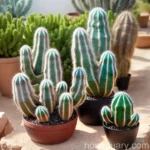
Chichipe, scientifically known as Polaskia chichipe, is a species of cactus native to Mexico. Belonging to the Cactaceae family, this cactus is cherished for its striking appearance and relatively easy cultivation. The Chichipe cactus is typically characterized by its slender, branching stems that give it a tree-like appearance. In its natural habitat, this species can reach impressive heights, often exceeding 6 meters. The Chichipe is known for its resilience and ability to thrive in arid environments, making it a popular choice for xeriscaping and drought-tolerant landscaping.
Key Takeaways – Chichipe (Polaskia Chichipe)
Before we delve into the specifics of caring for Chichipe, let’s explore some key takeaways regarding this unique cactus:
-
Scientific Name: Polaskia chichipe
-
Common Name: Chichipe
-
Family: Cactaceae
-
Native Habitat: Mexico
-
Characteristics: Slender, tree-like stems
-
Resilience: Drought-tolerant, suitable for xeriscaping
-
Growth Habits: Branching, can reach considerable heights
-
Cultural Uses: Traditional medicinal plant, ornamental purposes
Now that we have gained a foundational understanding of the Chichipe plant, let’s delve into the specifics of caring for and appreciating this remarkable cactus.
Culture
Uses
The Chichipe plant holds significant cultural importance in the regions where it is native. In traditional Mexican medicine, various parts of the Chichipe cactus have been used to address a range of health concerns. The plant has been reputed to possess medicinal properties, and its use in traditional remedies underscores its cultural significance.
Aside from its historical medicinal uses, the Chichipe is also valued as an ornamental plant in landscaping and gardening. Its unique form and striking silhouette make it a compelling choice for arid and desert-themed gardens. The Chichipe’s ability to thrive in dry, sun-exposed environments adds to its appeal as a low-maintenance yet visually impressive plant for landscapes and outdoor spaces.
Water
As with all cactus species, proper watering is crucial for the health and vitality of the Chichipe plant. Despite its ability to withstand long periods of drought, providing adequate hydration during the growing season is essential for promoting healthy growth. When watering the Chichipe, it is important to allow the soil to dry out almost completely between waterings. Overwatering can lead to issues such as root rot, so it is advisable to err on the side of underwatering rather than overwatering.
During the winter months or when the plant is in a state of dormancy, water should be further reduced to mimic its natural environment. A well-draining soil mix and pots with drainage holes are essential to prevent waterlogging, as cacti are highly susceptible to root rot in overly moist conditions.
Sunlight
Unsurprisingly, the Chichipe plant thrives in bright, direct sunlight. As a desert plant, it has evolved to utilize intense sun exposure for photosynthesis and growth. When cultivating Chichipe indoors, it is important to provide it with as much natural light as possible. Placing the plant near a sunny window or using grow lights can help ensure that it receives an adequate amount of light. Outdoors, the Chichipe can be positioned in full sun, where it will flourish and display its full splendor.
Fertilizer
While cacti are known for their ability to thrive in nutrient-poor soils, periodic fertilization can help support their growth and overall health. During the growing season in spring and summer, a balanced, diluted fertilizer can be applied to the Chichipe plant. It is important to follow the manufacturer’s recommendations for dilution and frequency to avoid overfertilizing, which can be detrimental to the plant.
In the dormant winter months, fertilizer should not be applied, as the plant’s growth slows down, and its nutrient requirements decrease. A slow-release fertilizer formulated specifically for cacti and succulents can be beneficial for providing gradual nourishment to the plant over an extended period.
Soil
The Chichipe plant, like many cacti, thrives in well-draining soil that replicates the conditions of its native habitat. A commercial cactus or succulent mix is often suitable for cultivating Chichipe, as these mixes are designed to provide the fast drainage and aeration that desert plants require. Alternatively, a custom mix comprising components such as sand, perlite, and coarse gravel can be formulated to create an ideal growing medium for the Chichipe.
When repotting or planting Chichipe, it is crucial to use a container with drainage holes to prevent water from accumulating around the roots. Excessive moisture in the soil can lead to root rot and other issues, so ensuring proper drainage is paramount to the plant’s well-being.
Pruning
Due to its natural growth habits, the Chichipe plant typically does not require extensive pruning. However, some light pruning can be performed to remove dead or damaged stems and promote a tidy appearance. When pruning Chichipe, it is important to use clean, sharp tools to avoid damaging the plant. Additionally, protective gloves should be worn to shield the hands from the plant’s spines.
Pruning can also be employed to shape the plant or to control its size and form. As the Chichipe matures, it often develops a branching structure with multiple stems, and selective pruning can help maintain its desired appearance. Any stems that have become overly leggy or unsightly can be pruned to encourage a more compact and appealing growth habit.
Propagation
Like many cacti, the Chichipe plant can be propagated through several methods, including stem cuttings and seeds. Stem cuttings are a popular and relatively straightforward means of reproducing the Chichipe. To propagate from cuttings, a healthy stem segment is selected and allowed to callus for a few days to prevent rotting. The cutting is then placed in a well-draining potting mix and kept in a warm, bright location. With time, roots will begin to develop from the base of the cutting, indicating successful propagation.
Another method of propagating Chichipe is from seeds. While seed propagation requires more patience compared to stem cuttings, it can be an enjoyable and rewarding process. When sowing Chichipe seeds, it is important to use a well-draining seed-starting mix and provide the seeds with warmth and humidity to encourage germination.
Container Popularity
In addition to being an appealing choice for outdoor landscapes, the Chichipe plant is well-suited for container cultivation. Its vertical growth habit and relatively slow growth rate make it an excellent candidate for potted displays. Whether featured on a sunny patio, a balcony, or even indoors, the Chichipe can add a touch of exotic charm to its surroundings.
Common Diseases
While the Chichipe is generally resilient and resistant to many common plant diseases, it can fall victim to certain issues under unfavorable conditions. Understanding the potential diseases and afflictions that can affect the Chichipe is crucial for maintaining its health.
Disease Diagnosis
Common diseases that can impact the Chichipe plant include fungal infections such as root rot and stem rot. These issues typically arise as a result of overwatering or excessively moist conditions. Symptoms of fungal infections may include soft, discolored areas on the stems, wilting, or a foul odor emanating from the soil. If fungal diseases are suspected, it is important to adjust the plant’s care regimen to correct the underlying issues and prevent further damage.
Common Pests
In addition to diseases, the Chichipe may also attract certain common pests that can compromise its health. Mealybugs, scale insects, and spider mites are among the potential pests that may target the Chichipe. Regular inspection of the plant, particularly in the nooks and crannies where pests tend to congregate, can help identify pest issues before they escalate.
Botanist’s Tips
-
When repotting Chichipe or planting it in a container, choose a pot that allows for adequate drainage to prevent waterlogging.
-
To encourage bushier growth, prune the tips of the stems, which can stimulate the development of new lateral shoots.
-
When watering Chichipe, observe the soil and only water when it is almost completely dry. During the dormant season, reduce watering to mimic the plant’s natural rhythm.
-
Select a well-aerated potting mix that provides rapid drainage for the Chichipe plant to ensure optimal root health.
-
For seed propagation, maintain consistent warmth and humidity to enhance germination rates when cultivating Chichipe from seeds.
Fun Facts
-
The Chichipe plant is often referred to as the “tree cholla” due to its tree-like growth habit and its resemblance to the cholla cactus.
-
In its natural habitat, the Chichipe cactus can reach impressive heights, with some specimens exceeding 6 meters.
-
The Chichipe is an important plant in traditional Mexican medicine, with various parts of the cactus being used for therapeutic purposes.
-
Despite its formidable appearance, the Chichipe produces delicate, colorful flowers that provide a striking contrast to its spiny stems.
Links to External Resources
For further information on Chichipe (Polaskia Chichipe), the following resources provide valuable insights into its care, characteristics, and cultivation:
-
The Cactus and Succulent Society of America: An authoritative source for cactus and succulent enthusiasts, offering a wealth of information on various species, including the Chichipe plant.
-
Royal Horticultural Society: The RHS website provides comprehensive guidance on cultivating cacti and succulents, aiding in the understanding of optimal care practices for Chichipe.
-
World of Succulents: A valuable resource for succulent enthusiasts, with detailed profiles and care tips for a wide variety of succulent species, including the Chichipe cactus.
In conclusion, the Chichipe (Polaskia Chichipe) presents a captivating addition to any plant collection, whether indoors or in the garden. With its distinctive silhouette, resilience, and cultural significance, this cactus embodies the allure of the desert landscape. By understanding its care requirements, cultural uses, and unique characteristics, plant enthusiasts can cultivate and appreciate the remarkable beauty of the Chichipe. Whether seeking a low-maintenance ornamental plant or an intriguing species with historical and medicinal significance, the Chichipe stands as a testament to the diversity and wonder of the plant kingdom.
By incorporating the essential elements of Chichipe plant care, enthusiasts can embrace the unique charm of this cactus and create an environment where it can flourish. From its cultural uses in traditional medicine to its striking visual appeal, the Chichipe offers a multifaceted botanical experience for plant enthusiasts, making it a valuable addition to the world of horticulture.
Note: The information provided is for educational and informational purposes only and is not a substitute for professional plant care advice. Always consult with a qualified horticulturist or plant specialist for personalized guidance on cultivating and caring for specific plant species.