Cherry Radish (Raphanus Sativus)
The cherry radish, scientifically known as Raphanus sativus, is a delightful and versatile plant popular among gardeners and culinary enthusiasts alike..
Introduction
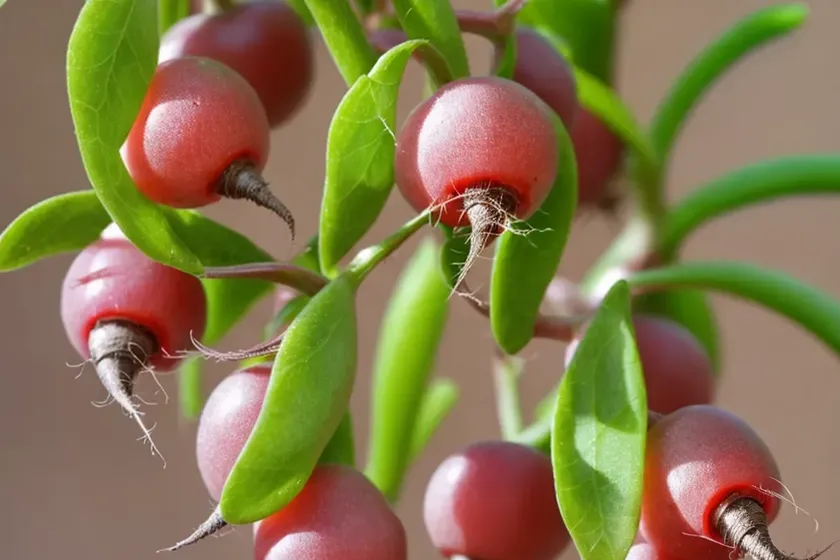
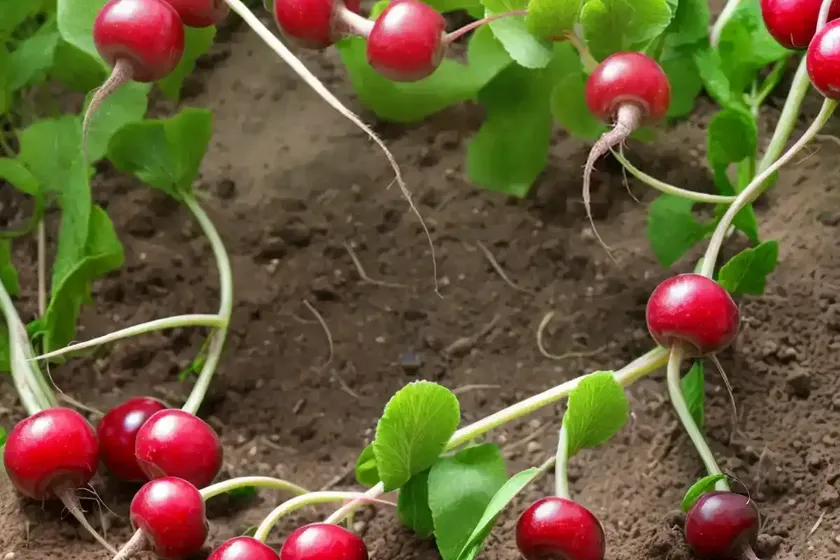
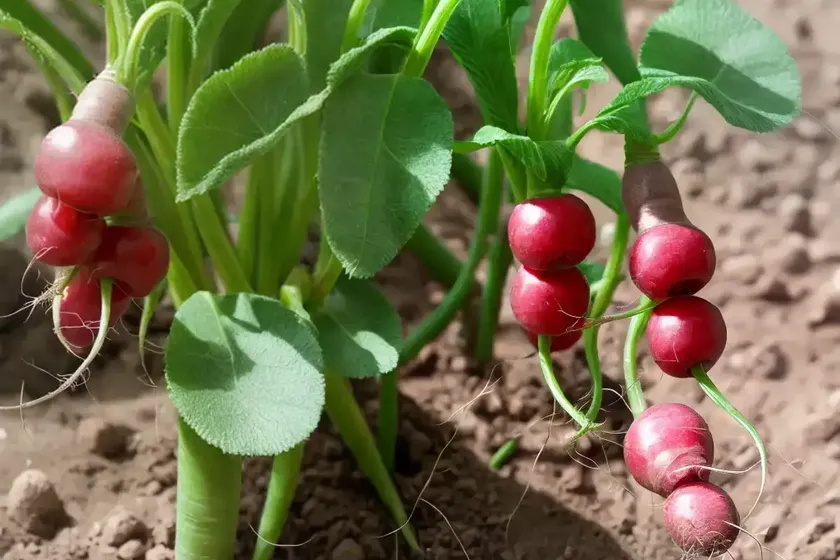
The cherry radish, scientifically known as Raphanus sativus, is a delightful and versatile plant popular among gardeners and culinary enthusiasts alike. Known for its vibrant red color and distinctive round shape, cherry radishes add a burst of flavor to salads, sandwiches, and other dishes, making them a must-have in any home garden.
In this comprehensive guide, we will delve into the various aspects of cultivating and caring for cherry radishes, exploring their cultural requirements, uses, common diseases and pests, as well as providing valuable tips for successful cultivation. Whether you’re a seasoned gardener or a novice plant enthusiast, this guide aims to equip you with the knowledge and insights needed to grow, appreciate, and enjoy the bountiful harvest offered by cherry radishes.
What is Cherry Radish (Raphanus Sativus)?
Cherry radish, also known as Raphanus sativus, is a small, round, and vibrant red variety of radish that belongs to the Brassicaceae family. This fast-growing annual plant is characterized by its crisp, juicy texture and peppery flavor, making it a popular choice for incorporating into salads, garnishing dishes, and pickling.
Cherry radishes are prized for their versatility and ability to thrive in various growing conditions, making them an ideal choice for both gardeners and urban farmers. With the right care and attention, cherry radishes can be cultivated in containers, raised beds, and traditional garden plots, offering a fresh and flavorful addition to your home-grown produce.
Key Takeaways – Cherry Radish (Raphanus Sativus)
Before we delve into the specifics of cultivating and caring for cherry radishes, let’s take a moment to highlight some key takeaways about this vibrant and beloved plant:
Culture
- Cherry radishes thrive in cool weather and can be grown in spring and fall in most regions.
- They are fast-growing and typically reach maturity within 3-4 weeks after sowing.
Uses
- Cherry radishes are commonly used in salads, sandwiches, and as a garnish for various culinary dishes.
- They can be pickled to create tangy and crunchy condiments.
Now that we have a brief overview of cherry radishes, let’s explore the essential aspects of cultivating and caring for these delightful plants.
Cultivation and Care
Water
Proper watering is essential for the healthy growth and development of cherry radishes. Adequate moisture levels in the soil help prevent cracking and ensure that the radishes develop a crisp, juicy texture. Here are some tips for watering cherry radishes:
- Consistent Moisture: Keep the soil consistently moist, especially during the germination and root development stages.
- Avoid Overwatering: While cherry radishes require moist soil, overwatering can lead to rot and disease. Ensure that the soil has good drainage to prevent waterlogging.
Sunlight
Cherry radishes thrive in full sun to partial shade. Adequate sunlight is essential for promoting robust growth and vibrant red color in the radishes. When selecting a growing site, consider the following:
- Sun Exposure: Choose a location that receives at least 6-8 hours of sunlight per day for optimal growth and development.
Fertilizer
Providing the right nutrients is crucial for supporting the healthy growth of cherry radishes. Incorporating a balanced fertilizer at the time of planting can help ensure that the plants have access to essential nutrients. Here are some fertilizer tips for cherry radishes:
- Balanced Fertilizer: Use a balanced, all-purpose fertilizer with a ratio of 10-10-10 or similar to provide essential nutrients for healthy growth.
- Avoid Excessive Nitrogen: Avoid high-nitrogen fertilizers, as they can encourage excessive leafy growth at the expense of root development.
Soil
The right soil conditions are vital for ensuring the success of cherry radish cultivation. Well-draining, fertile soil with a slightly acidic to neutral pH is ideal for promoting healthy growth and flavorful radishes. Consider the following soil requirements for cherry radishes:
- Loose and Well-Draining: Use well-draining soil with a loamy texture to facilitate root development and prevent waterlogging.
- pH Level: Aim for a soil pH of 6.0-7.0, as slightly acidic to neutral soil provides an ideal growing environment for cherry radishes.
Pruning
While cherry radishes do not require extensive pruning, thinning seedlings is essential to promote healthy growth and prevent overcrowding. Here are some pruning tips for cherry radishes:
- Thinning Seedlings: Once the seedlings have developed a few true leaves, thin them to ensure adequate spacing (approximately 2 inches apart) for proper root development.
Propagation
Cherry radishes are primarily propagated from seeds. Direct sowing is the most common and effective method for growing cherry radishes. Here are some propagation tips for cherry radishes:
- Direct Sowing: Sow cherry radish seeds directly into the garden soil or containers, as they do not transplant well due to their rapid growth and delicate roots.
Container Popularity
Cherry radishes are highly popular among container gardeners, thanks to their compact size and fast growth. Growing cherry radishes in containers is an excellent option for individuals with limited gardening space or those who want to enjoy a fresh harvest on their patio or balcony. Consider the following tips for growing cherry radishes in containers:
- Container Selection: Choose shallow containers with a minimum depth of 6 inches to accommodate the rapid root development of cherry radishes.
- Well-Draining Soil: Use high-quality potting mix with excellent drainage to support healthy growth and prevent waterlogging in containers.
Common Diseases
While cherry radishes are relatively resilient, they are susceptible to certain diseases that can impact their growth and overall health. Understanding common diseases and their symptoms is essential for prompt diagnosis and effective management. Some common diseases that may affect cherry radishes include:
- Clubroot: This disease causes distorted roots and stunted growth in radish plants.
- Powdery Mildew: Powdery white patches on the leaves and stems are indicative of powdery mildew infestation.
- Fusarium Wilt: Yellowing of leaves and wilting are common symptoms of fusarium wilt in cherry radishes.
Disease Diagnosis
Prompt diagnosis of diseases is crucial for implementing effective treatment and preventing the spread of infections. Here are some tips for diagnosing diseases in cherry radishes:
- Visual Inspection: Regularly inspect the leaves, stems, and roots for any signs of discoloration, wilting, or unusual growth patterns.
- Consultation: If you notice any concerning symptoms, consult with a local extension office or plant health expert for accurate diagnosis and treatment recommendations.
Common Pests
Cherry radishes may also face challenges from common pests that can affect their growth and yield. Identifying and addressing pest infestations in a timely manner is essential for safeguarding the health of cherry radishes. Some common pests that may target cherry radishes include:
- Aphids: These small insects feed on the sap of plants, causing wilting and deformities in the leaves and stems.
- Flea Beetles: Flea beetles create small holes in the leaves of cherry radishes, affecting their overall vitality.
- Cabbage Maggots: The larvae of cabbage maggots feed on the roots of radishes, leading to wilting and poor growth.
Botanist’s Tips
For aspiring and seasoned gardeners alike, here are some valuable tips for cultivating healthy and flavorful cherry radishes:
- Succession Planting: Sow cherry radish seeds in succession every 1-2 weeks to extend the harvest period and ensure a constant supply of fresh radishes.
- Companion Planting: Consider companion planting with herbs such as basil and dill, as they can help deter pests and enhance the flavor of cherry radishes.
Fun Facts
To deepen our appreciation for cherry radishes, let’s explore some fascinating and lesser-known facts about these vibrant root vegetables:
- The vibrant red color of cherry radishes is attributed to the presence of antioxidants called anthocyanins, which also contribute to their nutritional value.
- Cherry radishes are a rich source of vitamin C, providing a boost to the immune system and overall health.
Links to External Resources
For further exploration and in-depth insights into cherry radishes, consider exploring the following resources:
- Planting and Growing Cherry Radishes
- Nutritional Benefits of Cherry Radishes
- Managing Diseases in Radish Crops
- Pest Identification and Control for Radishes
With their vibrant color, crisp texture, and peppery flavor, cherry radishes offer a delightful addition to any home garden or culinary creation. By understanding their cultural requirements, common uses, and potential challenges, growers can cultivate healthy and bountiful harvests of these versatile root vegetables. Whether enjoyed raw, pickled, or incorporated into a savory dish, cherry radishes reflect the beauty and bounty of nature’s offerings.
As we continue to explore the rich tapestry of plant life, may the journey of discovering and cultivating cherry radishes inspire a deeper connection with the wonders of the natural world.