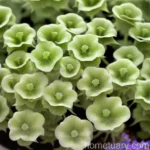
Cherokee Rose (Rosa laevigata) Care Guide
Rosa laevigata, commonly known as Cherokee rose, is a beautiful and versatile plant that holds cultural, ornamental, and medicinal significance. In this comprehensive care guide, we will explore the various aspects of growing and maintaining Cherokee rose in your garden or landscape. From understanding its cultural uses to practical planting tips, this guide aims to provide all the necessary information for successfully nurturing this resilient and vibrant flowering plant.
What is Cherokee Rose (Rosa laevigata)?
Cherokee rose (Rosa laevigata) is a species of rose native to southern China and Taiwan. It belongs to the family Rosaceae and is known for its large, white, and fragrant flowers. The plant features arching canes with sharp thorns and glossy, dark green foliage. Cherokee rose has a rich cultural history and has been cultivated for its ornamental value and practical uses.
Key Takeaways
Before delving into the specific care guidelines, let’s highlight the key takeaways concerning Cherokee rose (Rosa laevigata):
- Scientific Name: Rosa laevigata
- Common Name: Cherokee Rose
- Watering: Moderate water requirements; well-draining soil
- Sunlight: Full sun to partial shade
- Soil: Well-draining, fertile soil
- Fertilizer: Balanced fertilizer in the growing season
- Pruning: Prune to maintain shape and promote new growth
- Propagation: Can be propagated from cuttings or seeds
- Container Growing: Suitable for container planting
- Diseases: Susceptible to fungal diseases; proper air circulation is essential
- Pests: Vulnerable to aphids, thrips, and spider mites
- Cultural Significance: Traditional uses in folklore, medicine, and as a symbol of resilience and beauty
Now, let’s delve deeper into each of these aspects to understand how to care for Cherokee rose (Rosa laevigata) and maximize its growth and blooming potential.
Culture
Uses
Cherokee rose holds cultural significance in various societies and has been traditionally used for:
- Folklore and Myths: Featuring in myths and folktales as a symbol of love, beauty, and resilience.
- Medicinal Purposes: Utilized in herbal medicine for its potential healing properties found in its leaves and flowers.
- Ornamental Value: Widely cultivated for its exquisite, fragrant blooms and ornamental appeal in gardens and landscapes.
- Wildlife Benefits: Attracts pollinators such as bees and butterflies, contributing to biodiversity in the ecosystem.
Planting Tips for Cherokee Rose (Rosa laevigata)
Water
Proper watering is essential for the health and vigor of Cherokee rose. Here are some useful tips for watering this plant:
- Watering Requirements: Provide moderate and consistent moisture, especially during the establishment phase and dry periods.
- Watering Frequency: Water deeply once or twice a week, allowing the soil to dry out slightly between watering sessions to prevent waterlogging.
- Soil Moisture: Ensure well-draining soil to avoid water stagnation around the roots, which can lead to root rot.
Sunlight
Understanding the sunlight needs of Cherokee rose is crucial for its optimal growth and flowering:
- Sun Exposure: Plant Cherokee rose in a location with full sun to partial shade, ensuring it receives at least six hours of direct sunlight daily.
- Sunlight Influence: Ample sunlight promotes robust growth, enhances blooming, and intensifies the fragrance of its flowers.
Fertilizer
Balanced feeding through proper fertilization supports the overall health and blooming capacity of Cherokee rose:
- Fertilization Schedule: Apply a balanced fertilizer in the growing season, typically in spring and early summer, to provide essential nutrients for vigorous growth and abundant flowering.
- Fertilizer Type: Select a granular or liquid fertilizer designed for flowering plants, following the manufacturer’s instructions for application rates.
Soil
Choosing the right soil type and quality is vital for the well-being of Cherokee rose:
- Soil Quality: Opt for well-draining, loamy soil enriched with organic matter to ensure proper aeration, moisture retention, and nutrient availability for the plant.
- Soil pH: Cherokee rose thrives in slightly acidic to neutral soil with a pH range of 6.0 to 6.5, promoting optimal nutrient uptake.
Pruning Techniques for Cherokee Rose
Pruning plays a significant role in maintaining the shape, health, and blooming potential of Cherokee rose:
- Pruning Time: Perform major pruning during late winter or early spring before new growth emerges to remove dead or weak canes and shape the plant.
- Pruning Frequency: Regularly trim spent flowers to encourage continuous blooming, and remove any diseased or damaged foliage to prevent the spread of diseases.
- Pruning Method: Utilize sharp, clean pruners to make precise cuts at a 45-degree angle, promoting rapid healing and reducing the risk of infections.
Propagation of Cherokee Rose
Cherokee rose can be propagated through various methods, enabling the expansion and preservation of its presence in different settings:
- Propagation from Cuttings: Select healthy, semi-hardwood cuttings in late summer, treat with a rooting hormone, and place in a moist growing medium to develop new roots.
- Propagation from Seeds: Collect ripe seeds from the hips in autumn, cold stratify for a few weeks, and sow in a seed-starting mix to germinate and produce new plants.
Growing Cherokee Rose in Containers
While Cherokee rose can thrive in the ground, it also adapts well to container cultivation, offering flexibility in placement and care:
- Container Selection: Choose a large, sturdy container with drainage holes to accommodate the vigorous growth and development of Cherokee rose’s root system.
- Potting Mix: Utilize a well-draining potting mix with added perlite or compost to provide ample aeration and moisture retention for the plant’s roots.
- Watering and Fertilization: Monitor the moisture level in the container and provide regular fertilization to compensate for the limited nutrient availability in the confined space.
Popularity of Cherokee Rose
Cherokee rose has garnered popularity among gardeners, landscapers, and enthusiasts for its striking beauty, cultural significance, and practical uses. Its adaptability to various climates and landscapes makes it an appealing choice for diverse settings.
Common Diseases and Disease Diagnosis
Cherokee rose may be susceptible to certain diseases, and early diagnosis and intervention are crucial for its health and vitality:
- Fungal Diseases: Keep an eye out for common fungal diseases such as powdery mildew, black spot, and stem cankers, and promptly address any signs of infection through cultural and, if necessary, chemical controls.
- Disease Identification: Regularly inspect the foliage, stems, and flowers for abnormal discoloration, spots, or deformities indicative of potential diseases, and seek proper treatment measures.
Common Pests Affecting Cherokee Rose
Insect pests can pose a threat to Cherokee rose, impacting its growth and flowering potential:
- Aphids: Watch for clusters of small, soft-bodied aphids on the foliage and shoots, and employ natural predators, insecticidal soaps, or horticultural oils to manage infestations.
- Thrips: Monitor for thrips causing stippling or silvery flecking on the leaves, and consider using insecticidal sprays or organic control methods to minimize their impact.
- Spider Mites: Keep an eye out for webbing and stippled discoloration on the foliage due to spider mite infestations, and apply targeted sprays or miticides if necessary to mitigate their presence.
Botanist’s Tips for Cherokee Rose Care
Enrich your understanding of Cherokee rose care with these expert tips:
- Air Circulation: Promote good air circulation around the plant by avoiding overcrowding and ensuring proper spacing, reducing the risk of fungal diseases.
- Mulching: Mulch around the base of Cherokee rose with organic materials to conserve moisture, suppress weeds, and maintain a uniform soil temperature.
- Seasonal Care: Tailor care practices to seasonal requirements, adjusting watering, fertilization, and protection measures based on the plant’s needs during different times of the year.
Fun Facts About Cherokee Rose
Explore some intriguing and delightful facts about Cherokee rose:
- Cultural Symbolism: In various cultures, Cherokee rose is revered as a symbol of love, hope, beauty, and resilience, featuring prominently in folklore and traditions.
- Wildlife Magnet: Cherokee rose’s nectar-rich flowers attract pollinators such as bees, butterflies, and hummingbirds, fostering ecological diversity.
- Snow White Connection: The Cherokee rose has a connection to the fairy tale “Snow White,” where its white blooms are associated with the character’s purity and innocence in some interpretations of the story.
Links to External Resources
Expand your knowledge and explore further insights into Cherokee rose care and appreciation through these external resources:
Conclusion
Cherokee rose (Rosa laevigata) exemplifies a fascinating blend of natural beauty, cultural significance, and practical utility. By integrating this comprehensive care guide into your gardening practices, you can establish and nurture thriving Cherokee rose plants, relishing their ornamental allure, wildlife benefits, and historical connections.
Remember to adapt the care instructions to your specific growing conditions and embrace the time-honored tradition of cultivating, cherishing, and perpetuating the legacy of Cherokee rose in your landscape. Whether as a symbol of love, a focal point in your garden, or an element in traditional remedies, Cherokee rose continues to captivate and enrich our lives with its enduring presence and charm.