Chamaecyparis Obtusa ‘Nana Gracilis’ (Hinoki Cypress)
The Hinoki Cypress ‘Nana Gracilis’ (Chamaecyparis obtusa) is a charming and versatile evergreen shrub that adds elegance and beauty to any landscape. Its.
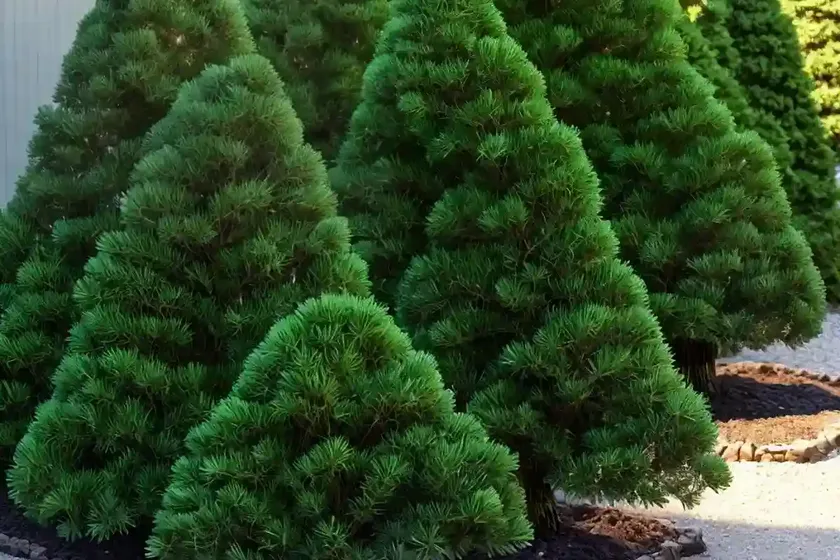
The Hinoki Cypress ‘Nana Gracilis’ (Chamaecyparis obtusa) is a charming and versatile evergreen shrub that adds elegance and beauty to any landscape. Its compact size and graceful form make it an ideal choice for small gardens, container planting, and ornamental displays. In this comprehensive guide, we will explore the cultivation, uses, maintenance, and fascinating characteristics of this delightful Hinoki Cypress cultivar. Whether you are a seasoned gardener or a beginner plant enthusiast, join me as we delve into the captivating world of the Nana Gracilis Hinoki Cypress.
What is the Hinoki Cypress ‘Nana Gracilis’?
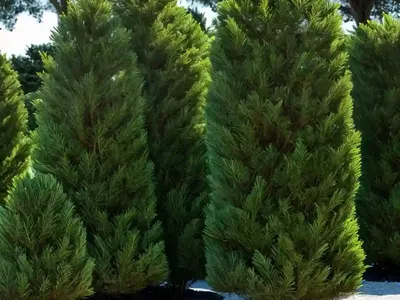
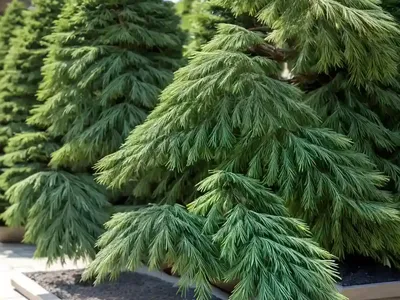
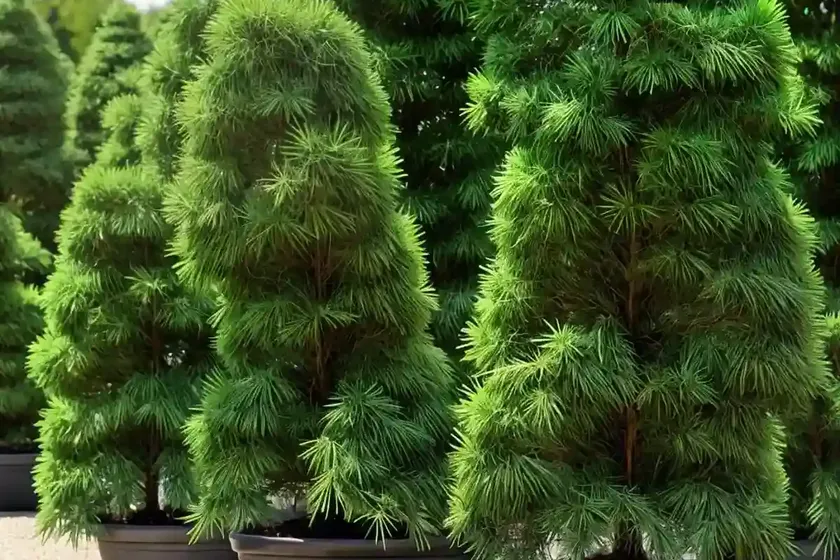
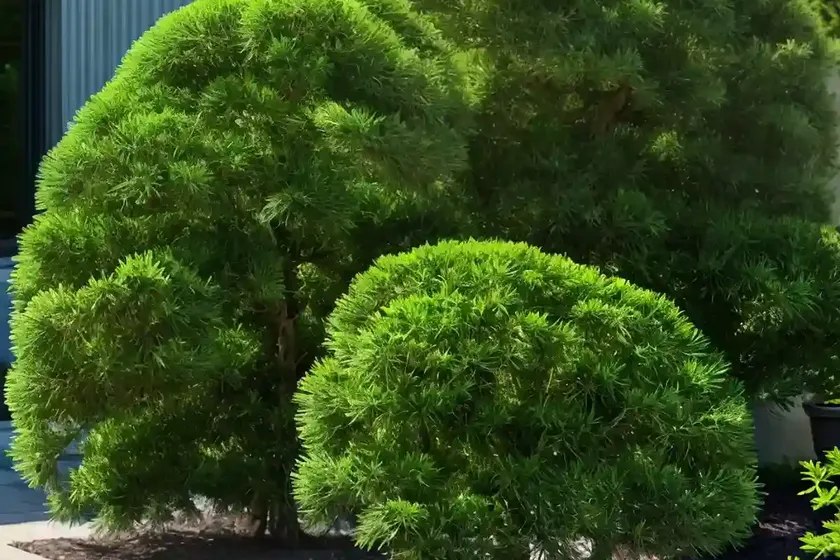
The Chamaecyparis obtusa ‘Nana Gracilis’, commonly known as the Hinoki Cypress ‘Nana Gracilis’, is a slow-growing, dwarf cultivar of the Hinoki Cypress, a species native to Japan. It is prized for its compact, conical shape and attractive, dark green foliage. The Hinoki Cypress ‘Nana Gracilis’ typically reaches a height of 3 to 5 feet and a spread of 2 to 3 feet, making it an excellent choice for small gardens, rockeries, and container planting. Its graceful, weeping branches and dense foliage create a striking visual impact in any setting.
Key Takeaways
Chamaecyparis obtusa ‘Nana Gracilis’ (Hinoki Cypress):
- Scientific Classification: Chamaecyparis obtusa ‘Nana Gracilis’
- Common Names: Hinoki Cypress, Dwarf Hinoki Cypress, Nana Gracilis Hinoki Cypress
- Growth Habit: Compact, conical, slow-growing
- Foliage: Dark green, scale-like
- Uses: Ornamental, container planting, small gardens, landscape focal point
- Hardiness: Suitable for USDA hardiness zones 4-8
Table 1. Overview of Key Details
| Characteristic | Description |
|---|---|
| Scientific Name | Chamaecyparis obtusa ‘Nana Gracilis’ |
| Common Names | Hinoki Cypress, Dwarf Hinoki Cypress, Nana Gracilis Hinoki Cypress |
| Growth Habit | Compact, conical, slow-growing |
| Foliage | Dark green, scale-like |
| Uses | Ornamental, container planting, small gardens, landscape focal point |
| Hardiness | USDA hardiness zones 4-8 |
Now, let’s explore the various aspects of cultivating and caring for the Chamaecyparis obtusa ‘Nana Gracilis’, including its cultural requirements, common uses, maintenance practices, and fascinating characteristics.
Culture
The ‘Nana Gracilis’ Hinoki Cypress is relatively low-maintenance and can thrive in various garden settings. Understanding its cultural preferences is essential for ensuring its optimal growth and longevity.
Water
Proper watering is crucial for the health and vigor of the Hinoki Cypress ‘Nana Gracilis’. While it is important to keep the soil consistently moist, it is equally vital to avoid waterlogging, which can lead to root rot. The ideal approach is to water deeply but infrequently, allowing the soil to partially dry out between waterings. During hot and dry periods, be vigilant in providing adequate moisture, especially for newly planted specimens.
Sunlight
Being an evergreen shrub, the Nana Gracilis Hinoki Cypress thrives in full to partial sunlight. It performs best when exposed to at least 6 hours of direct sunlight daily. However, it can also tolerate light shade, making it suitable for partially shaded areas in the landscape. It is important to strike a balance, as insufficient sunlight may lead to sparse growth and diminished foliage density.
Fertilizer
Applying a balanced, slow-release fertilizer in spring can promote healthy growth and vibrant foliage in the Hinoki Cypress ‘Nana Gracilis’. Choose a formula specifically designed for evergreen shrubs, and follow the manufacturer’s recommendations for application rates. Refrain from over-fertilization, as this can lead to excessive foliage growth at the expense of overall plant health.
Soil
The Hinoki Cypress ‘Nana Gracilis’ thrives in well-draining, slightly acidic soil. A loamy, humus-rich soil with good moisture retention is ideal for ensuring robust growth. If your garden soil is heavy or compacted, consider amending it with organic matter such as compost or peat moss to improve its structure and drainage capabilities.
Table 2. Cultural Considerations
| Cultural Aspect | Description |
|---|---|
| Water | Consistently moist, well-drained soil; avoid waterlogging |
| Sunlight | Full to partial sunlight; tolerates light shade |
| Fertilizer | Balanced, slow-release formula in spring; avoid over-fertilization |
| Soil | Well-draining, slightly acidic, enriched with organic matter |
Pruning
Pruning the Hinoki Cypress ‘Nana Gracilis’ is essential for maintaining its compact form and promoting healthy, dense foliage. The best time to prune this cultivar is in early spring before new growth emerges. Use sharp, clean pruning shears to remove any dead, damaged, or overcrowded branches. Additionally, selective pruning can help shape the shrub and enhance its natural elegance.
Propagation
The propagation of the Hinoki Cypress ‘Nana Gracilis’ can be achieved through several methods, including cuttings and layering. Softwood cuttings taken in early summer have the highest success rate. Prepare a well-draining rooting medium and maintain a consistently moist environment to encourage the development of new roots. Layering, which involves encouraging the lower branches to root while still attached to the parent plant, is another viable propagation technique.
Container Popularity
The compact size and graceful form of the Nana Gracilis Hinoki Cypress make it an excellent choice for container planting. Whether used as a standalone ornament on a patio or integrated into a mixed container display, this cultivar brings a touch of sophistication and evergreen beauty to any outdoor space. When selecting a container, choose one with adequate drainage holes to prevent waterlogging, and use a quality potting mix tailored for containerized plants.
Common Diseases
The Hinoki Cypress ‘Nana Gracilis’ is generally resistant to most common garden diseases when provided with proper care and growing conditions. However, it can occasionally be susceptible to certain fungal infections, such as Cercospora needle blight and Seiridium blight, which can lead to browning and dieback of the foliage. Implementing good cultural practices, including proper watering, adequate spacing, and proper air circulation, can help minimize the risk of disease development.
Disease Diagnosis
Diagnosing diseases in the Nana Gracilis Hinoki Cypress involves careful observation of the foliage and branches for any signs of discoloration, browning, or abnormal growth. If you notice any unusual symptoms, it is advisable to consult with a local plant healthcare professional or extension service to accurately identify the cause and develop an effective management strategy.
Common Pests
While the Hinoki Cypress ‘Nana Gracilis’ is generally resistant to pest infestations, it can occasionally encounter certain pests, including spider mites and cypress tip moth larvae, particularly in stressful growing conditions. Regular monitoring of the foliage for any signs of pest activity, such as webbing or stippling, can help detect and address potential pest issues promptly.
Botanist’s Tips
- Optimal Spacing: When planting multiple Nana Gracilis Hinoki Cypress specimens, ensure adequate spacing to allow for proper air circulation and prevent overcrowding, which can contribute to increased disease susceptibility.
- Mulching Benefits: Applying a layer of organic mulch around the base of the shrub can help conserve soil moisture, regulate soil temperature, and suppress weed growth, benefiting overall plant health.
- Winter Protection: In regions with harsh winters, consider providing additional protection, such as burlap wrapping, to shield the Hinoki Cypress ‘Nana Gracilis’ from cold, drying winds.
Fun Facts
- The Hinoki Cypress (Chamaecyparis obtusa) is one of the Seven Deities of Good Fortune in Japanese mythology and is considered a symbol of longevity and prosperity.
- The fragrant wood of the Hinoki Cypress has been traditionally used in Japan for building temples, shrines, and traditional bathtubs known as ofuro due to its natural resistance to rot and insects.
- The Hinoki Cypress ‘Nana Gracilis’ is a popular choice for bonsai enthusiasts due to its compact size and graceful form, making it well-suited for miniature landscapes.
Links to External Resources
Expand your knowledge about the fascinating world of the Hinoki Cypress ‘Nana Gracilis’ by exploring the following external resources:
- American Conifer Society: Chamaecyparis obtusa ‘Nana Gracilis’
- Royal Horticultural Society: Hinoki Cypress Cultivars
- University of Florida IFAS Extension: Chamaecyparis Diseases
In conclusion, the Hinoki Cypress ‘Nana Gracilis’ (Chamaecyparis obtusa ‘Nana Gracilis’) stands as a testament to the captivating beauty and adaptability of coniferous shrubs. From its graceful, weeping form to its striking evergreen foliage, this delightful cultivar continues to enchant gardeners and plant enthusiasts worldwide. Whether adorning a small garden, a tranquil courtyard, or a container display, the Nana Gracilis Hinoki Cypress brings timeless elegance and enduring charm to any setting.
As you embark on your journey to cultivate and appreciate this remarkable shrub, may your garden be graced with the tranquility and allure of the Hinoki Cypress ‘Nana Gracilis’, a true gem of the natural world.