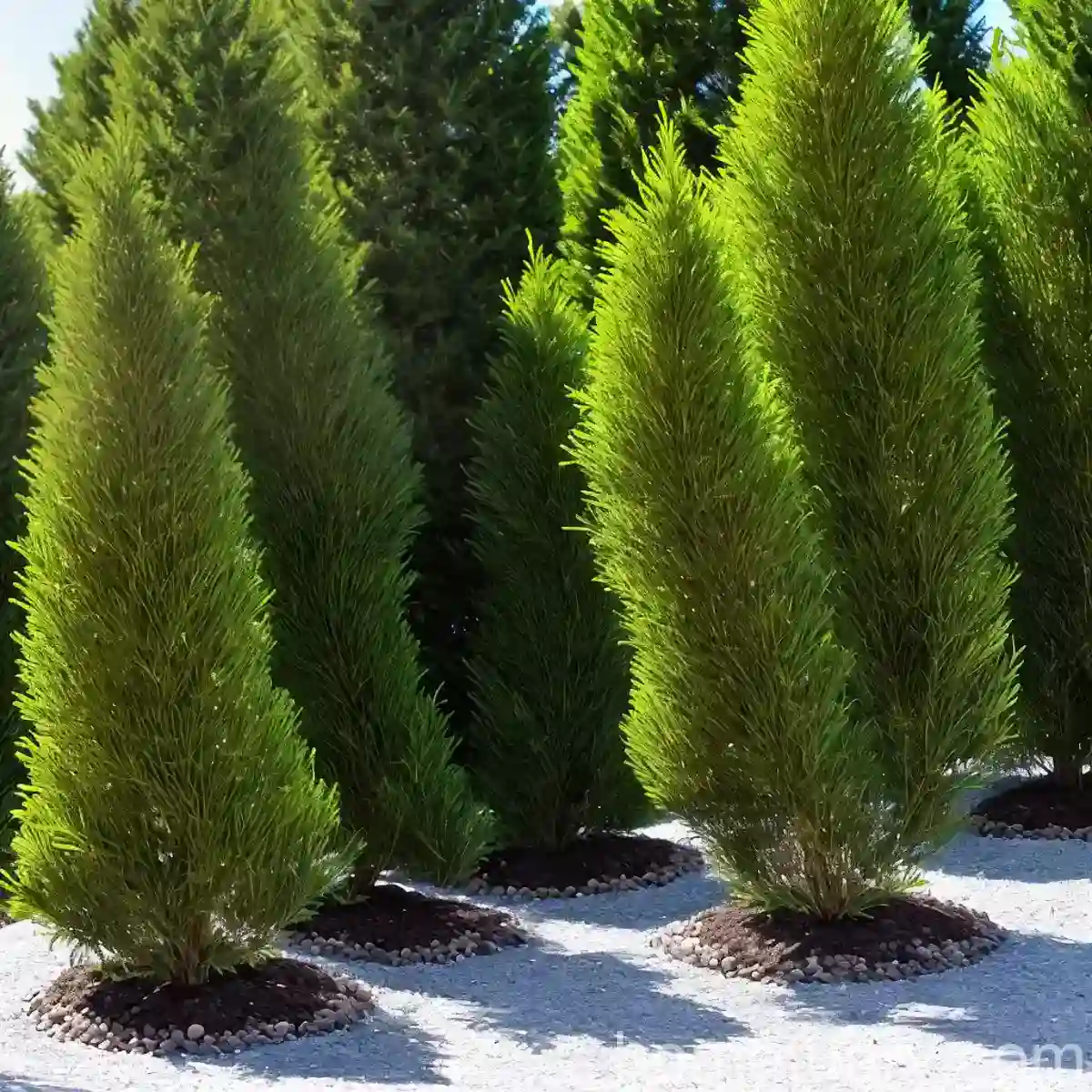
Plant Scientist Insights: Chamaecyparis nootkatensis ‘Aurea’
In this blog post, we will delve into the world of one of the most captivating and versatile plants, the Chamaecyparis nootkatensis ‘Aurea’, commonly known as Nootka Cypress. We will explore every facet of this distinctive evergreen conifer, from its cultural requirements to its role in landscapes, and from propagation to dealing with common diseases and pests.
What is Chamaecyparis nootkatensis ‘Aurea’ (Nootka Cypress)?
Chamaecyparis nootkatensis ‘Aurea’ is a captivating evergreen conifer that belongs to the Cupressaceae family. This stunning plant is native to the coastal regions of the Pacific Northwest in North America, particularly Alaska, extending southwards to Oregon and Northern California. It is a close relative of the Alaskan cedar, and it shares many of the same characteristics and cultural requirements.
This coniferous plant is admired for its brilliant golden-yellow foliage, which provides a striking contrast against the backdrop of other green plants. The ‘Aurea’ variety of Chamaecyparis nootkatensis adds a touch of vibrancy to various landscape settings, from private gardens and public parks to commercial spaces and urban landscapes.
Key Takeaways – Chamaecyparis nootkatensis ‘Aurea’ (Nootka Cypress)
Before we embark on a detailed exploration of the cultural aspects and uses of Nootka Cypress, let’s summarize the key takeaways for quick reference:
- Cultural Aspects:
- Water: Moderate water requirements.
- Sunlight: Full sun to partial shade.
- Fertilizer: Balanced fertilizer in the early spring.
- Soil: Rich, well-draining soil.
- Pruning: Regular pruning for shape and size control.
-
Propagation: Can be propagated from cuttings or seeds.
-
Uses:
- Landscape focal point.
- Privacy screening.
- Container gardening.
-
Windbreak function.
-
Common Diseases:
- Canker diseases.
- Root rot.
-
Tip blight.
-
Common Pests:
- Aphids.
- Spider mites.
-
Scale insects.
-
Botanist’s Tips:
- Monitor soil moisture levels.
- Utilize organic mulch to maintain soil moisture and temperature.
-
Regularly inspect for signs of disease and pest infestation.
-
Fun Facts:
- Offers year-round visual appeal.
- Deer-resistant foliage.
-
Tolerant of coastal and urban conditions.
-
External Resources:
- Royal Horticultural Society – Nootka Cypress
- University of Florida IFAS Extension – Chamaecyparis nootkatensis
Now, let’s embark on a comprehensive journey through the various aspects of Chamaecyparis nootkatensis ‘Aurea’, ranging from its cultural requirements to its role in landscapes and its resilience against diseases and pests.
Culture
Caring for Chamaecyparis nootkatensis ‘Aurea’ involves a thoughtful approach to ensure its optimal growth and health. By understanding its water, sunlight, fertilizer, soil, and pruning needs, we can create an environment where it thrives and adds charm to its surroundings.
Water
Proper watering is essential for the healthy growth of Nootka Cypress. While it is crucial to maintain soil moisture, it is equally important to prevent waterlogging, which can lead to root rot. Here are key considerations for watering this striking conifer:
- Frequency: Water thoroughly when the soil is dry to the touch about an inch below the surface.
- Soil Moisture: Aim for consistently moist soil, but avoid waterlogging.
- Seasonal Variations: Adjust the watering frequency based on the environmental conditions, with increased watering needs during hot and dry spells.
Sunlight
Chamaecyparis nootkatensis ‘Aurea’ exhibits versatility in its sunlight preferences, making it suitable for a range of landscape settings. Here are the sunlight requirements to consider:
- Optimal Conditions: Full sun to partial shade.
- Full Sun: Provides the best conditions for the development of its striking golden-yellow foliage.
- Partial Shade: Tolerates partial shade, particularly in regions with intense sunlight or during hot periods.
Fertilizer
Appropriate fertilization supports the growth and vitality of Nootka Cypress. A balanced approach to fertilization, preferably in the early spring, contributes to vibrant foliage and robust growth. Consider the following fertilization guidelines:
- Fertilizer Type: Utilize a balanced, slow-release fertilizer to provide essential nutrients without causing rapid growth.
- Timing: Apply fertilizer in the early spring before new growth begins.
- Application: Distribute the fertilizer evenly within the root zone, avoiding direct contact with the trunk.
Soil
The right soil conditions are pivotal for the health and vigor of Chamaecyparis nootkatensis ‘Aurea’. Consistent moisture retention and good drainage are the key soil attributes to uphold. Consider the following soil requirements:
- Texture: Rich, well-draining soil.
- Moisture Retention: Maintain soil moisture levels, particularly for young plants, to promote healthy root development.
- Soil pH: Preferably slightly acidic to neutral soil pH (6.0-7.0).
Pruning
Regular pruning is essential for shaping and maintaining the desired size of Nootka Cypress. Pruning also enables the removal of damaged or diseased branches, fostering a healthier and more visually appealing plant. Here are the key aspects of pruning:
- Timing: Conduct pruning during the dormant season in late winter or early spring.
- Techniques: Prune to shape the plant and remove dead or congested branches.
- Sanitization: Sterilize pruning tools to prevent the spread of diseases.
Uses
Chamaecyparis nootkatensis ‘Aurea’ contributes significantly to diverse landscaping and gardening applications, from serving as a focal point to providing privacy and functioning as a windbreak. Its versatility opens up a multitude of opportunities for incorporating it into various settings.
Landscape Focal Point
The vibrant golden-yellow foliage of ‘Aurea’ variety makes it an exceptional focal point in a landscape. Its distinctive color provides a striking contrast alongside other green foliage, making it visually captivating and attention-grabbing.
Privacy Screening
The dense foliage of Nootka Cypress lends itself well to privacy screening in residential and commercial settings. When planted in rows or hedges, it forms an effective barrier, offering privacy and seclusion while adding an element of natural beauty to the surroundings.
Container Gardening
Chamaecyparis nootkatensis ‘Aurea’ thrives in container gardening, adding a touch of elegance to patios, decks, and outdoor living spaces. Its compact and striking nature makes it an ideal choice for bringing a burst of color and greenery to small or confined areas.
Windbreak Function
The dense foliage and robust growth of Nootka Cypress contribute to its effectiveness as a windbreak. Planted strategically, it shields landscapes, gardens, and residential spaces from strong winds, creating a sheltered and calm environment for other plants and outdoor activities.
Propagation
The propagation of Chamaecyparis nootkatensis ‘Aurea’ can be accomplished through various methods, offering flexibility in multiplying this captivating conifer. By understanding the propagation techniques, one can expand the presence of ‘Aurea’ in different landscape settings.
Propagation Methods
-
Cuttings: Propagation from stem cuttings is a common and effective method for replicating the characteristics of the parent plant. Select healthy, non-flowering shoots for propagation, and root them using a suitable rooting hormone.
-
Seeds: Propagation from seeds offers a cost-effective method to produce a large number of plants. Collect ripe cones and extract the seeds, which can be sown in suitable containers and nurtured into young plants.
-
Grafting: This technique involves joining a shoot or bud from a desired ‘Aurea’ plant onto a compatible rootstock. Grafting allows for the replication of specific characteristics and ensures genetic consistency in the propagated plants.
Popularity
The undeniable allure and adaptability of Chamaecyparis nootkatensis ‘Aurea’ contribute to its popularity in various regions and among diverse gardening enthusiasts. Its striking appearance, coupled with its versatility and functionality, positions it as a cherished addition to landscapes and gardens.
Gardeners’ Favorite
Gardeners and landscapers embrace Nootka Cypress for its captivating foliage and its ability to thrive in varying conditions. Its popularity is evident in the frequent use of ‘Aurea’ as a focal point in landscapes and gardens, where it draws attention and admiration.
Commercial Landscapes
In commercial landscaping projects, Nootka Cypress occupies a prominent place due to its resilience, low maintenance, and striking visual appeal. From public parks to corporate campuses, its golden-yellow foliage adds a touch of elegance and charm to outdoor settings.
Urban Landscaping
The adaptability of ‘Aurea’ variety to urban environments, including pollution tolerance and compact growth, makes it a favored choice for urban landscaping. It flourishes in city parks, streetscapes, and urban green spaces, enriching the surroundings with its vibrant presence.
Common Diseases
As with any plant, Chamaecyparis nootkatensis ‘Aurea’ is susceptible to certain diseases that can compromise its health and aesthetic appeal. Understanding these diseases and their prevention methods is essential for maintaining the vitality of Nootka Cypress in various settings.
Disease Diagnosis
-
Canker Diseases: These fungal diseases manifest as sunken and discolored areas on the bark, leading to dieback and deterioration of affected areas. Regular inspection and prompt action can prevent the spread of canker diseases.
-
Root Rot: Excessive soil moisture and poor drainage can result in root rot, leading to wilting and decline of the plant. Proper soil management and watering practices are crucial for preventing root rot.
-
Tip Blight: Caused by fungal pathogens, tip blight affects the new growth, causing browning and dieback of the tips. Pruning infected areas and promoting good air circulation can help in managing tip blight.
Common Pests
Pest infestations can pose significant challenges to the health and appearance of Chamaecyparis nootkatensis ‘Aurea’. Vigilance and appropriate control measures are essential for preventing pest-related issues and preserving the splendor of Nootka Cypress.
Pest Control Measures
-
Aphids: These small, sap-sucking insects can infest the foliage, leading to distorted growth and reduced vigor. Regularly inspect the plant for aphids, and employ mechanical or biological control methods to manage their population.
-
Spider Mites: Reducing environmental stress and maintaining adequate humidity levels can help in deterring spider mite infestations. Consider using natural predators, such as predatory mites, as a biological control measure.
-
Scale Insects: These immobile pests attach themselves to the stems and foliage, sapping the plant’s resources and causing yellowing or wilting. Systemic insecticides or horticultural oils can be used for controlling scale insect populations.
Botanist’s Tips
As a plant scientist and enthusiast of Chamaecyparis nootkatensis ‘Aurea’, I have compiled a set of practical tips to aid in the successful cultivation and care of this magnificent conifer.
Monitoring Soil Moisture
Regular monitoring of soil moisture levels is crucial, particularly during hot and dry periods. Utilize a soil moisture meter to gauge the moisture content and adjust the watering frequency based on the plant’s needs.
Organic Mulching
Application of organic mulch around the base of Nootka Cypress helps in conserving soil moisture, moderating soil temperature, and suppressing weed growth. Use mulching materials such as bark chips or compost, ensuring a consistent layer around the plant.
Disease and Pest Inspection
Frequent inspection for signs of diseases and pests is paramount for early detection and prompt intervention. Keep a keen eye on the foliage, stems, and the base of the plant for any irregularities that may indicate disease or pest issues.
Fun Facts
Discovering the unique characteristics and facets of Chamaecyparis nootkatensis ‘Aurea’ adds to the appreciation of this extraordinary plant. Here are some intriguing fun facts that shed light on its distinctive features and attributes:
- Year-Round Visual Appeal: The golden-yellow foliage maintains its brilliance throughout the year, contributing to the enduring visual allure of ‘Aurea’ variety.
- Deer-Resistant Foliage: The aromatic foliage of Nootka Cypress deters deer, making it a valuable addition to landscapes prone to deer browsing.
- Tolerant of Coastal and Urban Conditions: ‘Aurea’ exhibits resilience in coastal regions with salt spray and in urban environments with pollution and compacted soil, showcasing its adaptability.
Links to External Resources
To further expand your understanding and knowledge of Chamaecyparis nootkatensis ‘Aurea’ and its horticultural aspects, I recommend exploring the insightful resources provided by renowned horticultural organizations and botanical institutions:
- Royal Horticultural Society – Nootka Cypress
- University of Florida IFAS Extension – Chamaecyparis nootkatensis
By delving into these resources, you can gain valuable insights and practical guidance for cultivating and appreciating the remarkable characteristics of Nootka Cypress.
In conclusion, the Chamaecyparis nootkatensis ‘Aurea’, with its luminous golden-yellow foliage, enduring versatility, and resilience, stands as a captivating plant that enriches landscapes and gardens alike. Embracing its cultural requirements, harnessing its uses, and addressing its vulnerabilities equip us to cherish and safeguard the splendor of Nootka Cypress in diverse settings. Through attentive care and appreciation, we can partake in the enduring beauty and vitality of this exceptional evergreen conifer.