Chamaecyparis lawsoniana ‘Minima Glauca’ (Lawson Cypress): An Evergreen Beauty
Introduction
Plants play a crucial role in the environment, providing us with clean air, food, and aesthetic beauty. As a plant scientist, I have always been fascinated by the diversity and beauty of different plant species. In this blog post, I am thrilled to delve into the world of Chamaecyparis lawsoniana ‘Minima Glauca’, commonly known as the Lawson Cypress. This unique evergreen shrub has captivated the hearts of many garden enthusiasts with its compact size, stunning foliage, and versatile uses. Throughout this extensive guide, we will explore the cultural requirements, uses, care tips, and interesting facts about the Chamaecyparis lawsoniana ‘Minima Glauca’, aiming to provide invaluable insights for both novice and experienced gardeners.
What is Chamaecyparis lawsoniana ‘Minima Glauca’ (Lawson Cypress)?
Chamaecyparis lawsoniana ‘Minima Glauca’, known as the Lawson Cypress, belongs to the cypress family Cupressaceae. It is a slow-growing evergreen shrub that originated from North America and is renowned for its compact and dense habit, making it a popular choice for ornamental and landscape planting.
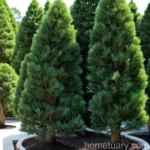
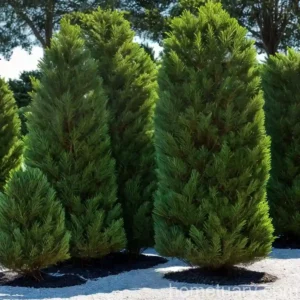
The ‘Minima Glauca’ variety of Chamaecyparis lawsoniana is cherished for its striking blue-green foliage, which provides year-round color and beauty to gardens and landscapes. Its small size and slow growth make it perfect for both small gardens and large-scale landscaping projects. The charming appearance of Chamaecyparis lawsoniana ‘Minima Glauca’ makes it an ideal choice for various applications, ranging from container gardening to architectural landscaping.
Key Takeaways – Chamaecyparis lawsoniana ‘Minima Glauca’ (Lawson Cypress)
Before delving into the cultural requirements and care tips for Chamaecyparis lawsoniana ‘Minima Glauca’, let’s summarize some key takeaways about this captivating evergreen shrub:
- Plant Name: Chamaecyparis lawsoniana ‘Minima Glauca’ (Lawson Cypress)
- Family: Cupressaceae
- Common Names: Dwarf Lawson Cypress, Miniature Lawson Cypress, Blue Lawson Cypress, Glauca Lawson Cypress, Compact Lawson Cypress, Ornamental Shrub, Miniature Evergreen, and many more.
- Growth Habit: Slow-growing, compact, and dense.
- Foliage: Striking blue-green foliage.
- Uses: Landscaping, ornamental planting, container gardening, and architectural design.
- Special Features: Drought-tolerant, low maintenance, and year-round appeal.
With these key takeaways in mind, let’s explore the cultural requirements, care tips, and uses of Chamaecyparis lawsoniana ‘Minima Glauca’ in more detail.
Cultural Requirements
The success of growing and maintaining Chamaecyparis lawsoniana ‘Minima Glauca’ lies in understanding its specific cultural requirements. By providing a suitable environment, this charming shrub can thrive and showcase its captivating beauty. Let’s delve into the essential cultural requirements for the Lawson Cypress:
Water
Optimal Watering Conditions:
– Established Shrubs: Chamaecyparis lawsoniana ‘Minima Glauca’ is relatively drought-tolerant once established. However, it thrives when provided with regular watering, especially during dry periods.
– Soil Moisture: Ensure a well-draining soil to prevent waterlogged conditions, as excess moisture can lead to root rot and other detrimental issues.
– Water Quality: Use clean, non-saline water for watering, as excessive salts can negatively impact the health of the shrub.
Sunlight
Sun Exposure Needs:
– Ideal Light Conditions: Lawson Cypress thrives in full sun to partial shade. While it can tolerate some shade, providing ample sunlight ensures optimal growth and vibrant foliage color.
– Morning Sun: Ensure that the shrub receives adequate morning sun, especially in regions with intense midday and afternoon sunlight.
Fertilizer
Balanced Nutrition Requirements:
– Fertilization Schedule: Applying a balanced, slow-release fertilizer in spring can support healthy growth and vibrant foliage.
– Fertilizer Selection: Choose a fertilizer specifically formulated for evergreen shrubs, ensuring that it contains essential micronutrients required for Chamaecyparis lawsoniana ‘Minima Glauca’.
Soil
Soil Composition:
– Well-Draining Soil: Lawson Cypress thrives in well-draining soil to prevent waterlogging and potential root issues.
– Soil pH: It prefers slightly acidic to neutral soil (pH 5.5-7.0), though it can adapt to a moderately alkaline pH with proper care.
– Mulching: Apply a layer of organic mulch around the shrub to conserve soil moisture and suppress weed growth.
Pruning
Pruning Techniques:
– Minimal Pruning: Chamaecyparis lawsoniana ‘Minima Glauca’ typically requires minimal pruning. However, you can selectively trim any damaged or overcrowded branches during the dormant season to maintain its compact and tidy appearance.
Propagation
Propagation Methods:
– Softwood Cuttings: Propagate Chamaecyparis lawsoniana ‘Minima Glauca’ through softwood cuttings taken in early summer. Ensure that the cuttings have a good rooting hormone and consistent moisture to promote successful rooting.
Container Popularity
Container Gardening Potential:
– Versatile Container Plant: Due to its compact size and slow growth, Chamaecyparis lawsoniana ‘Minima Glauca’ is well-suited for container gardening, offering an attractive option for patios, balconies, and small outdoor spaces.
– Container Selection: Choose a well-draining container of appropriate size to accommodate the shrub’s root system and provide room for future growth.
Uses
Landscape Planting
Versatile Landscape Applications:
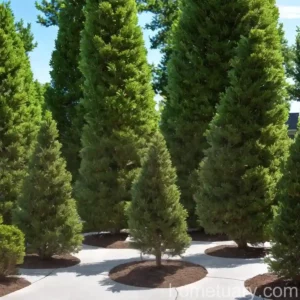
– Ornamental Planting: Lawson Cypress serves as an excellent choice for ornamental planting, adding year-round color and texture to diverse landscape settings.
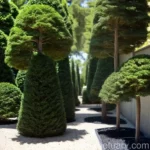
– Architectural Planting: Its compact and dense growth habit makes it an ideal candidate for architectural landscaping, where it can be used as a focal point or planted in clusters to create visual interest.
Companion Planting
Complementary Plants:
– Evergreen Companions: Pair Chamaecyparis lawsoniana ‘Minima Glauca’ with other evergreen shrubs and perennials to create visually appealing combinations that offer year-round interest.
– Contrast in Texture: Consider planting alongside plants with contrasting foliage textures to create dynamic and visually stimulating arrangements.
Common Diseases
Disease Resistance
Robust Disease Resistance:
– Disease Resistant: Chamaecyparis lawsoniana ‘Minima Glauca’ exhibits robust disease resistance under favorable growing conditions, reducing the likelihood of common foliar and stem diseases.
Disease Diagnosis
Recognition of Symptoms:
– Visual Inspection: Regularly inspect the foliage and stems for any signs of discoloration, lesions, or abnormal growth indicative of potential disease issues.
– Prompt Action: If any disease symptoms are observed, promptly isolate the affected plant and seek appropriate treatment measures to prevent the spread of the disease to other garden specimens.
Common Pests
Pest Control
Vigilant Pest Monitoring:
– Regular Inspection: Conduct routine inspections for common pests such as spider mites, scale insects, and aphids, which can occasionally affect Chamaecyparis lawsoniana ‘Minima Glauca’.
– Natural Predators: Encourage natural predators such as ladybugs and lacewings, which feed on these pests, to maintain a balanced ecosystem in the garden.
Botanist’s Tips
Expert Recommendations:
– Site Selection: When planting Chamaecyparis lawsoniana ‘Minima Glauca’, carefully choose a suitable site with well-draining soil and ample sunlight to ensure its optimal growth and development.
– Mulching Benefits: Apply a layer of organic mulch around the base of the shrub to conserve soil moisture, regulate soil temperature, and suppress weed growth, thereby enhancing its overall health and vigor.
Fun Facts
Intriguing Tidbits
- Historical Significance: The species name “lawsoniana” is derived from the botanist Charles Lawson, who introduced the Lawson Cypress to cultivation in the 1850s, contributing to its widespread popularity in horticulture.
- Miniature Conifer Collections: Chamaecyparis lawsoniana ‘Minima Glauca’ is often featured in miniature conifer collections and bonsai displays, showcasing its unique and captivating characteristics.
- Wildlife Habitat: The dense foliage of Lawson Cypress provides shelter and nesting sites for small birds and beneficial insects, contributing to the ecological diversity in garden and landscape settings.
Links to External Resources
For further information on Chamaecyparis lawsoniana ‘Minima Glauca’ and related topics, feel free to explore the following credible resources:
- Royal Horticultural Society (RHS) – Chamaecyparis lawsoniana
- University of California – Integrated Pest Management for Cypresses
- Missouri Botanical Garden – Growing Conifers
- American Conifer Society – Conifer Database
- North Carolina State University – Landscape Plants: Chamaecyparis lawsoniana
Conclusion
In conclusion, Chamaecyparis lawsoniana ‘Minima Glauca’ (Lawson Cypress) stands as an exceptional addition to garden landscapes, offering evergreen beauty, year-round interest, and versatile uses. By understanding its cultural requirements, optimal care techniques, and unique characteristics, gardeners and plant enthusiasts can appreciate and harness the full potential of this charming shrub. Whether it’s adorning a small garden, complementing architectural designs, or enhancing container displays, the captivating allure of Chamaecyparis lawsoniana ‘Minima Glauca’ continues to enthrall and inspire gardeners around the world. As a plant scientist, I am delighted to share the remarkable traits and care tips for this remarkable evergreen shrub, hoping to enrich the gardening experiences of individuals and contribute to the appreciation of nature’s botanical wonders.