Cereus Monstrose (Cereus Peruvianus ‘Monstrosus’)
Cereus Monstrose, known scientifically as Cereus peruvianus ‘Monstrosus’, is a unique and captivating variety of cactus that has gained popularity among.
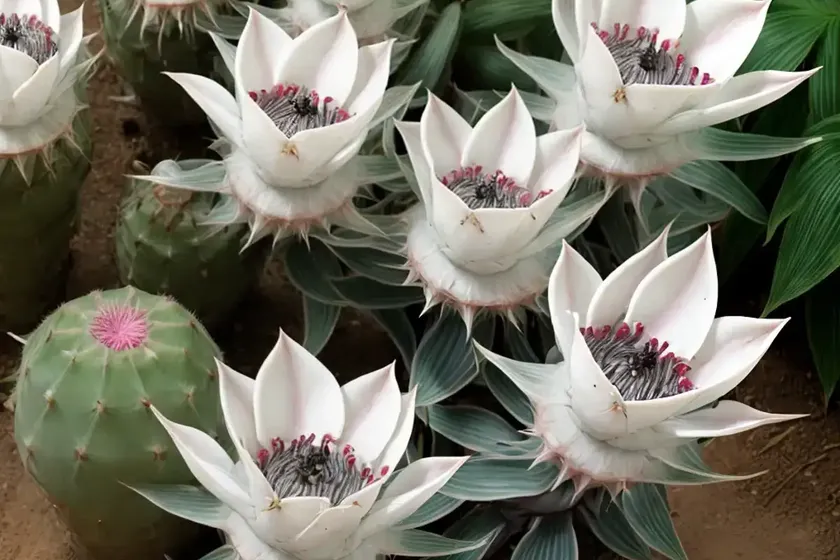
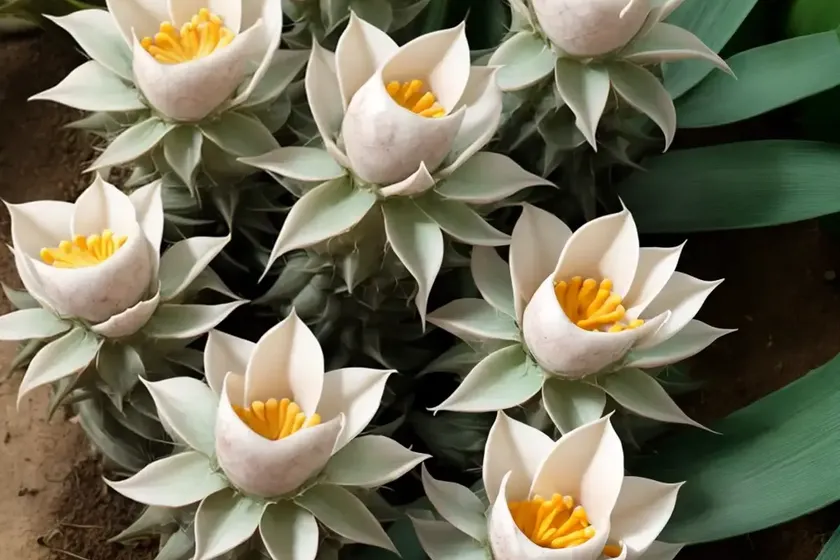
Cereus Monstrose, known scientifically as Cereus peruvianus ‘Monstrosus’, is a unique and captivating variety of cactus that has gained popularity among plant enthusiasts for its striking appearance and low maintenance requirements. This blog post aims to provide a comprehensive guide to understanding, caring for, and appreciating the beauty of the Cereus Monstrose. From its cultural significance to its propagation techniques, we will delve deep into the world of this exceptional cactus variety.
What is Cereus Monstrose (Cereus peruvianus ‘Monstrosus’)?
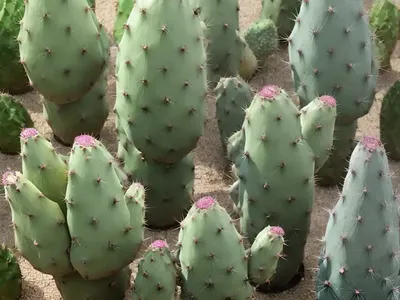
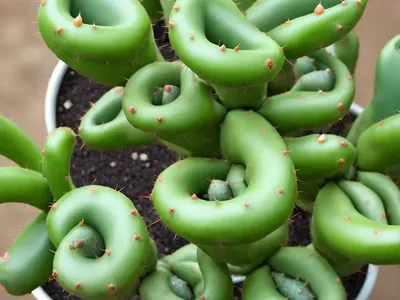
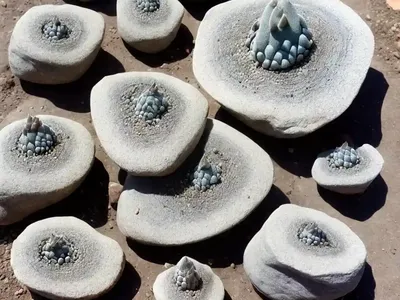
Before we delve into the specific care instructions and characteristics of the Cereus Monstrose, it’s essential to understand the fundamental aspects of this fascinating plant. Cereus Monstrose, also known as Cereus peruvianus ‘Monstrosus’, is a type of cactus native to South America, particularly in regions such as Peru. This cactus variety is known for its distinctive growth patterns, characterized by irregular and twisted stem formations, giving it a truly unique and captivating appearance.
The Cereus Monstrose belongs to the Cereus genus within the Cactaceae family, which encompasses a diverse range of cacti species. It is renowned for its remarkable adaptability to arid environments and its ability to thrive with minimal maintenance, making it an ideal choice for both novice and experienced plant enthusiasts.
Key Takeaways – Cereus Monstrose (Cereus peruvianus ‘Monstrosus’)
Culture
- Origin: Native to South America, particularly Peru
- Distinctive Features: Twisted and irregular stem growth patterns
- Cultural Significance: Revered for its unique appearance and low maintenance requirements
Uses
- Aesthetic Appeal: Ideal for adding visual interest to indoor and outdoor spaces
- Xeriscaping: Well-suited for water-wise or drought-tolerant landscaping projects
Water
- Drought Tolerance: Thrives in dry conditions, minimal water requirements
- Watering Frequency: Infrequent watering, allowing soil to dry out between waterings
Sunlight
- Sun Exposure: Thrives in bright, indirect sunlight
- Indoor Placement: Suitable for well-lit indoor environments
- Outdoor Growth: Adaptable to outdoor climates with ample sunlight
Fertilizer
- Minimal Nutrient Needs: Thrives in nutrient-poor soil
- Fertilization Frequency: Infrequent fertilization, particularly during the growing season
Soil
- Well-Draining Medium: Requires porous, well-draining soil mix
- Soil Composition: Sandy or rocky soil with minimal organic content
- PH Range: Tolerant of slightly acidic to neutral soil pH levels
Pruning
- Minimal Pruning Requirements: Rarely requires pruning except for removing dead or damaged stems
- Pruning Frequency: As needed to maintain plant health and shape
Propagation
- Propagation Methods: Can be propagated from stem cuttings
- Propagation Medium: Well-draining soil mix or perlite for root development
Container Popularity
- Container Growth: Well-suited for container gardening due to compact size and slow growth rate
- Aesthetic Appeal: Adds visual interest to indoor and outdoor containers
Common Diseases
- Resilience: Generally resistant to common cactus diseases
- Signs of Disease: Rotting or discoloration of stems, often due to overwatering
Disease Diagnosis
- Proactive Care: Ensure proper drainage and avoid overwatering to prevent potential diseases
- Observation: Monitor stem health and soil moisture regularly
Common Pests
- Pest Tolerance: Generally resistant to pests
- Potential Pests: Mealybugs, spider mites, and scale insects, particularly in indoor environments
Botanist’s Tips
- Arid Climate Adaptability: Thrives in dry and warm conditions, suitable for arid and desert-like environments
- Environmental Sensitivity: Monitor for cold temperature sensitivity and protect from frost in colder climates
- Observational Care: Regularly monitor plant health and address any signs of stress promptly
Fun Facts
- Monstrose Morphology: The term “monstrose” refers to the abnormal or irregular growth patterns exhibited by the Cereus Monstrose
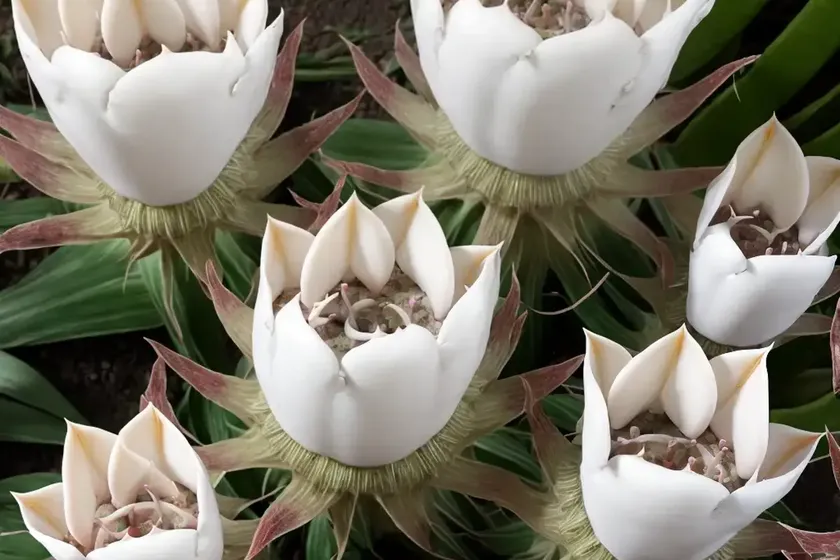
- Night-Blooming Beauty: Some Cereus varieties, including Cereus Monstrose, produce spectacular night-blooming flowers, adding to their allure
Links to External Resources
By exploring the essential aspects of Cereus Monstrose care, from watering and sunlight requirements to potential pests and diseases, enthusiasts can cultivate a thriving and visually captivating plant. Whether housed in an indoor container garden or placed within a xeriscape landscape, the remarkable characteristics of the Cereus Monstrose make it a compelling addition to any plant collection.