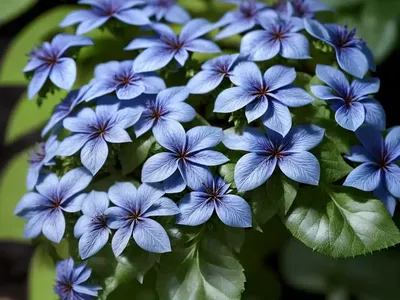
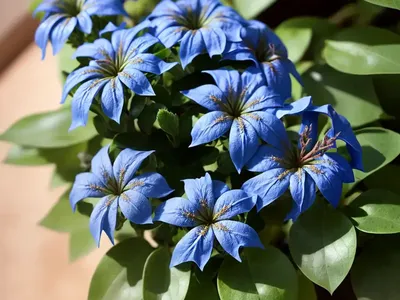
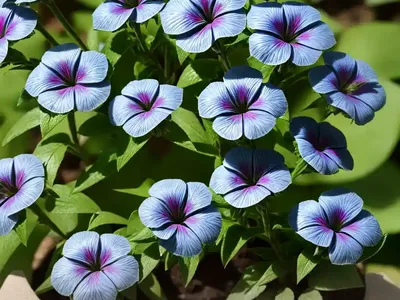
Ceratostigma Willmottianum (Chinese Plumbago)
When it comes to adding a splash of color and elegance to your garden, the Ceratostigma willmottianum, also known as Chinese Plumbago, is a plant you do.
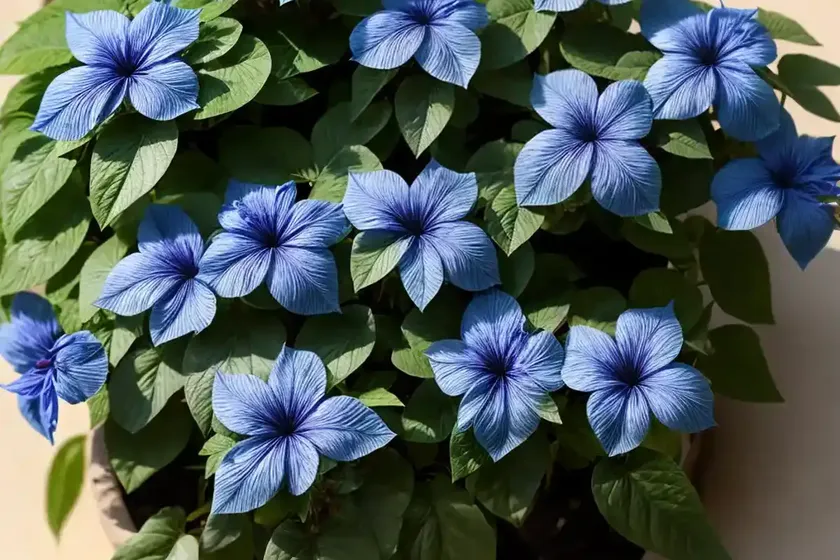
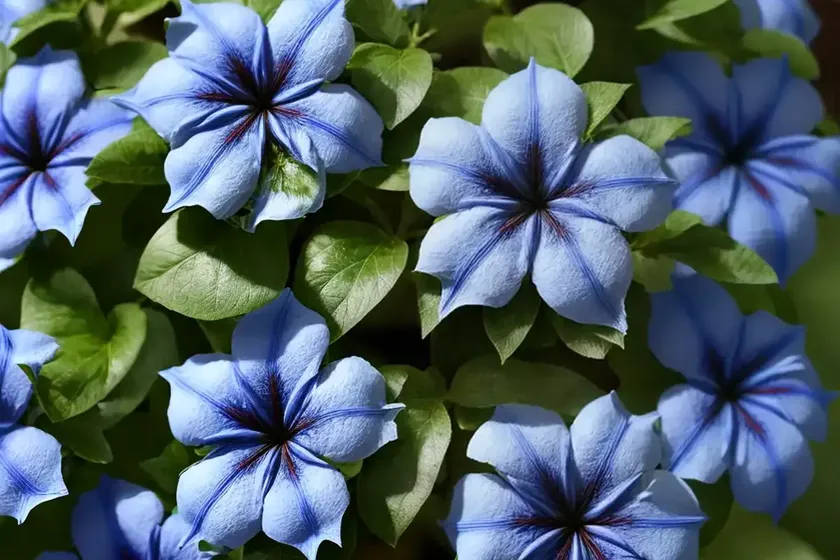
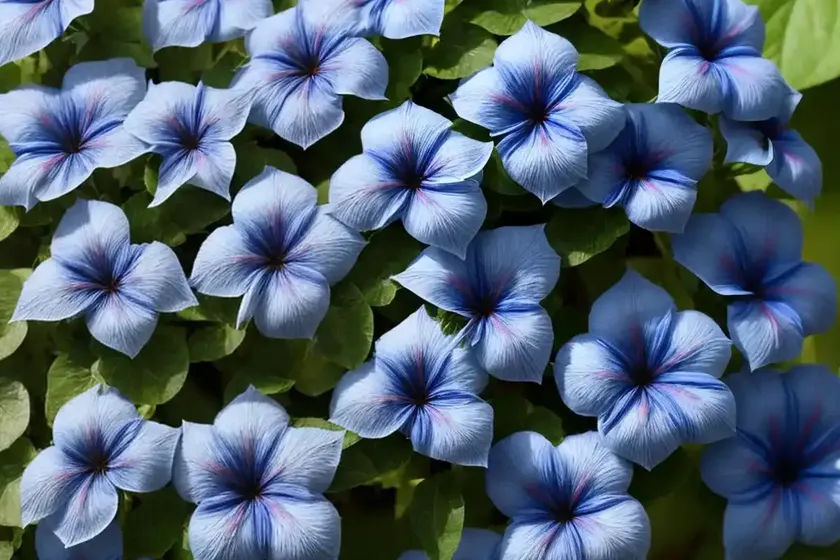
When it comes to adding a splash of color and elegance to your garden, the Ceratostigma willmottianum, also known as Chinese Plumbago, is a plant you do not want to overlook. This charming plant is loved for its delicate flowers and vibrant foliage, making it a popular choice for both amateur and experienced gardeners. In this comprehensive guide, we will explore all aspects of Ceratostigma willmottianum, from its cultural requirements to its uses, common diseases, and more.
What is Ceratostigma willmottianum (Chinese Plumbago)?
Ceratostigma willmottianum, commonly referred to as Chinese Plumbago, is a species of flowering plant in the leadwort family, Plumbaginaceae. This deciduous, low-growing shrub is native to Central and Western China, where it thrives in woodland areas and rocky slopes.
Chinese Plumbago is renowned for its stunning display of vivid blue flowers that adorn the plant during late summer and early autumn. The flowers are complemented by the plant’s deep green foliage, adding to its overall allure. The leaves turn a majestic reddish-purple hue in the fall, further enhancing its ornamental value.
This plant is not only prized for its aesthetic appeal but is also valued for its ability to attract bees and butterflies to the garden, making it an excellent choice for those interested in supporting local pollinators.
Key Takeaways – Ceratostigma willmottianum (Chinese Plumbago)
Before delving into the specifics of caring for Chinese Plumbago, let’s highlight some key takeaways about this captivating plant:
- Scientific Name: Ceratostigma willmottianum
- Common Name: Chinese Plumbago
- Family: Plumbaginaceae
- Native Habitat: Central and Western China
- Blooming Season: Late Summer to Early Autumn
- Foliage: Deciduous, Green Leaves Turning Reddish-Purple in Fall
- Flower Color: Vivid Blue
- Attracts: Bees and Butterflies
Now, let’s dive deeper into the various aspects of cultivating and caring for Ceratostigma willmottianum.
Culture
Ceratostigma willmottianum requires specific cultural conditions to thrive and produce its distinctive blue flowers. Understanding the plant’s cultural needs is essential for ensuring its health and longevity in your garden. Below are the cultural requirements to consider when growing Chinese Plumbago:
Water
Chinese Plumbago prefers consistently moist soil, especially during its active growing period. However, it is crucial to ensure proper drainage to prevent waterlogging, which can lead to root rot. Once established, the plant exhibits good drought tolerance, making it suitable for regions with sporadic rainfall.
Sunlight
Providing the right amount of sunlight is crucial for the healthy growth and blooming of Ceratostigma willmottianum. This plant thrives in full sun to partial shade, making it versatile for various garden settings. However, it tends to produce more prolific blooms when exposed to ample sunlight.
Fertilizer
To promote robust growth and prolific flowering, Chinese Plumbago benefits from regular fertilization during the growing season. A balanced, slow-release fertilizer applied in early spring can provide the necessary nutrients for the plant to flourish. Be cautious not to over-fertilize, as this can lead to excessive foliage growth at the expense of flowers.
Soil
The ideal soil for Ceratostigma willmottianum is well-draining, humus-rich, and slightly acidic. Amending the soil with organic matter can improve its structure and fertility, creating an optimal growing environment for the plant. Additionally, the plant shows good adaptability to different soil types, as long as they meet the drainage and nutrient requirements.
Pruning
Pruning is a vital aspect of Chinese Plumbago care, contributing to its overall health, shape, and flowering potential. Proper pruning techniques can help maintain the plant’s desired form, remove dead or damaged growth, and encourage the development of new blooms. When it comes to pruning Ceratostigma willmottianum, consider the following guidelines:
- Spring Pruning: Conduct light pruning in early spring to remove any dead or weak stems and encourage bushy growth.
- Post-Flowering Pruning: After the flowering period, prune the plant to maintain its shape and remove spent flower clusters.
- Fall Pruning: In late fall, conduct a more extensive pruning session to shape the plant and prepare it for the following growing season.
Regular pruning not only enhances the plant’s appearance but also promotes air circulation, reducing the risk of disease and pest infestations.
Propagation
If you want to expand your collection of Chinese Plumbago or share this stunning plant with fellow gardening enthusiasts, learning how to propagate Ceratostigma willmottianum is invaluable. The following propagation methods can be employed to grow new plants from existing specimens:
- Seed Propagation: Collect mature seeds from the plant and sow them in a well-prepared seed-starting mix. Maintain adequate moisture and warmth to facilitate germination.
- Softwood Cuttings: Take softwood cuttings from healthy stems in late spring or early summer. Plant the cuttings in a rooting medium and provide the necessary humidity and warmth for successful rooting.
Both methods have their advantages, and experimenting with both can offer a rewarding experience for gardening enthusiasts.
Container Popularity
Cultivating Ceratostigma willmottianum in containers has gained popularity among gardeners, particularly those with limited outdoor space or those aiming to create stunning decorative displays on patios, balconies, or terraces. Containers provide the flexibility to control the plant’s growth, offer a portable gardening solution, and allow for easy overwintering in regions with harsh climate conditions.
The striking blue flowers and attractive foliage of Chinese Plumbago make it an eye-catching addition to container gardens, whether displayed solo or combined with other compatible plants. The vibrant hues of the plant create an instant focal point, adding a touch of elegance to any outdoor space.
Common Diseases
While Chinese Plumbago is relatively resilient, it is susceptible to certain diseases and environmental stressors that can impact its vitality. Recognizing and understanding these common diseases is essential for implementing timely preventive measures and preserving the plant’s health. Some of the typical diseases that may affect Ceratostigma willmottianum include:
- Powdery Mildew: A fungal disease that manifests as a powdery white coating on the plant’s foliage, inhibiting photosynthesis and weakening the plant.
- Leaf Spot: Characterized by dark or discolored spots on the leaves, often caused by various fungal pathogens.
- Root Rot: Occurs in waterlogged soil and poorly drained conditions, leading to rotting of the plant’s root system and eventual decline.
Implementing good cultural practices, such as providing proper air circulation and avoiding overwatering, can help mitigate the risk of these diseases.
Disease Diagnosis
Diagnosing diseases in Chinese Plumbago involves careful observation of the plant’s symptoms, including changes in foliage appearance, presence of unusual growths, and overall vitality. Understanding the signs of common diseases and their distinguishing features can aid in accurate diagnosis and targeted treatment. Below are some diagnostic pointers for identifying potential diseases in Ceratostigma willmottianum:
- Powdery Mildew: Look for a powdery, white substance on the leaves, stems, and buds, accompanied by leaf distortion and stunted growth.
- Leaf Spot: Identify circular or irregularly shaped spots on the leaves, which may vary in color and size. Check for the presence of a dark border around the spots.
- Root Rot: Monitor the plant for signs of wilting, yellowing foliage, and rotting roots, especially in overly wet or waterlogged soil.
Consulting with a plant health specialist or local extension service can provide valuable insights and guidance in disease diagnosis and management.
Common Pests
In addition to diseases, Chinese Plumbago may encounter pest infestations that can compromise its health and appearance. Being vigilant for signs of common pests and implementing appropriate pest control measures are integral to maintaining the plant’s vigor. Some of the typical pests that may affect Ceratostigma willmottianum include:
- Aphids: Small, sap-sucking insects that congregate on the plant’s tender shoots and buds, leading to distorted growth and the secretion of honeydew.
- Spider Mites: Tiny arachnids that infest the undersides of leaves, causing stippling and webbing and resulting in weakened foliage.
- Scale Insects: Hard or soft scale insects may attach themselves to the plant, feeding on sap and weakening the plant over time.
Regularly inspecting the plant for signs of pest activity and promptly addressing any issues through appropriate control methods can help preserve its health and beauty.
Botanist’s Tips
To enhance your experience of growing and caring for Ceratostigma willmottianum, consider the following expert tips from botanists and experienced gardeners:
- Mulch Application: Apply a layer of organic mulch around the base of the plant to retain soil moisture, regulate temperature, and inhibit weed growth.
- Companion Planting: Pair Chinese Plumbago with companion plants that share similar cultural requirements and complement its aesthetic qualities. Consider combining it with late-flowering perennials and ornamental grasses for an enchanting display.
- Overwintering: In regions with cold winters, consider overwintering potted Chinese Plumbago indoors or providing protective mulching for outdoor plants to ensure their survival and spring reemergence.
By incorporating these insights into your plant care routine, you can optimize the growth and well-being of your Chinese Plumbago.
Fun Facts
Exploring the unique characteristics and qualities of Ceratostigma willmottianum can unearth fascinating insights and fun facts about this exceptional plant. Consider the following intriguing details about Chinese Plumbago:
- Medicinal Uses: In traditional Chinese medicine, certain parts of Ceratostigma willmottianum are utilized for their potential therapeutic properties, such as in the treatment of various ailments.
- Wildlife Attraction: Beyond attracting bees and butterflies, Chinese Plumbago may also draw other beneficial wildlife, such as hummingbirds and beneficial insects, to the garden.
- Ornamental Value: The striking blue flowers of Ceratostigma willmottianum can be used in floral arrangements and bouquets, adding a touch of natural beauty to indoor spaces.
These fun facts shed light on the multi-faceted appeal and cultural significance of Chinese Plumbago beyond its ornamental value.
Links to External Resources
For further information on Chinese Plumbago, including specific topics, visuals, and in-depth insights, explore the external resources provided below:
- Royal Horticultural Society – Ceratostigma willmottianum
- Missouri Botanical Garden – Growing Chinese Plumbago
- University of Florida IFAS Extension – Plumbago auriculata Fact Sheet
These resources offer valuable insights and reliable information to support your journey in cultivating and appreciating the beauty of Ceratostigma willmottianum.
In conclusion, Ceratostigma willmottianum, or Chinese Plumbago, stands as a captivating and versatile plant with considerable ornamental, ecological, and cultural value. By conscientiously addressing its cultural needs, recognizing and managing potential challenges, and celebrating its unique traits, gardeners can foster a thriving and enchanting display of this remarkable species in their outdoor spaces. Whether you are an avid plant enthusiast or a landscape aficionado, the Chinese Plumbago holds the potential to elevate your gardening experience and leave a lasting impression with its unparalleled charm.
The information provided in this comprehensive guide offers a holistic understanding of Ceratostigma willmottianum, also known as Chinese Plumbago, and serves as a valuable resource for plant enthusiasts seeking to cultivate and appreciate this captivating species. From its cultural requirements to its uses, common diseases, and more, this guide equips readers with the knowledge and insights necessary to foster the growth and well-being of Chinese Plumbago in diverse garden settings.