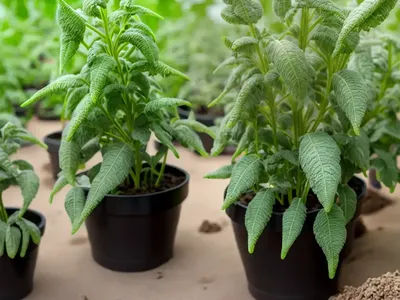
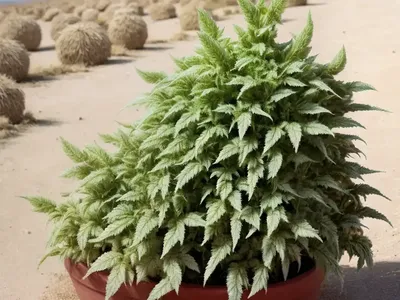
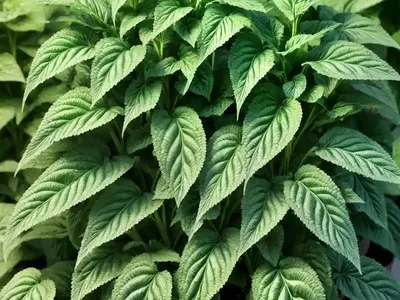
Celosia Caracas (Celosia Caracas)
Plant care is an essential aspect of gardening, and understanding the specific needs of each plant is crucial for their optimal growth and development. In.
Introduction
Plant care is an essential aspect of gardening, and understanding the specific needs of each plant is crucial for their optimal growth and development. In this comprehensive guide, we will delve into the world of Celosia caracas, also known as Celosia caracas, exploring its characteristics, cultivation requirements, common uses, and maintenance practices.
What is Celosia caracas (Celosia caracas)?
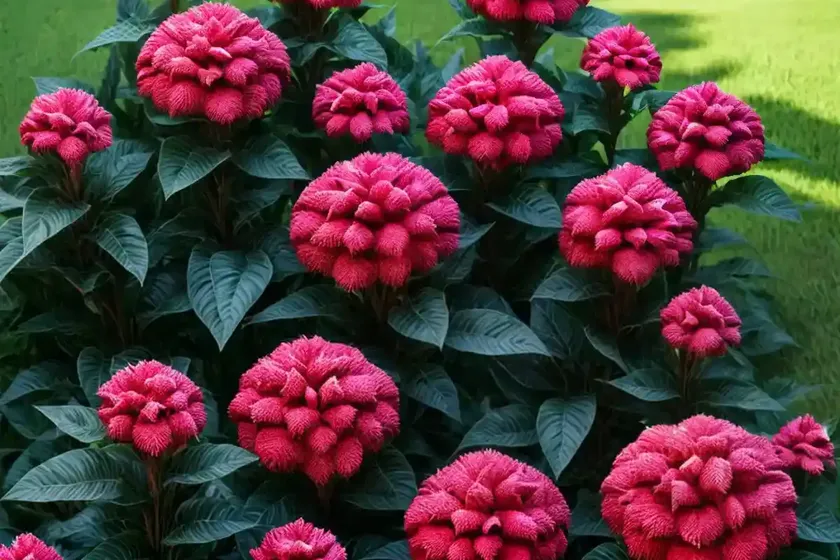
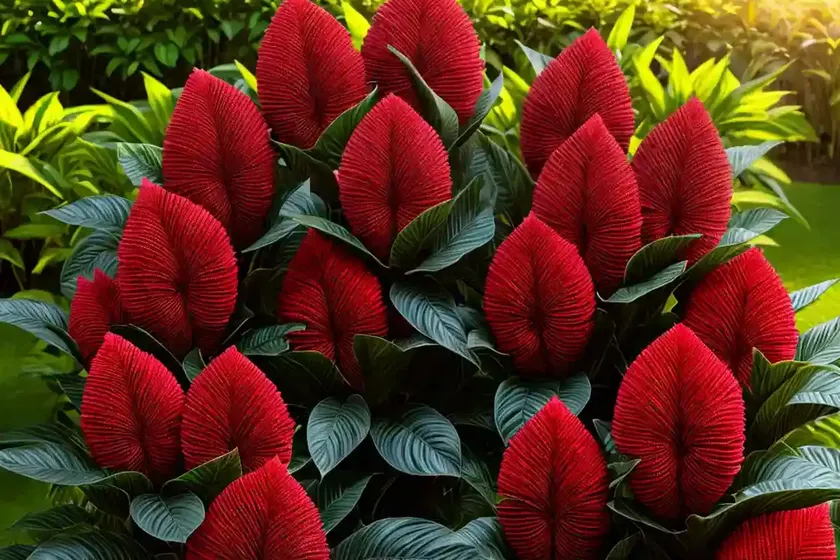
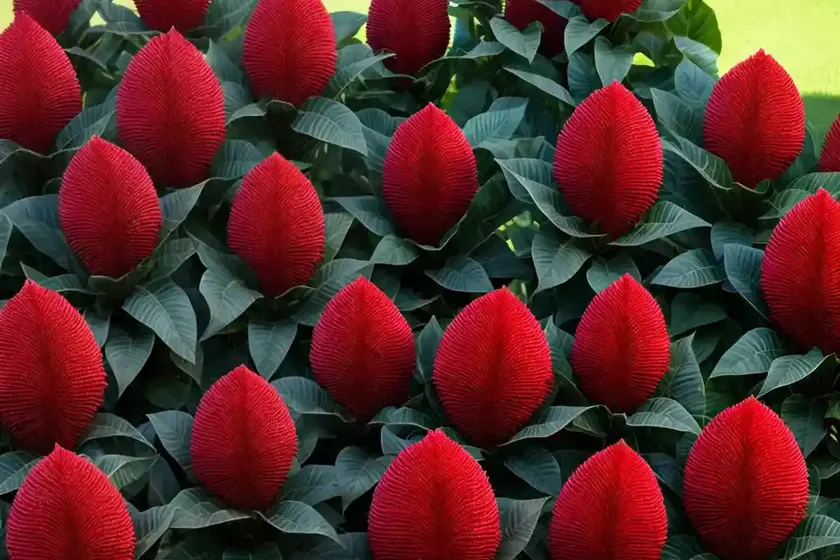
Celosia caracas, commonly known as Celosia, is a vibrant and eye-catching flowering plant that belongs to the genus Celosia within the Amaranthaceae family. This plant species is renowned for its unique and ornamental flower heads that can add a splash of color and texture to any garden or landscape.
Key Takeaways
Before we dive into the specifics of Celosia caracas plant care, it is essential to highlight some key takeaways associated with this remarkable plant species. Let’s explore the primary characteristics and unique features of Celosia caracas:
- Plant Type: Annual/Perennial
- Height: Varies based on the variety, typically ranging from 6 inches to 3 feet
- Bloom Time: Late spring to early fall
- Colors: Wide range of vibrant hues including red, orange, yellow, and pink
- Growth Stages: Germination, seedling, vegetative, flowering, and seed production
- Sunlight Preferences: Full sun
- Watering Needs: Moderate
- Soil Requirements: Well-draining and fertile soil
- Propagation: Seeds, cuttings
- Common Uses: Ornamental purposes, landscape borders, container gardening
- Disease Susceptibility: Prone to fungal infections
- Pest Issues: Susceptible to aphids, spider mites, and caterpillars
Now that we have outlined the key characteristics of Celosia caracas, it’s time to delve into the detailed care requirements for nurturing this captivating plant.
Culture
Cultivating Celosia caracas requires a good understanding of its preferred growing conditions, including optimal sunlight exposure, watering practices, soil requirements, and fertilization needs.
Sunlight
Being a sun-loving plant, Celosia caracas thrives in full sun, requiring at least 6-8 hours of direct sunlight daily to facilitate healthy growth and prolific flowering. When selecting a planting location, ensure that it receives ample sunlight throughout the day to encourage robust and vibrant blooms.
Water
Proper watering is essential for the health and vitality of Celosia caracas. While the plant is somewhat drought-tolerant once established, consistent moisture is crucial, especially during periods of active growth and flowering. Water the plants when the top inch of soil feels dry, and ensure that the soil is well-draining to prevent waterlogging and root rot.
Fertilizer
To promote vigorous growth and prolific flowering, it is recommended to fertilize Celosia caracas with a balanced, water-soluble fertilizer every 4-6 weeks during the growing season. Additionally, incorporating a slow-release granular fertilizer into the soil at the time of planting can provide a steady supply of essential nutrients to the plants.
Soil
Celosia caracas thrives in well-draining, fertile soil with a slightly acidic to neutral pH range (6.0-7.0). Amending the soil with organic matter such as compost or well-rotted manure can improve its fertility and moisture retention capabilities, creating an ideal growing environment for Celosia caracas.
Pruning
Proper pruning plays a significant role in maintaining the health, shape, and vigor of Celosia caracas plants. Regular deadheading of spent blooms not only enhances the aesthetic appeal of the plant but also encourages continuous flowering. Additionally, removing any diseased or damaged foliage can help prevent the spread of diseases and ensure the overall well-being of the plants.
Propagation
Propagation of Celosia caracas can be achieved through both seeds and cuttings. Here are the key methods for propagating this captivating plant:
-
Seeds: Collect ripe seed heads from mature Celosia caracas plants and carefully extract the tiny seeds. Sow the seeds in well-prepared seed-starting trays or directly in the garden soil after the last frost date. Keep the soil consistently moist and ensure warm temperatures for successful germination.
-
Cuttings: Take 3-4 inch stem cuttings from healthy Celosia caracas plants during the active growing season. Remove the lower leaves from the cuttings and place them in a container filled with moistened soil or a water-filled vessel. Provide warmth and humidity to encourage the development of roots, and transplant the rooted cuttings into individual pots once they are well-established.
Container Popularity
The striking and compact nature of Celosia caracas makes it a popular choice for container gardening. Whether grown in individual pots or combined with other complementary plants in mixed containers, Celosia caracas adds a vibrant and dynamic element to any outdoor or indoor space. The portability and versatility of container-grown Celosia caracas make it an attractive option for gardeners with limited space or those looking to create stunning focal points on patios, decks, or balconies.
Common Diseases
Like many ornamental plants, Celosia caracas is susceptible to certain diseases, with fungal infections being a primary concern. By understanding the common diseases affecting Celosia caracas and implementing preventative measures, gardeners can effectively protect their plants from potential health issues.
Disease Diagnosis
Some of the common diseases that may affect Celosia caracas include:
-
Powdery Mildew: Characterized by powdery white patches on the foliage, powdery mildew is a fungal disease that thrives in humid conditions. Adequate air circulation and proper watering practices can help prevent this disease.
-
Leaf Spot: The presence of circular, dark spots on the leaves indicates leaf spot disease, which is caused by fungal pathogens. Avoid overhead watering and remove any affected foliage to prevent the spread of the disease.
-
Root Rot: Excessive moisture and poorly drained soil can lead to root rot, causing the plant to exhibit wilted, discolored foliage. To prevent root rot, ensure proper soil drainage and avoid overwatering the plants.
Common Pests
In addition to diseases, Celosia caracas may also face challenges from various pests that can affect its overall health and vigor. Implementing integrated pest management strategies and closely monitoring the plants can help mitigate pest infestations effectively.
Some common pests that may target Celosia caracas include:
-
Aphids: These small, pear-shaped insects can congregate on the tender new growth of Celosia caracas, sucking sap from the plant and causing distortion and discoloration of the foliage. Regularly inspect the plants and use insecticidal soap as a natural control method to manage aphid populations.
-
Spider Mites: These tiny arachnids can inflict damage by piercing the plant cells and feeding on the sap, leading to stippled, yellowing leaves. Increase humidity levels and employ predatory mites to control spider mite infestations.
-
Caterpillars: Certain caterpillar species may feed on the foliage of Celosia caracas, causing unsightly damage. Handpick the caterpillars and utilize organic insecticides if necessary to protect the plants from extensive feeding damage.
Botanist’s Tips
To ensure the successful cultivation and care of Celosia caracas, here are some valuable tips and recommendations from botanists and horticulture experts:
-
Companion Plants: Pairing Celosia caracas with complementary flowering plants such as marigolds, zinnias, and verbena can create visually appealing and diverse garden beds and containers.
-
Garden Maintenance: Regularly inspect the plants for signs of diseases, pests, and nutrient deficiencies. Performing proactive maintenance, including pruning, weeding, and fertilizing, can contribute to the overall health and vigor of Celosia caracas.
-
Soil Requirements: Prioritize well-draining soil with good fertility and select a planting location with adequate sunlight exposure to support the optimal growth of Celosia caracas.
Fun Facts
As we continue to explore the intriguing world of Celosia caracas, here are some fun and fascinating facts about this captivating plant species:
- The name “Celosia” is derived from the Greek word “kelos,” meaning burnt, in reference to the flame-like appearance of the flower heads.
- Celosia caracas is cherished for its long-lasting blooms, making it an ideal choice for cut flower arrangements and floral displays.
- In some cultures, Celosia plants hold symbolic significance, representing longevity, prosperity, and positivity.
- The unique texture and form of Celosia caracas flowers make them a popular choice for adding visual interest and dimension to floral designs and landscape compositions.
Links to External Resources
For further in-depth insights and information on Celosia caracas plant care, refer to the following external resources:
- University of Florida – Celosia Production Guide
- Royal Horticultural Society – Celosia Growing Guide
In conclusion, Celosia caracas, with its flamboyant blooms and exceptional ornamental appeal, is a captivating addition to any garden or landscape. By understanding and implementing the appropriate care practices outlined in this guide, gardeners can foster the healthy growth and abundant flowering of Celosia caracas, ensuring a visually stunning and thriving plant display. Whether utilized in garden borders, container plantings, or floral arrangements, the remarkable beauty and versatility of Celosia caracas make it a cherished and cherished plant species in horticulture.