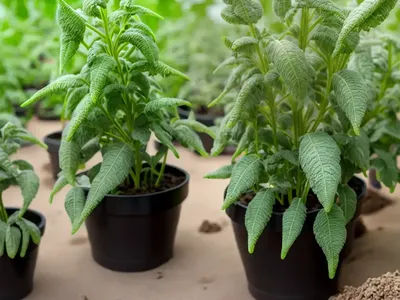
Celosia Argentea Var. Cristata (Plumosa Group) ‘Ice Cream Pink’)
In this article, we will explore the fascinating plant species Celosia argentea var. cristata from the Plumosa Group, specifically the captivating cultivar.
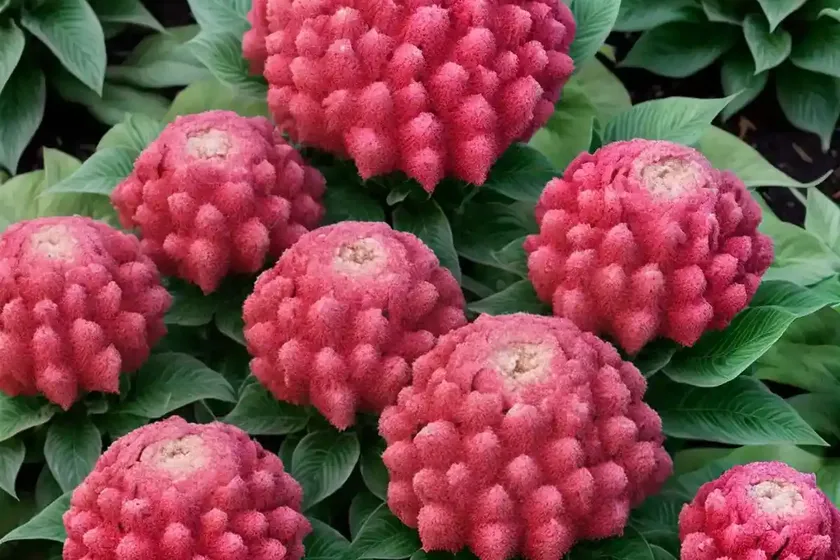
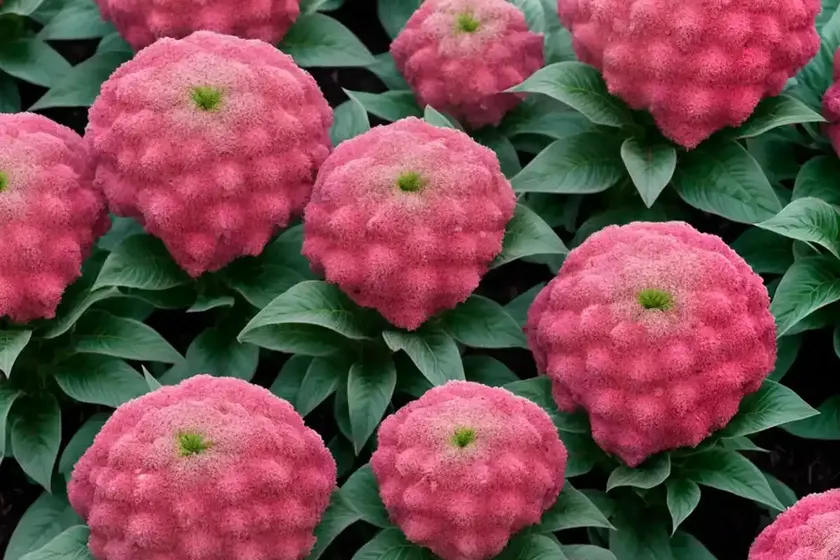
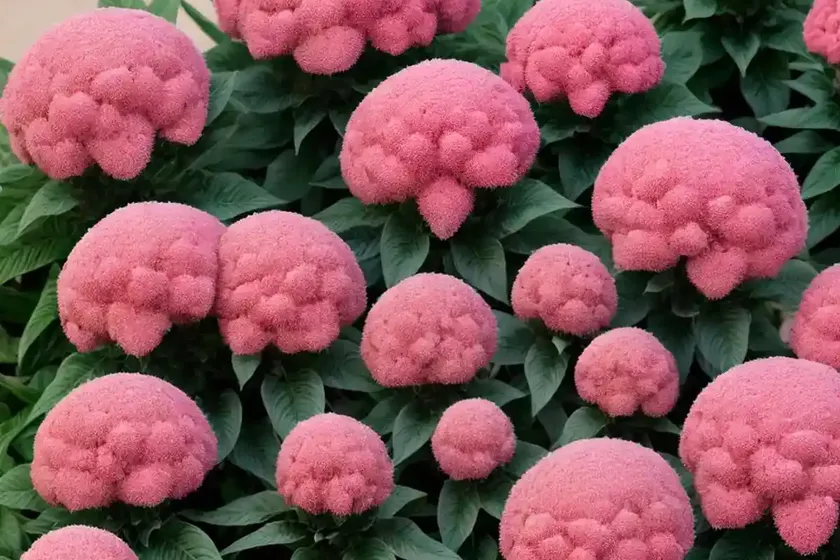
In this article, we will explore the fascinating plant species Celosia argentea var. cristata from the Plumosa Group, specifically the captivating cultivar ‘Ice Cream Pink.’ We will delve into its cultural preferences, uses, care tips, propagation techniques, pests and diseases, and much more. Whether you are a beginner or an experienced gardener, this comprehensive guide will equip you with the knowledge and expertise to cultivate and appreciate this stunning plant to the fullest.
What is Celosia argentea var. cristata (Plumosa Group) ‘Ice Cream Pink’?
Celosia argentea var. cristata, commonly known as celosia or cockscomb, belongs to the family Amaranthaceae. The Plumosa Group is characterized by its unique plumed flower heads, and the cultivar ‘Ice Cream Pink’ is specifically renowned for its striking pink feather-like blooms. This annual plant is native to tropical regions and is cherished for its ornamental value.
Key Takeaways
Before delving into the specifics, let’s have a quick look at the key takeaways associated with Celosia argentea var. cristata (Plumosa Group) ‘Ice Cream Pink’:
- Scientific Name: Celosia argentea var. cristata (Plumosa Group) ‘Ice Cream Pink’
- Cultural Preferences: Requires well-draining soil, full sunlight, and regular watering. Thrives in warm climates.
- Uses: Popular for ornamental purposes in gardens, landscapes, and floral arrangements.
- Features: Eye-catching pink feather-like flower heads.
- Propagation: Can be propagated from seeds or cuttings.
- Container Gardening: Well-suited for container cultivation.
- Diseases: Susceptible to fungal diseases if overwatered.
- Pests: Prone to attacks by aphids and spider mites.
Now, let’s explore each of these aspects in detail.
Culture
Water
Proper watering is crucial for the health and vigor of Celosia argentea var. cristata ‘Ice Cream Pink.’ It requires consistently moist but not waterlogged soil. Overwatering can lead to root rot and other fungal diseases, while underwatering can result in wilting and reduced flowering.
Tips for Watering:
– Water the plant when the top inch of soil feels dry to the touch.
– Ensure good drainage to prevent waterlogging.
– Water early in the day to allow foliage to dry before nightfall, reducing the risk of fungal infections.
Sunlight
Celosia argentea var. cristata thrives in full sunlight and warm temperatures. It requires at least 6-8 hours of direct sunlight to bloom prolifically and maintain its vibrant coloration. Inadequate sunlight can lead to leggy growth and diminished flowering.
Tips for Sunlight:
– Choose a planting location with ample sunlight exposure.
– In hot climates, provide some afternoon shade to prevent sunscald.
Fertilizer
Using a balanced fertilizer can promote healthy growth and abundant flowering in Celosia argentea var. cristata ‘Ice Cream Pink.’ A slow-release, granular fertilizer or a liquid fertilizer diluted to half-strength can be applied during the growing season.
Fertilizing Tips:
– Apply fertilizer every 4-6 weeks during the growing season.
– Avoid excessive fertilization, as it can lead to lush foliage at the expense of flowers.
Soil
Well-draining soil is essential for Celosia argentea var. cristata to thrive. A loamy or sandy soil with good aeration and fertility is ideal for this plant. It is important to ensure that the soil does not become compacted, as this can impede root growth and water penetration.
Soil Considerations:
– Amend heavy clay soils with organic matter to improve drainage.
– Maintain a slightly acidic to neutral soil pH (6.0-7.0) for optimal nutrient uptake.
Pruning
Although Celosia argentea var. cristata ‘Ice Cream Pink’ generally requires minimal pruning, deadheading spent blooms can encourage continuous flowering and prevent self-seeding in the garden. Additionally, removing any diseased or damaged foliage can help maintain the plant’s health and appearance.
Pruning Tips:
– Use clean, sharp pruners to make precise cuts.
– Prune selectively to shape the plant and remove undesirable growth.
Propagation
Celosia argentea var. cristata can be propagated from seeds, cuttings, or division. Each method has its own unique advantages and considerations.
Propagation Methods:
1. Seeds: Sow seeds indoors 6-8 weeks before the last frost date. Keep the soil consistently moist and provide warmth for germination.
2. Cuttings: Take 3-4 inch stem cuttings from healthy plants and root them in a well-draining potting mix.
3. Division: Divide mature plants in early spring, ensuring that each division has roots attached.
Container Popularity
The compact growth habit of Celosia argentea var. cristata ‘Ice Cream Pink’ makes it well-suited for container cultivation. This allows gardeners with limited space or those desiring portable ornamental displays to enjoy the beauty of this cultivar.
Considerations for Container Gardening:
– Use a well-draining potting mix to prevent waterlogging.
– Choose a container with drainage holes to facilitate excess water removal.
– Regularly monitor moisture levels, as containers tend to dry out more quickly than garden beds.
Common Diseases
Disease Diagnosis
Celosia argentea var. cristata is susceptible to fungal diseases, particularly when exposed to excessive moisture or poor air circulation. Common diseases that may affect this plant include powdery mildew, downy mildew, and root rot.
Identifying Disease Symptoms:
– Powdery Mildew: Characterized by a white, powdery coating on the leaves and stems.
– Downy Mildew: Appears as yellow or brown patches on the upper leaf surface and a fuzzy growth on the lower surface.
– Root Rot: Manifests as wilting, yellowing foliage, and rotting roots.
Common Pests
Celosia argentea var. cristata is vulnerable to attacks by various pests, including aphids, spider mites, and caterpillars. These pests can damage foliage, stunt growth, and diminish flowering if not controlled.
Pest Management Strategies:
– Use insecticidal soap or neem oil to control aphids and spider mites.
– Handpick caterpillars and dispose of them to prevent widespread damage.
Botanist’s Tips
As a botanist, I have some valuable tips to ensure the success of cultivating Celosia argentea var. cristata ‘Ice Cream Pink’:
- Optimal Growing Conditions: Provide well-draining soil, full sunlight, and appropriate watering to create an ideal environment for the plant.
- Regular Maintenance: Monitor for signs of disease and pests, and address any issues promptly to maintain plant health.
- Pruning for Aesthetics: Lightly prune the plant to shape it and remove spent blooms for a tidy and attractive appearance.
- Mulching: Apply a layer of organic mulch around the base of the plant to retain soil moisture and suppress weed growth.
Fun Facts
Here are some intriguing and lesser-known facts about Celosia argentea var. cristata ‘Ice Cream Pink’:
- The name “celosia” is derived from the Greek word “kelos,” which means “burned,” referencing the vibrant flame-like appearance of its flower heads.
- In some cultures, celosia is associated with symbolism related to longevity, immortality, and spiritual significance.
- Celosia flowers are often used in traditional medicine for their purported anti-inflammatory and wound-healing properties.
Links to External Resources
For further in-depth information and inspiration related to Celosia argentea var. cristata ‘Ice Cream Pink,’ please explore the following resources:
- Growing Tips for Celosia Plants
- Celosia – Coxcomb | University of Florida Institute of Food and Agricultural Sciences
- Caring for Cockscomb (Celosia) in the Garden
- Celosia: A Field Guide
- The Royal Horticultural Society: Celosia
By exploring these resources, you can further enhance your knowledge and appreciation for this captivating plant.
In conclusion, Celosia argentea var. cristata ‘Ice Cream Pink’ is a remarkable plant with its distinctive plumed flower heads and vibrant pink coloration. By understanding its cultural needs, propagation methods, and pest and disease management, you can successfully cultivate and appreciate this ornamental species in your garden or landscape. Whether you are drawn to its visual appeal or intrigued by its cultural significance, incorporating Celosia argentea var. cristata ‘Ice Cream Pink’ into your green spaces can undoubtedly bring joy and fascination.
Remember to share your thoughts, experiences, and any additional tips for growing celosia in the comments below. Happy gardening!