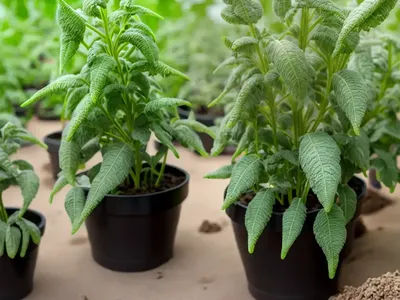
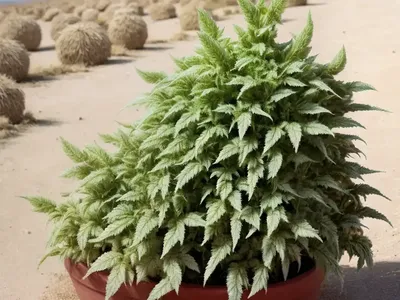
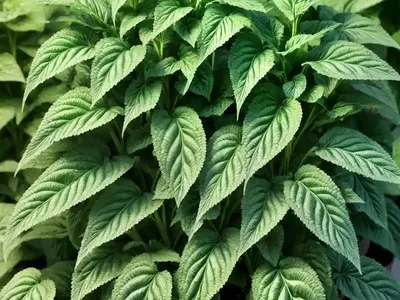
Celosia Argentea Var. Cristata ‘Orange Queen Improved’ (Cockscomb)
In the world of horticulture, Celosia argentea var. cristata ‘Orange Queen Improved’ (commonly known as Cockscomb) stands out as a unique and vibrant.
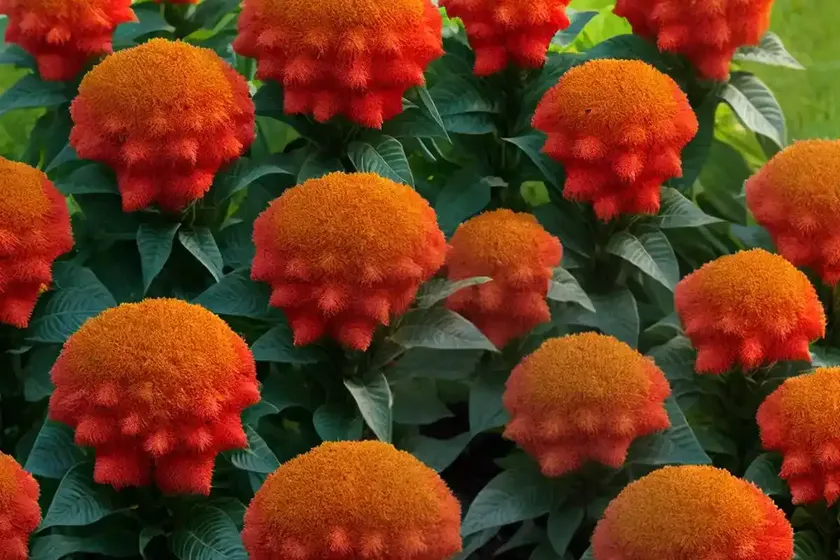
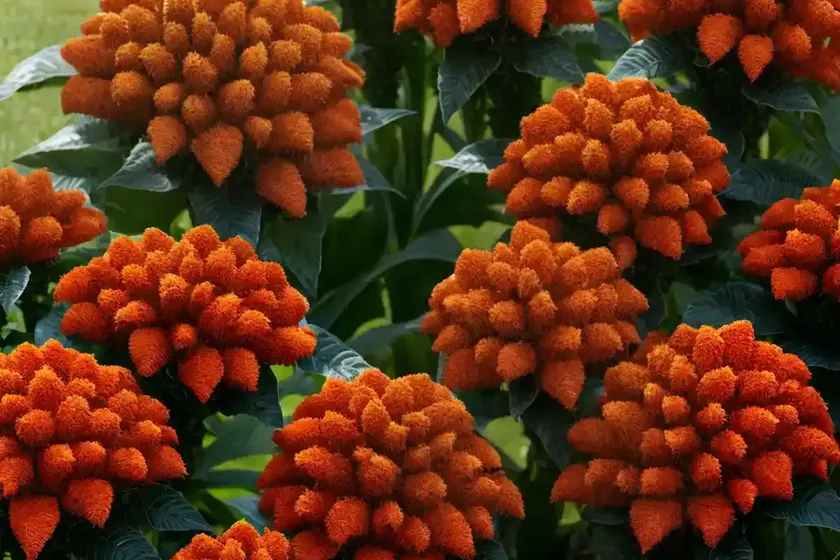
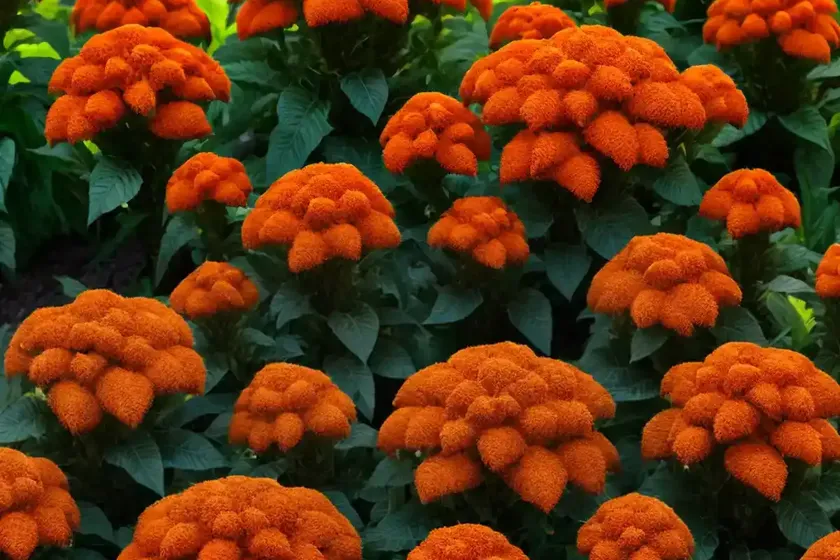
In the world of horticulture, Celosia argentea var. cristata ‘Orange Queen Improved’ (commonly known as Cockscomb) stands out as a unique and vibrant ornamental plant. Its distinctive crested flower heads and striking color make it a popular choice among gardeners and landscaping enthusiasts. In this blog post, we will dive deep into the world of Cockscomb, exploring its characteristics, cultivation techniques, common diseases and pests, maintenance tips, and much more.
What is Celosia argentea var. cristata ‘Orange Queen Improved’ (Cockscomb)?
Celosia argentea var. cristata, commonly referred to as Cockscomb, is a member of the amaranth family (Amaranthaceae). This plant is known for its showy, crested flower heads which resemble the comb of a rooster, hence its common name “Cockscomb”. The ‘Orange Queen Improved’ variety, as suggested by its name, is recognized for its vibrant and striking orange-hued blooms.
Key Takeaways – Celosia argentea var. cristata ‘Orange Queen Improved’ (Cockscomb)
Before delving into the specifics of growing and caring for Celosia argentea var. cristata ‘Orange Queen Improved’, let’s take a quick look at some key takeaways about this unique plant:
- Scientific Name: Celosia argentea var. cristata ‘Orange Queen Improved’
- Common Name: Cockscomb
- Characteristics: Vibrant orange crested flower heads, upright growth habit, and lush green foliage.
- Cultivation: Suitable for both outdoor and container gardening.
- Uses: Ornamental purposes, landscaping, and cut flower arrangements.
- Challenges: Susceptible to certain diseases and pests, requires specific care for optimal growth.
- Adaptability: Can thrive in various climatic conditions, including both temperate and tropical regions.
With these key takeaways in mind, let’s explore the various aspects of growing and nurturing Celosia argentea var. cristata ‘Orange Queen Improved’ to help you cultivate and care for this stunning plant with confidence.
Culture
Uses
Celosia argentea var. cristata ‘Orange Queen Improved’ is primarily cultivated for its ornamental value. The vibrant and uniquely shaped flowers make it a popular choice for adding visual interest to gardens, landscapes, and floral arrangements. The plant’s ability to thrive in containers also makes it a versatile option for those with limited outdoor space.
Water
Cockscomb plants generally prefer consistently moist, well-draining soil. While they can tolerate brief periods of drought, it’s essential to provide regular watering, especially during periods of extended dryness. Overly waterlogged soil should be avoided to prevent root rot and other water-related issues.
Sunlight
When it comes to sunlight requirements, Celosia argentea var. cristata ‘Orange Queen Improved’ thrives in full sun to partial shade conditions. Adequate sunlight is crucial for promoting robust growth and abundant flowering. In regions with intense heat, providing some afternoon shade can help protect the plant from excessive stress.
Fertilizer
For optimal growth and flowering, regular feeding with a balanced, water-soluble fertilizer can be beneficial. During the growing season, applying a fertilizer formulated for flowering plants according to the manufacturer’s instructions can support the plant’s nutritional needs and promote healthy blooms.
Soil
The ideal soil for Celosia argentea var. cristata ‘Orange Queen Improved’ is well-draining and nutrient-rich. A loamy, fertile soil mixture with good aeration is preferred to support the plant’s growth and development. Amending the soil with organic matter such as compost can further enhance its quality.
Pruning
Pruning can play a vital role in maintaining the plant’s shape, controlling its size, and promoting bushier growth. Regular deadheading of spent flowers can encourage continuous blooming and prevent the plant from investing energy into seed production. Additionally, removing any damaged or diseased portions can help keep the plant healthy and visually appealing.
Propagation
Cockscomb plants can be propagated through both seeds and cuttings. While seeds are readily available for purchase, stem cuttings can also be utilized to propagate new plants. The use of a root hormone can aid in the successful establishment of cuttings. Ensuring suitable environmental conditions, such as adequate humidity and warmth, can facilitate the propagation process.
Container Popularity
Due to its relatively compact size and striking aesthetic appeal, Celosia argentea var. cristata ‘Orange Queen Improved’ is well-suited for container gardening. Whether grown in individual pots, hanging baskets, or window boxes, this plant can bring a vibrant burst of color to various outdoor and indoor settings. When cultivating Cockscomb in containers, it’s essential to provide proper drainage and select an appropriately sized container to accommodate its roots.
Common Diseases
As with any plant, Celosia argentea var. cristata ‘Orange Queen Improved’ is susceptible to certain diseases that can affect its overall health and appearance. Recognizing common diseases and understanding their management is crucial for maintaining the plant’s vigor.
Disease Diagnosis
Some of the common diseases that may impact Cockscomb plants include:
- Powdery Mildew: A fungal disease characterized by a powdery, white coating on the leaves and stems. It can inhibit photosynthesis and weaken the plant over time.
- Downy Mildew: Another fungal disease that appears as yellow or brown patches on the leaves, often accompanied by a downy, grayish growth on their undersides.
- Fusarium and Pythium Root Rots: These are caused by soil-borne pathogens and can lead to wilting, yellowing, and eventual collapse of the plant.
- Bacterial Leaf Spot: It presents as dark, water-soaked spots on the foliage and can spread rapidly under favorable conditions.
Preventative measures, such as promoting good air circulation, avoiding overhead watering, and practicing proper sanitation, can help reduce the risk of disease development. Additionally, employing fungicidal sprays or treatments as recommended by local gardening experts or extension services can aid in disease management.
Common Pests
In addition to diseases, Cockscomb plants may also attract certain pests that can compromise their growth and vitality. Being aware of common pests and their respective control methods is essential for safeguarding the plant against potential infestations.
Some of the common pests that may pose a threat to Celosia argentea var. cristata ‘Orange Queen Improved’ include:
- Aphids: These small, soft-bodied insects can congregate on the plant’s tender growth and suck sap, leading to stunted growth and deformation of leaves and flowers.
- Spider Mites: These tiny pests can cause stippling and webbing on the foliage, eventually causing yellowing and premature leaf drop.
- Thrips: Thrips are slender, winged insects that can feed on the plant’s tissues, causing silvering of the leaves and distortion of flowers.
- Whiteflies: These tiny, white insects can cluster on the undersides of leaves and excrete honeydew, promoting the growth of sooty mold and weakening the plant.
Implementing integrated pest management strategies, which may include the use of natural predators, insecticidal soaps, or horticultural oils, can help manage pest populations while minimizing the impact on beneficial organisms and the environment.
Botanist’s Tips
For those seeking to cultivate and care for Celosia argentea var. cristata ‘Orange Queen Improved’, here are some botanist-verified tips to help ensure the plant’s success:
- Proper Plant Spacing: When planting Cockscomb in garden beds or containers, providing adequate spacing between individual plants can promote optimal air circulation and reduce the likelihood of disease development.
- Mulching: Applying a layer of organic mulch around the base of the plant can help conserve soil moisture, suppress weed growth, and maintain a more stable root zone temperature.
- Regular Monitoring: Keep a close eye on the plant for any signs of stress, disease, or pest infestation. Early detection can significantly improve the effectiveness of treatment or management strategies.
- Soil Amendment: Prior to planting, amending the soil with organic matter such as compost can enhance its fertility, structure, and overall quality, providing a conducive environment for the plant’s growth.
- Seasonal Care: Adjusting care practices based on seasonal changes is essential. For instance, providing adequate protection from frost during colder months and ensuring ample hydration during periods of intense heat can support the plant’s resilience.
Applying these tips in conjunction with standard plant care practices can contribute to the successful cultivation and maintenance of Celosia argentea var. cristata ‘Orange Queen Improved’ in various growing environments.
Fun Facts
Before we conclude this comprehensive guide to Celosia argentea var. cristata ‘Orange Queen Improved’, let’s dive into some fascinating and lesser-known facts about this remarkable plant:
- Cultural Significance: In certain cultures, Cockscomb flowers hold symbolic meanings associated with courage, boldness, and strong character, making them a popular choice for celebratory occasions and decorative arrangements.
- Traditional Uses: In traditional medicine, certain parts of Celosia argentea var. cristata have been used for their purported medicinal properties, including anti-inflammatory and antioxidant effects.
- Culinary Applications: While primarily grown for ornamental purposes, certain cultivars of Cockscomb are cultivated for their edible leaves and young shoots, which are used in various culinary preparations in some regions.
- Insect Attraction: The vibrant and nectar-rich flowers of the plant can attract beneficial pollinators, such as butterflies and bees, contributing to the ecological balance of the garden or landscape.
- Color Variations: In addition to the striking orange hue of ‘Orange Queen Improved’, Cockscomb plants are available in a range of color variations, including red, yellow, pink, and even bi-colored blooms, offering diverse options for aesthetic preferences.
These fun facts provide a deeper appreciation for the multifaceted nature of Celosia argentea var. cristata ‘Orange Queen Improved’ beyond its visual appeal.
Links to External Resources
For further exploration and in-depth information about Celosia argentea var. cristata ‘Orange Queen Improved’, consider referring to the following external resources:
- The Plant Encyclopedia – Celosia argentea var. cristata ‘Orange Queen Improved’
- Royal Horticultural Society – Cockscomb Plant Care Guide
- University Extension Services – Growing Ornamental Cockscomb
- American Horticultural Society – Caring for Celosia argentea var. cristata ‘Orange Queen Improved’
These reputable resources offer a wealth of knowledge and insights to support your journey in understanding, cultivating, and appreciating the beauty of Celosia argentea var. cristata ‘Orange Queen Improved’ as an ornamental plant.
As we conclude our in-depth exploration of Celosia argentea var. cristata ‘Orange Queen Improved’ (Cockscomb), I trust that this comprehensive guide has equipped you with the knowledge and confidence to embark on a rewarding journey of growing, caring for, and appreciating this captivating plant. Whether adorning gardens, landscapes, or floral displays, the vibrant and distinctive presence of this remarkable plant continues to captivate and inspire plant enthusiasts and nature lovers alike.
Remember, the cultivation and nurturing of plants not only enrich our surroundings but also foster a deeper connection with the natural world, offering moments of joy, wonder, and appreciation for the beauty that flourishes around us.
Happy gardening and may your Cockscomb blooms always shine bright with the allure of ‘Orange Queen Improved’!
[block:image]
{
“images”: [
{
“image”: [
“https://via.placeholder.com/150”
]
}
]
}
[/block]