Celosia Argentea Var. Cristata (Cristata Group)
Celosia argentea var. cristata, commonly known as the Cristata Group, is a fascinating and vibrant species of flowering plants that belong to the amaranth.
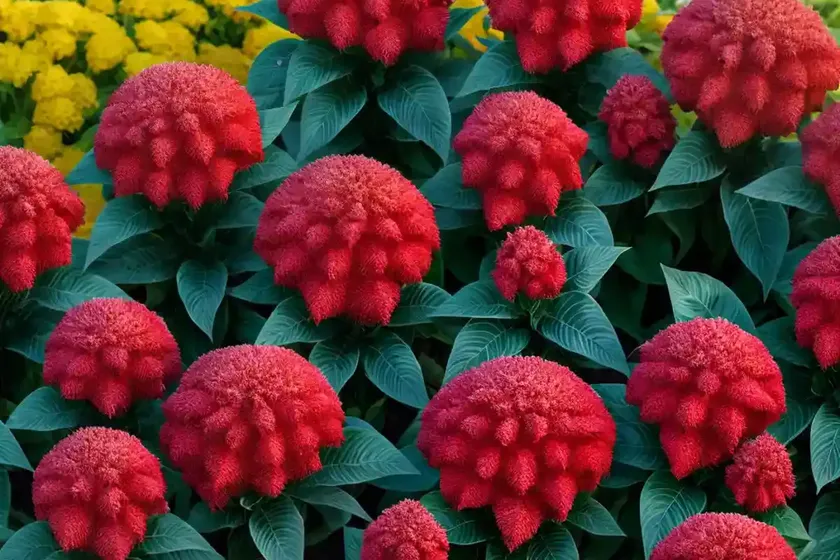
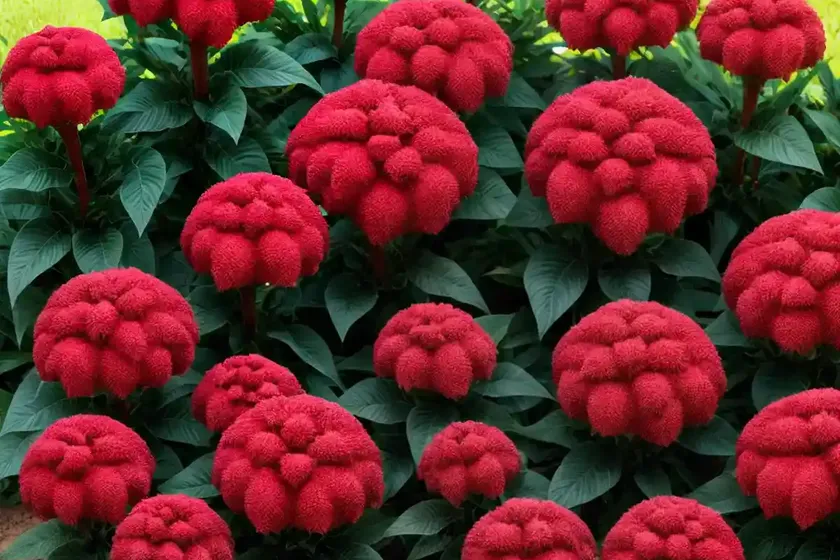
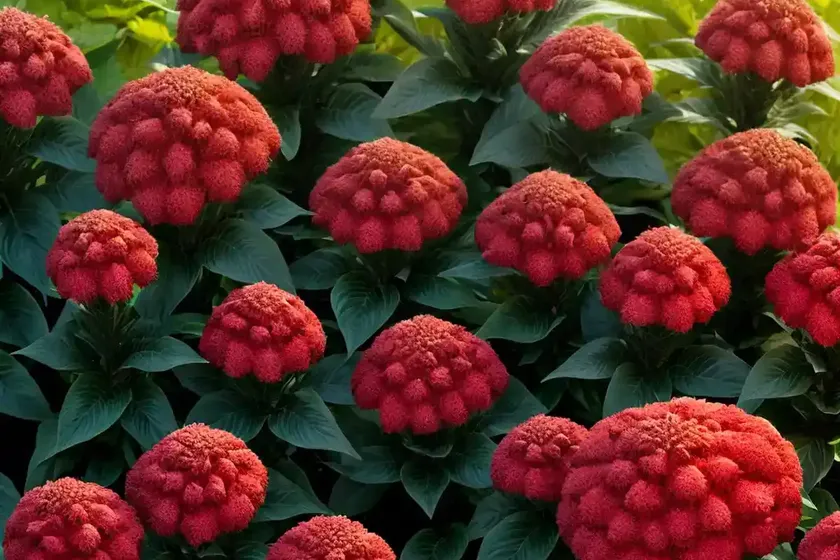
Celosia argentea var. cristata, commonly known as the Cristata Group, is a fascinating and vibrant species of flowering plants that belong to the amaranth family, Amaranthaceae. This variety is particularly renowned for its distinct and captivating crested flower heads, which resemble the appearance of a rooster’s comb, thus earning it the nickname “crested cockscomb.” The Celosia argentea species comprises various cultivars that differ in shape, size, and color of the flower heads, offering an array of stunning options for horticultural and ornamental purposes.
A plant enthusiast’s delight, Celosia argentea var. cristata is cherished for its unique aesthetic appeal, making it a popular choice for both professional landscapers and home gardeners. Its distinctive features, combined with its adaptability to different growing conditions, have solidified its place as a beloved addition to gardens, landscapes, and floral arrangements worldwide.
In this comprehensive guide, we will delve into the various aspects of Celosia argentea var. cristata, offering valuable insights into its culture, uses, maintenance, and more. Whether you are a seasoned horticulturist looking to expand your knowledge or a gardening novice eager to explore the world of ornamental plants, this guide will equip you with essential information to understand and cultivate Celosia argentea var. cristata with confidence and success.
Before we embark on our journey to unravel the myriad facets of Celosia argentea var. cristata, let’s take a moment to highlight some key takeaways about this captivating plant:
- Botanical Name: Celosia argentea var. cristata
- Common Name: Crested Cockscomb
- Family: Amaranthaceae
- Distinctive Feature: Showy, crested flower heads, resembling a rooster’s comb
- Cultivars: Diverse range of cultivars with varying flower head shapes, sizes, and colors
- Uses: Ornamental purposes, landscaping, cut flower arrangements, and cultural or religious ceremonies
- Adaptability: Thrives in diverse climatic conditions and soil types, making it versatile in gardens and landscapes
- Maintenance: Generally low-maintenance, with a capacity to tolerate heat and drought conditions
- Propagation: Can be propagated from seeds, cuttings, or division, offering flexibility in cultivation techniques
- Popularity: Widely favored for its striking appearance and versatility in horticultural and ornamental applications
Now that we have encapsulated the key highlights of Celosia argentea var. cristata, let’s explore each aspect in greater detail to gain a comprehensive understanding of this remarkable plant.
Understanding the cultural requirements of Celosia argentea var. cristata is essential for nurturing healthy and vibrant specimens. Whether you are considering integrating these plants into your garden or are responsible for their care in a commercial setting, a grasp of their cultural needs ensures optimal growth and visual appeal. Let’s delve into the cultural considerations for cultivating Celosia argentea var. cristata:
Water
- Optimal Watering: Celosia argentea var. cristata thrives in well-draining soil and requires regular watering to maintain adequate soil moisture. However, it is crucial to prevent waterlogging, as excessive moisture can lead to root rot and other detrimental conditions. Striking a balance is key, ensuring that the soil remains moist but not waterlogged at all times.
- Drought Tolerance: One of the remarkable attributes of Celosia argentea var. cristata is its capacity to withstand periods of drought, making it suitable for regions with arid or semi-arid climates. During prolonged dry spells, regular but moderate watering is advised to support the plants’ health and vitality.
Sunlight
- Sun Exposure: Celosia argentea var. cristata flourishes in full sunlight, thriving in locations that receive at least 6-8 hours of direct sunlight per day. Adequate sun exposure is crucial for promoting robust growth and stimulating the development of vibrant, showy flower heads. When grown in partial shade, the plants may exhibit reduced flowering and overall vigor.
Fertilizer
- Nutrient Requirements: Applying a balanced, all-purpose fertilizer with a higher phosphorus content promotes healthy growth and abundant flowering in Celosia argentea var. cristata. A regular feeding schedule, typically every 4-6 weeks during the growing season, supports the plants’ nutritional needs and enhances their ornamental value. It is important to follow the recommended dosage on the fertilizer package to avoid over-fertilization, which can result in adverse effects on the plants.
Soil
- Soil Type: Well-draining, loamy soil with a slightly acidic to neutral pH range (6.0-7.0) is ideal for Celosia argentea var. cristata. The soil should offer good aeration and moisture retention while preventing waterlogging. Amending the soil with organic matter, such as compost or well-rotted manure, enhances its fertility and texture, providing an optimal growing medium for the plants.
- Container Cultivation: For container-grown Celosia argentea var. cristata, using a high-quality potting mix designed for flowering plants is recommended. The potting mix should facilitate good drainage and aeration, fostering healthy root development and overall plant vigor.
With these cultural considerations in mind, you can provide an environment that supports the thriving growth of Celosia argentea var. cristata while accentuating its ornamental allure.
The versatile nature of Celosia argentea var. cristata extends beyond its aesthetic appeal, encompassing a range of practical and decorative uses that make it a coveted addition to various horticultural and ornamental settings. Let’s explore the diverse uses of this captivating plant:
Ornamental Purposes
- Garden Beds and Borders: Celosia argentea var. cristata lends itself beautifully to garden beds and borders, where its vibrant flower heads serve as eye-catching focal points. Whether planted in clusters or interspersed with other flowering plants, these crested beauties add a striking visual element to the landscape.
- Container Gardening: The compact and ornate nature of Celosia argentea var. cristata makes it an ideal candidate for container gardening. From patio planters to hanging baskets, these plants bring bursts of color and texture to various outdoor and indoor spaces, allowing for creative and versatile ornamental displays.
- Cut Flower Production: The enduring beauty of Celosia argentea var. cristata makes it sought after for cut flower production, finding its way into floral bouquets, arrangements, and centerpieces. The vibrant hues and distinctive form of the flower heads add a touch of elegance and allure to floral designs for both casual and formal occasions.
Landscaping and Design
- Mass Plantings: Creating swaths of Celosia argentea var. cristata in landscape settings, such as parks, public gardens, and commercial landscapes, yields a stunning visual impact. Whether used as a backdrop for other flowering plants or as a stand-alone display, the plants’ bold appearance elevates the aesthetic appeal of the surroundings.
- Architectural Interest: The unique form of the crested flower heads adds a touch of architectural interest to landscapes, lending a sculptural quality to the overall design. When strategically positioned, the plants contribute to the visual dynamics of outdoor spaces, enhancing their appeal and character.
Cultural and Religious Significance
- Symbolic Significance: In various cultures and traditions, Celosia argentea var. cristata holds symbolic significance, often representing traits such as longevity, prosperity, and celebration. As a result, the plants are featured in cultural festivals, ceremonies, and religious observances, embodying deeper meanings beyond their ornamental charm.
Culinary and Medicinal Uses
- Edible and Nutritional Value: While primarily grown for ornamental purposes, certain varieties of Celosia argentea are cultivated for their edible leaves, which are rich in nutrients and commonly used in traditional cuisines. The leaves are known for their high protein and vitamin content, adding a nutritional dimension to the plant’s multifaceted utility.
- Medicinal Properties: In traditional medicine, specific parts of Celosia argentea var. cristata have been used for their purported medicinal properties, believed to encompass therapeutic benefits. This includes applications in herbal remedies and alternative healing practices, reflecting the plant’s historical and cultural significance.
Cultural and Religious Significance
- Symbolic Significance: In various cultures and traditions, Celosia argentea var. cristata holds symbolic significance, often representing traits such as longevity, prosperity, and celebration. As a result, the plants are featured in cultural festivals, ceremonies, and religious observances, embodying deeper meanings beyond their ornamental charm.
By embracing these multifaceted uses, gardeners, landscape designers, and enthusiasts alike can fully appreciate the remarkable versatility and cultural significance of Celosia argentea var. cristata, further elevating its prominence in horticulture and beyond.
Pruning plays a pivotal role in maintaining the health, appearance, and longevity of Celosia argentea var. cristata plants. Proper pruning practices contribute to the development of robust, well-formed specimens, while also addressing issues such as spent blooms and excessive foliage. Here are essential pruning guidelines for nurturing healthy and visually appealing Celosia argentea var. cristata:
- Deadheading: As the flower heads of Celosia argentea var. cristata begin to fade and lose their visual appeal, deadheading becomes necessary to maintain a tidy and vibrant appearance. By removing spent blooms regularly, you promote continuous flowering and prevent the plants from diverting energy into seed production.
- Trimming Excessive Growth: If the plants exhibit excessive vegetative growth, particularly in the form of sprawling or leggy stems, targeted pruning can help manage their form and encourage a more compact and bushy habit. Trimming back overgrown sections fosters a balanced growth pattern and enhances the overall aesthetic quality of the plants.
Expanding your collection of Celosia argentea var. cristata or sharing the beauty of these plants with fellow enthusiasts often involves propagation, which allows for the creation of new specimens from existing ones. Understanding the various methods of propagation equips you with the knowledge and skills to perpetuate these captivating plants. Let’s explore the primary propagation techniques for Celosia argentea var. cristata:
Seed Propagation
- Starting Seeds: Propagating Celosia argentea var. cristata from seeds offers a rewarding and straightforward method for cultivating new plants. Begin by sowing the seeds in a well-prepared seed-starting mix, ensuring adequate moisture and warmth for germination. The germination period typically ranges from 7 to 14 days, with the emergence of vigorous seedlings.
- Transplanting Seedlings: Once the seedlings have developed several sets of true leaves, they can be carefully transplanted into individual pots or directly into the garden soil, providing ample space for their continued growth and development. Be mindful of the seedlings’ delicate nature, handling them with care to minimize transplant shock.
Cutting Propagation
- Selecting Healthy Cuttings: Taking stem cuttings from healthy, actively growing Celosia argentea var. cristata plants presents an effective means of propagation. Choose non-flowering stems with firm, healthy foliage for the best results. Using a clean and sharp pair of pruning shears, take cuttings that are approximately 4-6 inches in length, ensuring that each cutting includes several nodes.
Division
- Dividing Mature Plants: Division serves as a viable propagation method for mature Celosia argentea var. cristata specimens, allowing you to expand your plant collection and rejuvenate established clumps. When dividing the plants, carefully separate the root systems into smaller sections, each containing viable roots and shoots. Replant the divided sections promptly to minimize stress and facilitate their establishment.
Offsets
- Harvesting Offsets: In certain cultivars of Celosia argentea var. cristata, the development of offsets, also known as suckers or lateral shoots, presents an opportunity for propagation. These offsets emerge from the base of mature plants and can be carefully detached and replanted to initiate new growth.
By integrating these propagation methods into your cultivation practices, you can propagate Celosia argentea var. cristata with confidence, expanding your collection and sharing the allure of these plants with fellow enthusiasts.
The enchanting allure and compact growth habit of Celosia argentea var. cristata make it a favored choice for container gardening, serving as a dynamic addition to patios, balconies, and indoor spaces. The striking crested flower heads and vibrant foliage of these plants bring a burst of color and visual interest to container displays, enhancing the ambience of various settings. Let’s explore the factors that contribute to the popularity of Celosia argentea var. cristata in containers:
Space Efficiency
- Compact Growth Habit: The relatively compact nature of Celosia argentea var. cristata makes it well-suited for container cultivation, allowing it to thrive within limited spatial confines. This characteristic enables gardeners to adorn small outdoor areas or indoor environments with the captivating presence of these ornamental plants.
Ornamental Impact
- Vibrant Flowering: The vibrant and expressive flower heads of Celosia argentea var. cristata captivate attention when showcased in containers, serving as focal points in outdoor and indoor displays. Whether grown individually or alongside complementary flowering plants, the crested cockscomb adds a touch of drama and elegance to the container arrangements.
Versatile Display Options
- Creative Combinations: Integrating Celosia argentea var. cristata into container displays provides boundless opportunities for creative expressions. The plants harmonize well with a diverse array of companion plants, such as petunias, marigolds, and ornamental grasses, facilitating endless possibilities for visually captivating and well-balanced compositions.
Seasonal Interest
- Year-Round Enjoyment: With strategic selection and succession planting, Celosia argentea var. cristata contributes to year-round visual interest in container displays. Whether incorporated as part of summer arrangements or featured in autumnal and winter plantings, these plants impart a lasting impression and seasonal charm.
As container gardening continues to gain popularity among gardening enthusiasts, the allure of cultivating Celosia argentea var. cristata in containers remains strong, offering a captivating and versatile option for enhancing outdoor and indoor spaces.
Preventing and managing diseases is crucial for maintaining the health and vigor of Celosia argentea var. cristata plants, safeguarding them against potential threats that can compromise their growth and ornamental value. Familiarizing yourself with the common diseases affecting these plants equips you with the knowledge to implement effective prevention and control measures. Let’s explore some common diseases that may impact Celosia argentea var. cristata:
Powdery Mildew
- Symptoms: Powdery mildew manifests as a powdery, white fungal growth on the foliage of Celosia argentea var. cristata, typically accompanied by leaf distortion and stunted growth. As the disease progresses, the affected leaves may exhibit yellowing and premature defoliation, diminishing the plants’ visual appeal.
- Prevention and Management: Ensuring proper air circulation, maintaining moderate humidity levels, and avoiding overhead watering minimizes the risk of powdery mildew. Fungicidal sprays and treatments may be employed to manage existing infections and prevent the disease from spreading.
Leaf Spot
- Symptoms: Leaf spot diseases cause the formation of dark, circular or irregular spots on the foliage of Celosia argentea var. cristata, often accompanied by yellow halos. As the spots coalesce, the affected leaves may exhibit significant necrosis and defoliation, leading to weakened plants.
- Prevention and Management: Practicing good sanitation, such as removing and disposing of affected plant debris, helps mitigate the risk of leaf spot diseases. Additionally, employing fungicidal treatments and maintaining proper watering practices supports disease prevention and control.
Root Rot
- Symptoms: Root rot, caused by various soil-borne pathogens, presents as rotting or discolored roots, wilted foliage, and overall decline in the health of Celosia argentea var. cristata. Overly moist or waterlogged soil exacerbates the risk of root rot, particularly in poorly draining growing environments.
- Prevention and Management: Implementing proper soil drainage, avoiding waterlogging, and practicing careful watering habits are integral to preventing root rot. Utilizing well-draining soil mixes and refraining from overwatering bolster the plants’ resilience against this detrimental disease.
Botrytis Blight
- Symptoms: Botrytis blight, caused by the fungal pathogen Botrytis cinerea, results in the development of gray mold on the flowers and foliage of Celosia argentea var. cristata. The affected plant parts exhibit a fuzzy, gray growth, and as the disease progresses, the affected tissues may decay and succumb to fungal invasion.
- Prevention and Management: Mitigating excessive humidity, promoting air circulation, and addressing overhead watering practices deter the onset and propagation of Botrytis blight. Application of fungicidal treatments and removal of affected plant materials aid in managing existing infections.
By remaining vigilant and proactive in disease management, gardeners can cultivate vigorous and vibrant Celosia argentea var. cristata plants, ensuring their enduring beauty and resilience in horticultural settings.
Identifying and diagnosing diseases that affect Celosia argentea var. cristata entails keen observation, attentiveness to the plants’ symptoms, and an understanding of the potential disease agents at play. By familiarizing yourself with the diagnostic process, you can promptly address emerging issues and implement targeted intervention strategies. Let’s examine the key steps in disease diagnosis for Celosia argentea var. cristata:
Visual Inspection
- Symptom Assessment: Conduct a thorough visual inspection of the plants, attentively observing the foliage, stems, and flowers for any abnormal signs or symptoms. Look for characteristic indicators of common diseases, such as powdery mildew, leaf spot, or fungal rots, and note the specific patterns and locations of symptoms.
Pathogen Identification
- Research and Reference: Refer to reputable horticultural resources, extension publications, and expert guidance to identify the potential pathogens responsible for the observed symptoms. Familiarize yourself with the specific disease agents known to affect Celosia argentea var. cristata, distinguishing between fungal, bacterial, or viral pathogens based on their typical symptoms and modes of infection.
Laboratory Analysis
- Diagnostic Testing: In cases where accurate identification is paramount, consider submitting samples of affected plant tissues or pathogens to diagnostic laboratories or specialized testing facilities. Laboratory analysis, including pathogen isolation and molecular diagnostics, can help confirm the presence of specific disease agents and inform targeted management strategies.
Consultation
- Expert Advice: When faced with ambiguous or challenging disease scenarios, seek professional input from plant pathologists, horticulturists, or university extension services. Drawing upon the expertise of specialists can offer valuable insights and recommendations for disease diagnosis and management, ensuring informed and effective responses to plant health concerns.
By approaching disease diagnosis with