Cassandra (Crossandra)
As a plant scientist, I am excited to introduce you to the vibrant and fascinating world of the Cassandra plant, also known as Crossandra. This tropical.
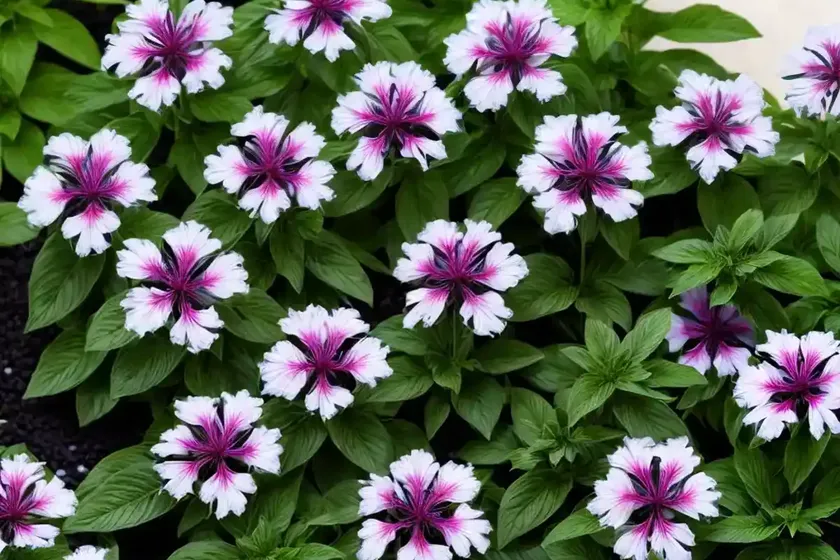
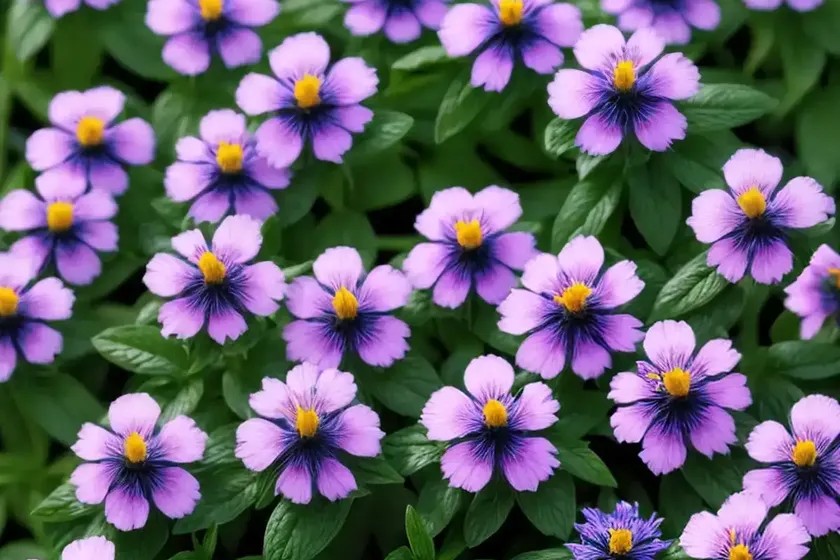
As a plant scientist, I am excited to introduce you to the vibrant and fascinating world of the Cassandra plant, also known as Crossandra. This tropical beauty has captured the hearts of plant enthusiasts with its stunning blooms and easy-care nature. In this comprehensive guide, we will delve into the various aspects of Cassandra plant care, its cultural significance, uses, and much more. Whether you are a seasoned gardener or a novice plant parent, this article will equip you with the knowledge to nurture and appreciate the splendor of the Cassandra plant.
What is the Cassandra Plant?
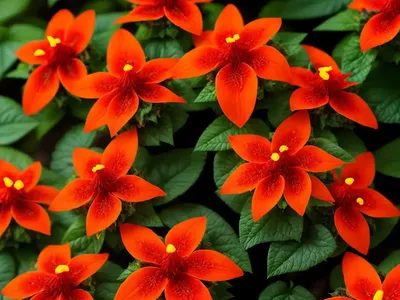
The Cassandra plant, scientifically known as Crossandra infundibuliformis, is a species of flowering plant in the family Acanthaceae. Native to India and Sri Lanka, the Cassandra plant is cherished for its colorful and tubular flowers that bloom in shades of orange, red, and yellow. It is a perennial shrub that thrives in warm and humid climates, making it a popular choice for gardens, landscapes, and indoor spaces.
Key Takeaways – Cassandra (Crossandra)
Before we delve into the specifics of Cassandra plant care, let’s explore the key takeaways that will guide us through this comprehensive guide.
- Cassandra Plant Care: Understanding the essential care requirements for healthy and vibrant Cassandra plants.
- Cultural Significance: Unraveling the cultural and symbolic importance of the Cassandra plant.
- Uses and Benefits: Exploring the versatile uses of Cassandra plants in landscaping, traditional medicine, and more.
- Common Diseases and Pests: Identifying potential health issues and pest problems that may affect Cassandra plants.
- Botanist’s Tips: Expert insights and recommendations for nurturing Cassandra plants to their full potential.
Now that we have outlined our roadmap, let’s embark on an insightful journey into the world of Cassandra plants.
Cassandra Plant Care
To cultivate thriving Cassandra plants, it is crucial to understand their specific care requirements encompassing water, sunlight, fertilizer, soil, pruning, propagation, and more. Let’s dive into each of these aspects in detail.
Water
Watering Frequency: Cassandra plants thrive in consistently moist but well-draining soil. During the growing season, water the plants regularly, ensuring that the soil does not dry out completely between waterings. In the winter months, reduce the frequency of watering to prevent waterlogged conditions.
Watering Method: Apply water at the base of the plant, directing it towards the root zone. Avoid overhead watering, especially in humid climates, to minimize the risk of fungal diseases.
Sunlight
Sunlight Requirements: Cassandra plants exhibit a preference for bright, indirect sunlight. Position them in areas that receive partial shade, especially during the intense midday sun. In indoor settings, place Cassandra plants near east or west-facing windows to provide adequate light.
Outdoor Care: If cultivating Cassandra plants in outdoor gardens, consider providing some protection from the scorching afternoon sun. Partial shade or dappled sunlight can create an ideal growing environment for these tropical beauties.
Fertilizer
Fertilization Schedule: Feed Cassandra plants with a balanced, water-soluble fertilizer every 4-6 weeks during the growing season. Opt for a fertilizer with a higher phosphorus content to promote prolific flowering and overall plant health.
Application Method: Dilute the fertilizer according to the manufacturer’s instructions and apply it to the soil around the base of the plant. Avoid direct contact with the leaves to prevent potential leaf burn.
Soil
Soil Type: Provide Cassandra plants with well-draining, loamy soil that retains moisture without becoming waterlogged. A blend of peat moss, perlite, and organic compost can create an optimal growing medium for these plants.
Acidic Soil Preference: Cassandra plants thrive in slightly acidic soil with a pH range of 5.5 to 6.5. Regularly test the soil pH and make amendments as necessary to maintain the ideal growing conditions.
Pruning
Pruning Frequency: Regular pruning promotes bushier growth and encourages continuous blooming in Cassandra plants. Trim back leggy or spent growth to maintain a compact and tidy appearance.
Deadheading Flowers: Remove faded flowers to stimulate the production of new blooms. Snip the flower stems just above a healthy set of leaves to encourage branching and new growth.
Propagation
Propagation Methods: Cassandra plants can be propagated through stem cuttings or division. For stem cuttings, select healthy non-flowering stems and place them in a well-draining rooting medium. Division can be carried out during repotting, separating the plant into smaller sections with roots attached.
Rooting Hormone: When propagating through cuttings, consider using a rooting hormone to expedite the development of roots and enhance the success rate of propagation.
Container Popularity
Cassandra plants have gained popularity as container plants, adding a vibrant and tropical touch to indoor and outdoor spaces. Their compact size, lush foliage, and prolific blooms make them well-suited for container gardening. Whether adorning a sunny balcony or gracing a bright corner indoors, Cassandra plants bring a splash of color and elegance to any setting.
Common Diseases
Disease Susceptibility: Cassandra plants are relatively resistant to diseases, particularly when provided with adequate growing conditions. However, they may be susceptible to fungal infections such as powdery mildew and leaf spot in conditions of high humidity and poor air circulation.
Preventive Measures: To prevent fungal diseases, ensure proper spacing between plants to promote air circulation. Avoid overhead watering and promptly remove any diseased or yellowing foliage to prevent the spread of infections.
Disease Diagnosis
Symptoms of Common Diseases
- Powdery Mildew: White, powdery spots on leaves and stems, often accompanied by leaf distortion and stunted growth.
- Leaf Spot: Dark-colored lesions on the leaves, which may appear water-soaked or surrounded by yellow halos.
Treatment Options: In the event of disease outbreaks, consider applying an appropriate fungicidal spray as per the manufacturer’s instructions. Prune affected plant parts and ensure optimal growing conditions to support recovery.
Common Pests
Pest Infestations: Cassandra plants may encounter pest problems such as aphids, spider mites, and whiteflies. These pests can sap the plant’s vitality and cause aesthetic damage if left unaddressed.
Natural Predators: Encourage the presence of natural predators such as ladybugs and lacewings to mitigate pest populations in the garden. Additionally, periodic rinsing of plant foliage can help deter pests like spider mites.
Botanist’s Tips
Incorporate the following expert tips to enhance the health and beauty of your Cassandra plants:
- Humidity Regulation: In indoor environments, use a humidifier or place the plant on a pebble tray filled with water to elevate humidity levels, mimicking its natural tropical habitat.
- Regular Inspection: Routinely inspect the undersides of leaves for signs of pest activity, allowing for early intervention to prevent widespread infestations.
- Balanced Nutrition: Maintain a balanced fertilization regimen to supply essential nutrients while avoiding excessive fertilization, which can lead to salt buildup in the soil.
Fun Facts
Let’s unravel some intriguing and delightful facts about Cassandra plants:
- The genus name Crossandra is derived from the Greek words krosso, meaning fringe, and andros, pertaining to stamens, alluding to the prominent fringed stamens in its flowers.
- Cassandra plants are treasured for their captivating blooms, which often attract butterflies and hummingbirds, adding an enchanting touch to the garden.
- In traditional Ayurvedic medicine, various parts of the Cassandra plant are utilized for their medicinal properties, offering remedies for ailments ranging from skin disorders to digestive issues.
Links to External Resources
To further enrich your knowledge and appreciation for Cassandra plants, explore the following external resources:
- The Plant List – Crossandra infundibuliformis
- Royal Horticultural Society – Crossandra plants
- University of Florida IFAS Extension – Crossandra Production Guide
Conclusion
In this comprehensive guide, we have delved into the captivating world of Cassandra (Crossandra) plants, unraveling their cultural significance, care requirements, uses, and more. Whether adorning tropical landscapes, indoor spaces, or container gardens, Cassandra plants exude an irresistible charm that captivates plant enthusiasts worldwide. By understanding and implementing the recommended care practices, you can foster healthy, flourishing Cassandra plants that grace your surroundings with their vibrant blooms and lush foliage. As we conclude our exploration, I encourage you to embrace the beauty and elegance of the Cassandra plant, incorporating it into your botanical repertoire and experiencing its myriad delights firsthand.