Carrion Flower (Amorphophallus Titanum)
Carrion Flower, scientifically known as Amorphophallus titanum, is a fascinating plant renowned for its immense size, remarkable bloom, and unique scent..
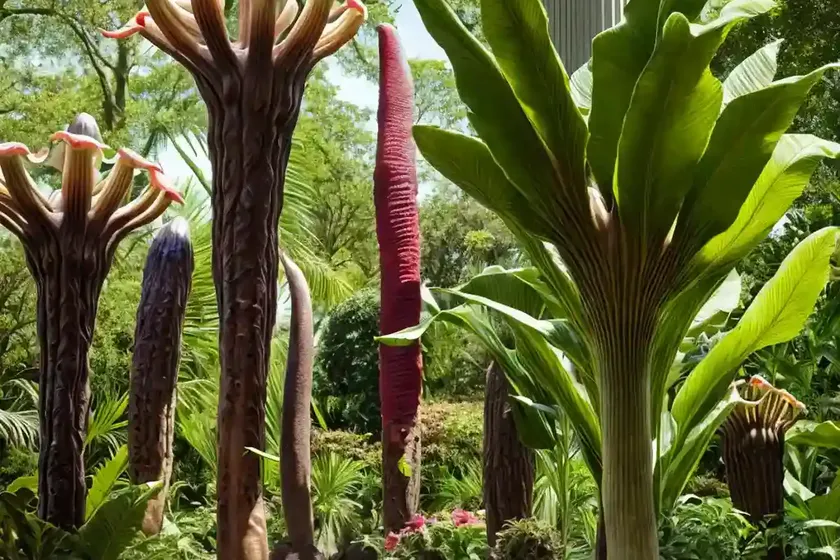
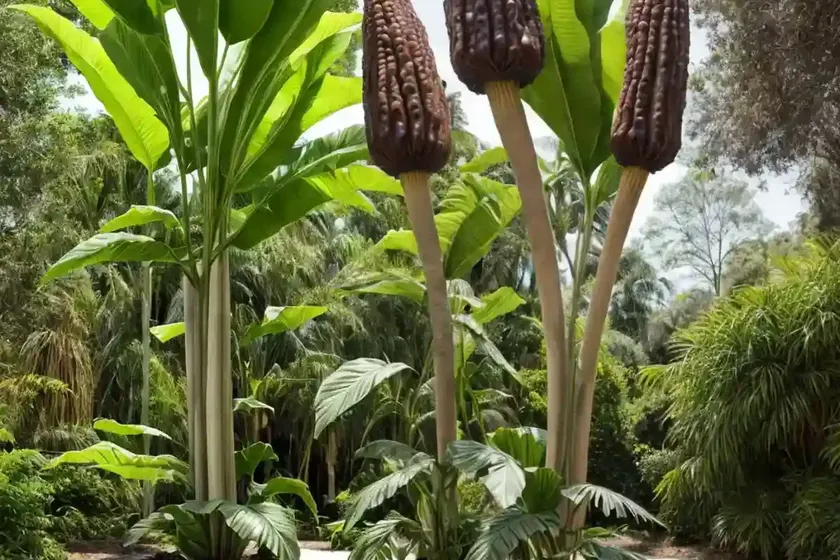
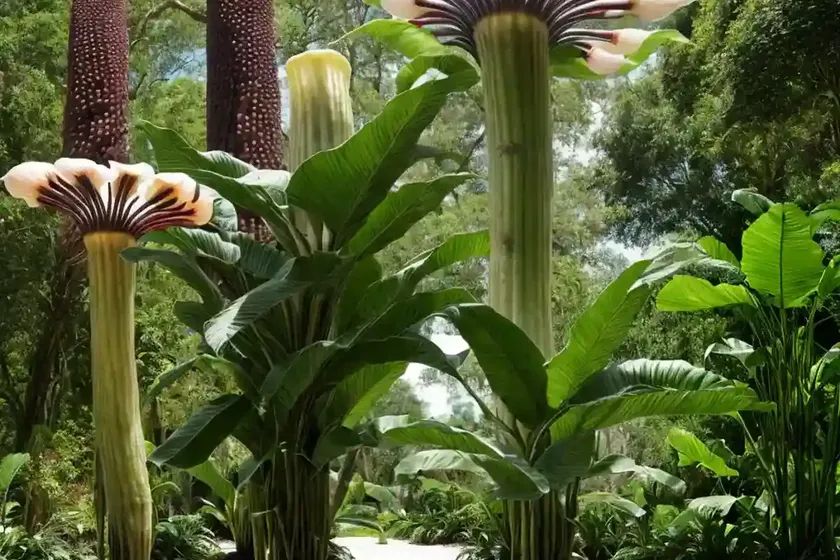
What is Carrion Flower (Amorphophallus titanum)?
Carrion Flower, scientifically known as Amorphophallus titanum, is a fascinating plant renowned for its immense size, remarkable bloom, and unique scent. It is commonly referred to as Titan arum or corpse flower due to its pungent odor, reminiscent of rotting flesh, that it emits during its blooming stage. This plant is native to the rainforests of Sumatra, Indonesia, and belongs to the Araceae family.
Key Takeaways
Amorphophallus titanum Facts
- Scientific name: Amorphophallus titanum
- Common names: Titan arum, corpse flower, carrion flower
- Family: Araceae
- Native region: Sumatra, Indonesia
Amorphophallus titanum Characteristics
- The plant is known for its colossal size, with the ability to reach heights of up to 10 feet or more.
- The inflorescence of the Carrion Flower is the largest unbranched flower cluster in the world.
- The plant’s distinctive scent is emitted during its bloom to attract pollinators, primarily carrion beetles and flies.
Titan Arum Bloom Cycle
- The blooming of the Titan arum is a rare and awe-inspiring event, occurring only once every few years.
- The bloom typically lasts for 24 to 48 hours, making it crucial for botanical gardens to alert and attract visitors during this short window.
Carrion Flower Cultivation
- Due to its unique characteristics, cultivating and caring for the Carrion Flower requires specific attention to its growth requirements, soil, water, and sunlight needs.
- The carrion flower is ideal for botanical gardens, specialized horticultural settings, and enthusiasts who can provide the necessary care.
Corpse Flower Scent
- The plant’s scent, reminiscent of rotting flesh, serves the purpose of attracting pollinators, which are mostly carrion beetles and flies.
- This unique adaptation plays an essential role in the plant’s reproductive cycle and ensures the pollination of the Titan arum.
Amorphophallus titanum Ecological Role
- In its natural habitat, the Carrion Flower plays a crucial role in the ecosystem by participating in pollination cycles and contributing to the genetic diversity of plant species in the rainforests of Sumatra.
Culture
Uses
The Amorphophallus titanum has gained significant attention and interest for various reasons:
- Botanical Gardens and Public Exhibits: The exceptional size and infrequent blooming make the Titan arum an attraction in botanical gardens, where it can draw large crowds eager to witness its unique spectacle.
- Education and Research: The plant serves as a subject of interest for researchers and educators, offering insights into pollination, plant adaptation, and horticultural practices.
Water
- The Carrion Flower requires well-draining soil to prevent waterlogging, particularly during its dormant period.
- It is crucial to maintain consistent soil moisture during the growing season, ensuring that the plant receives adequate water without allowing the roots to sit in standing water.
Sunlight
- While the Titan arum prefers bright, indirect light, it is essential to shield it from intense, direct sunlight, which can lead to leaf burn and dehydration.
- Providing filtered sunlight or placing the plant in a shaded area is crucial for its healthy growth.
Fertilizer
- During the active growing season, the Carrion Flower benefits from regular applications of diluted, balanced fertilizer to support its growth.
- It is important to avoid over-fertilization, as excessive nutrients can lead to the production of more foliage at the expense of the plant’s energy reserves.
Soil
- A well-draining and rich organic soil mix is essential for the Carrion Flower’s successful cultivation.
- A blend of peat, perlite, and organic compost provides the necessary structure and nutrients for the plant’s health.
Pruning
- Pruning is generally not required for the Titan arum, as it follows a natural growth and dormancy cycle.
- However, removing dead or decaying foliage can prevent the transfer of diseases and maintain the plant’s aesthetics.
Propagation
- Propagation of the Carrion Flower is primarily achieved through seeds.
- The process requires careful attention to the seed’s viability, as well as specific propagation conditions to encourage germination and subsequent growth.
Container Popularity
- While the Carrion Flower is popular in botanical gardens and specialized horticultural settings, it is less commonly grown as a potted plant due to its unique requirements and size.
- Enthusiasts with ample space and dedication may undertake the challenge of cultivating the Titan arum in a container.
Container Common Diseases
Disease Diagnosis
- The Carrion Flower is susceptible to fungal diseases, particularly during periods of excessive moisture or inadequate ventilation.
- Signs of disease include wilting, yellowing, or spots on the foliage, as well as a decline in overall plant vigor.
Common Pests
- The Titan arum is relatively resistant to pest infestations due to its unique scent and size, which deters many common garden pests.
Botanist’s Tips
- Attention to Growing Conditions: Understanding and meeting the specific requirements of the Carrion Flower, including soil, water, and light, is crucial for its successful cultivation.
- Preparation for Bloom: Organizations and growers should be prepared to harness the spectacle of the Titan arum’s bloom to maximize educational and public engagement opportunities.
- Disease Prevention: Proper ventilation and moisture control are critical in preventing fungal diseases that can affect the plant’s health.
Fun Facts
- The Carrion Flower’s bloom is a notable botanical event, drawing significant public interest due to its infrequency and impressive size.
- The plant’s unique scent has led to its association with the natural cycle of life and death, adding to its intrigue and cultural significance.
Links to External Resources
- Royal Botanic Gardens, Kew – Titan arum
- Missouri Botanical Garden – Amorphophallus titanum
- Smithsonian Magazine – Titan Arum
In summary, the Carrion Flower (Amorphophallus titanum) represents a remarkable botanical wonder, captivating enthusiasts, researchers, and the public with its extraordinary characteristics and infrequent bloom. From its unique scent and colossal size to its ecological role in its native habitat, the Titan arum continues to astound and inspire, making it an emblem of natural wonder and biological diversity.