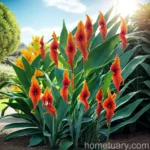
Plant Name: Canna ‘Ambassadour’ (Canna Lily)
Canna ‘Ambassadour’, commonly known as Canna Lily, is a stunning flowering plant that belongs to the family Cannaceae. It is renowned for its vibrant and showy blooms, making it a popular choice for gardens, landscapes, and containers. In this comprehensive guide, we will delve into the various aspects of caring for and cultivating Canna ‘Ambassadour’, including its cultural requirements, uses, propagation methods, common pests and diseases, and much more.
What is Canna ‘Ambassadour’ (Canna Lily)?
Canna ‘Ambassadour’ is a cultivar of the Canna Lily, characterized by its large, colorful flowers and bold foliage. This perennial plant is native to tropical and subtropical regions, where it thrives in warm and humid environments. It is prized for its ornamental value and can be grown both in the ground and in containers, adding a touch of tropical allure to gardens and outdoor spaces.
Key Takeaways – Canna ‘Ambassadour’ (Canna Lily)
Before diving into the specifics of caring for Canna ‘Ambassadour’, let’s overview some key takeaways about this striking plant. From its cultural requirements to its landscaping potential, here are the essential points to remember:
- Cultural Requirements:
- Adequate water, sunlight, and well-drained soil are crucial for optimal growth.
- Regular fertilization is necessary to promote vigorous flowering and foliage.
-
Pruning and dividing can help maintain the plant’s health and vigor.
-
Uses:
- Canna ‘Ambassadour’ is commonly used in landscaping, container gardening, and water gardening.
-
Its vibrant blooms and attractive foliage make it a popular choice for garden focal points and seasonal displays.
-
Propagation:
-
Propagation can be achieved through rhizome division and seeds.
-
Common Diseases and Pests:
- Canna ‘Ambassadour’ is susceptible to certain diseases and pests, with proper prevention and control measures essential.
Now, let’s delve into each of these aspects in detail to gain a comprehensive understanding of Canna ‘Ambassadour’ and how to cultivate it successfully.
Culture
Water
Water is a crucial element in the cultivation of Canna ‘Ambassadour’. As a plant native to tropical and subtropical regions, it thrives in moist soil and requires regular watering, particularly during the growing season. However, it’s important to ensure that the soil has good drainage to prevent waterlogging, which can lead to root rot and other detrimental conditions.
Sunlight
Canna ‘Ambassadour’ flourishes in full sunlight, making it an ideal choice for sunny garden beds or outdoor spaces. It thrives in warm and sunny conditions and is known to produce more blooms when exposed to ample sunlight. Therefore, when selecting a planting location for Canna ‘Ambassadour’, prioritize areas with direct sunlight exposure for the majority of the day.
Fertilizer
Fertilization is essential for promoting the lush growth and abundant flowering of Canna ‘Ambassadour’. A balanced, all-purpose fertilizer can be applied to the soil during the growing season to provide the necessary nutrients for the plant’s development. Slow-release fertilizers or liquid fertilizers can be used, following the manufacturer’s recommendations for application rates and frequency.
Soil
Canna ‘Ambassadour’ thrives in well-drained, fertile soil. It is essential to ensure that the soil is loose and rich in organic matter to support the plant’s growth. Additionally, slightly acidic to neutral soil pH levels are preferred for optimal growth. Amending the soil with organic compost or aged manure can help create the ideal growing medium for Canna ‘Ambassadour’.
Pruning
Pruning plays a part in maintaining the health and appearance of Canna ‘Ambassadour’. Regular deadheading of spent flowers can encourage continuous blooming and prevent the formation of seeds, redirecting the plant’s energy into new growth. Additionally, removing yellowing or damaged foliage can help improve the plant’s overall appearance and vitality.
Propagation
Propagation of Canna ‘Ambassadour’ can be achieved through rhizome division or seeds. Rhizome division, typically carried out in spring, involves separating healthy rhizomes with viable buds and replanting them in new locations. Alternatively, viable seeds can be collected and sown in suitable growing conditions to propagate new plants.
Container Popularity
Canna ‘Ambassadour’ is well-suited for container gardening, offering an opportunity to showcase its vibrant blooms and lush foliage in a confined space. When grown in containers, this perennial plant can be utilized to add a tropical flair to patios, decks, and outdoor entertaining areas. Its adaptability to container growth makes it a favorite among gardeners with limited garden space or those seeking to create stunning focal points in their outdoor settings.
Container Gardening Tips for Canna ‘Ambassadour’
When growing Canna ‘Ambassadour’ in containers, several key considerations can help ensure its success and visual impact:
- Container Size: Select a sufficiently large container to accommodate the plant’s root system and provide ample space for growth.
- Drainage: Ensure that the container has adequate drainage holes to prevent waterlogging, which can lead to root rot.
- Potting Mix: Use a well-draining, high-quality potting mix that provides adequate aeration and moisture retention for the plant.
- Sunlight: Position the container in a location with full sunlight to support the plant’s growth and flowering.
- Watering: Monitor the soil moisture regularly and water the plant when the top inch of the soil feels dry to the touch.
- Fertilization: Apply a balanced, slow-release fertilizer to the container soil during the growing season to provide necessary nutrients.
By following these container gardening tips, enthusiasts can successfully cultivate Canna ‘Ambassadour’ in containers and appreciate its stunning display of color and foliage in various outdoor settings.
Common Diseases
Just like any other plant, Canna ‘Ambassadour’ is susceptible to certain diseases that can impact its growth and vitality. Among the common diseases affecting Canna ‘Ambassadour’, fungal infections such as rust and leaf spot can pose significant challenges. Prevention, early detection, and appropriate management practices are essential for maintaining the plant’s health and minimizing the impact of these diseases.
Disease Prevention and Management
To prevent and manage common diseases in Canna ‘Ambassadour’, several practices can be implemented:
- Cultural Practices: Ensure proper spacing between plants to promote air circulation and reduce humidity, creating an environment less conducive to fungal growth.
- Sanitation: Remove and dispose of any affected or diseased plant parts to prevent the spread of pathogens within the garden.
- Fungicides: In cases where diseases become unmanageable through cultural practices, the use of fungicidal treatments may be considered. Select appropriate fungicides and apply them according to the recommended guidelines.
By integrating these disease prevention and management practices, gardeners can help safeguard their Canna ‘Ambassadour’ plants from common diseases and maintain their visual appeal and vigor.
Common Pests
In addition to diseases, Canna ‘Ambassadour’ may also encounter pest pressures that can affect its growth and overall health. Pests such as aphids, caterpillars, and spider mites can infest the plant, causing damage to the foliage and affecting its flowering capabilities. Recognizing the signs of pest infestations and implementing control measures can help mitigate the impact of these pests on the plant.
Pest Control Measures
Several pest control measures can be employed to address common pest issues in Canna ‘Ambassadour’:
- Biological Control: Introduce natural predators of common pests, such as ladybugs or lacewings, to the garden to help manage pest populations.
- Horticultural Oils: Use horticultural oils to suffocate and control soft-bodied pests like aphids and mites, effectively reducing their numbers.
- Insecticidal Sprays: In cases of severe infestations, targeted insecticidal sprays can be utilized to address pest pressures. Select appropriate products and apply them in accordance with the specified instructions.
By implementing these pest control measures, gardeners can protect their Canna ‘Ambassadour’ plants from detrimental pest damage and maintain their ornamental value and vitality.
Botanist’s Tips
Best Practices for Growing Canna ‘Ambassadour’
To ensure the successful cultivation of Canna ‘Ambassadour’, consider the following botanist’s tips:
- Regular Maintenance: Engage in regular maintenance practices, including watering, fertilizing, and pruning, to support the plant’s growth and flowering.
- Monitor Soil Moisture: Keep a close eye on soil moisture levels, ensuring that the plant receives adequate water without becoming waterlogged.
- Sunlight Exposure: Position the plant in an area with full sunlight to encourage robust growth and prolific flowering.
- Disease and Pest Vigilance: Maintain vigilance against common diseases and pests, promptly addressing any issues that may arise to prevent their escalation.
By incorporating these best practices into the care and cultivation of Canna ‘Ambassadour’, gardeners can optimize the plant’s performance and enjoy its captivating display throughout the growing season.
Fun Facts
Here are some interesting and lesser-known facts about Canna ‘Ambassadour’ (Canna Lily) to intrigue and inspire enthusiasts:
- The Canna Lily is not a true lily but is rather named for its lily-like appearance.
- The plant’s vibrant flowers come in a range of colors, including shades of red, orange, yellow, and pink, adding a dynamic burst of color to outdoor spaces.
- Canna ‘Ambassadour’ is often featured in tropical-themed gardens and landscapes, contributing to an exotic and lush ambiance.
These fun facts provide a glimpse into the captivating nature of Canna ‘Ambassadour’ and its appeal in diverse garden settings.
Links to External Resources
For further information and resources on Canna ‘Ambassadour’ and its cultivation, the following external links can serve as valuable references:
- Canna ‘Ambassadour’ Plant Profile and Care Guide
- Growing Canna ‘Ambassadour’ – Tips and Techniques
- Canna ‘Ambassadour’ Varieties and Characteristics
- Canna ‘Ambassadour’ Container Gardening Ideas
- Canna ‘Ambassadour’ Pest and Disease Management
These resources offer comprehensive insights and guidance on various aspects of Canna ‘Ambassadour’ cultivation, from planting and maintenance to pest and disease management.
In conclusion, Canna ‘Ambassadour’ (Canna Lily) presents an enchanting and vibrant addition to gardens, landscapes, and container displays. With its striking blooms, lush foliage, and adaptability to various growing conditions, it continues to captivate plant enthusiasts and gardeners alike. By understanding its cultural requirements, propagation methods, and pest and disease management strategies, enthusiasts can cultivate and enjoy the resplendent beauty of Canna ‘Ambassadour’ throughout the growing season.
Note: This blog post serves as a comprehensive guide for planting and caring for Canna ‘Ambassadour’ (Canna Lily), encompassing its cultural requirements, propagation methods, common pests and diseases, and external resources for further information and guidance. All information provided is intended for educational and informational purposes only. Individual plant care practices may vary based on specific environmental conditions and regional considerations. Gardeners and enthusiasts are encouraged to seek localized advice and recommendations for the successful cultivation of Canna ‘Ambassadour’ in their respective areas.