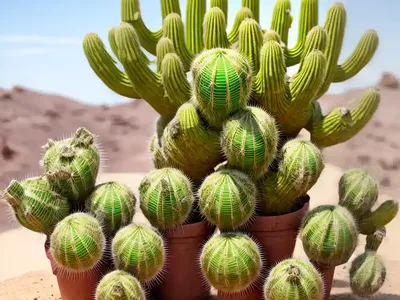
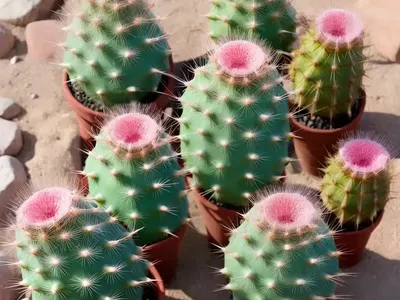
Cane Cholla (Cylindropuntia Imbricata)
Plants are remarkable organisms that play a crucial role in sustaining life on Earth. They come in a myriad of shapes, sizes, and forms, each with its own.
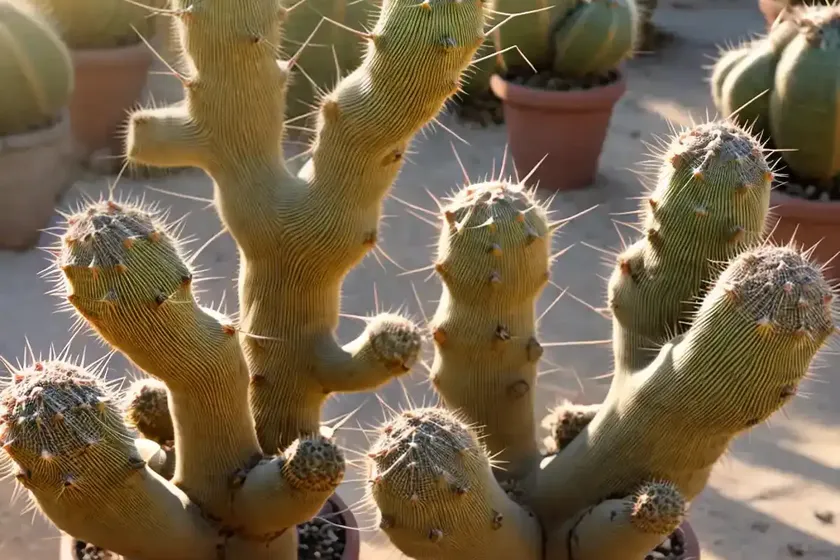
Plants are remarkable organisms that play a crucial role in sustaining life on Earth. They come in a myriad of shapes, sizes, and forms, each with its own set of characteristics and requirements. In this blog post, we will delve into the world of the Cane Cholla (Cylindropuntia Imbricata), exploring its features, cultivation, uses, and much more.
What is Cane Cholla (Cylindropuntia Imbricata)?
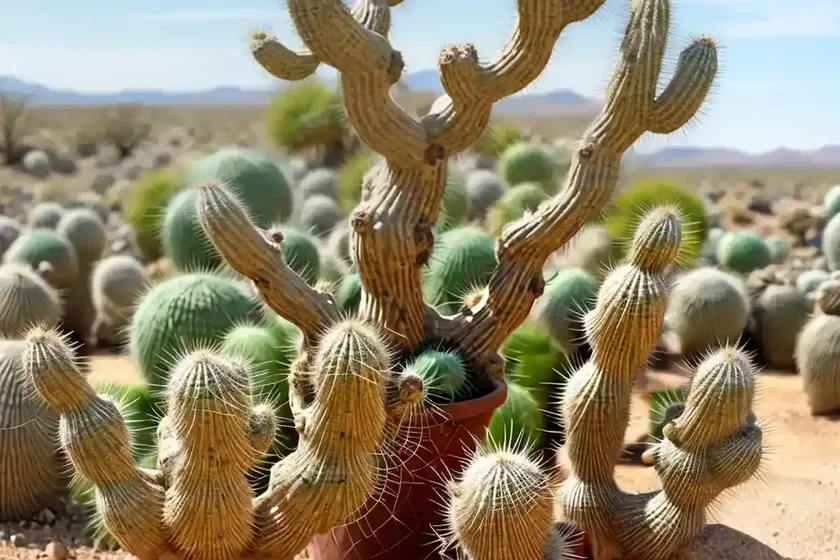
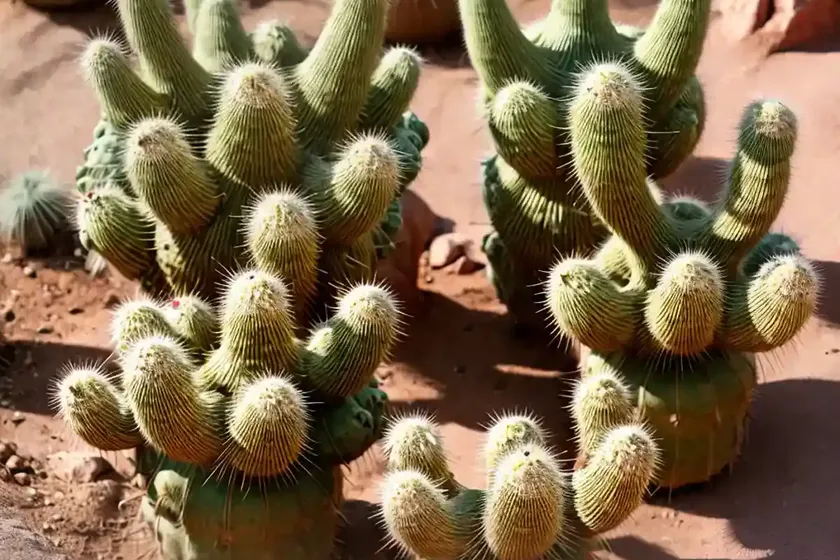
Cane Cholla, scientifically known as Cylindropuntia Imbricata, is a species of cactus native to the southwestern United States and northern Mexico. It belongs to the Cactaceae family and is characterized by its cylindrical, segmented stems and formidable spines. This plant is well-adapted to arid and semi-arid regions, thriving in environments with minimal water availability and intense sunlight.
Key Takeaways – Cane Cholla (Cylindropuntia Imbricata)
Before delving into the specifics of cultivating and caring for Cane Cholla, let’s outline some key takeaways about this unique plant:
- Plant Name: Cane Cholla (Cylindropuntia Imbricata)
- Common Names: Walkingstick Cactus, Chain-Link Cactus
- Family: Cactaceae
- Habitat: Arid and semi-arid regions of the southwestern United States and northern Mexico
- Characteristics: Cylindrical, segmented stems with dense spines
- Uses: Landscaping, wildlife habitat, cultural significance
Now that we have the basics covered, let’s explore the various aspects of Cane Cholla, from its cultural significance to its maintenance requirements.
Culture
Understanding the cultural significance of the Cane Cholla plant provides insights into its historical and modern-day applications. In many Native American societies, the Cane Cholla holds symbolic and practical value. It has been used for traditional crafting, particularly in the construction of items such as baskets and fences. Additionally, the plant is revered for its resilience and ability to thrive in challenging environments, symbolizing endurance and adaptability.
Uses
The versatility of Cane Cholla extends to its uses in landscaping and wildlife conservation. As a drought-tolerant and visually striking plant, it is often employed in xeriscaping, a form of landscaping that utilizes low-water plants to create environmentally sustainable outdoor spaces. Furthermore, Cane Cholla provides valuable habitat and forage for wildlife, contributing to the biodiversity of arid ecosystems.
Water
Cane Cholla is highly adapted to arid conditions and, as such, has low water requirements. When cultivating this plant, it is important to mimic its native environment by providing well-draining soil and sparingly watering it. Overwatering can lead to root rot and other complications, so it is essential to adhere to a conservative watering regimen.
Sunlight
Unsurprisingly, given its natural habitat, Cane Cholla thrives in full sunlight. When selecting a location for planting, ensure that it receives ample direct sunlight throughout the day. Insufficient sunlight may result in stunted growth and decreased resilience in the plant.
Fertilizer
In its native environment, Cane Cholla obtains the necessary nutrients from the surrounding soil without the need for supplemental fertilizer. When cultivated in a different setting, it is important to resist the temptation to over-fertilize the plant. Excessive fertilization can disrupt the plant’s natural balance and may lead to adverse effects on its growth and development.
Soil
The soil preferences of Cane Cholla align with its natural habitat, emphasizing the importance of well-draining, sandy or gravelly soils. These soil types mimic the native conditions of the plant, facilitating optimal root development and overall health. Additionally, the neutral to slightly acidic pH range of 6.0-7.5 is best suited for Cane Cholla cultivation.
Pruning
Due to its distinctive appearance and growth habit, Cane Cholla may require occasional pruning to control its size and shape. When undertaking pruning activities, it is crucial to use protective gear, such as thick gloves and long sleeves, to avoid injury from the plant’s sharp spines. Pruning activities can help maintain the plant’s aesthetic appeal and prevent overcrowding in a garden or landscape setting.
Propagation
Propagation of Cane Cholla can be achieved through various methods, including seed propagation and stem cuttings. Seeds should be sown in well-draining soil and kept moderately moist until germination occurs. Stem cuttings, on the other hand, can be taken from mature plants and allowed to callus before being planted in a suitable growing medium. Both methods have their specific requirements and can be rewarding for those seeking to expand their Cane Cholla population.
Container Popularity
In recent years, the popularity of growing Cane Cholla in containers has increased, driven by a growing interest in water-wise gardening and sustainable landscaping practices. The unique form and hardiness of the plant make it an intriguing addition to container gardens and xeriscape designs. When cultivating Cane Cholla in containers, it is imperative to select appropriate pots with adequate drainage and use well-draining cactus mix to ensure optimal growth.
Common Diseases
While Cane Cholla is generally resilient to many pests and diseases due to its natural adaptations, it is not immune to certain potential issues. Overwatering and poorly draining soil can lead to root rot, a common problem in cactus plants. Additionally, excessive moisture can create conditions suitable for fungal infections. Maintaining appropriate watering and soil conditions is key to preventing these issues.
Disease Diagnosis
Diagnosing diseases in Cane Cholla involves careful observation of the plant’s overall health and appearance. Symptoms of root rot, such as wilting and discolored stems, may indicate overwatering. Fungal infections may manifest as discolored spots or lesions on the stems. If such issues are suspected, prompt corrective actions, such as adjusting watering practices and improving soil drainage, should be taken to mitigate further damage to the plant.
Common Pests
Cane Cholla is relatively resistant to many common pests due to its formidable spines and waxy coating. However, certain opportunistic pests, such as scale insects and mealybugs, may occasionally infest the plant. Regular inspection of the plant for any signs of pest activity, such as visible insects or honeydew residue, will aid in early detection and targeted intervention if necessary.
Botanist’s Tips
Plant enthusiasts and botanists may find the following tips beneficial when cultivating and caring for Cane Cholla:
- Emulate Natural Habitat: Strive to replicate the plant’s natural habitat by utilizing well-draining soil, minimal water, and abundant sunlight.
- Protective Gear: Exercise caution and use suitable protective gear when handling and pruning Cane Cholla to avoid injury from its spines.
- Observation: Regularly monitor the plant for signs of stress, disease, or pest activity, and take prompt action to address any issues that arise.
Fun Facts
Discovering intriguing and lesser-known facts about Cane Cholla can further enhance one’s appreciation for this remarkable plant:
- The spines of Cane Cholla not only act as a defense mechanism but also aid in temperature regulation by reflecting sunlight and reducing water loss through transpiration.
- The segmented stems of Cane Cholla are instrumental in minimizing water loss and maximizing the plant’s ability to thrive in arid environments.
- The fruit of Cane Cholla, known as tunas, serves as a food source for various wildlife species, including birds and mammals, contributing to the plant’s ecological significance.
Links to External Resources
For further information on Cane Cholla (Cylindropuntia Imbricata), refer to the following external resources:
- Cane Cholla Plant Profile – Desert Botanical Garden
- Growing Cane Cholla in the Arid Landscape – University of Arizona Cooperative Extension
- Cultivation Guidelines for Cane Cholla – Cactus and Succulent Society of America
- Wildlife Interactions with Cane Cholla – National Park Service
This comprehensive guide aimed to provide an in-depth understanding of the Cane Cholla plant, covering its characteristics, cultivation requirements, uses, and ecological significance. By incorporating the provided insights into the care and maintenance of Cane Cholla, one can contribute to the preservation and appreciation of this unique species within their landscape or garden. Whether as a resilient landscaping element or a symbol of endurance, Cane Cholla stands as a testament to the extraordinary adaptability and significance of plant life in even the most challenging environments.
In this article, we covered the various aspects of Cane Cholla (Cylindropuntia Imbricata), including its cultural significance, cultivation requirements, and ecological importance. If you have any further questions or need additional details, feel free to reach out.