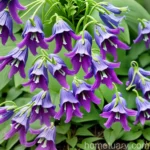
Campanula ‘Samantha’ (Bellflower): A Comprehensive Guide
Plants have always held a special place in the hearts of humans. Whether it’s their ornamental attributes, medicinal properties, or ecological significance, plants never fail to capture our attention. Among the plethora of plant varieties, the Campanula ‘Samantha’, commonly known as the Bellflower, stands out as a popular choice for both amateur and experienced gardeners.
In this comprehensive guide, we will delve into the world of Campanula ‘Samantha’, understanding its cultivation, care requirements, uses, and much more. From basic maintenance tips to advanced propagation techniques, this guide aims to equip you with everything you need to know about this charming plant.
So, let’s embark on this journey and explore the enchanting realm of Campanula ‘Samantha’ together.
What is Campanula ‘Samantha’ (Bellflower)?
Campanula ‘Samantha’, a cultivar of the Campanula species, is a stunning perennial plant renowned for its bell-shaped flowers and lush foliage. Belonging to the Campanulaceae family, this plant is native to regions across Europe and Asia, where it graces gardens with its elegant presence.
With its attractive display of flowers and easy-to-maintain nature, Campanula ‘Samantha’ has become a coveted addition to gardens, landscapes, and even indoor spaces. Its versatility and aesthetic appeal make it an ideal choice for various garden designs, from formal to cottage-style settings.
Now, let’s uncover the key takeaways and essential information you need to know about Campanula ‘Samantha’ to ensure its thriving growth and flourishing beauty in your garden.
Key Takeaways – Campanula ‘Samantha’ (Bellflower)
Culture
The culture of Campanula ‘Samantha’ encompasses its favored growing conditions, preferred settings, and overall care requirements to foster its health and vitality.
Plant Name: Campanula ‘Samantha’ (Bellflower)
Botanical Name: Campanula Sp. ‘Samantha’
Common Name: Bellflower
Plant Type: Perennial
Mature Size: 6-12 inches tall and wide
Sunlight: Full sun to partial shade
Water: Moderate
Soil: Well-draining, fertile soil
Hardiness Zone: 3-8
Bloom Time: Late spring to midsummer
Flower Color: Lavender-blue
Uses
Campanula ‘Samantha’ offers a range of uses, from showcasing its charming blooms in floral arrangements to serving as an attractive ground cover in garden landscapes.
Garden Uses:
- Borders and Edges
- Rock Gardens
- Container Planting
- Ground Cover
- Cottage Gardens
Floral Uses:
- Cut Flowers
- Floral Arrangements
Water
Understanding the watering needs of Campanula ‘Samantha’ is crucial for maintaining its well-being and promoting robust growth.
Watering Needs:
- Regular, moderate watering
- Avoid overwatering to prevent root rot
- Adjust watering frequency based on environmental conditions
Sunlight
The sunlight requirements of Campanula ‘Samantha’ play a pivotal role in its overall growth and bloom production.
Sunlight Requirements:
- Full sun to partial shade
- Thrives in locations with morning sun and afternoon shade
- Adequate sunlight essential for flowering
Fertilizer
Proper fertilization enhances the vigor and blooming capacity of Campanula ‘Samantha’, contributing to its overall health and vitality.
Fertilizer Application:
- Balanced, slow-release fertilizer in spring
- Avoid excess nitrogen to prevent lush foliage with reduced flowering
- Cease fertilization in late summer to prevent late-season growth
Soil
The soil preferences of Campanula ‘Samantha’ significantly impact its ability to establish strong roots and thrive in its environment.
Soil Preferences:
- Well-draining, fertile soil
- Organically rich soil with good moisture retention
- Amended with organic matter for improved fertility
Pruning
Pruning plays a crucial role in maintaining the shape, health, and vigor of Campanula ‘Samantha’ while promoting abundant flowering.
Pruning Techniques:
- Deadheading spent flowers to encourage continuous blooming
- Light trimming after flowering to maintain tidy appearance
- Cut back any leggy or overcrowded growth to rejuvenate the plant
Propagation
Understanding the propagation methods of Campanula ‘Samantha’ enables gardeners to expand their plant collection and share the beauty of this cultivar.
Propagation Techniques:
- Division of clumps in early spring
- Root division
- Seed propagation
Container Popularity
The compact nature and ornamental features make Campanula ‘Samantha’ a popular choice for container gardening, accentuating patios, balconies, and other outdoor spaces.
Container Uses:
- Patio Containers
- Window Boxes
- Hanging Baskets
Common Diseases
Awareness of common diseases affecting Campanula ‘Samantha’ allows for prompt identification and effective management to preserve its health.
Common Diseases:
- Powdery Mildew
- Leaf Spot Diseases
- Crown Rot
Disease Diagnosis
Early diagnosis of diseases is essential for implementing appropriate measures to prevent the spread and impact of pathogens on Campanula ‘Samantha’.
Symptoms:
- White powdery patches on leaves (Powdery Mildew)
- Dark spots with yellow halos on leaves (Leaf Spot Diseases)
- Soft, discolored areas at the base of the plant (Crown Rot)
Common Pests
Recognizing and tackling common pests safeguard the foliage and blooms of Campanula ‘Samantha’ from detrimental infestations.
Common Pests:
- Aphids
- Slugs and Snails
- Spider Mites
Botanist’s Tips
Insights and tips from botanists and horticulturists provide valuable guidance on nurturing Campanula ‘Samantha’ for optimal growth and visual appeal.
Expert Recommendations:
- Provide adequate air circulation to prevent fungal diseases
- Monitor moisture levels to prevent water-related issues
- Space plants appropriately to avoid overcrowding and disease susceptibility
Fun Facts
Uncovering the intriguing facets and lesser-known facts about Campanula ‘Samantha’ adds a delightful touch to the overall gardening experience.
Intriguing Tidbits:
- The genus name “Campanula” is derived from the Latin word for “little bell,” alluding to the flower shape
- Campanula ‘Samantha’ belongs to a diverse genus with over 300 species, featuring a wide range of growth habits and flower colors
- In folklore, Campanula flowers symbolize gratitude and faithfulness, making them a popular choice for gifts and bouquets
Links to External Resources
For further exploration and in-depth information about Campanula ‘Samantha’, the following resources provide valuable insights and practical advice:
- Royal Horticultural Society – Campanula care: https://www.rhs.org.uk/plants/52551/i-campanula-i-samantha/details
- University of Wisconsin-Madison Extension – Bellflower: https://hort.extension.wisc.edu/articles/bellflower-campanula-spread-out-and-take-off-in-early-summer/
- Missouri Botanical Garden – Campanula ‘Samantha’: http://www.missouribotanicalgarden.org/PlantFinder/PlantFinderDetails.aspx?taxonid=263823&isprofile=0&cv=0
- The Spruce – Bellflowers for your garden: https://www.thespruce.com/campanula-bellflower-1315751
With these key takeaways, we have laid the foundation for a comprehensive understanding of Campanula ‘Samantha’ and its various aspects. Now, let’s delve deeper into each of these elements to uncover the intricacies of caring for and appreciating this captivating plant.
Cultivation and Care
Growing Conditions
Creating an environment that mimics the natural habitat of Campanula ‘Samantha’ is crucial for its sustained health and prolific blooming. Understanding the ideal growing conditions enables gardeners to provide the necessary care for this stunning bellflower.
Soil Preferences
The Campanula ‘Samantha’ thrives in well-draining, fertile soil that offers a suitable balance of moisture retention and aeration. A loamy soil enriched with organic matter facilitates robust root development and overall plant vigor.
Sunlight Requirements
Proper exposure to sunlight directly influences the growth, flowering, and overall vitality of Campanula ‘Samantha’. Providing the right balance of sunlight ensures optimal performance of this charming plant.
- Full Sun: Campanula ‘Samantha’ flourishes in full sun conditions, especially in cooler climates. Placing it in a location with 6-8 hours of direct sunlight promotes abundant flowering and compact growth.
- Partial Shade: In regions with intense heat or prolonged sunlight, providing partial shade during the hottest part of the day protects the plant from potential sun damage and excessive moisture loss.
Watering Needs
Maintaining adequate moisture levels without causing waterlogged conditions is essential for the well-being of Campanula ‘Samantha’. Understanding the watering needs and implementing a consistent watering regimen contribute to healthy growth and profuse flowering.
- Moderate Watering: Campanula ‘Samantha’ benefits from regular, moderate watering to keep the soil evenly moist. Avoiding prolonged dry spells helps prevent stress on the plant and promotes continuous blooming.
- Avoid Overwatering: Overly wet conditions can lead to root rot and other water-related issues. Allowing the top inch of the soil to dry out between waterings helps prevent moisture-related problems.
Hardiness Zone
Understanding the hardiness zone recommendations for Campanula ‘Samantha’ aids in selecting the most suitable location for planting and ensures its resilience against adverse climatic conditions.
- Hardiness Zone: Campanula ‘Samantha’ thrives in hardiness zones 3-8, exhibiting adaptability to a wide range of climates and temperature fluctuations within this range.
Planting Guide
Guiding gardeners through the process of planting Campanula ‘Samantha’ establishes a strong foundation for its growth and development. Following a well-structured planting guide ensures the successful establishment of this elegant bellflower.
Planting Time
Selecting the appropriate time for planting Campanula ‘Samantha’ plays a pivotal role in its acclimatization and integration into the garden or landscape setting.
- Spring Planting: In regions with distinct seasonal changes, spring is the optimal time for planting Campanula ‘Samantha’. The mild temperatures and increased daylight hours support its initial growth and establishment.
Planting Depth and Spacing
Proper planting depth and spacing facilitate healthy root development and enable Campanula ‘Samantha’ to showcase its visual appeal to the fullest extent.
- Planting Depth: Place the root ball of Campanula ‘Samantha’ at the same level as the surrounding soil, ensuring that the crown is neither buried too deeply nor exposed.
- Spacing: Provide adequate spacing between individual plants to allow for air circulation and future growth. Spacing recommendations vary based on the mature size of the cultivar, typically ranging from 6 to 12 inches apart.
Mulching
Applying a layer of organic mulch around Campanula ‘Samantha’ offers multiple benefits, including moisture retention, weed suppression, and soil insulation.
- Organic Mulch: Cover the soil around the base of the plant with a 2-3 inch layer of organic mulch, such as shredded bark or compost. Avoiding direct contact with the plant’s stem prevents potential moisture and pest issues.
Samantha Bellflower Varieties
The extensive range of Campanula ‘Samantha’ varieties extends the allure and diversity of this beloved plant, offering an array of sizes, colors, and growth habits to suit various gardening preferences.
Varietal Characteristics
Exploring the distinct characteristics and visual traits of different Campanula ‘Samantha’ varieties adds depth to gardening endeavors, allowing for creative landscape designs and personalized plant selections.
- ‘Samantha’ Blue: Known for its classic lavender-blue bell-shaped flowers and compact growth habit, this variety captivates with its timeless appeal and prolific blooming.
Tips for Growing Campanula ‘Samantha’
Incorporating expert-recommended tips and practices into the cultivation of Campanula ‘Samantha’ empowers gardeners to maximize the plant’s potential and create thriving garden displays.
Expert Insights
Botanist-validated tips and insights shed light on the nuanced requirements and growth habits of Campanula ‘Samantha’, guiding gardeners towards successful cultivation.
- Air Circulation: Ensure adequate air circulation around Campanula ‘Samantha’ to minimize the risk of fungal diseases and promote overall plant health. Avoid overcrowding and provide ample space between plants.
Samantha Bellflower Maintenance
Implementing a consistent maintenance routine for Campanula ‘Samantha’ sustains its visual appeal and health, ensuring an enduring display of charming blooms and lush foliage.
Seasonal Care
Tailoring maintenance activities to match the seasonal demands of Campanula ‘Samantha’ fosters its resilience and longevity in the garden or landscape setting.
-
Spring:
- Monitor new growth and resume regular watering as temperatures rise
- Apply a balanced, slow-release fertilizer to support early-season vigor and flowering
- Division of clumps can be performed in early spring to rejuvenate overgrown plants
-
Summer:
- Maintain consistent watering to prevent drought stress and encourage continuous blooming
- Deadhead spent flowers to promote new blooms and maintain plant aesthetics
- Address pest and disease issues promptly to prevent widespread damage
-
Fall:
- Reduce watering frequency as temperatures cool and rainfall increases
- Prepare for overwintering by cutting back dead foliage and applying a protective layer of mulch
- Keep an eye out for signs of disease or pest activity before winter dormancy
-
Winter:
- Provide insulation and protection in colder regions to safeguard Campanula ‘Samantha’ from frosty conditions
- Check stored plants for signs of moisture-related issues and adjust storage conditions as needed
- Plan for spring maintenance and division activities to refresh and rejuvenate the plant for the upcoming growing season
Samantha Bellflower Watering Needs
Consistent and appropriate watering practices are essential for nurturing Campanula ‘Samantha’ and achieving optimal growth and flowering throughout the season.
Watering Techniques
Adopting effective watering techniques supports the establishment and vigor of Campanula ‘Samantha’, contributing to its overall health and blooming capacity.
-
Watering Frequency: Provide regular, moderate watering to prevent drought stress and maintain even soil moisture for Campanula ‘Samantha’. Adjust watering frequency based on environmental conditions, such as temperature and rainfall patterns.
-
Soil Moisture Monitoring: Check the moisture levels of the soil regularly, especially during hot and dry periods, to ensure that Campanula ‘Samantha’ receives adequate hydration without being subjected to waterlogged conditions.
Mulch and Moisture Retention
Utilizing mulch as a moisture retention tool benefits Campanula ‘Samantha’ by conserving soil moisture and moderating temperature fluctuations around the root zone.
- Mulch Application: Apply a layer of organic mulch around the base of Campanula ‘Samantha’ to retain moisture, suppress weed growth, and insulate the soil. Refrain from piling mulch directly against the plant’s stem to prevent potential issues.
Bellflower ‘Samantha’ Sunlight Requirements
Understanding the sunlight requirements of Campanula ‘Samantha’ aids gardeners in selecting the most suitable planting locations and optimizing its blooming potential.
Ideal Sun Exposure
Providing the optimal balance of sunlight ensures the vitality and profuse flowering of Campanula ‘Samantha’, contributing to its overall visual appeal and health.
-
Full Sun: Selection of locations with full sun exposure, especially in cooler climates, enables Campanula ‘Samantha’ to thrive and produce an abundance of bell-shaped flowers. Ensure that the plant receives 6-8 hours of direct sunlight for optimal performance.
-
Partial Shade: In regions with intense heat or prolonged sunlight, partial shade during the hottest part of the day protects Campanula ‘Samantha’ from sun damage and excessive moisture loss. Morning sun with afternoon shade is an ideal combination for promoting healthy growth and flowering.
Sunlight Management
Effectively managing sunlight exposure and addressing potential challenges ensure the sustained well-being and beauty of Campanula ‘Samantha’ in various garden settings.
- Light Intensity: Monitor the intensity of sunlight and adjust the plant’s placement accordingly to prevent sunscald and sunburn, especially in high-temperature regions.
Soil Preferences
The soil composition and quality significantly influence the growth, blooming, and overall health of Campanula ‘Samantha’. Understanding its soil preferences empowers gardeners to create an ideal growing environment.
Soil Characteristics
Campanula ‘Samantha’ thrives in well-draining, fertile soil that offers a balanced combination of moisture retention and aeration for robust root development.
-
Well-Draining Soil: Select soil with good drainage properties to prevent waterlogged conditions and the associated root issues. Loamy soil with added organic matter provides an optimal substrate for Campanula ‘Samantha’.
-
Fertile Soil: Incorporating organic matter, such as compost or well-rotted manure, enhances the fertility and structure of the soil, supporting the nutrient needs of Campanula ‘Samantha’ throughout its growth cycle.
-
Moisture Retention: While well-draining, the soil should also exhibit sufficient moisture retention to sustain the plant between watering intervals. Balancing these attributes creates an ideal soil environment for the bellflower.
Samantha Bellflower Fertilization Tips
Strategic fertilization practices contribute to the overall vigor, blooming capacity, and visual appeal of Campanula ‘Samantha’. Applying appropriate fertilization tips ensures the sustained health and beauty of this charming plant.
Fertilizer Application Timing
Timing the application of fertilizers aligns with the distinct growth stages and seasonal demands of Campanula ‘Samantha’, providing the necessary nutrients for robust development and prolific blooming.
-
Spring Feeding: Administer a balanced, slow-release fertilizer in early spring as new growth emerges. Select a fertilizer with a balanced NPK ratio, such as 10-10-10, to provide essential nutrients without promoting excessive foliage growth at the expense of flowering.
-
Late Summer Cessation: Cease fertilization in late summer to prevent new growth that may be susceptible to damage from early frosts or temperature fluctuations. Allowing the plant to naturally transition to dormancy supports its long-term health.
Fertilizer Selection and Dosage
Choosing the appropriate fertilizer and determining the optimal dosage for Campanula ‘Samantha’ safeguards its health and prevents potential issues associated with nutrient imbalance.
-
Balanced Formulation: Select a balanced fertilizer suitable for flowering plants to support overall growth and blooming. Avoid excessive nitrogen, which can lead to lush foliage at the expense of flowering. A 10-10-10 or similar formulation is well-suited for Campanula ‘Samantha’.
-
Dosage Calculation: Follow the manufacturer’s