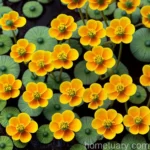
Caltha polypetala (Giant Marsh Marigold): A Complete Guide to Growing and Caring for This Beautiful Wetland Plant
What is Caltha polypetala (Giant Marsh Marigold)?
Caltha polypetala, commonly known as Giant Marsh Marigold, is a stunning perennial plant that belongs to the Ranunculaceae family. This plant is native to Europe and is known for its bright, showy flowers that bloom in early spring, often appearing in wetland areas, along streams, and in bog gardens. The botanical name “Caltha” is derived from the Greek word for “goblet” or “cup,” which describes the shape of the flower. The specific epithet “polypetala” refers to the numerous petals of the flower, giving it a beautiful and ornate appearance.
The Giant Marsh Marigold is an attractive addition to any water garden or wetland landscape, adding a burst of color and vibrancy to these environments. In addition to its aesthetic appeal, this plant also offers ecological benefits, serving as a valuable food source for wildlife and contributing to the overall biodiversity of wetland ecosystems.
In this comprehensive guide, we will explore the various aspects of growing and caring for Caltha polypetala, including its cultural requirements, uses, maintenance, propagation, and more. Whether you are a seasoned gardener or a novice enthusiast, this guide will provide you with the essential knowledge to successfully cultivate and enjoy this beautiful wetland plant.
Key Takeaways – Caltha polypetala (Giant Marsh Marigold)
Before delving into the specifics of growing and caring for Caltha polypetala, let’s examine the key takeaways about this remarkable plant:
- Plant Name: Caltha polypetala (Giant Marsh Marigold)
- Family: Ranunculaceae
- Common Names: Giant Marsh Marigold, Marsh Marigold, Kingcup
- Native Habitat: Europe
- Flowering Time: Early spring
- Ecological Importance: Provides food for wildlife and supports wetland biodiversity
- Cultural Uses: Ornamental plant for water gardens, wetlands, and stream margins
- Characteristics: Showy yellow flowers, glossy green foliage, prefers moist soil and partial shade
- Growth Habit: Perennial herbaceous plant
- Propagation: Easily propagated through division and seed sowing
- Popularity: Valued as a beautiful addition to water features and wetland landscapes
Now that we have an overview of the Giant Marsh Marigold, let’s dive into the details of cultivating and caring for this captivating plant.
Culture
Caltha polypetala, or Giant Marsh Marigold, has specific cultural requirements that are essential for its successful growth and blooming. Understanding its needs in terms of water, sunlight, soil, and fertilizer is crucial for cultivating healthy and vibrant specimens.
Uses
The versatility of Caltha polypetala extends beyond its visual appeal. Let’s explore the various uses of this plant, from ornamental landscaping to ecological contributions.
Water
Water is a critical element for the growth and survival of Caltha polypetala, given its natural habitat in wetland areas. Understanding its water requirements is fundamental to providing the optimal growing conditions for this plant.
Sunlight
As with many plants, sunlight plays a crucial role in the overall health and vigor of Caltha polypetala. Its preferences for light exposure will determine its placement in the garden or landscape.
Fertilizer
Proper nutrition is essential for the growth and flowering of Caltha polypetala. Understanding its fertilizer requirements and application techniques is essential for maintaining robust and floriferous plants.
Soil
The soil composition and structure directly impact the health and growth of Caltha polypetala. Learn about the optimal soil conditions for cultivating this wetland plant.
Pruning
Pruning is an important aspect of maintaining the vitality and appearance of Caltha polypetala. Discover the best practices for pruning this plant to ensure its long-term health and beauty.
Propagation
The propagation of Caltha polypetala can be achieved through various methods, each with its advantages and considerations. Explore the techniques for multiplying and propagating this alluring wetland plant.
Container Popularity
While Caltha polypetala thrives in wetland environments, it can also be cultivated in containers, adding a touch of elegance to water features and garden landscapes. Discover the appeal of growing this plant in containers.
Common Diseases
Plant diseases can affect the health and appearance of Caltha polypetala. Understanding common diseases and their management is crucial for maintaining robust and thriving specimens.
Disease Diagnosis
Early detection and diagnosis of plant diseases are essential for implementing effective control measures. Learn how to identify and address potential diseases that may affect Caltha polypetala.
Common Pests
Pests can pose a threat to the health and vitality of Caltha polypetala. Familiarize yourself with the common pests that may target this wetland plant and strategies for pest management.
Botanist’s Tips
Insights from botanists and plant experts can provide valuable guidance for cultivating and caring for Caltha polypetala. Explore tips and recommendations from professionals in the field.
Fun Facts
Uncover fascinating and little-known facts about Caltha polypetala, from its ecological relationships to its historical uses and cultural significance.
Links to External Resources
Access a curated list of external resources, including botanical gardens, educational institutions, and expert publications, to further explore the world of Caltha polypetala and wetland gardening.
Plant Name: Caltha polypetala (Giant Marsh Marigold)
Caltha polypetala, commonly known as Giant Marsh Marigold, is an enchanting wetland plant known for its striking yellow flowers and lush green foliage. This section will provide a detailed examination of the plant’s botanical characteristics, ecological significance, and cultivation requirements.
Giant Marsh Marigold Plant
The Giant Marsh Marigold is a captivating perennial plant that adds a touch of brilliance to water gardens, pond edges, and bog landscapes. Its cheerful yellow flowers and glossy green leaves make it a standout feature in any wetland environment.
Caltha polypetala Identification
Identifying Caltha polypetala is relatively straightforward, thanks to its distinct features, including its cup-shaped flowers, multiple bright yellow petals, and vigorous growth in moist environments.
How to Grow Caltha polypetala
Successful cultivation of Caltha polypetala requires an understanding of its growth habits, water requirements, and soil preferences. Explore the essential steps for growing this delightful wetland plant.
Giant Marsh Marigold Care Tips
Careful attention to the needs of Caltha polypetala is crucial for its health and blooming. Learn valuable care tips to ensure the vitality and longevity of this captivating plant.
Caltha polypetala Characteristics
From its vibrant flowers to its ecological significance, delve into the varied characteristics of Caltha polypetala that make it a beloved addition to wetland landscapes.
Benefits of Caltha polypetala
Apart from its visual appeal, Caltha polypetala offers several benefits, including wildlife habitat, soil stabilization, and aesthetic enhancement of wetland ecosystems.
Giant Marsh Marigold Varieties
Explore the different varieties and cultivars of Giant Marsh Marigold, each with its unique features and adaptations for specific growing conditions.
Caltha polypetala Cultivation
Understanding the specific requirements for cultivating Caltha polypetala is essential for creating a thriving wetland garden or landscape. Learn the best practices for successful cultivation.
Growing Giant Marsh Marigold in Gardens
Discover the enchanting possibilities of incorporating Giant Marsh Marigold in garden landscapes, creating a dynamic and vibrant display of early spring blooms.
Caltha polypetala Habitat
Delve into the natural habitat of Caltha polypetala, from its native range in Europe to its adaptation to wetland environments and water features.
Giant Marsh Marigold Flowering
The blooming period of Caltha polypetala is a spectacle to behold, marking the arrival of spring with its radiant yellow flowers. Understand the flowering cycle and duration of this beautiful wetland plant.
Caltha polypetala Uses
Beyond its ornamental value, Caltha polypetala serves various practical and ecological purposes. Explore its uses in landscaping, wildlife gardens, and wetland restoration projects.
Giant Marsh Marigold Facts
Unlock a wealth of intriguing facts about Caltha polypetala, from its historical uses to its symbolic significance in folklore and cultural traditions.
Caltha polypetala Medicinal Properties
While primarily known for its ornamental qualities, Caltha polypetala has historical uses in traditional medicine. Explore its potential medicinal properties and historical applications.
How to Propagate Caltha polypetala
Propagation is essential for expanding the presence of Caltha polypetala in wetland gardens. Learn about the methods for propagating this captivating plant.
Giant Marsh Marigold Gardening Tips
Effective gardening practices and tips can maximize the beauty and vigor of Caltha polypetala. Discover expert tips for cultivating this stunning wetland plant.
Caltha polypetala Natural Habitat
The natural habitat of Caltha polypetala offers insights into its ecological adaptations and the valuable role it plays in supporting wetland ecosystems.
Giant Marsh Marigold in Ponds
The graceful presence of Caltha polypetala in pond settings adds a touch of elegance to aquatic landscapes. Explore its potential as a pond plant and its benefits for water features.
Caltha polypetala Wildlife Attraction
The ecological significance of Caltha polypetala extends to its role in attracting and supporting diverse wildlife species within wetland environments.
Giant Marsh Marigold in Wetlands
As a quintessential wetland plant, Caltha polypetala thrives in the dynamic and ecologically rich environments of wetlands. Understand its adaptations to these unique ecosystems.
Caltha polypetala Pond Plant
Incorporating Caltha polypetala as a pond plant elevates the aesthetic appeal and ecological value of water features. Learn about its suitability for pond settings.
Ideal Conditions for Growing Caltha polypetala
Creating the optimal growing conditions for Caltha polypetala is essential for its flourishing. Explore the ideal parameters for cultivating this wetland plant.
Giant Marsh Marigold Landscaping Ideas
Integrating Caltha polypetala into landscape designs offers an array of creative possibilities for enhancing wetland and garden settings.
Caltha polypetala Water Plant
The affinity of Caltha polypetala for water environments makes it an ideal choice for water gardens and aquatic landscapes. Discover its role as a captivating water plant.
Giant Marsh Marigold in Bog Gardens
The adaptability of Caltha polypetala to bog gardens highlights its resilience and beauty in diverse wetland settings. Learn about its suitability for bog habitats.
Caltha polypetala Pond Decoration
The aesthetic appeal of Caltha polypetala makes it a charming addition to pond decorations, enriching the visual appeal of water features.
Giant Marsh Marigold Pond Edge Plant
Planting Caltha polypetala along pond edges brings a natural and vibrant element to waterside landscapes. Explore its role as a pond edge plant.
Caltha polypetala Spring Bloomer
The early spring blooming of Caltha polypetala marks the arrival of the growing season with its radiant and cheerful display of yellow flowers.
Giant Marsh Marigold Native Species
Connect with the native habitat and distribution of Caltha polypetala, gaining insights into its ecological adaptations and regional significance.
Caltha polypetala Flowers in Early Spring
The emergence of Caltha polypetala flowers in early spring is a captivating sight, signaling the awakening of nature and the transition into the growing season.
Growing Giant Marsh Marigold Indoors
While primarily suited for outdoor wetland environments, Caltha polypetala can also be grown indoors, offering an alternative for plant enthusiasts with limited outdoor space.
Caltha polypetala Garden Design
Incorporating Caltha polypetala into garden designs allows for creative expressions of wetland landscapes and the integration of native plants.
Giant Marsh Marigold as Ground Cover
The dense growth and spreading habit of Caltha polypetala make it a potential ground cover for wetland and water garden settings.
Caltha polypetala Planting Guide
A comprehensive planting guide for Caltha polypetala provides valuable insights into the timing, location, and techniques for establishing this wetland plant.
Giant Marsh Marigold Soil Requirements
Understanding the specific soil preferences of Caltha polypetala is essential for creating suitable growing conditions and fostering healthy plant development.
Caltha polypetala Container Gardening
The adaptability of Caltha polypetala to container gardening offers new possibilities for incorporating this wetland plant into diverse landscapes and settings.
Giant Marsh Marigold Climate Preferences
Exploring the climate preferences of Caltha polypetala provides valuable guidance for selecting suitable growing locations and microclimates for this wetland plant.
Caltha polypetala Water Feature Plant
The role of Caltha polypetala as a water feature plant extends beyond its ornamental value, enriching aquatic environments and contributing to the vitality of water features.
Giant Marsh Marigold in Wildlife Gardens
The ecological benefits of Caltha polypetala make it a valuable addition to wildlife gardens, supporting diverse species and contributing to the overall biodiversity of these habitats.
Caltha polypetala Fertilization Tips
Understanding the fertilization requirements of Caltha polypetala is crucial for providing essential nutrients and promoting robust growth and flowering.
Giant Marsh Marigold in Moist Soil
The preference of Caltha polypetala for moist soil conditions underlines its adaptation to wetland environments and its resilience in waterlogged substrates.
Caltha polypetala Flower Structure
The distinctive flower structure of Caltha polypetala contributes to its visual appeal and ecological function, showcasing its adaptation to wetland pollinators.
Giant Marsh Marigold for Erosion Control
In addition to its ornamental qualities, Caltha polypetala offers benefits for soil stabilization and erosion control in wetland and water garden settings.
Caltha polypetala Companion Plants
Exploring companion planting options for Caltha polypetala offers opportunities to create diverse and dynamic plant communities within wetland landscapes.
Giant Marsh Marigold in Riparian Zones
The suitability of Caltha polypetala for riparian zones highlights its ecological adaptation to transitional habitats and its contributions to streamside environments.
Caltha polypetala Bloom Period
Understanding the blooming period of Caltha polypetala provides insights into its seasonal development and enables the anticipation of its radiant displays of yellow flowers.
Giant Marsh Marigold Soil Moisture Needs
Establishing the ideal soil moisture levels for Caltha polypetala is crucial for providing the optimal growing conditions and maintaining the health of this wetland plant.
Caltha polypetala Landscape Use
The diverse landscape uses of Caltha polypetala highlight its versatility and appeal in wetland gardens, water features, and naturalistic landscapes.
Giant Marsh Marigold Pest Control
Managing pest issues is essential for safeguarding the health and appearance of Caltha polypetala, particularly in wetland environments where certain pests may pose challenges.
Caltha polypetala in Natural Wetlands
The participation of Caltha polypetala in natural wetland ecosystems underscores its ecological significance and its essential role in supporting wetland biodiversity.
As we explore the intricate details of Caltha polypetala, from its cultural requirements to its ecological significance, we gain a deeper appreciation for the captivating allure and ecological importance of this stunning wetland plant. Whether adorning water gardens, enhancing riparian habitats, or enriching wildlife gardens, Caltha polypetala stands as a testament to the resilience and beauty of plants in diverse ecosystems.
With a wealth of knowledge and insights gathered from this comprehensive guide, you are now equipped with the essential information to embark on your journey of cultivating and caring for Caltha polypetala. Through your stewardship of this enchanting wetland plant, you contribute to the preservation and celebration of natural beauty, ecological harmony, and the vitality of wetland landscapes.
Discover the marvels of Caltha polypetala and embrace the art of wetland gardening as you welcome the radiant blooms and vibrant foliage of the Giant Marsh Marigold into your outdoor sanctuary.
References
[1] Royal Horticultural Society. (n.d.). Caltha Polypetala. Link
[2] Missouri Botanical Garden. (n.d.). Caltha Polypetala. Link
[3] The Wildflower Society. (n.d.). Caltha Polypetala – Giant Marsh Marigold. Link
[4] The Plant List. (2013). Version 1.1. Caltha Polypetala. Link
[5] Plants for a Future. (1996-2012). Caltha Polypetala – L. Link
[6] University of Minnesota Extension. (2021). Water Gardening – Choosing Aquatic Plants. Link
[7] University of Florida IFAS Extension. (2021). Water Gardens and Ponds. Link