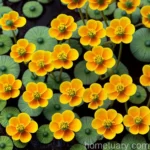
Caltha Leptosepala (Western Marsh Marigold): A Comprehensive Guide to Growing and Caring for This Beautiful Plant
Plants are an essential part of our natural ecosystem and contribute tremendously to the beauty and biodiversity of our planet. One such remarkable plant is the Caltha leptosepala, commonly known as the Western Marsh Marigold. This stunning flowering plant, with its vibrant yellow blooms, holds remarkable cultural, ecological, and horticultural significance. In this comprehensive guide, we will delve into the fascinating world of Caltha leptosepala, exploring its cultivation, uses, habitat, and much more.
What is Caltha leptosepala (Western Marsh Marigold)?
Caltha leptosepala, also known as the Western Marsh Marigold, is a perennial herbaceous plant belonging to the family Ranunculaceae. This striking plant is native to North America, particularly found in moist habitats such as marshes, wet meadows, stream banks, and other wetland environments. The plant is characterized by its glossy, heart-shaped leaves and cheerful, buttercup-like yellow flowers that brighten up the surroundings during its blooming season.
Key Takeaways – Caltha leptosepala (Western Marsh Marigold)
- Scientific Name: Caltha leptosepala
- Common Names: Western Marsh Marigold, Cowslip
- Family: Ranunculaceae
- Native Habitat: North America
- Blooming Season: Spring to early summer
- Flower Color: Bright yellow
- Growth Form: Herbaceous perennial
Culture
Caltha leptosepala is renowned for its cultural significance among native communities and has been used for various traditional purposes. The plant holds an important place in folklore, traditional medicine, and culinary practices. Let’s explore the culture and traditional uses of this remarkable plant.
Uses
-
Cultural Significance: Caltha leptosepala has been an integral part of Native American cultures, with various tribes using the plant for medicinal and ceremonial purposes. The Blackfoot tribe, for instance, used the plant as a traditional remedy for sore throats and colds.
-
Folklore and Myths: The plant has been intertwined with folklore and myths, often symbolizing resilience, brightness, and optimism. In European folklore, it was associated with the spring season and was believed to possess protective qualities.
-
Culinary Uses: While it’s important to note that certain parts of the plant are toxic if ingested, some traditional communities have used Western Marsh Marigold sparingly in culinary practices. However, caution should be exercised due to its toxicity.
-
Ethnobotanical Significance: Western Marsh Marigold has been valued for its ethnobotanical significance, serving as a source of traditional knowledge about the plant’s various uses.
Growing Conditions
To successfully cultivate Caltha leptosepala, it is essential to understand its specific requirements in terms of water, sunlight, fertilizer, soil, and pruning.
Water
As a wetland plant, Caltha leptosepala thrives in moist to wet soil conditions. Proper drainage is important to prevent waterlogging, but the plant should ideally be situated in consistently moist soil. In drier climates or during periods of drought, regular watering is crucial to support the plant’s growth and flowering.
Sunlight
While Western Marsh Marigold can tolerate partial shade, it generally prefers full sun to partial shade conditions. Adequate sunlight is essential for promoting healthy growth and vibrant blooming.
Fertilizer
Given its natural habitat in nutrient-rich wetlands, Caltha leptosepala benefits from occasional fertilization, especially if the soil is relatively poor in organic matter. A balanced, all-purpose fertilizer can be applied during the growing season to support the plant’s vigor.
Soil
The ideal soil for Caltha leptosepala is rich, organic, and loamy, with good moisture retention. The plant thrives in slightly acidic to neutral soils with a pH level of around 6.0 to 7.0. It is important to ensure proper drainage to prevent water stagnation while maintaining consistent moisture levels.
Pruning
Minimal pruning is required for Caltha leptosepala, and any dead or damaged foliage can be gently removed as needed. Regular deadheading of spent blooms can promote continuous flowering and maintain the plant’s aesthetic appeal.
Propagation
Caltha leptosepala can be propagated through various methods, including division, seed propagation, and even cuttings. Let’s explore the different propagation techniques for this beautiful plant.
Division
Method:
1. Lift the mature plant from the ground, ensuring that the root system is intact.
2. Gently separate the plant into smaller sections, each containing roots and foliage.
3. Replant the divided sections in suitable soil, ensuring adequate moisture and light conditions.
Timing:
– Early spring or late summer is the ideal time for division to allow the newly propagated plants to establish themselves before extreme temperatures set in.
Seed Propagation
Method:
1. Collect mature seeds from the plant during the fruiting season.
2. Sow the seeds in a seed-starting mix, covering them lightly with the growing medium.
3. Ensure consistent moisture and warmth to facilitate germination.
Timing:
– Sow the seeds in late winter or early spring for optimal germination and seedling establishment.
Cuttings
Method:
1. Take 4-6 inch cuttings from healthy, non-flowering stems of the plant.
2. Remove the lower leaves and dip the cut ends in a rooting hormone.
3. Plant the cuttings in a suitable rooting medium and maintain the moisture levels until roots develop.
Timing:
– Early summer is a suitable time for taking cuttings, allowing the new plants to establish themselves during the growing season.
Container Popularity
While Caltha leptosepala is primarily grown in garden beds or natural wetland environments, it can also thrive in containers, provided the growing conditions are carefully managed.
Container Common Diseases
When cultivating Caltha leptosepala in containers, it is essential to be aware of the potential diseases that may affect the plant.
- Root Rot: Excessive moisture or poor drainage can lead to root rot, a common issue in container-grown Caltha leptosepala.
- Powdery Mildew: Inadequate air circulation or high humidity levels can result in powdery mildew, causing a white powdery coating on the foliage.
Disease Diagnosis
Diagnosing and addressing potential diseases in container-grown Caltha leptosepala is vital for maintaining the plant’s health and vitality.
-
Root Rot Diagnosis: Yellowing or wilting foliage, accompanied by a foul odor from the soil, may indicate root rot. Carefully inspect the roots for dark, mushy areas to confirm the diagnosis.
-
Powdery Mildew Diagnosis: The presence of powdery, white spots on the leaves and stems, along with distorted growth, signifies a potential powdery mildew infection.
Common Pests
Caltha leptosepala, like many plants, may fall victim to certain pests that can affect its growth and overall health. Understanding these common pests and adopting appropriate pest management strategies is essential for mitigating potential damage.
-
Aphids: These small, sap-sucking insects can cluster on the tender stems and underside of leaves, causing distortion and yellowing of the foliage.
-
Slugs and Snails: These moisture-loving pests can feed on the leaves and stems of Caltha leptosepala, leaving behind irregular feeding damage and slime trails.
-
Caterpillars: Certain caterpillar species may feed on the foliage and flowers of the plant, leading to defoliation and aesthetic damage.
Botanist’s Tips
As a plant scientist, I would like to share valuable insights and tips for cultivating and caring for Caltha leptosepala based on scientific knowledge and practical experience.
-
Native Range: Understanding the natural habitat and native range of Caltha leptosepala can provide essential insights into its cultivation requirements and ecological importance.
-
Conservation Efforts: Given its significance as a native wetland plant, it is important to support and engage in conservation efforts aimed at preserving and protecting the natural habitats where Caltha leptosepala thrives.
-
Companion Planting: Consider incorporating companion plants that complement the growth requirements and aesthetic appeal of Caltha leptosepala, creating a harmonious garden environment.
Fun Facts
Discover some intriguing and lesser-known facts about Caltha leptosepala that showcase the plant’s unique characteristics and ecological significance.
- The bright yellow flowers of Caltha leptosepala are not true marigolds, but they bear a striking resemblance to the garden marigolds (Tagetes spp.).
- Western Marsh Marigold is known to attract a variety of pollinators, including bees and butterflies, contributing to the overall biodiversity of its habitat.
- The plant’s adaptation to moist environments has led to its use in water garden designs, adding color and vibrancy to aquatic settings.
Links to External Resources
For further exploration and in-depth information about Caltha leptosepala, I recommend the following external resources:
- North American Native Plant Society
- Royal Horticultural Society – Plant Finder
- Lady Bird Johnson Wildflower Center
In conclusion, Caltha leptosepala, or the Western Marsh Marigold, is a captivating plant with diverse cultural, ecological, and horticultural significance. By understanding its unique characteristics, growing requirements, and ecological role, we can appreciate and nurture the beauty of this remarkable wetland plant.
References
- “Western Marsh Marigold.” North American Native Plant Society. https://nanps.org/
- “Plant Finder.” Royal Horticultural Society. https://www.rhs.org.uk/plants
- “Lady Bird Johnson Wildflower Center.” https://www.wildflower.org/