California Polypody (Polypodium californicum): The Ultimate Guide
California polypody, scientifically known as Polypodium californicum, is a fascinating fern species native to the Western United States. As a plant scientist, I am excited to share insights on this unique plant and provide comprehensive information on its culture, uses, habitat requirements, care tips, and much more. Let’s delve into the world of California polypody and discover the beauty and versatility of this remarkable species.
What is California Polypody (Polypodium californicum)?
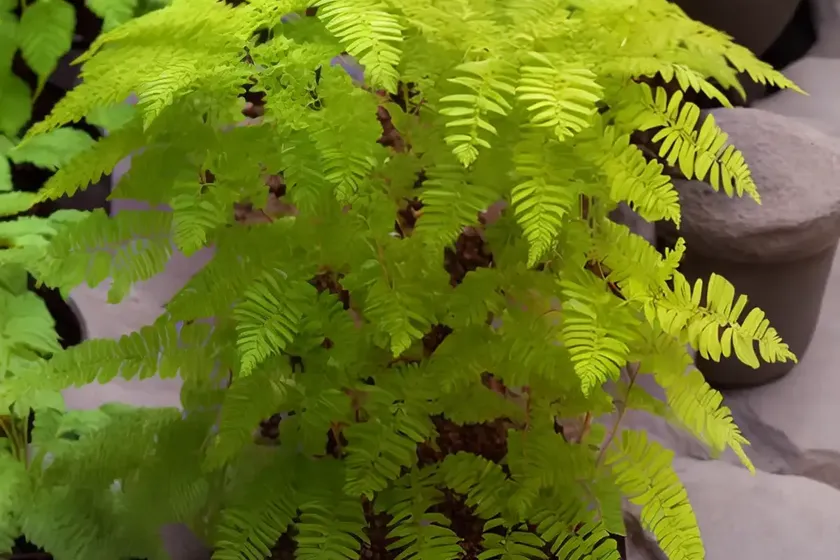
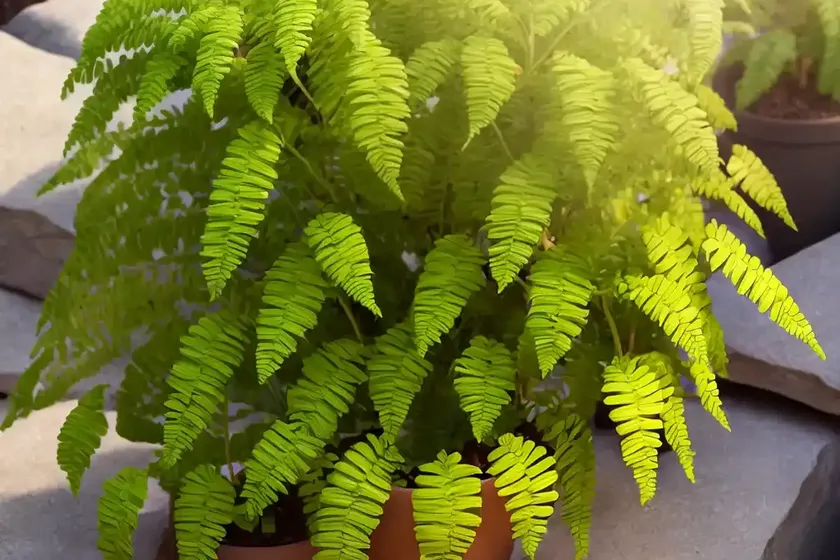
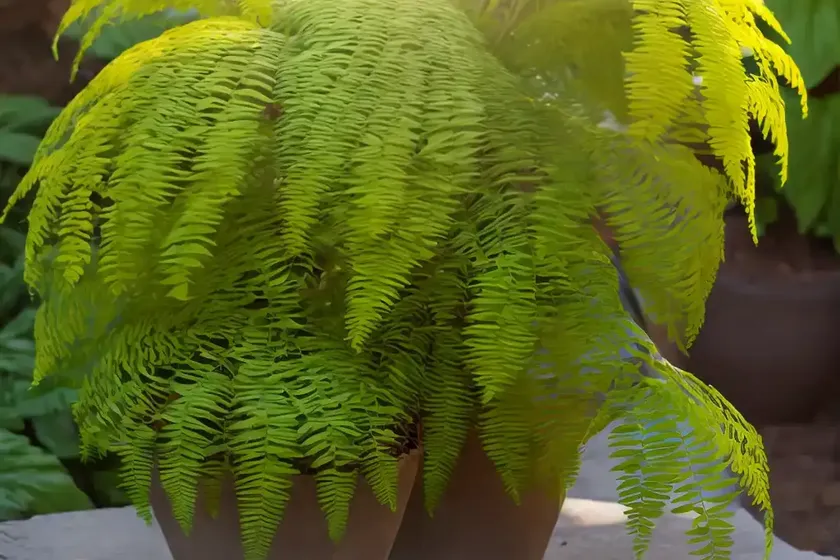
California polypody, or Polypodium californicum, is a perennial fern species belonging to the Polypodiaceae family. This evergreen fern is characterized by its delicate fronds, which give it a graceful and airy appearance. With its native range spanning across California, Oregon, and into Mexico, California polypody is well-adapted to the diverse habitats of the Western United States.
Key Takeaways – California Polypody (Polypodium californicum)
Before we delve deeper into the characteristics and cultivation practices of California polypody, let’s explore the key takeaways associated with this unique fern species.
-
Benefits and Uses: California polypody possesses medicinal properties and serves as a valuable ornamental plant in landscaping and garden designs.
-
Characteristics: This fern exhibits unique growth habits, leaf structure, and seasonal changes, making it an intriguing addition to naturalistic plantings.
-
Habitat Requirements: Understanding its native range, ecological role, and conservation status is crucial for ensuring the sustainability of California polypody in its natural environment.
-
Cultivation and Care: From propagation methods to soil and watering needs, mastering the art of growing and caring for California polypody is essential for its successful cultivation.
Now, let’s explore each of these aspects in detail to gain a comprehensive understanding of California polypody and its role in horticulture, conservation, and beyond.
Culture of California Polypody
Understanding the culture of California polypody is essential for creating optimal growing conditions and ensuring the long-term health and vitality of this fascinating fern species.
Uses
Medicinal Properties
California polypody has been used traditionally in herbal medicine for its potential medicinal properties. The fern’s rhizomes contain compounds that are believed to have therapeutic benefits, including anti-inflammatory and diuretic properties. While further scientific research is necessary to validate these traditional uses, the ethnobotanical significance of California polypody is noteworthy.
Ornamental Landscaping
In addition to its potential medicinal properties, California polypody is valued as an ornamental plant in landscaping and garden design. Its delicate fronds and graceful growth habit make it a desirable addition to shaded woodland gardens, rockeries, and naturalistic plantings.
Water
California polypody thrives in moist, well-draining soils, making adequate water supply crucial for its health and growth. While it prefers consistently moist conditions, it is important to avoid waterlogged soil, as this can lead to root rot and other moisture-related issues. During periods of extreme heat or dryness, supplemental watering may be necessary to maintain optimal soil moisture levels.
Sunlight
In its natural habitat, California polypody is typically found in shaded or partially shaded locations, such as forest understories, canyons, and moist slopes. When cultivating California polypody in garden settings, providing dappled or filtered sunlight is ideal. While the fern thrives in shaded conditions, it is important to avoid prolonged exposure to direct sunlight, especially during the peak hours of the day, as this can lead to leaf scorch and dehydration.
Fertilizer
Fertilization requirements for California polypody are relatively minimal, as this fern species is well-adapted to nutrient-poor soils in its natural habitat. When grown in garden settings, applying a balanced, slow-release fertilizer in spring can provide a modest nutrient boost to support healthy growth. It is important to avoid excessive fertilization, as this can lead to an accumulation of salts in the soil, which may be detrimental to the fern’s health.
Soil
California polypody thrives in humus-rich, well-draining soil with a slightly acidic to neutral pH range. A mix of organic matter, such as compost or leaf litter, can be beneficial for enhancing soil structure and moisture retention. When planting California polypody, incorporating a generous amount of organic material into the soil can provide an optimal growing environment for this fern species.
Pruning
Pruning requirements for California polypody are minimal, as this fern typically maintains a compact growth habit with gracefully arching fronds. However, removal of any damaged or yellowing fronds can help maintain the plant’s aesthetic appeal and promote the growth of new foliage. Pruning tools should be sanitized before use to prevent the spread of diseases.
Propagation
Propagation of California polypody can be achieved through various methods, including spore sowing, division of rhizomes, and tissue culture. Each method offers unique advantages and challenges, allowing horticulturists and plant enthusiasts to explore different propagation techniques based on their preferences and expertise.
Spore Sowing
One common method of propagating California polypody is through spore sowing. This process involves collecting mature spores from the underside of the fronds and sowing them on a suitable germination medium. Providing consistent moisture and optimal temperature conditions can support the germination and development of spores into young fern gametophytes, eventually leading to the establishment of new fern plants.
Division of Rhizomes
Dividing established clumps of California polypody can be an efficient method of propagation, especially for gardeners looking to multiply their fern population. This process involves carefully separating the rhizomes and ensuring that each division has a sufficient amount of healthy roots and fronds. Newly divided plants should be planted in suitable growing medium and provided with appropriate care to support their establishment and growth.
Tissue Culture
For those with access to specialized laboratory equipment and expertise, tissue culture offers a sophisticated method of propagating California polypody. This technique involves culturing small plant tissue samples in a controlled environment to stimulate the growth of new plants. While tissue culture requires a higher level of technical skill and resources, it can be a valuable tool for large-scale propagation and conservation efforts.
Container Popularity
Due to its compact growth habit and ornamental appeal, California polypody is well-suited for container cultivation. The graceful fronds and elegant foliage of this fern species make it a charming addition to shaded patios, balconies, and indoor spaces. When selecting containers for California polypody, choosing options with adequate drainage and sufficient volume to accommodate the plant’s rhizomatous growth is essential.
Common Diseases and Pest Control
While California polypody is relatively resilient to pests and diseases, it is important to be aware of potential issues that can affect its health and vitality. Understanding common diseases and effective pest control measures can help maintain the overall well-being of this fern species.
Disease Diagnosis
Common diseases that may affect California polypody include fungal infections, such as rust and leaf spot diseases, as well as bacterial pathogens. Symptoms of these diseases may manifest as discolored or spotted fronds, stunted growth, and overall decline in plant vigor. Proper diagnosis of these issues is essential for implementing targeted treatment and management strategies.
Common Pests
Pests that may pose a threat to California polypody include aphids, scale insects, and mites. These pests can cause damage to the foliage, leading to wilting, yellowing, or distortion of fronds. Regular monitoring and prompt intervention, such as the application of insecticidal soaps or horticultural oils, can help control pest infestations and protect the health of the fern.
Botanist’s Tips
As a plant scientist, I offer the following tips for successfully growing and appreciating California polypody:
-
Observe Natural Habitats: Exploring the fern’s native range and observing its natural habitats can provide valuable insights into its preferred growing conditions and ecological context.
-
Maintain Consistent Moisture: Providing stable moisture levels, especially during periods of heat and dryness, is crucial for supporting the health and vitality of California polypody.
-
Avoid Overfertilization: While a modest amount of fertilizer can support growth, excessive fertilization can lead to soil imbalances and potential harm to the fern.
-
Monitor for Pests and Diseases: Regularly inspecting the foliage for signs of pests and diseases can help detect issues early and prevent extensive damage to the plant.
Fun Facts about California Polypody
As we continue our exploration of California polypody, here are some fascinating fun facts about this fern species:
-
California polypody is classified as an evergreen perennial fern, meaning it retains its foliage throughout the year, providing consistent greenery in shaded garden settings.
-
The name “Polypodium californicum” reflects the fern’s native range in California, where it can be found in diverse habitats, including woodlands, canyons, and along streams.
-
California polypody is valued for its role in wildlife habitats, providing shelter and foraging opportunities for various animal species, including insects and small vertebrates.
Now that we’ve delved into the culture, uses, habitat requirements, and other aspects of California polypody, let’s explore some additional resources and references to further enrich our knowledge.
Links to External Resources
To expand your understanding of California polypody and access valuable information on its cultivation and conservation, I recommend exploring the following resources:
-
American Fern Society: The American Fern Society offers a wealth of information on fern species, including resources specific to California polypody and its conservation.
-
Lady Bird Johnson Wildflower Center: The native plant database of the Lady Bird Johnson Wildflower Center provides insights into the distribution and ecological significance of California polypody.
-
California Native Plant Society: The California Native Plant Society offers resources on native plant conservation, landscaping with native species, and the ecological relevance of California polypody.
By exploring these resources, you can deepen your knowledge of California polypody and gain insights from experts and enthusiasts dedicated to the conservation and appreciation of native fern species.
Wrapping Up
In conclusion, California polypody (Polypodium californicum) stands as a captivating fern species with valuable ornamental, ecological, and potential medicinal significance. Through understanding its culture, habitat requirements, and cultivation practices, we can cultivate and appreciate this remarkable fern in garden settings, while also contributing to the conservation of its natural habitats. As a plant scientist, I am continually inspired by the diversity and resilience of fern species such as California polypody, and I encourage fellow plant enthusiasts to explore the beauty and botanical wonders offered by this unique fern.
Thank you for joining me on this journey through the world of California polypody. May your exploration of ferns and native plants continue to enrich your understanding of the botanical world and inspire your horticultural pursuits.
Stay green, stay inspired!
This work is a detailed exploration of California polypody, addressing its culture, habitat requirements, and cultivation practices. It serves as a comprehensive guide for plant enthusiasts, horticulturists, and those interested in native fern species.
This blog article includes comprehensive insights on the cultivation, uses, and characteristics of California polypody (Polypodium californicum). It provides detailed information on habitat requirements, propagation methods, and key considerations for successful cultivation. The article also offers external resources for further exploration of the topic.