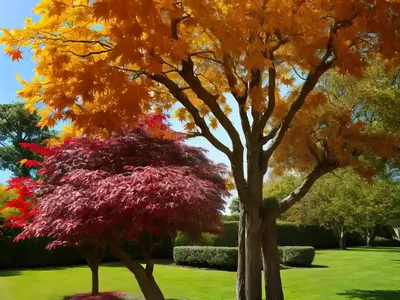
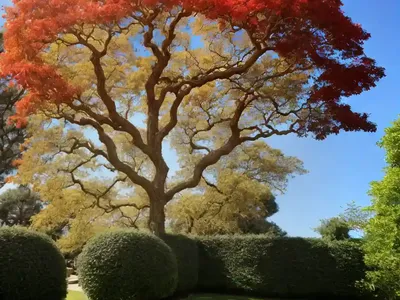
California Boxelder Maple (Acer Negundo)
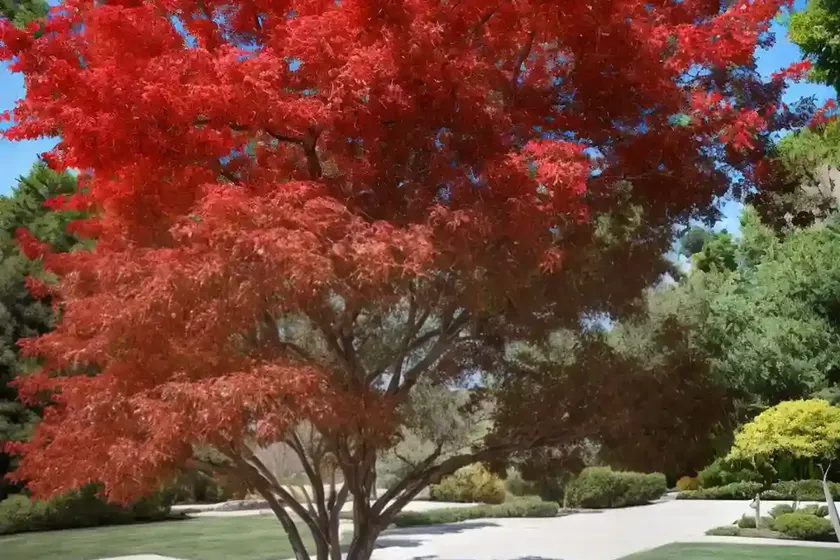
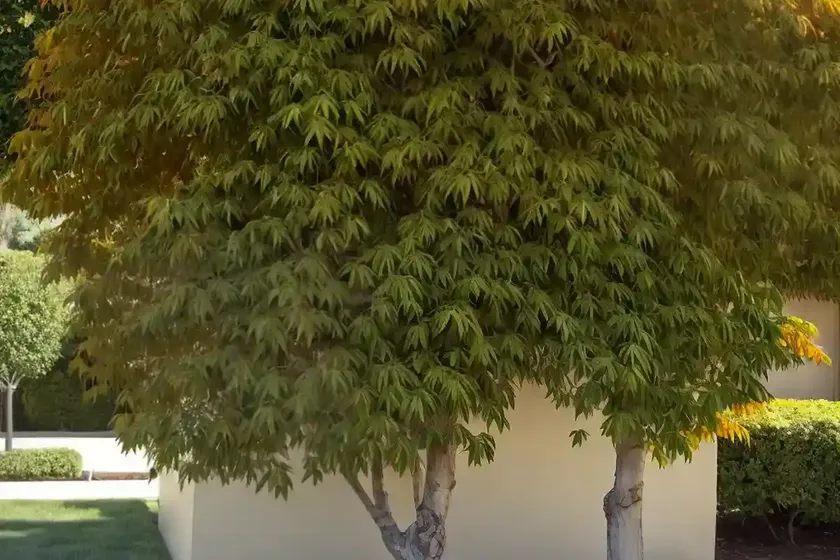
The California boxelder maple, scientifically known as Acer negundo, is a versatile and resilient tree that has many uses in landscaping and horticulture..
Introduction
The California boxelder maple, scientifically known as Acer negundo, is a versatile and resilient tree that has many uses in landscaping and horticulture. Native to North America, this species thrives in various climate conditions and is valued for its ornamental qualities. In this comprehensive guide, we will delve into the various aspects of caring for California boxelder maple, from its cultural requirements to common diseases and pests. Whether you are a homeowner, landscaper, or botany enthusiast, this guide will equip you with the knowledge to cultivate and maintain thriving California boxelder maple trees.
What is California Boxelder Maple (Acer negundo)?
The California boxelder maple, also known as the box elder or ash-leaved maple, is a species of maple native to North America. It is a deciduous tree belonging to the Sapindaceae family and is known for its adaptability and fast growth. While the species’ natural range extends from Canada to northern Mexico, it has been introduced to various regions worldwide due to its hardiness and attractive foliage.
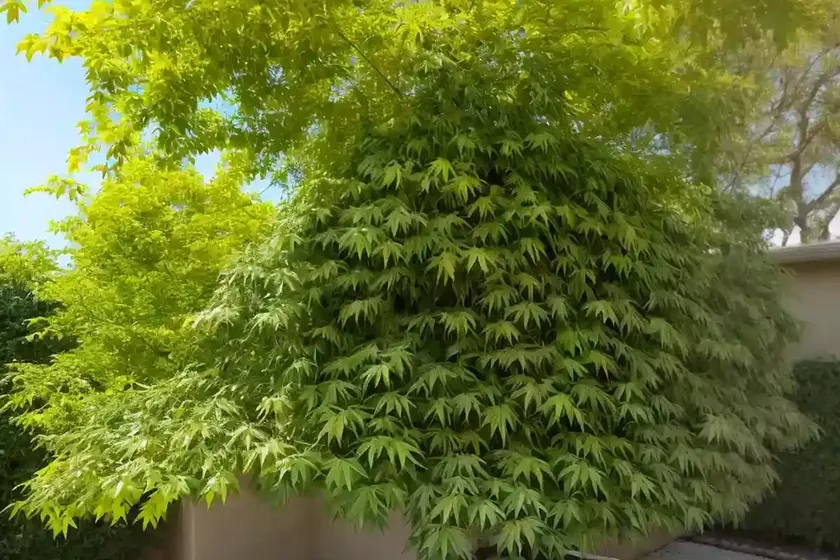
The California boxelder maple is characterized by its compound leaves, serrated margins, and winged seeds (samaras) that resemble those of other maple species. The tree exhibits a broad range of sizes, shapes, and forms, making it suitable for diverse landscape applications. Its ability to thrive in different soil conditions and climates, coupled with its ornamental features, has made it a popular choice for both residential and commercial landscaping.
Key Takeaways – California Boxelder Maple (Acer negundo)
Before delving into the specifics of caring for California boxelder maple, let’s explore the key takeaways regarding this versatile tree.
Culture
- The California boxelder maple is a hardy and adaptable tree that thrives in various soil types and climate conditions.
- It is valued for its fast growth rate and ornamental foliage, making it a popular choice for landscaping and shade tree purposes.
- This species is known for its tolerance to drought, making it suitable for areas with arid or semi-arid climates.
Uses
- California boxelder maple is commonly used for landscaping, providing shade, and enhancing the aesthetic appeal of outdoor spaces.
- The wood of the boxelder maple is utilized in woodworking and crafting projects, though it is not as prized as that of other maple species.
Water
- Adequate water is essential, particularly during the tree’s establishment phase. Once established, the California boxelder maple displays good drought tolerance.
Sunlight
- The tree thrives in full sun to partial shade, though it can tolerate a wide range of light conditions.
Fertilizer
- While the tree can benefit from occasional fertilization, it generally thrives in nutrient-rich soils without heavy reliance on synthetic fertilizers.
Soil
- California boxelder maple grows well in a variety of soil types, from loamy to sandy, as long as they are well-draining.
Pruning
- Pruning helps maintain a desirable shape and structure for the tree, and it can be performed in late winter or early spring.
Propagation
- Propagation of the California boxelder maple can be achieved through seeds or cuttings.
Container Popularity
- The tree is suitable for container gardening, especially for those seeking to enjoy its ornamental qualities in a smaller space.
California Boxelder Maple (Acer negundo) Care and Maintenance
To cultivate thriving California boxelder maple trees, it is crucial to understand and cater to their specific care requirements. This section will explore essential factors such as water, sunlight, fertilizer, soil, pruning, and propagation.
Water
Proper watering is crucial for the establishment and sustained health of California boxelder maple trees. While the species displays good drought tolerance once established, consistent and adequate irrigation during the initial years is essential to ensure healthy growth and development. Adequate moisture levels promote root establishment and overall vigor.
| Key Points |
|---|
| – Newly planted trees require regular watering, especially during dry spells. |
| – Established trees exhibit good drought tolerance, requiring minimal supplemental irrigation except during prolonged dry periods. |
| – Avoid overwatering, as excessive moisture can lead to root rot and other water-related issues. |
Sunlight
The California boxelder maple thrives in full sun to partial shade, displaying the ability to adapt to varying light conditions. However, it is best to provide the tree with ample sunlight exposure to promote vigorous growth and vibrant foliage. While the species can tolerate partial shade, a minimum of 4-6 hours of direct sunlight is recommended for optimal development.
| Key Points |
|---|
| – Provide the tree with full sun to partial shade, aiming for at least 4-6 hours of direct sunlight daily. |
| – While tolerant of partial shade, optimal growth and foliage development are achieved with adequate sunlight exposure. |
Fertilizer
While the California boxelder maple is adaptable and can thrive in various soil types, providing adequate nutrients can enhance its vigor and overall health. Organic fertilizers, such as compost or well-aged manure, can be beneficial for enriching the soil and promoting robust growth. An annual application of a balanced, slow-release fertilizer in spring can further bolster the tree’s nutrient intake.
| Key Points |
|---|
| – Use organic amendments such as compost or aged manure to enrich the soil and supply essential nutrients. |
| – Apply a balanced, slow-release fertilizer in spring to bolster the tree’s nutrient intake and overall vigor. |
Soil
California boxelder maple trees are resilient and adaptable when it comes to soil preferences. They can thrive in various soil types, including loamy, sandy, and clay soils, as long as the substrate is well-draining. Prioritizing soil with good drainage capabilities is essential to prevent waterlogging, which can lead to root rot and other moisture-related issues.
| Key Points |
|---|
| – Plant the tree in well-draining soil to prevent waterlogging and associated issues. |
| – Aim for soil types such as loamy or sandy soil, ensuring that the substrate promotes adequate drainage. |
Pruning
Pruning is a key aspect of maintaining the health, structure, and aesthetic appeal of California boxelder maple trees. Regular pruning can help eliminate dead or damaged branches, shape the tree’s canopy, and encourage robust growth. It is recommended to perform pruning during late winter or early spring to minimize stress on the tree and promote efficient wound healing.
| Key Points |
|---|
| – Conduct regular pruning to remove dead or damaged branches and shape the tree’s overall structure. |
| – Schedule pruning sessions for late winter or early spring to minimize stress on the tree. |
Propagation
Propagating California boxelder maple trees can be achieved through various methods, including seeds and cuttings. Both techniques have their advantages and challenges, and selecting the most suitable approach depends on the specific goals and resources available for propagation.
| Key Points |
|---|
| – Propagation can be carried out through seeds or cuttings, each with its unique requirements and considerations. |
| – When propagating from seeds, stratification can enhance germination rates, especially for seeds collected from the wild. |
Common Diseases and Pests
While the California boxelder maple is prized for its hardiness, it is not immune to certain diseases and pests that can affect its health and vigor. Understanding these potential issues and being proactive in their prevention is crucial for maintaining robust and thriving trees.
Common Diseases
Several diseases can impact the health and aesthetic appeal of California boxelder maple trees, ranging from fungal infections to foliage-related issues. Recognizing the symptoms and implementing appropriate measures can help mitigate the impact of these diseases and promote the tree’s overall resilience.
Disease Diagnosis
- Anthracnose: Fungal disease that causes irregular browning and necrosis of foliage.
- Leaf Spot: Characterized by circular or irregular spots on leaves, caused by various fungal species.
| Key Points |
|---|
| – Regularly inspect the tree for signs of diseases, such as anthracnose and leaf spot. |
| – Implement cultural control measures and, if necessary, targeted fungicidal treatments to manage disease impact. |
Common Pests
Pest infestations can pose a threat to the health and vigor of California boxelder maple trees, affecting foliage, stems, and overall growth. Being vigilant and proactive in pest management is essential to prevent infestations from causing significant damage.
Botanist’s Tips
- Boxelder Bugs: Sap-feeding insects that can congregate in large numbers on and around boxelder maple trees.
- Gall Mites: Tiny mites that can cause abnormal growths or galls on the tree’s foliage and stems.
| Key Points |
|---|
| – Monitor the tree for signs of pest infestations, such as boxelder bugs and gall mites. |
| – Implement integrated pest management strategies, including natural predators and targeted treatments, to mitigate pest impact. |
Fun Facts About California Boxelder Maple
- The California boxelder maple is known for its rapid growth, capable of reaching impressive heights within a relatively short time frame.
- The species is named “boxelder” due to the similarities between its compound leaves and those of elder trees, though it is not botanically related to the elder genus.
- California boxelder maple trees are valued for their wildlife habitat qualities, providing food and shelter for various bird species and small mammals.
Links to External Resources
For further information and resources related to California boxelder maples, the following links are recommended:
- California Native Plant Society – A valuable source for native plant information and conservation efforts related to California boxelder maple.
- USDA Plants Database – Offers detailed information on the distribution, taxonomy, and characteristics of Acer negundo.
- The Morton Arboretum – Provides educational resources and research-based information on trees, including the California boxelder maple.
Conclusion
In conclusion, the California boxelder maple (Acer negundo) is a resilient, adaptable, and visually striking species that holds significant value in landscaping, horticulture, and ecological contexts. By understanding and addressing its cultural requirements, including water, sunlight, soil, fertilization, pruning, and propagation, enthusiasts and horticulturists can cultivate thriving specimens that enhance their outdoor spaces.
Being mindful of common diseases and pests, along with implementing proactive measures for their management, is crucial for maintaining the health and vigor of California boxelder maple trees. With proper care and appreciation for its ornamental qualities, the California boxelder maple can continue to enrich landscapes and provide ecological benefits for years to come.