Calathea Peacock (Calathea Makoyana)
Image source: The Spruce
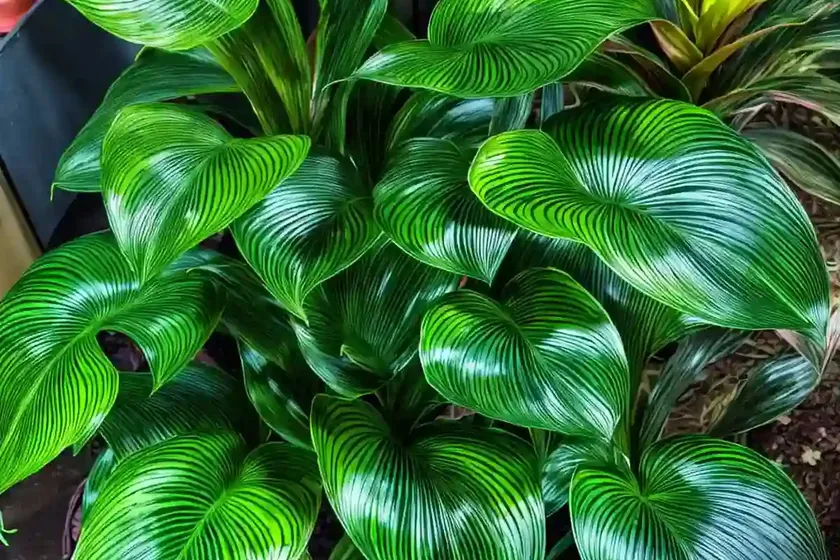
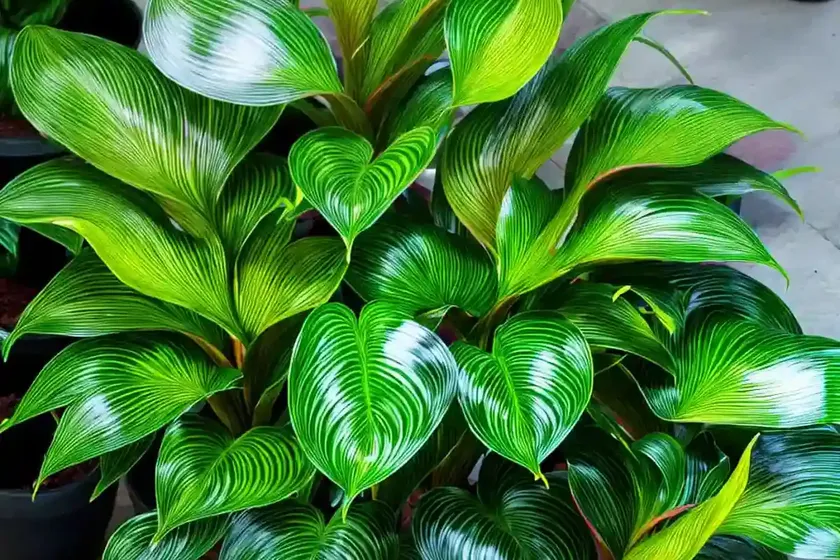
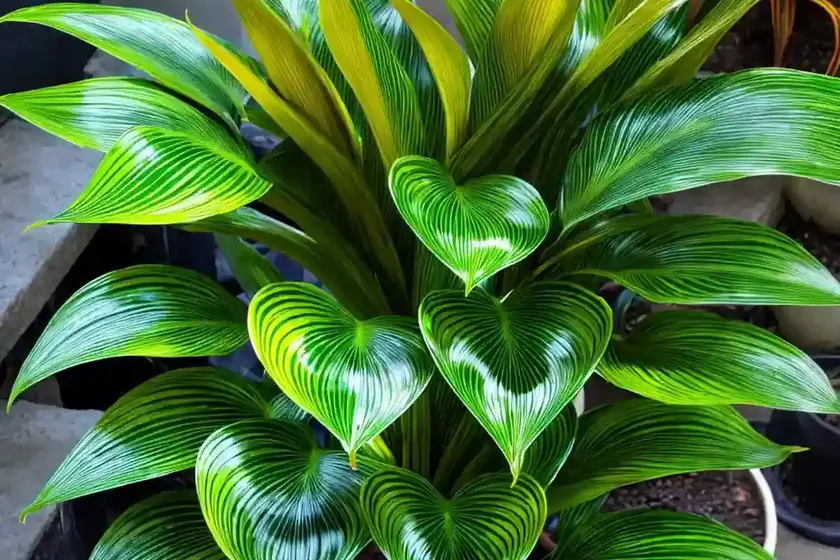
Image source: The Spruce
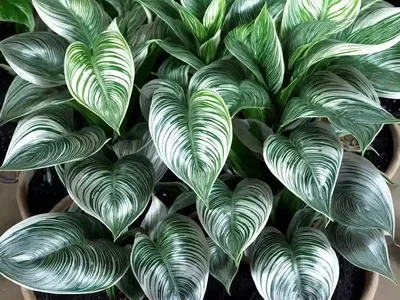
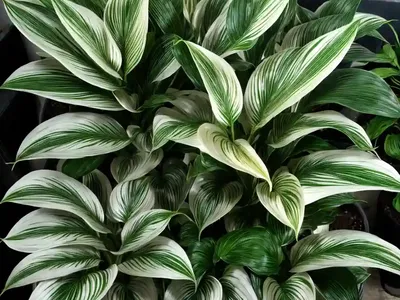
Calathea Peacock, scientifically known as Calathea makoyana, is a popular choice for indoor plant enthusiasts due to its striking and vibrant foliage. This tropical plant is cherished for its patterned leaves that boast a beautiful combination of greens, whites, and purples. In this comprehensive guide, we will explore everything you need to know about the Calathea Peacock plant, including its cultural requirements, uses, common diseases, and much more.
What is Calathea Peacock?
Calathea Peacock, also referred to as Cathedral Windows, is a species of prayer plant known for its decorative leaves. Native to the rainforests of Brazil, it is a member of the Marantaceae family, which includes several other popular ornamental plants. The unique foliage patterns and the plant’s ability to move its leaves in response to light and darkness make it an intriguing addition to any indoor space.
Key Takeaways
Calathea Peacock (Calathea makoyana)
- Family: Marantaceae
- Common Names: Calathea Peacock, Cathedral Windows
- Origin: Brazil
- Type: Evergreen perennial
Culture
Uses
The Calathea Peacock is primarily cultivated for ornamental purposes, adding a touch of tropical elegance to interior spaces such as homes, offices, and public lobbies.
Water
Calathea Peacock plants prefer consistently moist, but not soggy, soil. It is important to water the plants with room temperature water whenever the top inch of soil feels dry. Overwatering may lead to root rot, while underwatering can cause the leaves to brown and curl.
Sunlight
These plants thrive in bright, indirect light. Direct sun exposure can scorch the leaves, so it is best to place them in locations with dappled light or indirect sunlight.
Fertilizer
During the growing season from spring to summer, feed your Calathea Peacock with a balanced liquid fertilizer every month. Refrain from fertilizing during dormant periods in fall and winter.
Soil
A well-draining, peat-based potting mix is ideal for Calathea Peacock plants. The soil should retain moisture without becoming waterlogged.
Pruning
Regularly remove yellowing or damaged leaves to promote the health and appearance of the plant. Use clean, sharp scissors or pruning shears to avoid tearing the leaves.
Propagation
Propagating Calathea Peacock is primarily achieved through division. When repotting, carefully separate the young plants from the parent and pot them individually.
Container
Given its preference for a consistent level of moisture, consider planting your Calathea Peacock in a container with drainage holes to prevent waterlogging.
Popularity
The eye-catching foliage and relatively low maintenance make the Calathea Peacock a popular choice among plant enthusiasts and interior designers. Its unique leaf patterns and colors make it a desired addition to any indoor jungle.
Common Diseases
Calathea Peacock plants are susceptible to a few common diseases. Identifying these diseases is crucial for maintaining the plant’s health and preventing their spread.
Disease Diagnosis
-
Leaf Spot: Initially presenting as small water-soaked spots, leaf spot disease can lead to larger lesions with yellow halos. To control the spread, remove affected leaves and improve air circulation.
-
Root Rot: Overwatering can cause root rot, leading to wilting, yellowing, and drooping of leaves. If detected, reduce watering and repot the plant in fresh, well-draining soil.
Common Pests
Several pests can affect the health of Calathea Peacock plants. Identifying and addressing these pests promptly is integral to keeping the plants flourishing.
Botanist’s Tips
-
Spider Mites: These tiny pests can infest the undersides of leaves, causing yellow stippling and webbing. Regularly misting the plant and keeping the humidity high can deter spider mites.
-
Mealybugs: Mealybugs are small, white, cottony insects that can cluster on the stems and leaf nodes. Use a cotton swab dipped in alcohol to remove the bugs from the plant.
Fun Facts
- In their natural habitat, Calathea plants move their leaves in response to the changes in light throughout the day, a phenomenon known as nyctinasty.
- Calathea Peacock is commonly used in indoor plant landscaping to add a tropical flair to spaces such as hotel lobbies and botanical gardens.
Links to External Resources
For further information on Calathea Peacock care and cultivation, you may find the following resources helpful:
– The Royal Horticultural Society – Calathea
– University of Florida IFAS Extension – Care of Calathea and Maranta
– American Society for the Prevention of Cruelty to Plants – Calathea Growing Guide
In the next section, we will delve further into the specifics of planting and caring for the Calathea Peacock, providing an in-depth understanding of its requirements and maintenance.
Stay tuned for valuable insights into optimal conditions for growth, troubleshooting common issues, and tips for enhancing your indoor space with this captivating plant.