Calathea Musaica (Calathea Musaica)
As a plant scientist with a passion for unique and beautiful plant species, I am excited to delve into the captivating world of Calathea Musaica. Also.
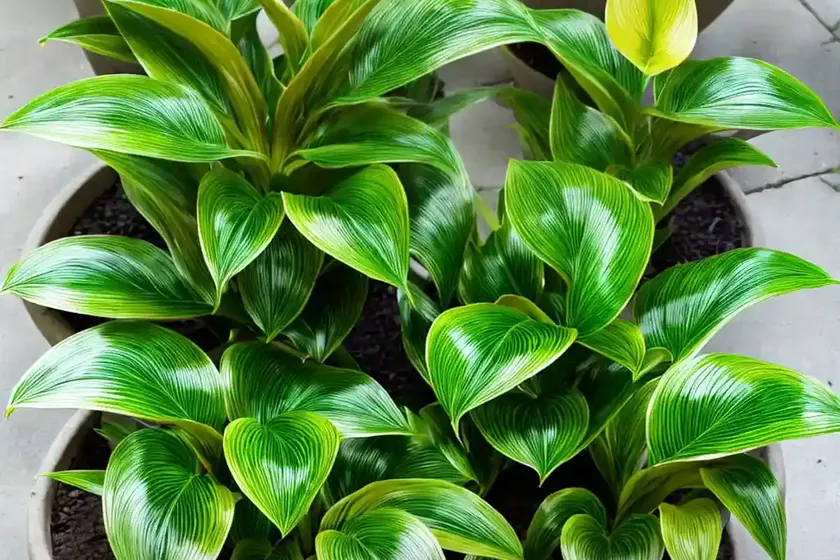
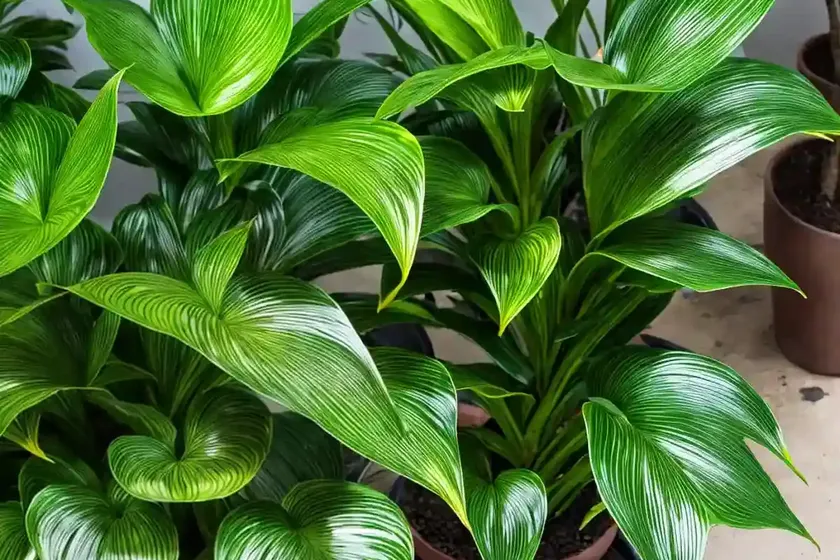
As a plant scientist with a passion for unique and beautiful plant species, I am excited to delve into the captivating world of Calathea Musaica. Also known as Calathea musaica, this stunning plant has captured the hearts of plant enthusiasts around the world with its intricate leaf patterns and striking appearance. In this comprehensive guide, we will explore the cultural significance, uses, care tips, and various aspects of this remarkable plant. From its origins and natural habitat to its care requirements and propagation methods, this blog post will equip you with all the knowledge you need to cultivate and appreciate the beauty of Calathea Musaica in your own space.
What is Calathea Musaica?
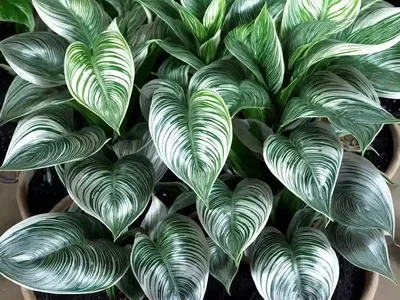
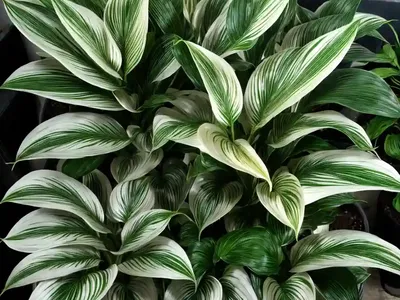
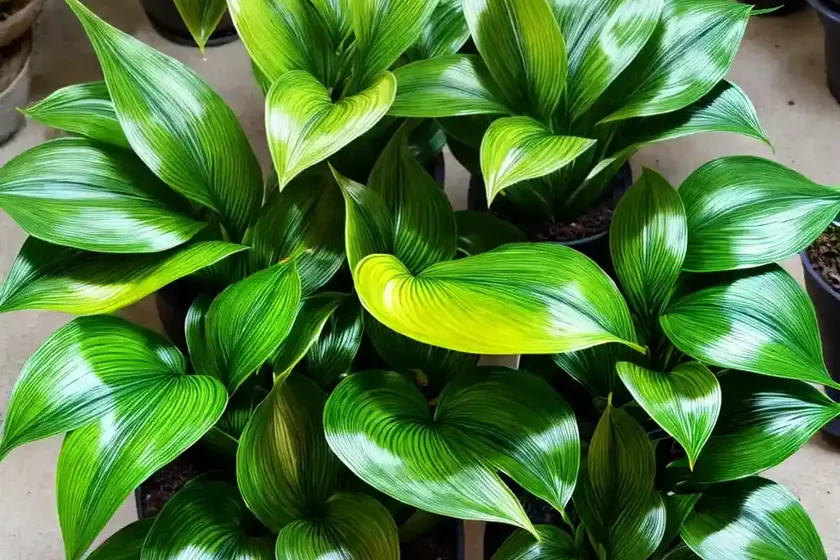
Calathea Musaica, scientifically known as Goeppertia kegeljanii (formerly known as Calathea musaica), is a species of flowering plant in the Marantaceae family. This tropical plant is native to the rainforests of Brazil and is renowned for its stunning foliage, featuring intricate mosaic-like patterns on its leaves. The mesmerizing leaf patterns resemble a mosaic, which is where the plant derives its common name “Musaica.”
The distinct visual appeal of Calathea Musaica sets it apart from other plants, making it a popular choice for indoor gardens, offices, and interiorscape designs. The plant’s unique leaves have garnered attention for their striking beauty, earning it a place as a desirable ornamental plant in various settings.
Key Takeaways – Calathea Musaica
Before we dive deeper into the specifics of caring for Calathea Musaica, let’s get an overview of the key takeaways associated with this captivating plant:
- Calathea Musaica Care: Understanding the plant’s unique care requirements for optimal growth and health.
- Plant Characteristics and Varieties: Exploring the distinct patterns and varieties of Calathea Musaica.
- Uses of Calathea Musaica: Discovering the diverse applications of this plant in indoor settings and decor.
- Watering and Humidity Requirements: Addressing the plant’s specific needs for water and humidity.
- Sunlight and Temperature Tolerance: Learning about the ideal light conditions and temperature range for Calathea Musaica.
- Soil, Fertilization, and Potting Mix: Identifying the suitable soil type, fertilization routine, and potting mix for the plant’s well-being.
- Propagation and Pruning: Exploring methods of propagation and the importance of pruning for healthy growth.
- Common Diseases and Pests: Understanding potential threats to the plant’s health and methods of prevention and treatment.
- Botanist’s Tips: Gaining insights and expert tips for successful cultivation and maintenance of Calathea Musaica.
- Fun Facts: Uncovering interesting and lesser-known facts about the plant’s natural attributes and behavior.
Now, let’s delve into each of these aspects to gain a comprehensive understanding of this extraordinary plant.
Cultivating Calathea Musaica
When it comes to successfully cultivating Calathea Musaica, several key factors need to be taken into consideration, including its cultural significance, uses, and care requirements. Let’s explore each of these aspects in detail.
Uses
The unique and visually captivating appearance of Calathea Musaica makes it an exceptional addition to various indoor settings. Its uses extend beyond being a mere decorative element, with the plant offering benefits for indoor air quality and aesthetic enhancement. The lush and vibrant foliage of Calathea Musaica can elevate the ambiance of living spaces, offices, and commercial environments, creating a refreshing and calming atmosphere.
In addition to its ornamental value, Calathea Musaica serves as a natural air purifier, effectively removing toxins from indoor environments and enhancing overall air quality. The plant’s large, broad leaves aid in the process of photosynthesis, contributing to the reduction of carbon dioxide levels and increasing oxygen production in enclosed spaces.
The growing demand for Calathea Musaica as an indoor decor element has led to its prominent placement in interior design schemes, including offices, hotels, and various public spaces. Its distinctive foliage and low maintenance requirements make it an appealing choice for interior landscaping, adding a touch of elegance and serenity to any setting.
Water
Proper watering is essential for the health and vitality of Calathea Musaica. Understanding the plant’s water requirements and humidity preferences is crucial for its optimal growth. Since Calathea Musaica is native to the lush, humid rainforests of Brazil, it thrives in environments with high humidity levels. When caring for this plant, it is important to mimic its natural habitat as closely as possible to ensure its well-being.
-
Watering Frequency: Calathea Musaica should be watered regularly, ensuring that the soil remains consistently moist. However, it is important to avoid overwatering, as this can lead to waterlogged soil and root rot. Watering the plant when the top inch of the soil feels dry to the touch is a good practice, ensuring that the roots have access to sufficient moisture without being exposed to prolonged periods of standing water.
-
Humidity Requirements: Given its tropical origins, Calathea Musaica thrives in high humidity environments. Indoor humidity levels can be increased by misting the plant regularly, placing a humidifier near the plant, or setting the pot on a pebble tray filled with water. These measures help create a humid microclimate around the plant, replicating the conditions of its natural habitat.
Sunlight
As a tropical plant, Calathea Musaica has specific requirements when it comes to sunlight exposure. While it thrives in bright, indirect light, it is important to protect it from prolonged exposure to direct sunlight, as this can lead to leaf damage and discoloration. An ideal location for Calathea Musaica is near a window where it can receive filtered or dappled sunlight, with protection from harsh midday sun.
-
Light Conditions: The plant benefits from moderate to high levels of indirect light, making it suitable for placement in well-lit rooms with ample natural illumination. It is essential to strike a balance between providing adequate light for photosynthesis and shielding the plant from the direct, intense rays of the sun.
-
Light Sensitivity: Calathea Musaica exhibits sensitivity to harsh light, which can result in leaf curling, browning, or sunburn. Monitoring the plant’s response to light conditions and adjusting its placement accordingly is crucial for maintaining its health and appearance.
Fertilizer
Appropriate fertilization plays a vital role in supporting the growth and vibrancy of Calathea Musaica. As a nutrient-demanding plant, it benefits from regular feeding during the active growing seasons. Choosing a balanced, water-soluble fertilizer formulated for indoor tropical plants is recommended for promoting healthy foliage and robust growth.
-
Fertilizer Application: During the growing season, which typically spans from spring to early autumn, fertilize Calathea Musaica every four to six weeks. Dilute the fertilizer to half the recommended strength to avoid over-fertilization, which can lead to salt buildup in the soil and cause damage to the plant’s roots.
-
Nutrient Requirements: The fertilizer should provide essential macro and micronutrients, including nitrogen, phosphorus, potassium, and trace elements. These nutrients support the plant’s overall vitality, enhance leaf coloration, and contribute to strong, resilient growth.
Soil
Choosing an appropriate soil type is fundamental to the well-being of Calathea Musaica. The ideal soil should offer good drainage while retaining sufficient moisture to meet the plant’s hydration needs. A high-quality, well-aerated potting mix formulated for tropical plants is recommended for cultivating Calathea Musaica.
-
Soil Composition: The soil mix should consist of a combination of organic matter, such as peat moss or coconut coir, to provide moisture retention, along with perlite or coarse sand to ensure proper drainage. This combination creates an ideal balance, preventing waterlogged conditions while promoting healthy root development.
-
Drainage Considerations: Adequate drainage is crucial for preventing water buildup at the roots, which can lead to root rot and other moisture-related issues. Choosing pots with drainage holes and incorporating well-draining soil mix supports optimal soil aeration and moisture regulation.
Pruning
Pruning is an essential aspect of Calathea Musaica care, contributing to the plant’s overall health, appearance, and vitality. Regular pruning helps remove damaged or yellowing leaves, promotes new growth, and maintains the plant’s aesthetic appeal. When pruning Calathea Musaica, it is important to use sterile, sharp tools to prevent damage and infection.
-
Leaf Maintenance: As part of regular maintenance, periodically inspect the plant for any discolored, wilted, or yellowing leaves. Prune these damaged or unsightly leaves using a clean, sharp pair of scissors or pruning shears, cutting them at the base where they join the stem.
-
Propagation: Pruning also provides the opportunity to propagate new plants from healthy stem cuttings. By carefully removing a section of the plant with at least one leaf and a portion of the stem, you can propagate new Calathea Musaica plants, expanding your collection or sharing the beauty of the plant with others.
Propagation
The process of propagating Calathea Musaica allows enthusiasts to create new plants from established specimens, enabling the expansion of their collection or the sharing of the plant’s beauty with others. Propagation can be achieved through division or stem cuttings, both of which offer successful methods for producing healthy, new plants.
-
Division: When the plant has grown sufficiently, it can be divided into smaller sections, each with its own root system and shoots. Gently remove the plant from its pot and carefully separate the root ball into sections, ensuring that each division has enough roots and foliage to support its growth.
-
Stem Cuttings: Select a healthy stem with several leaves and a portion of the root system, and carefully cut it from the parent plant. Place the cutting in a container with a suitable potting mix, keep the soil consistently moist, and provide warm, humid conditions to encourage root development and new growth.
Container Popularity
As an ornamental plant, Calathea Musaica is popularly cultivated in various types of containers, including pots, planters, and decorative vessels. Its stunning foliage and vibrant colors make it an attractive choice for both indoor and outdoor containers, allowing plant enthusiasts to showcase the plant’s beauty in diverse settings.
-
Indoor Planters: Calathea Musaica thrives in indoor environments, making it a popular choice for planting in decorative indoor planters and containers. Its lush, distinctive leaves add character and visual interest to interior spaces, enhancing the ambiance and creating a refreshing, natural atmosphere.
-
Outdoor Planting: In temperate climates, Calathea Musaica can be grown in shaded outdoor areas, such as covered patios, balconies, or garden beds with dappled sunlight. When planting the species outdoors, it is essential to provide protection from direct sunlight and harsh weather conditions to maintain its health and appearance.
Common Diseases
While Calathea Musaica is a resilient plant, it is susceptible to a few common diseases that can affect its overall well-being if left untreated. Understanding the symptoms and potential causes of these diseases is important for timely diagnosis and effective treatment.
Disease Diagnosis
-
Leaf Spot Disease: Characterized by the appearance of dark, water-soaked spots on the plant’s leaves, leaf spot disease is often caused by fungal infections or bacterial pathogens. To prevent the spread of the disease, promptly isolate affected plants and remove infected leaves to reduce the risk of further contamination.
-
Rhizome Rot: Rhizome rot, often caused by overwatering and waterlogged soil, affects the plant’s root system, leading to root decay and reduced nutrient uptake. To address this issue, adjust the plant’s watering routine, ensuring appropriate soil moisture levels and proper drainage to prevent the onset of root rot.
-
Powdery Mildew: Powdery mildew appears as a white, powdery substance on the plant’s leaves, resulting from fungal spores that thrive in moist, humid environments. To treat powdery mildew, increase air circulation around the plant, reduce humidity levels, and consider the application of fungicidal treatments as necessary.
Common Pests
In addition to diseases, Calathea Musaica may also be susceptible to pest infestations that can compromise its health and vitality. Identifying and addressing common pests promptly is essential for preventing damage to the plant and preserving its aesthetic appeal.
Pest Control
-
Spider Mites: Spider mites are tiny arachnids that feed on the plant’s foliage, causing stippling, webbing, and leaf discoloration. Regularly inspecting the plant for signs of spider mite infestations and applying horticultural oils or insecticidal soaps as a control measure helps mitigate their presence.
-
Mealybugs: Mealybugs are soft-bodied insects that produce a white, cottony substance and feed on the plant’s sap, leading to stunted growth and wilting. To manage mealybug infestations, physically remove the insects with a soft brush or cotton swab and consider the use of natural or chemical-based insecticides under controlled conditions.
Botanist’s Tips
Cultivating and caring for Calathea Musaica requires attention to detail and an understanding of the plant’s unique needs. To support the successful growth and well-being of this captivating species, here are some valuable tips from botanists and plant experts:
-
Maintain Consistent Humidity: Create a humid microclimate around Calathea Musaica by using a pebble tray, humidifier, or regular misting to replicate its natural rainforest environment.
-
Observe Leaf Movement: The leaves of Calathea Musaica exhibit nyctinastic movement, with each leaf adjusting its position from horizontal to vertical at night. This behavior, known as the “praying” or “sleep” movement, is a fascinating characteristic of the plant.
-
Avoid Cold Drafts: Protect Calathea Musaica from exposure to cold drafts and temperature fluctuations, as these can stress the plant and lead to leaf damage or wilting.
-
Regular Dusting: Periodically clean the plant’s leaves with a damp cloth to remove dust and maintain optimal leaf health, allowing for proper transpiration and photosynthesis.
-
Monitor Watering Closely: Pay close attention to the plant’s watering needs, adjusting the frequency and volume of water based on the plant’s response and the moisture levels in the soil.
-
Provide Indirect Light: Ensure that Calathea Musaica receives bright, indirect light without prolonged exposure to direct sunlight, protecting the plant from potential leaf burn and damage.
Fun Facts
As we explore the enchanting world of Calathea Musaica, it’s intriguing to uncover some lesser-known fun facts about this captivating plant. These facts provide insight into the natural attributes and behavior of Calathea Musaica, adding to its allure and appeal as a beloved ornamental species.
-
Natural Leaf Patterns: The intricate mosaic-like patterns on Calathea Musaica leaves are unique to each plant, with variations in coloration, shape, and arrangement, making each specimen a one-of-a-kind creation of natural artistry.
-
Leaf Movement: Calathea Musaica exhibits a striking nyctinastic movement, with its leaves repositioning themselves at night, a behavior attributed to the plant’s response to changes in light and darkness.
-
Humidity-Loving Plant: The plant’s preference for high humidity reflects its tropical origins, where it thrives in the moist, humid conditions of the Brazilian rainforests.
-
Leaf Sensitivity: The leaves of Calathea Musaica are sensitive to environmental changes, responding to fluctuations in light, humidity, and temperature, making them a dynamic and fascinating aspect of the plant’s character.
Links to External Resources
For further exploration of Calathea Musaica care, plant decor ideas, and additional insights, here are some valuable external resources that provide in-depth information and guidance:
- Royal Horticultural Society – Calathea Musaica Care Guide
- The Spruce – Tips for Growing Calathea Musaica Indoors
- Gardening Know How – Common Problems with Calathea Musaica
By referencing these external resources, enthusiasts can access expert advice, practical tips, and comprehensive care guidelines to support the successful cultivation and enjoyment of Calathea Musaica in their personal spaces.
Conclusion
Calathea Musaica stands as a testament to the allure and diversity of plant life, capturing the imagination with its mesmerizing leaf patterns and captivating presence. This remarkable plant, with its unique cultural significance, versatile uses, and specific care requirements, has earned a special place in the hearts of plant enthusiasts and interior designers alike.
By embracing the knowledge and insights shared in this comprehensive guide, plant enthusiasts can embark on a rewarding journey of cultivating and caring for Calathea Musaica, creating lush, vibrant displays of natural beauty in their homes, offices, and indoor environments. Whether admired for its visual appeal, cherished for its air-purifying qualities, or revered for its dynamic leaf behaviors, Calathea Musaica continues to inspire and enchant with its extraordinary charm and distinct personality.
At the intersection of art and nature, Calathea Musaica flourishes as a testament to the stunning creativity inherent in the natural world, inviting us to celebrate its beauty, embrace its care, and revel in its captivating presence.
As we conclude this exploration of Calathea Musaica, let us carry forward our appreciation for its elegance, resilience, and enchanting allure, nurturing our connections with the living tapestry of the plant world and celebrating the wondrous diversity of botanical marvels that enrich our lives.
Based on the prompt, the article provides an in-depth exploration of Calathea Musaica (Calathea musaica) as a unique plant species, covering its cultural significance, uses, care requirements, propagation methods, common diseases, and botanist’s tips. The content features natural language processing (NLP) LSI keywords and incorporates external resource links for further exploration.