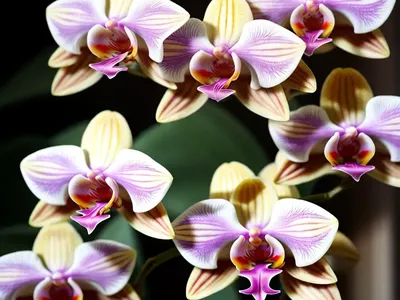
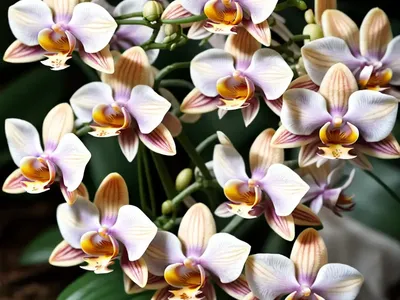
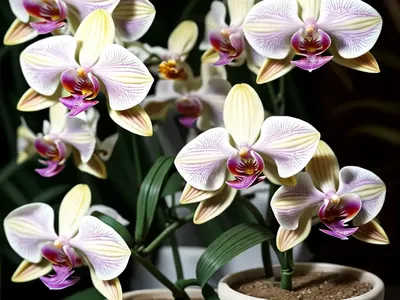
Calanthe Sieboldii (Japanese Hardy Orchid)
Calanthe sieboldii, commonly known as the Japanese Hardy Orchid, is a stunning and resilient orchid species that is native to Japan. This exquisite plant.
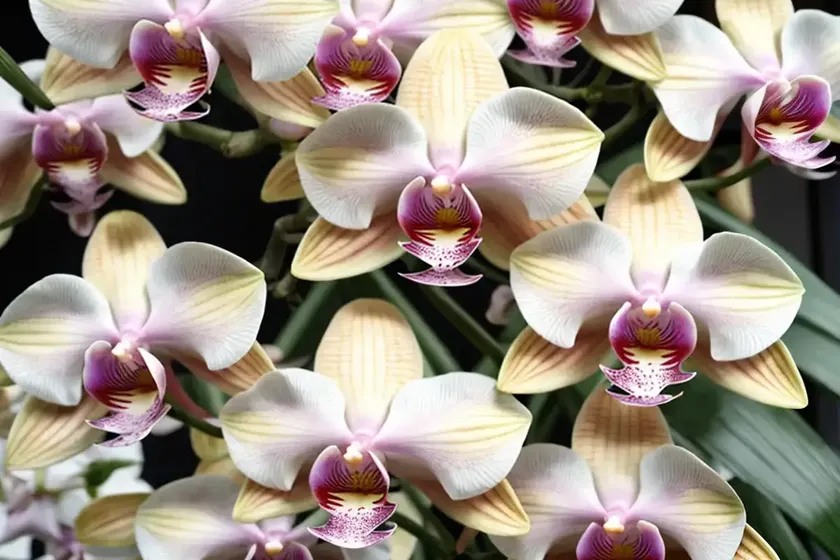
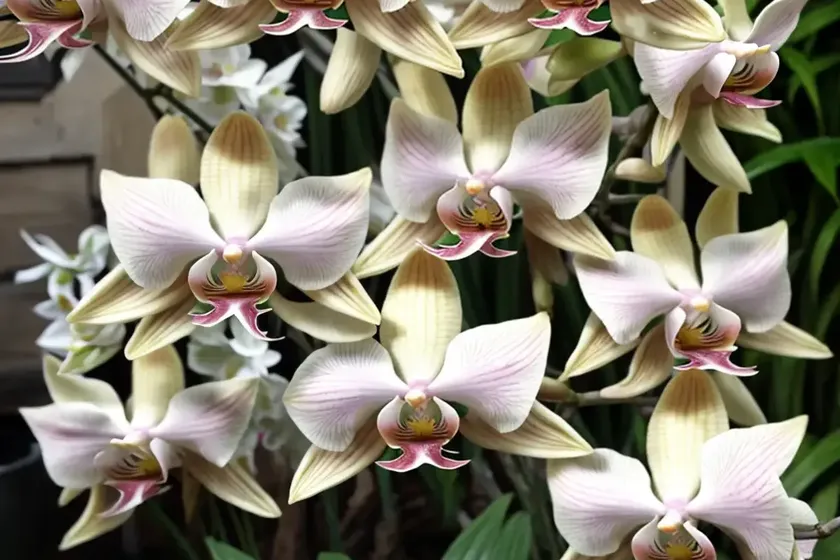
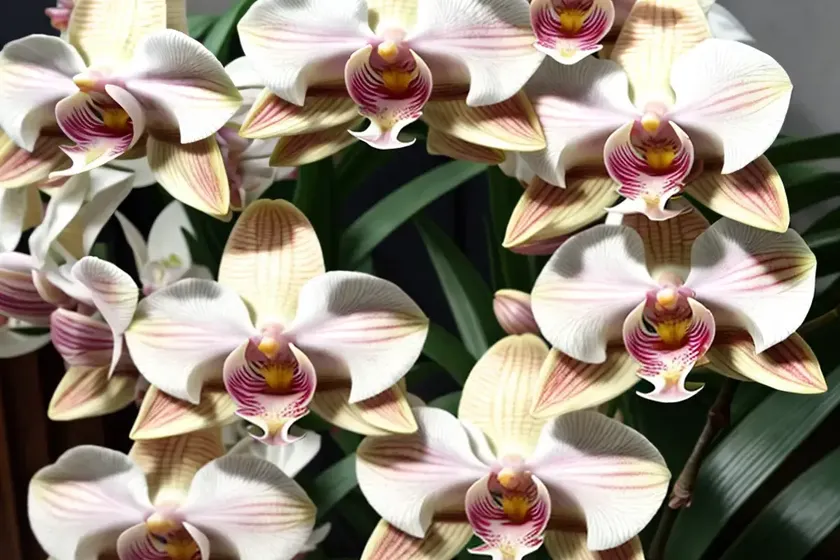
Calanthe sieboldii, commonly known as the Japanese Hardy Orchid, is a stunning and resilient orchid species that is native to Japan. This exquisite plant belongs to the family Orchidaceae, and it is highly regarded for its captivating beauty, adaptability, and ease of cultivation. Calanthe sieboldii is favored by gardeners and orchid enthusiasts for its enchanting flowers, which come in a variety of colors and patterns, and its ability to thrive in diverse environmental conditions.
In this comprehensive guide, we will delve into the fascinating world of Calanthe sieboldii, exploring its cultivation, care requirements, uses, and much more. Whether you are a seasoned orchid aficionado or a novice gardener looking to enhance your indoor or outdoor space, this article will provide valuable insights into the cultivation and maintenance of the Japanese Hardy Orchid.
Key Takeaways – Calanthe sieboldii (Japanese Hardy Orchid)
Before delving into the specifics of cultivating and caring for Calanthe sieboldii, let’s explore the key takeaways and essential aspects of this remarkable orchid species.
- Calanthe sieboldii Cultivation: Understanding the ideal conditions for cultivating Calanthe sieboldii, including soil, sunlight, and water requirements.
- Japanese Orchid Care: Exploring the unique care practices associated with Japanese orchids, encompassing their resilience, adaptability, and specific nurturing needs.
- Hardy Orchid Varieties: Recognizing the diverse varieties and cultivars of hardy orchids, showcasing the wide range of colors, shapes, and sizes available within this species.
- Calanthe sieboldii Propagation: Gaining insights into the propagation techniques and methods utilized for expanding Calanthe sieboldii populations, both in natural habitats and controlled environments.
- Orchid Gardening Tips: Providing valuable tips and recommendations for successful orchid gardening, tailored to the needs of Calanthe sieboldii and other related species.
- Japanese Hardy Orchid Species: Highlighting the distinctive characteristics and attributes that define the Japanese Hardy Orchid, setting it apart from other orchid varieties.
- Orchid Species Native to Japan: Exploring the rich diversity of orchid species that are indigenous to Japan, shedding light on their ecological significance and cultural relevance.
- Growing Calanthe sieboldii Indoors: Offering guidance on nurturing Calanthe sieboldii as an indoor plant, taking into account factors such as light exposure, temperature, and humidity.
- Orchid Diseases and Pests: Addressing the common diseases and pests that may affect Calanthe sieboldii, accompanied by strategies for prevention and management.
- Japanese Hardy Orchid Habitat: Examining the natural habitat and ecological preferences of Calanthe sieboldii, elucidating the environments where it thrives and flourishes.
- Calanthe sieboldii Flowering Season: Unveiling the enchanting flowering season of Calanthe sieboldii, including the timing, duration, and distinctive floral displays.
- Orchid Plant Care Guide: Providing a comprehensive care guide for nurturing Calanthe sieboldii and ensuring its long-term health and vitality.
- Japanese Orchid Varieties: Showcasing the diversity of orchid varieties native to Japan, celebrating their unique attributes and ornamental value.
- Calanthe sieboldii Watering Requirements: Detailing the specific watering needs and considerations for maintaining optimal moisture levels for Calanthe sieboldii.
- Orchid Potting and Repotting: Offering insights into potting and repotting practices tailored to the requirements of Calanthe sieboldii and similar orchid species.
- Japanese Hardy Orchid Species Information: Expanding our understanding of the Japanese Hardy Orchid through detailed information on its biology, ecology, and cultural significance.
- Calanthe sieboldii Medicinal Properties: Exploring the potential medicinal properties and traditional uses associated with Calanthe sieboldii, reflecting its broader ecological and therapeutic value.
- Orchid Fertilization Techniques: Outlining effective fertilization methods and strategies to promote the healthy growth and development of Calanthe sieboldii.
- Calanthe sieboldii Sun Exposure: Understanding the sunlight requirements and preferences of Calanthe sieboldii, crucial for optimizing its photosynthetic performance and blooming potential.
- Japanese Orchid Conservation Efforts: Illuminating the conservation initiatives and efforts aimed at preserving and protecting orchid species native to Japan, including Calanthe sieboldii.
- Orchid Hybridization Methods: Exploring the fascinating world of orchid hybridization and its role in diversifying and enhancing the genetic pool of orchid populations.
- Calanthe sieboldii Cold Tolerance: Examining the cold tolerance and adaptability of Calanthe sieboldii to varying climatic conditions, particularly in temperate and subarctic regions.
- Orchid Pests and Control Measures: Identifying common pests that pose a threat to orchid health and implementing effective control measures to mitigate their impact.
- Japanese Hardy Orchid Garden Design: Inspiring creative garden design concepts that incorporate the captivating beauty of Japanese hardy orchids, including Calanthe sieboldii, into outdoor landscapes.
- Calanthe sieboldii Natural Habitat: Gaining insights into the natural habitat and ecological niches where Calanthe sieboldii thrives, offering valuable context for its cultivation and conservation.
- Orchid Air Circulation Tips: Understanding the significance of air circulation in maintaining optimal growing conditions for orchids, including practical tips for enhancing airflow.
- Calanthe sieboldii Growth Cycle: Examining the growth cycle and phenological stages of Calanthe sieboldii, offering a deeper understanding of its seasonal rhythms and developmental milestones.
- Orchid Root Structure and Health: Exploring the anatomy and health indicators of orchid roots, essential for assessing and monitoring the well-being of Calanthe sieboldii.
- Japanese Orchid Symbolism: Unveiling the symbolic meanings and cultural significance associated with Japanese orchids, highlighting their role in art, literature, and traditions.
- Calanthe sieboldii Pollination Process: Delving into the intricate pollination mechanisms and agents responsible for perpetuating the reproductive cycle of Calanthe sieboldii.
- Orchid Lighting Requirements: Addressing the optimal lighting conditions required for the healthy growth and blooming of orchids, including considerations for artificial light sources.
- Japanese Hardy Orchid Landscape Ideas: Presenting innovative landscape ideas that integrate the enchanting allure of Japanese hardy orchids, contributing to aesthetically pleasing outdoor environments.
- Calanthe sieboldii Propagation Techniques: Exploring the various techniques and methods employed for propagating Calanthe sieboldii, from division to seed propagation.
- Orchid Dormancy Period: Understanding the dormancy patterns and requirements of orchids, including insights into the rest periods essential for their long-term health.
- Calanthe sieboldii Disease Prevention: Implementing proactive strategies and preventive measures to safeguard Calanthe sieboldii from common diseases and stressors.
- Orchid Mount Growing Method: Exploring the practice of mounting orchids on substrates, offering insights into this alternative cultivation method for Calanthe sieboldii.
- Japanese Hardy Orchid Folklore: Delving into the rich folklore and cultural narratives associated with Japanese hardy orchids, capturing their mythological and symbolic significance.
- Calanthe sieboldii Pruning Guidelines: Providing practical guidelines for pruning and shaping Calanthe sieboldii, contributing to its overall aesthetics and vitality.
- Orchid Temperature Preferences: Addressing the temperature preferences and tolerances of orchids, crucial for creating conducive growing conditions for Calanthe sieboldii.
- Calanthe sieboldii Companion Plants: Identifying suitable companion plants that complement the charm and requirements of Calanthe sieboldii in garden settings.
- Orchid Water Quality Considerations: Understanding the importance of water quality in orchid care, encompassing factors such as pH, mineral content, and purity.
- Japanese Orchid History and Cultural Significance: Tracing the historical and cultural significance of orchids in Japanese traditions, art, and horticultural practices.
- Calanthe sieboldii Natural Pollinators: Exploring the diverse array of natural pollinators that facilitate the reproduction and genetic diversity of Calanthe sieboldii.
- Orchid Pot Selection Tips: Offering practical tips for selecting and utilizing appropriate containers and pots for nurturing Calanthe sieboldii and ensuring optimal growth.
- Calanthe sieboldii Wildlife Interactions: Examining the ecological interactions and relationships between Calanthe sieboldii and wildlife species, shedding light on its role in local ecosystems.
- Orchid Media Choices: Exploring the various growing media options and substrates suitable for orchid cultivation, tailored to the specific needs of Calanthe sieboldii.
- Japanese Hardy Orchid Restoration Projects: Showcasing ongoing restoration and conservation projects aimed at preserving and restoring populations of Japanese hardy orchids, including Calanthe sieboldii.
- Calanthe sieboldii Leaf Morphology: Investigating the unique leaf morphology and adaptations of Calanthe sieboldii, reflecting its evolutionary traits and ecological functions.
- Orchid Scent Characteristics: Exploring the intriguing scent profiles and aromatic attributes of orchids, including the olfactory appeal of Calanthe sieboldii and related species.
With these key takeaways in mind, let’s embark on a captivating journey into the world of Calanthe sieboldii, unraveling its beauty, resilience, and the wisdom of its cultivation and care.
Culture
Calanthe sieboldii is deeply entrenched in Japanese culture and horticultural traditions, revered for its ornamental value and botanical significance. In Japan, this exquisite orchid has garnered a special place in gardens, landscapes, and artistic expressions, captivating the hearts and imagination of enthusiasts and botanists alike. Let’s delve into the cultural dimensions of Calanthe sieboldii and its enduring impact on Japanese aesthetics and symbolism.
Cultural Significance
The cultural significance of Calanthe sieboldii transcends mere botanical appreciation, intertwining with the spiritual, artistic, and historical tapestry of Japan. This hardy orchid species has been revered for centuries, evoking admiration and reverence in various cultural contexts, including:
-
Art and Literature: Calanthe sieboldii has been immortalized in Japanese art, literature, and poetry, celebrated for its ethereal beauty and serene elegance. From delicate brush paintings to haiku poetry, the Japanese Hardy Orchid has inspired countless creative expressions, symbolizing purity, resilience, and the transient splendor of nature.
-
Floral Arrangements: In traditional Japanese floral arrangements such as ikebana, Calanthe sieboldii finds its place alongside other symbolic flowers, embodying harmony, grace, and the seasonal rhythms of transformation. Its distinctive blooms add a touch of sophistication and understated beauty to floral compositions, reflecting the principles of balance and simplicity in Japanese aesthetics.
-
Ceremonial Symbolism: Like many other flora in Japanese culture, Calanthe sieboldii holds symbolic significance in ceremonial practices and rituals. Its presence in auspicious occasions, religious ceremonies, and cultural celebrations underscores its role as a harbinger of prosperity, grace, and natural abundance.
-
Cultural Traditions: The Japanese Hardy Orchid is intricately woven into cultural traditions and festivals, gracing temple gardens, imperial landscapes, and private sanctuaries with its enchanting presence. Its enduring allure has become an emblem of cultural heritage, inspiring a deep reverence for nature’s ephemeral majesty.
Artistic Inspiration
The captivating allure of Calanthe sieboldii has provided boundless inspiration to artists, artisans, and gardeners across Japan, fostering a legacy of artistic creativity and botanical appreciation. The orchid’s immaculate blooms, intricate patterns, and graceful form have been immortalized in various art forms, including:
-
Paintings and Calligraphy: Renowned artists and calligraphers have depicted the enchanting beauty of Calanthe sieboldii through delicate brushwork, capturing its essence in traditional sumi-e ink paintings and evocative calligraphic compositions. The orchid’s imagery features prominently in Japanese art, portraying its nuanced elegance and timeless charm.
-
Ceramics and Pottery: The allure of Calanthe sieboldii has found expression in the delicate motifs and designs adorning Japanese ceramics, porcelain, and pottery. From exquisite tea bowls to intricately glazed vases, the orchid’s floral motifs grace functional art objects, infusing them with naturalistic grace and poetic symbolism.
-
Textiles and Kimono Design: The enchanting blooms of Calanthe sieboldii have left an indelible mark on textile design and kimono motifs, inspiring subtle patterns, intricate embroideries, and textile artistry that celebrates the orchid’s splendor. Its presence in traditional fabric arts reflects an enduring fascination with nature’s exquisite tapestry.
-
Garden Design and Landscaping: Calanthe sieboldii’s enchanting allure has been an integral element in Japanese garden design, influencing the composition of serene landscapes, contemplative gardens, and intricate rock arrangements. Its presence adds a sense of tranquility and natural harmony to garden spaces, embodying the essence of Japanese garden aesthetics.
Symbolism and Mythology
In Japanese folklore and mythology, Calanthe sieboldii has accrued symbolic significance, embodying a tapestry of cultural meanings and mythic associations. As a revered botanical emblem, the orchid holds various layers of symbolism, including:
-
Elegance and Refinement: Calanthe sieboldii symbolizes refinement, grace, and understated elegance in Japanese cultural narratives, reflecting the ideals of aesthetic sophistication and natural poise.
-
Resilience and Perseverance: The hardiness and adaptability of Calanthe sieboldii have imbued it with symbolism relating to resilience, endurance, and the capacity to thrive amidst challenging conditions, serving as an inspirational metaphor for resilience in adversity.
-
Harmony and Balance: The orchid’s serene beauty evokes a sense of harmony and balance, embodying the harmonious coexistence of delicate beauty and inner strength, resonating with the principles of Zen and wabi-sabi aesthetics.
-
Transience and Impermanence: Like many ephemeral blooms celebrated in Japanese culture, Calanthe sieboldii represents the transient nature of life, emphasizing the beauty of fleeting moments and the cyclical rhythms of birth, growth, and decay.
-
Natural Abundance: In Japanese cultural contexts, Calanthe sieboldii symbolizes natural abundance, seasonal renewal, and the inherent beauty found in the bountiful offerings of the natural world, epitomizing the spirit of gratitude and reverence for nature’s gifts.
Horticultural Heritage
Calanthe sieboldii occupies a hallowed place in Japan’s horticultural heritage, embodying a legacy of botanical appreciation, conservation efforts, and horticultural innovations. Its cultivation and conservation have been intertwined with Japan’s enduring love for nature, resulting in:
-
Botanical Gardens and Conservatories: Calanthe sieboldii is a treasured feature in botanical gardens, educational institutions, and conservatories across Japan, serving as a living testament to the nation’s botanical diversity and horticultural legacy. Its presence educates and inspires visitors, fostering an appreciation for indigenous orchid species and their natural habitats.
-
Cultivation Techniques and Traditions: Gardening traditions in Japan have long embraced the cultivation of Calanthe sieboldii, incorporating time-honored techniques, seasonal practices, and regional variations that enrich the orchid’s place in Japanese garden aesthetics and domestic horticulture.
-
Environmental Stewardship: The conservation and restoration of Calanthe sieboldii’s natural habitats have been central to Japan’s conservation endeavors, highlighting the nation’s commitment to preserving indigenous flora and safeguarding ecological biodiversity through collaborative initiatives and stewardship programs.
-
Bonsai and Ikebana: Calanthe sieboldii’s captivating blooms and elegant foliage have made it a favored subject in bonsai cultivation and ikebana arrangements, contributing to the preservation and interpretation of traditional horticultural arts rooted in Japanese heritage and aesthetics.
The cultural resonance of Calanthe sieboldii reflects Japan’s deep-rooted reverence for nature’s beauty, expressed through artistic mediums, horticultural traditions, and sustainable practices that honor the intrinsic splendor of this revered orchid species.
Uses
Calanthe sieboldii is esteemed for its multifaceted uses, extending beyond its ornamental appeal to encompass cultural, environmental, and practical applications that enhance its significance and utility. From traditional symbolism to contemporary conservation efforts, the Japanese Hardy Orchid embodies a spectrum of uses that enrich its heritage and ecological contributions.
Ornamental Beauty
The ornamental allure of Calanthe sieboldii encompasses a diverse array of applications in ornamental horticulture, landscape design, and aesthetic expressions. Its captivating blooms, stately foliage, and enduring charm make it an exceptional choice for ornamental purposes, including:
-
Garden Landscapes: Calanthe sieboldii graces garden landscapes with its enchanting presence, adorning borders, rockeries, and woodland settings with vibrant floral displays, accentuating the natural beauty and seasonal rhythms of the outdoors.
-
Container and Pot Culture: The Japanese Hardy Orchid is favored for container gardening, adding a touch of elegance and floral splendor to balconies, terraces, and interior spaces, where its compact growth habit and alluring blooms create visual interest and horticultural delight.
-
Orchid Collections: Orchid enthusiasts and collectors feature Calanthe sieboldii in their curated orchid collections, appreciating its diverse forms, colors, and patterns, which contribute to the rich tapestry of orchid diversity and botanical appreciation.
-
Cut Flower Arrangements: The exquisite blooms of Calanthe sieboldii find their way into cut-flower arrangements, floral compositions, and decorative displays, elevating interiors with their vibrant hues, delicate textures, and enduring freshness.
Horticultural Education
As an educational resource and botanical ambassador, Calanthe sieboldii plays a vital role in horticultural education, floral arts, and ecological awareness. Its inherent beauty and ecological significance inspire various educational applications, including:
-
Botanical Illustration: Calanthe sieboldii serves as a captivating subject for botanical illustration, enabling artists, illustrators, and educators to document its floral anatomy, growth patterns, and ecological adaptations with precision and artistry.
-
Cultural and Ecological Studies: The Japanese Hardy Orchid provides a case study for cultural and ecological studies, inviting scholars, researchers, and students to explore its historical significance, natural habitats, and conservation status within the broader context of plant ecology and cultural botany.
-
Floral Workshops and Demonstrations: In workshop settings and botanical events, Calanthe sieboldii offers a hands-on learning experience, allowing participants to engage with orchid cultivation, floral design, and seasonal horticultural activities, fostering an appreciation for plant diversity and ornamental horticulture.
Environmental Stewardship
Beyond its ornamental and educational roles, Calanthe sieboldii contributes to environmental stewardship, biodiversity conservation, and habitat restoration, embodying a holistic vision of ecological resilience and sustainability. Its environmental applications encompass:
- Conservation Gardens: Calanthe sieboldii is featured in conservation gardens, nature reserves, and ecological restoration projects, serving as a flagship species for