Caladium ‘Candidum’ (Angel Wings)
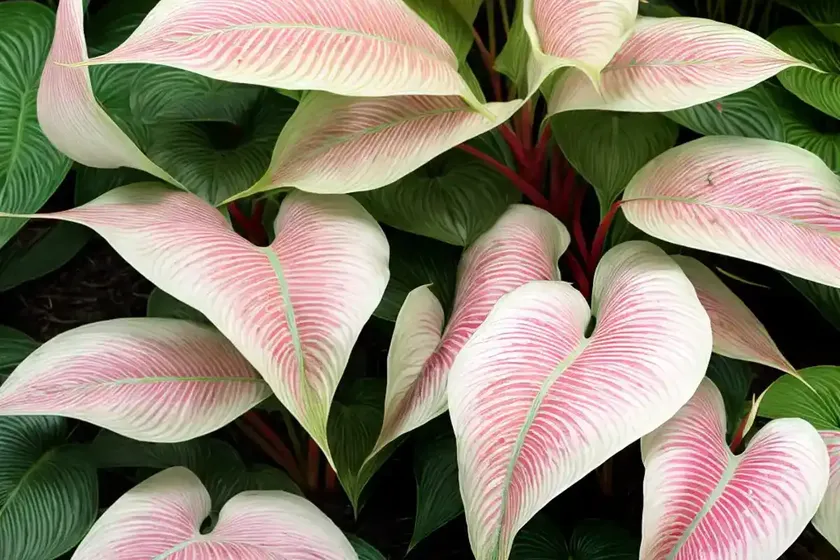
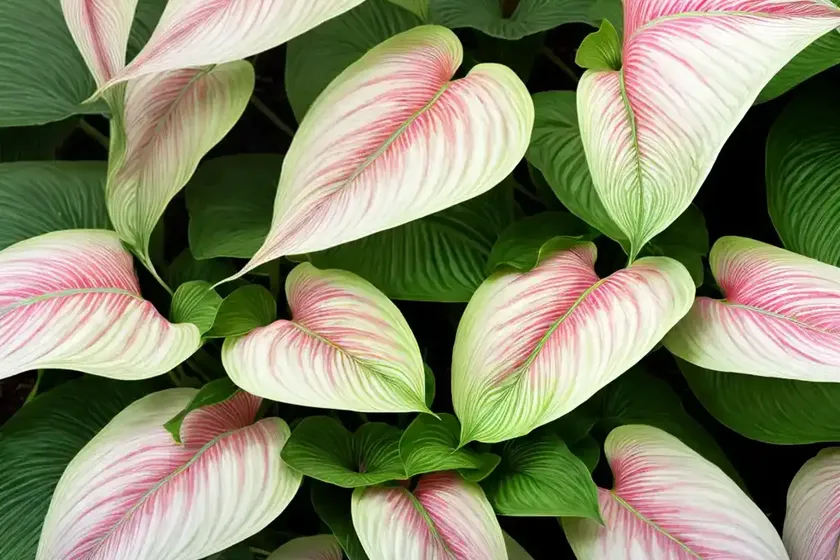
Caladium ‘Candidum’, commonly known as Angel Wings, is a stunning tropical plant that is prized for its large, heart-shaped leaves adorned with intricate.
Introduction
Caladium ‘Candidum’, commonly known as Angel Wings, is a stunning tropical plant that is prized for its large, heart-shaped leaves adorned with intricate patterns. This plant is a popular choice for both indoor and outdoor gardens, adding a touch of elegance and whimsy to any space. In this comprehensive plant care guide, we will delve into the characteristics, cultivation, and maintenance of Caladium ‘Candidum’, providing valuable insights for both novice and experienced gardeners.
What is Caladium ‘Candidum’ (Angel Wings)?
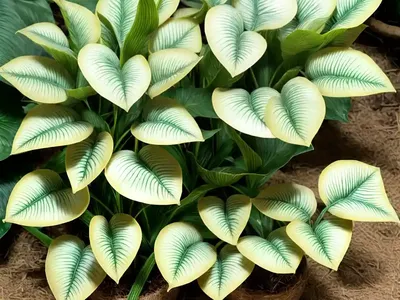
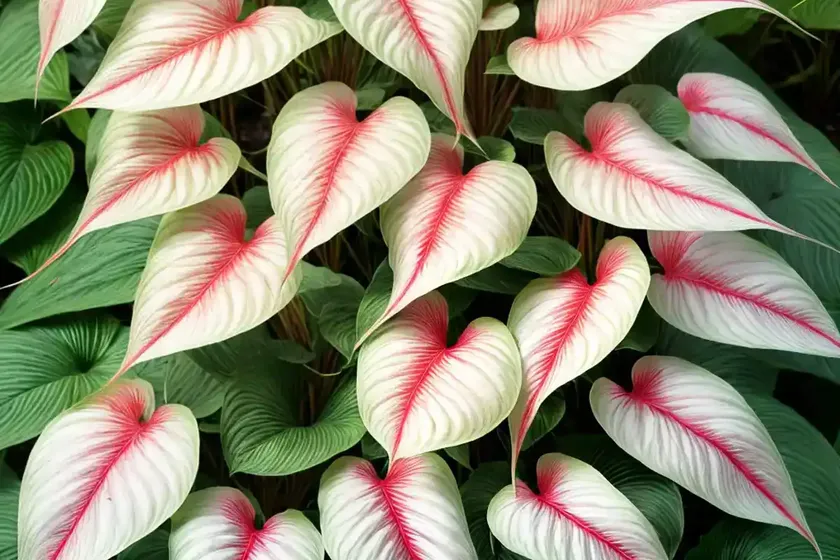
Caladium ‘Candidum’ is a cultivar of the Caladium genus, which belongs to the Araceae family. This striking plant is native to the tropical regions of South and Central America, where it thrives in warm and humid environments. The most notable feature of Caladium ‘Candidum’ is its large, arrowhead-shaped leaves that are adorned with vibrant patterns in shades of green, white, and pink, resembling the delicate wings of an angel. This cultivar is renowned for its ornamental value and is a popular choice for adding a pop of color to shady areas in gardens, landscapes, and indoor spaces.
Key Takeaways – Caladium ‘Candidum’ (Angel Wings)
Culture
- Common Names: Angel Wings, Heart of Jesus, Elephant Ear
- Botanical Name: Caladium ‘Candidum’
- Genus: Caladium
- Family: Araceae
- Origin: South and Central America
Uses
- Ornamental Plant: Valued for its decorative foliage and vibrant leaf patterns
- Indoor Plant: Popular choice for adding tropical flair to indoor spaces
- Landscape Plant: Adds a splash of color and texture to shaded areas in gardens and landscapes
Water
- Watering Needs: Requires consistently moist soil
- Watering Frequency: Water thoroughly when the top inch of soil feels dry
- Avoid Overwatering: Ensure good drainage to prevent waterlogging of the soil
Sunlight
- Light Requirements: Thrives in partial to full shade
- Avoid Direct Sun: Protect from direct sunlight, as it can scorch the leaves
- Ideal Locations: Well-suited for shaded garden beds, borders, and indoor spaces
Fertilizer
- Fertilization: Feed every 4-6 weeks during the growing season
- Use Balanced Fertilizer: Choose a balanced, water-soluble fertilizer
- Avoid Excessive Fertilization: Over-fertilization can lead to leaf burn and diminished plant health
Soil
- Soil Type: Well-draining, rich, and slightly acidic soil
- Ideal pH: Prefers soil with a pH of 5.5 to 6.2
- Organic Matter: Enrich soil with organic matter to improve moisture retention and nutrient availability
Pruning
- Pruning Needs: Regular removal of yellow or damaged leaves
- Promote Air Circulation: Trim overcrowded or unsightly foliage to enhance air circulation
- Sanitize Pruning Tools: Sterilize tools to prevent the spread of diseases
Propagation
- Propagation Methods: Division of tubers, stem cuttings
- Division: Divide tubers during the dormant season for new plant propagation
- Stem Cuttings: Root stem cuttings in moist potting mix for propagation
Container Popularity
- Container Gardening: Well-suited for containers and hanging baskets
- Indoor Decor: Adds a tropical touch to interior spaces
Common Diseases
- Leaf Spot: Caused by fungal pathogens, resulting in dark, water-soaked spots on leaves
- Preventive Measures: Maintain good air circulation and avoid overhead watering
- Fungicidal Treatment: Apply appropriate fungicides to control leaf spot infections
Disease Diagnosis
- Symptoms: Dark spots or blotches on leaves, yellowing, and wilting
- Leaf Inspection: Examination of the undersides and tops of leaves for signs of disease
- Consultation: Seek professional diagnosis and treatment if symptoms persist
Common Pests
- Spider Mites: Tiny arachnids that cause stippling and webbing on leaves
- Mealybugs: Small, white, cottony insects that cluster on leaf undersides
- Control Measures: Regular inspection, hosing, and application of insecticidal soaps or oils
Botanist’s Tips
- Temperature Sensitivity: Avoid exposure to temperatures below 60°F (15.5°C)
- Humidity Needs: Provide adequate humidity for optimal growth
- Winter Care: Protect from cold drafts and temperature fluctuations during the winter months
Fun Facts
- Colorful Varieties: Available in a wide array of color and pattern variations
- Historical Significance: Named after the famous plant explorer, Dr. Burton Baker Caladium
Links to External Resources
In-Depth Plant Care Guide
In this section, we will delve into the detailed care requirements and maintenance tips for successfully growing and nurturing Caladium ‘Candidum’ (Angel Wings).
Plant Name: Caladium ‘Candidum’ (Angel Wings)
Caladium ‘Candidum’ Care
Caladium ‘Candidum’ is a tropical plant known for its showy, heart-shaped leaves that are splashed with vibrant patterns. This cultivar requires specific care to thrive and showcase its stunning foliage to the fullest. The following key care tips will ensure the optimal growth and health of Caladium ‘Candidum’:
-
Light Requirements: Partial to full shade is ideal for Caladium ‘Candidum’. Avoid direct sunlight, as it can scorch the leaves and lead to diminished plant health. When selecting locations for planting or positioning containers, prioritize shaded areas that offer protection from intense sun exposure.
-
Watering Needs: Caladium ‘Candidum’ thrives in consistently moist soil. Water the plant thoroughly when the top inch of soil feels dry to the touch. However, be cautious of overwatering, as this can lead to root rot and other moisture-related issues. Ensure proper drainage in the soil to prevent waterlogging.
-
Fertilization: Regular feeding with a balanced, water-soluble fertilizer is essential for promoting robust growth and vibrant foliage. During the growing season, apply fertilizer every 4-6 weeks, following the manufacturer’s instructions for dilution and application rates. Avoid over-fertilization, as this can result in leaf burn and negatively impact the plant’s overall health.
-
Soil Requirements: Caladium ‘Candidum’ thrives in well-draining, nutrient-rich soil with a slightly acidic pH. A pH range of 5.5 to 6.2 is ideal for optimal growth. Enrich the soil with organic matter, such as compost or peat moss, to improve moisture retention and enhance nutrient availability for the plant.
-
Pruning: Regular pruning is essential for maintaining the health and appearance of Caladium ‘Candidum’. Remove yellow or damaged leaves to encourage new growth and promote air circulation around the plant. Sanitize pruning tools before and after use to prevent the spread of diseases.
-
Propagation: Caladium ‘Candidum’ can be propagated through division of tubers and stem cuttings. Dividing tubers during the dormant season provides an opportunity for new plant propagation. Rooting stem cuttings in moist potting mix is another effective propagation method for expanding your Caladium ‘Candidum’ collection.
-
Container Gardening: Caladium ‘Candidum’ is well-suited for container gardening, making it an excellent choice for adding tropical flair to indoor and outdoor spaces. Select containers with adequate drainage holes and use well-draining potting mix tailored for tropical plants to ensure optimal growing conditions.
-
Temperature and Humidity: Caladium ‘Candidum’ thrives in warm, humid environments and is sensitive to temperatures below 60°F (15.5°C). Provide adequate humidity for the plant, especially during the winter months, and protect it from cold drafts and temperature fluctuations.
-
Disease and Pest Management: Keep a close eye on the plant for signs of common diseases, such as leaf spot, and utilize preventive measures to maintain plant health. Regularly inspect for common pests like spider mites and mealybugs, and implement control measures to mitigate infestations.
-
Winter Care: During the winter months, provide additional care to protect Caladium ‘Candidum’ from cold drafts and adverse temperature conditions. Ensuring a stable and suitable environment will help the plant thrive and maintain its ornamental value.
Angel Wings Plant Characteristics
Caladium ‘Candidum’ exhibits a range of distinctive characteristics that contribute to its allure and desirability for both indoor and outdoor settings. Understanding these traits will aid in effectively cultivating and appreciating the beauty of this tropical plant variety.
-
Leaf Patterns: The leaves of Caladium ‘Candidum’ are characterized by intricate patterns and variegation in shades of green, white, and pink. The striking leaf patterns resemble the delicate wings of an angel, giving the plant its common name, Angel Wings.
-
Color Variations: This cultivar is available in a diverse array of color variations and patterns, offering an extensive selection for gardeners and plant enthusiasts. From bold and vibrant hues to subtle and delicate tones, the color diversity of Caladium ‘Candidum’ adds a captivating visual dimension to any garden or indoor space.
-
Ornamental Value: Caladium ‘Candidum’ is valued for its ornamental foliage, which adds a touch of elegance and tropical charm to any environment. The dramatic size and shape of the leaves, combined with their intricate patterns, make this plant a stunning focal point in gardens, landscapes, and interior decor.
-
Historical Significance: Named after Dr. Burton Baker Caladium, a renowned plant explorer, Caladium ‘Candidum’ carries a historical legacy that adds to its allure and appeal. The plant’s historical significance contributes to its cultural and botanical significance, making it a cherished addition to diverse garden settings.
Angel Wings Plant Care Tips
Caring for Caladium ‘Candidum’ (Angel Wings) requires attention to specific details and the implementation of best practices to ensure the plant’s optimal growth and visual appeal. The following care tips offer valuable guidance for nurturing and maintaining the health and beauty of Caladium ‘Candidum’:
-
Light Preferences: Provide partial to full shade for Caladium ‘Candidum’ to protect the exquisite foliage from direct sunlight. Shaded locations with filtered light are ideal for promoting vibrant leaf patterns and preventing sun damage.
-
Water Requirements: Keep the soil consistently moist, but avoid overwatering to prevent waterlogged conditions that can lead to root rot. Thoroughly water the plant when the top inch of the soil feels dry, and ensure proper drainage to maintain optimal soil moisture levels.
-
Soil pH: Maintain a slightly acidic soil pH ranging from 5.5 to 6.2 for Caladium ‘Candidum’. Testing the soil pH and amending it as needed will create an ideal growing environment for the plant, enhancing its nutrient uptake and overall vitality.
-
Fertilization Schedule: Feed Caladium ‘Candidum’ with a balanced, water-soluble fertilizer every 4-6 weeks during the growing season to support robust growth and vibrant foliage. Avoid excessive fertilization, as it can lead to leaf burn and compromise the plant’s health.
-
Pruning and Maintenance: Regularly inspect the plant for yellow or damaged leaves and promptly remove them to maintain the plant’s appearance and encourage new growth. Additionally, sanitize pruning tools to prevent the spread of diseases when performing maintenance tasks.
-
Propagation Methods: Explore the propagation methods of division and stem cuttings to expand your Caladium ‘Candidum’ collection and share the beauty of this tropical plant with fellow gardening enthusiasts. Follow proper techniques and conditions for successful propagation.
-
Container Gardening Tips: When cultivating Caladium ‘Candidum’ in containers, prioritize well-draining pots and use specialized potting mix tailored for tropical plants. Ensure proper drainage to prevent waterlogging, and position the containers in shaded areas for optimal growth.
-
Disease Prevention: Implement preventive measures, such as maintaining good air circulation and avoiding overwatering, to minimize the risk of common diseases like leaf spot. Regular inspection and prompt intervention will help preserve the plant’s health and vitality.
-
Pest Control: Stay vigilant for signs of common pests like spider mites and mealybugs, and promptly address infestations through measures such as hosing and the application of insecticidal soaps or oils. Regular monitoring is key to preventing pest-related damage.
-
Winter Care Considerations: During the winter months, provide additional care to safeguard Caladium ‘Candidum’ from cold drafts and unfavorable temperature conditions. Maintaining a stable and suitable environment will support the plant’s well-being during the colder season.
Angel Wings Plant Information
For enthusiasts and gardeners seeking comprehensive information on Caladium ‘Candidum’ (Angel Wings), exploring the following details will aid in gaining a deeper understanding of the plant’s characteristics, care requirements, and ornamental value.
-
Growing Season: Caladium ‘Candidum’ exhibits active growth during the warmer months, with the spring and summer seasons serving as the primary growing period. Providing favorable conditions during this time will support robust foliage development and overall plant vigor.
-
Indoor Care: The tropical nature of Caladium ‘Candidum’ makes it a well-suited choice for indoor cultivation. When grown as a houseplant, prioritize suitable light conditions and humidity levels to create an optimal growing environment within interior spaces.
-
Outdoor Care: When cultivating Caladium ‘Candidum’ in outdoor settings, pay attention to the plant’s light preferences, soil moisture levels, and protection from direct sunlight. Well-planned care measures will ensure the success of the plant in garden beds, borders, and containers.
-
Companion Plants: Explore suitable companion plants that complement the ornamental value of Caladium ‘Candidum’ and create visually appealing combinations. Integrating compatible plants can enhance the overall aesthetics of garden beds and landscape designs.
-
Leaf Patterns and Color Variations: The diverse leaf patterns and color variations available in Caladium ‘Candidum’ make it a visually captivating plant with an extensive range of options to choose from. Embrace the variety and uniqueness of these patterns to create stunning visual displays.
-
Seasonal Changes: Caladium ‘Candidum’ may exhibit seasonal changes in growth and foliage appearance, necessitating adjustments in care practices to accommodate the plant’s evolving needs. Adapting care routines to seasonal variations will promote ongoing health and vitality.
-
Sun Tolerance: While Caladium ‘Candidum’ thrives in partial to full shade, understanding its level of sun tolerance will aid in selecting suitable planting locations and positioning the plant in areas that offer the right balance of light and shade for optimal growth.
-
Leaf Maintenance: Practicing regular leaf maintenance, such as pruning and removal of damaged foliage, is vital for preserving the plant’s visual appeal and promoting new growth. Maintaining pristine leaves enhances the overall aesthetic value of Caladium ‘Candidum’.
-
Ornamental Value: Appreciate the ornamental value of Caladium ‘Candidum’ as a striking and visually captivating plant variety that adds a touch of elegance and tropical charm to gardens, landscapes, and interior spaces. Embrace its beauty and aesthetic contributions to diverse settings.
External Resources
To complement the comprehensive guidance and insights provided in this plant care guide, the following external resources offer valuable information on Caladium ‘Candidum’ (Angel Wings) for further exploration and learning:
Incorporating information from trusted external resources will enrich your knowledge and understanding of Caladium ‘Candidum’, supporting your efforts to cultivate and appreciate this beautiful tropical plant variety.
Conclusion
Caladium ‘Candidum’ (Angel Wings) stands out as a captivating tropical plant with its striking foliage, vibrant patterns, and ornamental allure. By adhering to the comprehensive plant care guide presented here, you can successfully cultivate and maintain the health and beauty of Caladium ‘Candidum’, whether as an indoor houseplant or a charming addition to outdoor garden spaces. Embrace the unique characteristics and cultural significance of this plant as you embark on an enriching journey of exploring its diverse varieties, nurturing its growth, and reveling in its visual splendor.
Through meticulous attention to care details, proactive disease and pest management, and a deep appreciation for the ornamental value of Caladium ‘Candidum’, you can create stunning visual displays and elevate the ambiance of your surroundings with the exquisite presence of Angel Wings. As you immerse yourself in the world of Caladium ‘Candidum’, may the joy of nurturing and celebrating this tropical gem enrich your gardening endeavors and botanical appreciation.
Remember, the inherent beauty and elegance of Caladium ‘Candidum’ (Angel Wings) reflect the artistry of nature and the timeless appeal of tropical flora, serving as a delightful testament to the wondrous diversity and enchanting allure of plant life. With this plant care guide as your companion, embark on a rewarding journey of cultivating, caring for, and relishing the captivating splendor of Caladium ‘Candidum’ in your own green spaces and cherished botanical havens.