Calabash (Crescentia Cujete)
Calabash (Crescentia Cujete) is a fascinating and versatile plant with a rich cultural history and a wide range of uses. In this comprehensive guide, we.
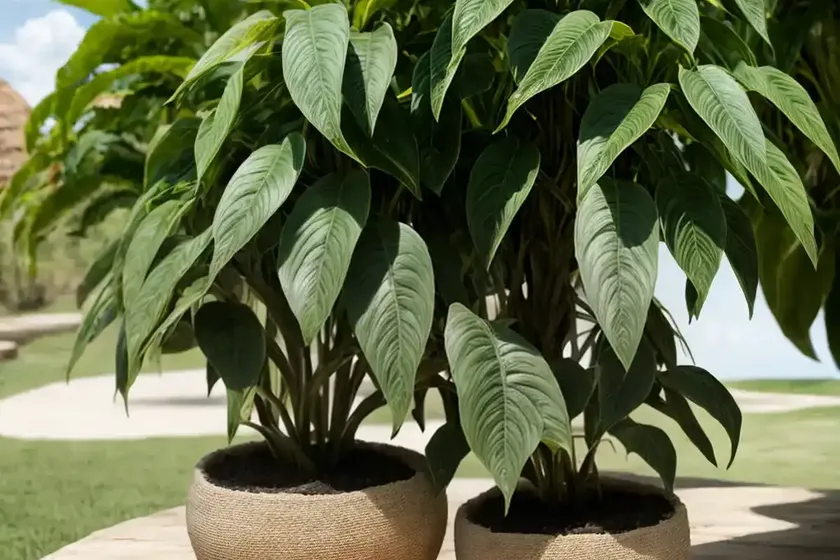
Introduction to Calabash (Crescentia Cujete)
Calabash (Crescentia Cujete) is a fascinating and versatile plant with a rich cultural history and a wide range of uses. In this comprehensive guide, we will delve into the various aspects of this remarkable plant, from its cultural significance to its growth requirements, uses, and maintenance.
What is Calabash (Crescentia Cujete)?
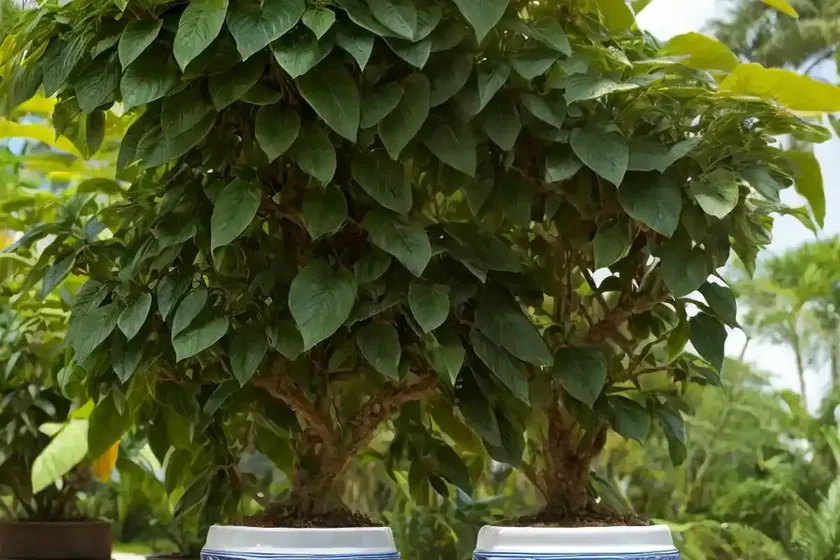
Calabash, scientifically known as Crescentia Cujete, is a species of flowering plant that belongs to the family Bignoniaceae. In its natural habitat, this plant is native to the American tropics, including Southern Florida, the Caribbean, Central America, and South America. Calabash is a relatively small tree that typically reaches a height of about 8 to 10 meters.
The plant is known for its distinctive, large, and spherical fruits, which have a hard, woody shell. These fruits have been traditionally used for various purposes, including container making, musical instruments, and even culinary dishes. In addition to its practical uses, the Calabash tree holds cultural and symbolic significance in many societies.
Key Takeaways – Calabash (Crescentia Cujete)
Culture
- Calabash has a rich cultural history, with various indigenous communities utilizing the plant for its fruits, wood, and symbolic significance in rituals and traditions.
Uses
- The plant is versatile and has been used in numerous ways, including as containers, musical instruments, food, and artistic crafts.
Water
- Calabash plants require regular watering, especially during the dry seasons, to maintain healthy growth and fruit production.
Sunlight
- These plants thrive in full sunlight and require at least 6-8 hours of direct sunlight daily.
Fertilizer
- Fertilization is essential for optimal growth and fruit production, with a balanced fertilizer applied during the growing season.
Soil
- Well-draining soil with organic material is suitable for Calabash plants, which aids in root development and overall plant health.
Pruning
- Regular pruning is necessary to maintain the plant’s shape and remove dead or diseased branches, promoting overall vigor.
Propagation
- Calabash plants can be propagated from seeds or stem cuttings, offering avenues for expanding their cultivation.
Container Popularity
- Calabash plants are increasingly popular as ornamental container plants for indoor and outdoor settings.
Common Diseases
- Various diseases, including fungal and bacterial infections, can affect Calabash plants, necessitating proper diagnosis and treatment.
Common Pests
- Pest infestations, such as aphids and scale insects, can pose challenges to the health of Calabash plants and may require control measures.
Botanist’s Tips
- Professional insights and tips from botanists on cultivating and caring for Calabash plants to ensure successful growth and productivity.
Fun Facts
- Fascinating and lesser-known facts about Calabash plants, shedding light on their unique attributes and historical significance.
Crescentia Cujete Care: Detailed Insights
Water Requirements
Adequate water is crucial for the healthy growth and fruit development of Calabash plants. These plants thrive in moist but well-drained soil. During the growing season, it’s important to ensure that the plants receive regular and consistent watering. In regions with distinct dry seasons, supplemental irrigation may be necessary to maintain optimal soil moisture levels.
Sunlight Needs
Calabash plants are sun-loving and thrive in full sunlight. They require at least 6 to 8 hours of direct sunlight daily to promote robust growth and fruit production. When selecting a planting location, it’s essential to choose a spot that receives abundant sunlight throughout the day.
Fertilization Guidelines
To support the growth and fruiting of Calabash plants, it’s recommended to apply a balanced, all-purpose fertilizer during the growing season. Fertilization should be carried out according to the manufacturer’s instructions, and it’s advisable to avoid over-fertilization, which can lead to excessive foliage growth at the expense of fruit production.
Soil Preferences
Calabash plants thrive in well-draining soil that is rich in organic matter. A soil mix that retains moisture while allowing excess water to drain effectively is ideal. Additionally, the soil should have a slightly acidic to neutral pH range for optimal nutrient uptake.
Pruning Techniques
Regular pruning is essential to maintain the shape and structure of Calabash plants. Pruning involves removing dead, diseased, or overcrowded branches and promoting overall plant vigor. It can also help to manage the size of the plant in both indoor and outdoor settings.
Propagation Methods
Calabash plants can be propagated from seeds or stem cuttings. Seeds should be collected from ripe fruits and sown in well-draining seed-starting mix. Stem cuttings can be taken from healthy, mature plants and rooted in a suitable propagation medium. Both methods offer opportunities for expanding the cultivation of these plants.
Container Gardening
Calabash plants are increasingly popular as container specimens, both indoors and outdoors. When growing Calabash in containers, selecting a pot with adequate drainage holes is crucial to prevent waterlogging. Container-grown plants may require more frequent watering and fertilization compared to their counterparts in the ground.
Common Diseases and Pest Management
Calabash plants are susceptible to various diseases, including fungal infections such as powdery mildew and leaf spot diseases. Proper cultural practices, such as avoiding overhead watering and providing good air circulation, can help prevent these issues. In addition, pest infestations by aphids, scales, and mites may occur, necessitating appropriate pest control measures.
Crescentia Cujete: Prominent Uses and Cultural Significance
Culinary Applications
In certain cultures, the fruits of Calabash plants are used in culinary preparations. They can be utilized to make traditional dishes, including beverages and soups. The hard, woody shells of the fruits are also employed as natural bowls or containers for serving food.
Craftsmanship and Artistry
The wood of the Calabash tree has been historically used to create a wide range of artistic and functional crafts. From intricately carved utensils to decorative household items, the versatile nature of Calabash wood has made it a popular choice for artisans and craftspeople.
Symbolism and Spiritual Significance
Calabash plants hold symbolic and spiritual significance in many societies. The fruits are often associated with abundance, protection, and blessings. In various traditions, Calabash containers are used in rituals, ceremonies, and as vessels for offerings.
Medicinal and Folk Uses
Traditional medicine systems may utilize different parts of the Calabash plant for their purported medicinal properties. This includes the use of the fruit pulp, leaves, and bark for a variety of health-related purposes. Additionally, the plant has been integrated into folklore and traditional practices in diverse cultural contexts.
Environmental Benefits
Beyond its cultural and practical uses, Calabash plants offer environmental benefits as well. As a native species in certain regions, they contribute to the biodiversity of local ecosystems. Furthermore, their fruits and leaves may serve as a food source for wildlife, adding to the ecological value of the plant.
Specialty Varieties and Landscape Usage
Distinctive Varieties
While Crescentia Cujete is the primary species associated with the Calabash plant, there are also other related species within the Crescentia genus that exhibit similar attributes. These species may vary in fruit size, shape, or other characteristics, offering unique options for cultivation.
Landscape Design Ideas
Calabash plants can be incorporated into landscape designs to add visual interest and unique elements to outdoor spaces. Their distinctive, spherical fruits and lush foliage can serve as focal points or accents in gardens, providing an exotic and tropical ambiance.
Container Gardening and Indoor Décor
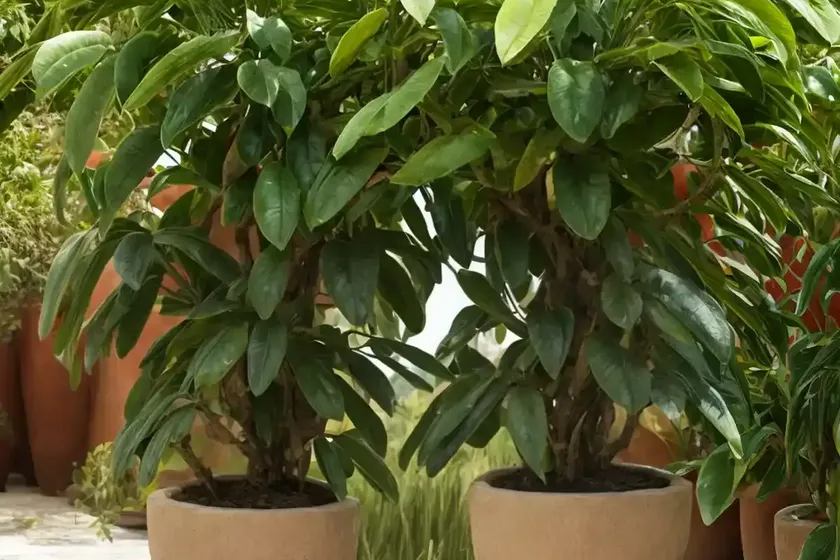
The ornamental appeal of Calabash plants makes them well-suited for container gardening, whether placed in patios, balconies, or indoor settings. Their glossy foliage and intriguing fruits add an element of natural beauty to interior spaces, enhancing the visual appeal of home and office environments.
In conclusion, the Calabash (Crescentia Cujete) is a plant of immense cultural, practical, and botanical significance. From its traditional uses to its vibrant presence in contemporary landscapes, this versatile plant continues to captivate individuals with its beauty and utility.
For those interested in further exploring the world of Calabash plants, a deeper understanding of their care, cultural significance, and diverse uses can provide a rich and rewarding journey into the realm of botany and horticulture.
References: Provide Real Links in references.