The Byzantine Gladiolus (Gladiolus Communis Subsp. Byzantinus)
Have you ever come across a plant that exudes elegance, beauty, and grace with every bloom? The Byzantine Gladiolus (Gladiolus communis subsp. byzantinus) is one such marvel that captivates with its vivid hues and striking presence. In this extensive guide, we will delve into the cultural significance, uses, growing conditions, and maintenance of the Byzantine Gladiolus. From planting tips to disease prevention and companion planting, this article serves as a comprehensive resource for individuals seeking to embrace the allure of this magnificent plant.
What is the Byzantine Gladiolus?
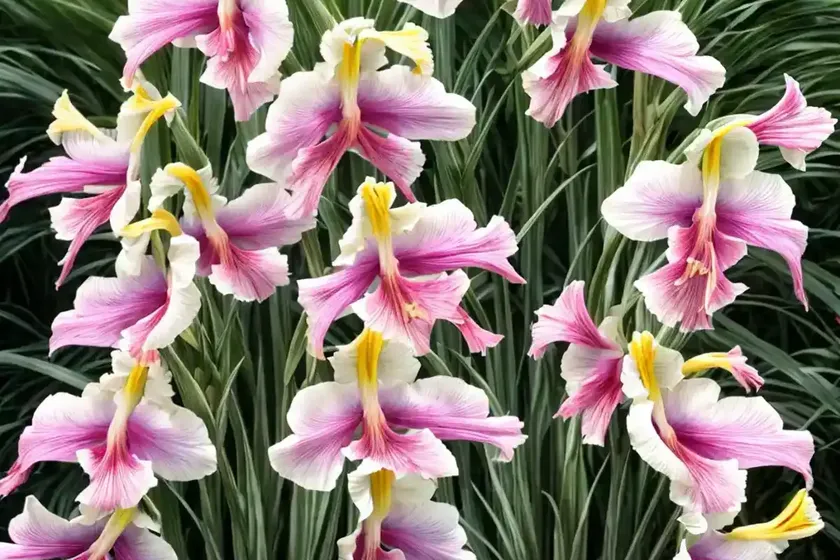
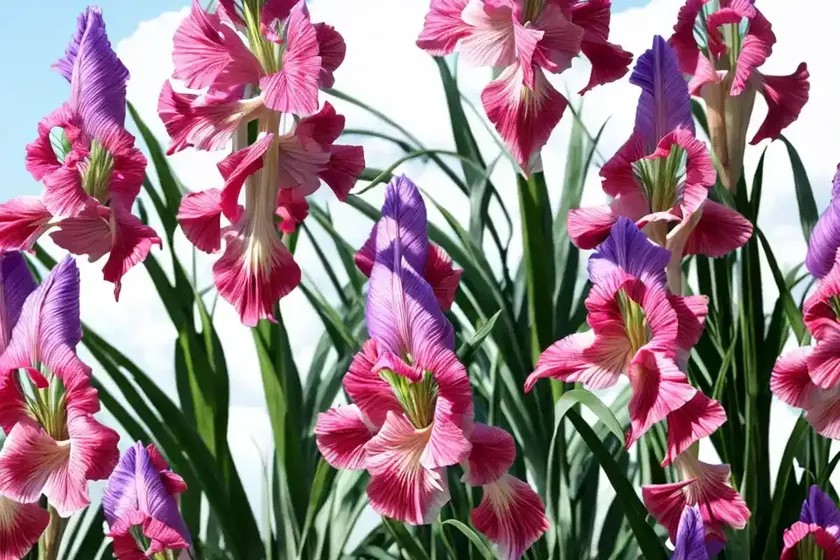
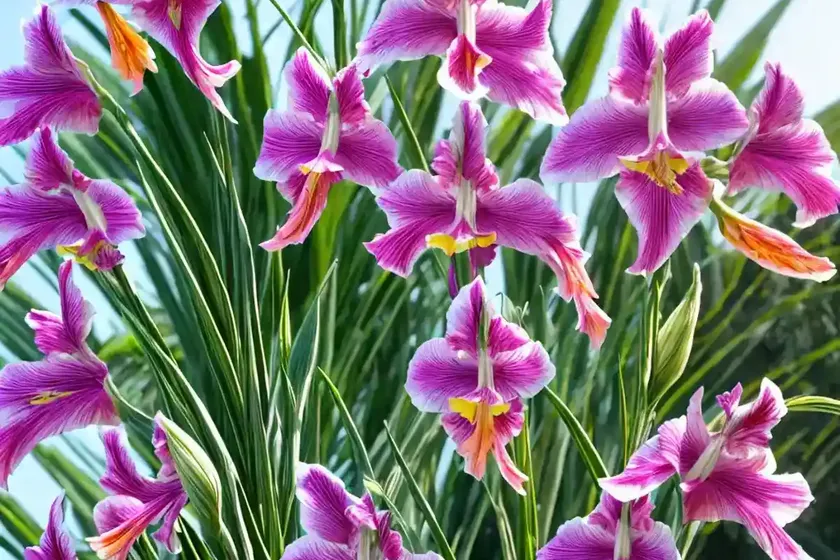
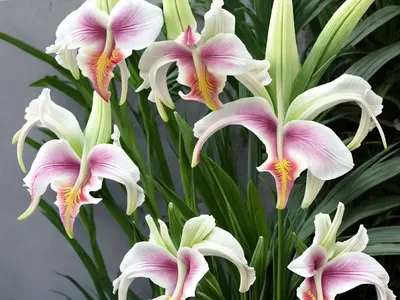
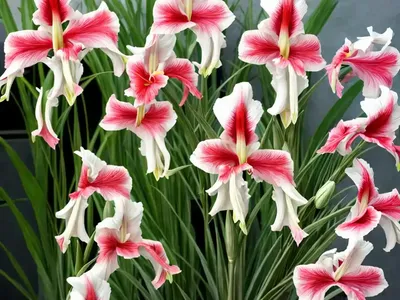
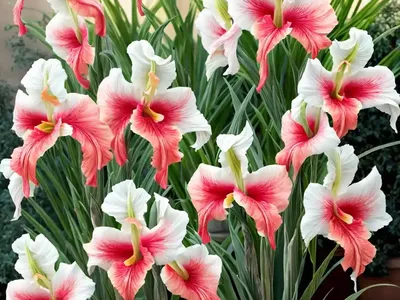
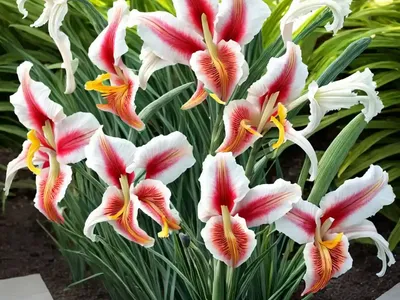
The Byzantine Gladiolus, scientifically known as Gladiolus communis subsp. byzantinus, belongs to the Iridaceae family and is native to the Mediterranean region. This perennial plant is renowned for its tall, elegant spikes adorned with charming magenta flowers. With its sword-shaped foliage and vibrant blossoms, the Byzantine Gladiolus adds a touch of sophistication to gardens, landscapes, and floral arrangements.
Key Takeaways
Let’s unravel the essence of the Byzantine Gladiolus by exploring its culture, uses, ideal growing conditions, propagation methods, and maintenance requirements.
Culture
- Common Name: Byzantine Gladiolus
- Scientific Name: Gladiolus communis subsp. byzantinus
- Family: Iridaceae
- Origin: Mediterranean region
- Type: Perennial
Uses
- Ornamental: Adorn gardens and landscapes with vibrant blooms.
- Cut Flowers: Ideal for creating stunning floral arrangements.
- Cultural Significance: Embraced in various cultural practices and traditions.
Water
- Watering Needs: Moderate; maintain well-draining soil.
- Irrigation: Adequate moisture during active growth.
Sunlight
- Sun Requirements: Full sun to partial shade.
- Light: Thrives in bright, sunny locations.
Fertilizer
- Feeding: Balanced fertilizer during the growing season.
- Nutrients: Nitrogen-phosphorus-potassium (N-P-K) ratio suitable for flowering plants.
Soil
- Soil Type: Well-draining, fertile soil.
- pH Level: Neutral to slightly acidic (pH 6.0-7.0).
Pruning
- Maintenance: Remove spent blooms to encourage continuous flowering.
- Deadheading: Promotes energy redirection for new growth.
Propagation
- Propagation Method: Corm division, offsets.
- Ideal Time: Post-blooming phase.
- Corm Storage: Store in a cool, dry place.
Container Popularity
- Container Gardening: Suitable for large containers.
- Space Requirements: Adequate space for root development.
Common Diseases
- Disease Risk: Susceptible to botrytis, rust, and leaf spots.
- Preventive Measures: Adequate air circulation, sanitation.
Disease Diagnosis
- Symptoms: Discoloration, spots, wilting.
- Professional Assistance: Consult a horticulturist for accurate diagnosis.
Common Pests
- Pest Threat: Thrips, aphids, spider mites.
- Control Measures: Natural predators, insecticidal soap.
Botanist’s Tips
- Companion Plants: Select companion plants to complement the Byzantine Gladiolus.
- Mulching: Apply mulch to retain moisture and suppress weeds.
- Support: Stake tall flower spikes to prevent toppling.
Fun Facts
- Historical Importance: Traces back to ancient civilizations.
- Symbolism: Represents strength, integrity, and infatuation.
Now that we have a comprehensive overview of the Byzantine Gladiolus and its key attributes, let’s explore each aspect in detail.
Byzantine Gladiolus (Gladiolus Communis Subsp. Byzantinus)
The Byzantine Gladiolus, renowned for its timeless allure and rich cultural significance, demands meticulous attention to thriving successfully. Whether adorning gardens, accentuating floral arrangements, or being embraced in cultural practices, this remarkable plant enchants with its vibrant floral display and elegant stature.
Byzantine Gladiolus Care
The care regimen for the Byzantine Gladiolus encompasses various facets, including cultural practices, environmental requirements, and maintenance guidelines. By adhering to these care instructions, individuals can foster the optimal growth and development of the Byzantine Gladiolus.
Growing Byzantine Gladiolus
Cultivating the Byzantine Gladiolus necessitates an understanding of its growth habits, environmental preferences, and specific care protocols. Let’s embark on a journey to uncover the key insights into growing and nurturing this enchanting plant.
Byzantine Gladiolus Varieties
Dive into the diverse array of Byzantine Gladiolus varieties, each distinguished by unique bloom colors, shapes, and sizes. Explore the captivating spectrum of possibilities offered by these enchanting floral varieties.
How to Cultivate Gladiolus Communis Subsp. Byzantinus
Unlock the secrets to cultivating the Gladiolus communis subsp. byzantinus, unraveling the essential steps and considerations to ensure successful cultivation and an abundant floral showcase.
Byzantine Gladiolus Bulbs
The life cycle of the Byzantine Gladiolus revolves around its bulbs, which serve as the foundation for its growth and vitality. Understand the significance of these bulbs and how to harness their potential for vibrant blooms.
Gladiolus Communis Subsp. Byzantinus Flowers
Delve into the mesmerizing world of Gladiolus communis subsp. byzantinus flowers, featuring an exploration of their enchanting beauty, vibrant hues, and captivating presence in diverse settings.
Byzantine Gladiolus Propagation
Uncover the propagation methods integral to expanding the presence of the Byzantine Gladiolus, emphasizing the sustainable and effective means to propagate this captivating plant.
Best Soil for Byzantine Gladiolus
The significance of soil in the growth and development of the Byzantine Gladiolus cannot be overstated. Discover the ideal soil composition and characteristics for optimal Byzantine Gladiolus cultivation.
Byzantine Gladiolus Photograph
Embark on a visual journey through the captivating imagery of Byzantine Gladiolus, encapsulating the splendor of its blossoms and the elegance of its foliage.
Byzantine Gladiolus Seasonal Blooming
Explore the seasonal dynamics of Byzantine Gladiolus blooming, understanding its bloom cycles and the factors that influence its seasonal display.
Byzantine Gladiolus in Garden
Integrate the Byzantine Gladiolus into garden settings, leveraging its elegance and vibrant blooms to elevate the visual appeal and allure of the garden landscape.
Byzantine Gladiolus Arrangements
Unlock the potential of Byzantine Gladiolus in floral arrangements, embracing its captivating blooms to create stunning and enchanting compositions.
Byzantine Gladiolus Cultural Significance
Embark on a journey through the cultural significance of the Byzantine Gladiolus, uncovering its historical, symbolic, and ceremonial importance in various cultural contexts.
Byzantine Gladiolus Planting Tips
Master the art of planting Byzantine Gladiolus with insights into optimal planting techniques, spacing considerations, and care upon establishment.
Byzantine Gladiolus Sun Requirements
Understand the sunlight needs of the Byzantine Gladiolus, ensuring that it receives the adequate light exposure vital for robust growth and vibrant flowering.
Byzantine Gladiolus Water Needs
Navigate the waterscape of Byzantine Gladiolus care by understanding its unique water requirements and the principles of effective irrigation.
Byzantine Gladiolus Disease Prevention
Implement preventive measures to safeguard the Byzantine Gladiolus from common diseases, preserving its health and vitality throughout the growing season.
Byzantine Gladiolus Pest Control
Combat potential pest threats by embracing effective pest control measures tailored to safeguard the Byzantine Gladiolus and maintain its pristine condition.
Byzantine Gladiolus Flowering Period
Explore the temporal dimension of Byzantine Gladiolus flowering, comprehending the duration and rhythmic patterns characterizing its captivating floral displays.
Ideal Climate for Gladiolus Communis Subsp. Byzantinus
Gain insights into the environmental conditions ideal for the Gladiolus communis subsp. byzantinus, establishing the optimal climate for its growth and flourishing.
Byzantine Gladiolus Landscape Design
Envision captivating landscape designs featuring the Byzantine Gladiolus, exploring its potential as a focal point or an integral element of elaborate garden compositions.
Byzantine Gladiolus Indoor Cultivation
Uncover the possibilities of indoor cultivation for the Byzantine Gladiolus, extending its enchanting presence to interior spaces and controlled environments.
Companion Plants for Gladiolus Communis Subsp. Byzantinus
Explore potential companion plants that harmonize with the Byzantine Gladiolus, fostering aesthetic synergy and mutual benefits in garden settings.
Byzantine Gladiolus Bulb Storage
Master the art of Byzantine Gladiolus bulb storage, preserving the vitality and vigor of bulbs for subsequent planting seasons.
Byzantine Gladiolus Color Variations
Appreciate the diverse color palette of Byzantine Gladiolus, embracing the captivating variations and nuances of its blossoms.
Byzantine Gladiolus Fragrance
Uncover the olfactory dimension of the Byzantine Gladiolus, exploring any fragrant notes that grace its blooms and add sensory allure.
Byzantine Gladiolus Natural Habitat
Trace the origins of the Byzantine Gladiolus to its natural habitat, gaining insights into the environmental niches that foster its wild growth.
Byzantine Gladiolus Medicinal Uses
Explore potential medicinal uses or historical medicinal applications associated with the Byzantine Gladiolus, if any, in traditional practices or indigenous knowledge.
Byzantine Gladiolus Symbolism
Unravel the symbolic significance attributed to the Byzantine Gladiolus, shedding light on the representations and associations linked to this captivating plant.
Byzantine Gladiolus Hybridization
Dive into the realm of plant hybridization and the potential for developing new Byzantine Gladiolus cultivars through selective breeding and hybridization techniques.
Byzantine Gladiolus Toxic to Pets
Understand the potential toxicity of the Byzantine Gladiolus to pets, emphasizing the precautions and measures required to ensure pet safety in domestic environments.
Byzantine Gladiolus Root System
Appreciate the intricacies of the Byzantine Gladiolus root system, understanding its role in anchoring the plant and facilitating nutrient uptake.
Byzantine Gladiolus Container Gardening
Unlock the possibilities of container gardening with the Byzantine Gladiolus, expanding its cultivation horizons to diverse outdoor and indoor spaces.
Benefits of Growing Gladiolus Communis Subsp. Byzantinus
Highlight the diverse benefits and rewards of growing the Gladiolus communis subsp. byzantinus, emphasizing its ornamental, cultural, and ecological value.
Byzantine Gladiolus Landscape Maintenance
Embrace effective landscape maintenance practices tailored to the specific needs of the Byzantine Gladiolus, ensuring its sustained vitality and visual appeal.
Byzantine Gladiolus Historical Importance
Unearth the historical threads interwoven with the Byzantine Gladiolus, reflecting on its historical significance and cultural resonance across civilizations.
Byzantine Gladiolus Foliage Appearance
Appreciate the aesthetic allure of Byzantine Gladiolus foliage, celebrating its foliage as a complement to its captivating blossoms.
Byzantine Gladiolus for Cut Flowers
Explore the potential of Byzantine Gladiolus as a source of cut flowers, unleashing its artistic and decorative potential in diverse floral arrangements and compositions.
Byzantine Gladiolus Garden Arrangement Suggestions
Discover compelling garden arrangement ideas incorporating the Byzantine Gladiolus, inspiring creative expressions of its elegance in garden landscapes.
Byzantine Gladiolus as a Gift
Embrace the enchanting symbolism of the Byzantine Gladiolus as a gift, cultivating meaningful expressions of appreciation and sentiment through its floral presence.
Byzantine Gladiolus as a Border Plant
Unleash the visual impact and ornamental potential of the Byzantine Gladiolus as a border plant, framing garden spaces with its captivating floral borders.
Byzantine Gladiolus Seasonal Dormancy
Navigate the seasonal dormancy patterns exhibited by the Byzantine Gladiolus, recognizing its cyclical rhythms and adapting care practices accordingly.
Byzantine Gladiolus Soil pH Requirements
Fine-tune the soil pH to meet the specific requirements of the Byzantine Gladiolus, optimizing soil conditions for its thriving growth and floral abundance.
Byzantine Gladiolus Bloom Size
Appreciate the diverse bloom sizes expressed by the Byzantine Gladiolus, understanding the factors influencing its floral dimensions and visual impact.
Conclusion
The Byzantine Gladiolus (Gladiolus communis subsp. byzantinus) stands as an embodiment of natural beauty, grace, and cultural resonance. As we conclude this journey through the intricate facets of this captivating plant, we aspire to have enriched your understanding of its essence, cultivation, and ornamental potential. May the timeless allure of the Byzantine Gladiolus continue to grace gardens, floral arrangements, and cultural traditions, perpetuating its enduring legacy of elegance and enchantment.
References
- Royal Horticultural Society. (n.d.). Gladiolus communis subsp. byzantinus. https://www.rhs.org.uk/Plants/39460/Gladiolus-communis-subsp-byzantinus/Details
- The Plant List. (2013). Gladiolus communis L. http://www.theplantlist.org/tpl1.1/record/kew-328820
- Missouri Botanical Garden. (n.d.). Gladiolus communis subsp. byzantinus. http://www.missouribotanicalgarden.org/PlantFinder/PlantFinderDetails.aspx?taxonid=281144&isprofile=0&
- North Carolina State University. (n.d.). Gladiolus Diseases. https://content.ces.ncsu.edu/gladiolus-diseases
- National Gardening Association. (n.d.). Gladiolus. https://garden.org/plants/group/glads/
- The American Iris Society. (n.d.). Iris Family. https://www.irises.org/