Butterfly-bush (Buddleia Davidii) – A Complete Guide
As a plant scientist, I have encountered numerous fascinating species over the years. One plant that never fails to captivate my attention is the Butterfly-bush, scientifically known as Buddleia Davidii. This beautiful and versatile plant holds great significance in horticulture, ecological conservation, and landscaping. In this extensive guide, we will delve into the in-depth details of the Butterfly-bush, from its botany to its cultural requirements, uses, and propagation techniques.
What is Butterfly-bush (Buddleia Davidii)?
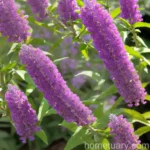
Butterfly-bush, or Buddleia Davidii, is a deciduous shrub native to China and Japan. It belongs to the family Scrophulariaceae and is renowned for its cascades of colorful, nectar-rich flower spikes. The plant derives its common name, “Butterfly-bush,” from its ability to attract a myriad of butterfly species with its abundant nectar supply.
This fast-growing shrub typically reaches a height of 6 to 12 feet, with a spread of 4 to 15 feet, depending on the variety. The elongated, lance-shaped leaves are gray-green and covered with fine hairs on the undersides, giving them a silvery appearance. One of the most captivating features of the Butterfly-bush is the diverse array of flower colors it produces, ranging from vibrant shades of purple, pink, and white to deeper hues of red and blue.
Key Takeaways – Butterfly-bush (Buddleia Davidii)
Before delving into the specifics of Buddleia Davidii care and cultivation, let’s explore the key takeaways associated with this remarkable plant:
Butterfly-bush Varieties
- Butterfly-bush varieties encompass a spectrum of flower colors, growth habits, and sizes, catering to diverse landscaping needs and design preferences.
Buddleia Davidii Plant Care
- Understanding the cultural requirements of Buddleia Davidii is essential for ensuring its optimal growth and prolific flowering.
Butterfly-bush Pruning Tips
- Pruning plays a pivotal role in shaping the growth pattern, promoting flowering, and maintaining the health of Butterfly-bush.
Propagating Buddleia Davidii
- Propagation techniques such as seed germination, softwood cuttings, and division enable the expansion of Butterfly-bush populations and the preservation of prized varieties.
Best Soil for Butterfly-bush
- The selection of appropriate soil types and amendments contributes significantly to the vigor and resilience of Buddleia Davidii.
Companion Plants for Buddleia Davidii
- Strategically selecting companion plants enhances the visual appeal of Butterfly-bush and supports beneficial interactions in the garden ecosystem.
Butterfly-bush Flower Colors
- The diverse color palette exhibited by Butterfly-bush flowers offers a wide range of options for creating vibrant, eye-catching floral displays.
Growing Butterfly-bush from Cuttings
- Employing propagation from cuttings is a reliable method for producing genetically identical clones of desirable Butterfly-bush specimens.
Butterfly-bush Hedge
- Leveraging the growth habit and dense foliage of Buddleia Davidii for creating hedges adds an ornamental and ecological dimension to landscape design.
Buddleia Davidii Hardiness
- Understanding the hardiness zones and climatic requirements of Buddleia Davidii facilitates its successful cultivation across different geographical regions.
With these key takeaways in mind, let’s delve into the specifics of caring for Butterfly-bush and harnessing its remarkable attributes to their full potential.
Culture
Cultivating Butterfly-bush necessitates a comprehensive understanding of its cultural requisites encompassing water, sunlight, fertilizer, soil, and pruning.
Uses
Ecological Significance:
- Attracts a diverse range of butterfly and moth species, contributing to the conservation of pollinators.
- Provides nectar sources for beneficial insects, such as bees and hoverflies, fostering ecological balance.
Ornamental Value:
- Adorns gardens, parks, and public landscapes with its striking and prolific flowering displays.
- Serves as a focal point in mixed borders, perennial beds, and wildlife-friendly gardens.
Medicinal Applications:
- Historically utilized in traditional herbal medicine for its purported therapeutic properties.
Water
Butterfly-bush thrives in moderately moist conditions, particularly during its initial establishment and active growth phases. Adequate irrigation to maintain soil moisture is crucial, especially in warmer climates and periods of drought. However, it is essential to avoid overwatering, as excessive soil moisture can lead to root rot and other detrimental consequences.
Sunlight
For optimal growth and profuse flowering, Butterfly-bush requires a full to partial sun exposure, receiving a minimum of 6 hours of direct sunlight daily. Ample sunlight ensures the development of robust foliage, prolific blooms, and vibrant flower colors, while also promoting the attraction of pollinators.
Fertilizer
The application of a balanced, slow-release fertilizer formulated for flowering shrubs provides the essential nutrients necessary for the vigorous growth and blooming of Butterfly-bush. Fertilization is typically carried out in early spring, preceding the onset of new growth, and may be supplemented with additional applications during the growing season if warranted by deficiency symptoms or poor soil fertility.
Soil
Buddleia Davidii exhibits a preference for well-draining, fertile soil with a slightly acidic to neutral pH range. The incorporation of organic matter, such as compost or well-rotted manure, enhances soil structure and fertility, benefiting the overall health and vitality of the plant. Selecting soil with good aeration properties and avoiding waterlogged conditions is crucial to mitigate the risk of root rot and other water-related ailments.
Pruning
Pruning constitutes an integral aspect of Butterfly-bush care, encompassing the removal of spent flowers, shaping of the plant’s silhouette, and the rejuvenation of older specimens. Regular deadheading of faded blooms promotes continuous flowering, while the judicious removal of dead or damaged wood contributes to plant vigor and aesthetics. Winter pruning, particularly in regions with harsh winters, aids in maintaining the plant’s size and shape, promoting new growth in the following season.
Propagation
Buddleia Davidii can be propagated through various methods, including seed germination, softwood cuttings, and division. Each technique offers distinct advantages and is employed based on the desired propagation goals and environmental factors.
Seed Germination
- Collecting mature seed pods from the plant and extracting the tiny seeds for sowing in a prepared seed-starting mix.
- Providing adequate moisture, warmth, and light to facilitate germination and the subsequent growth of seedlings.
Softwood Cuttings
- Obtaining softwood cuttings from healthy, actively growing branches and treating them with rooting hormone before planting in a well-draining substrate.
- Maintaining consistent moisture levels and environmental conditions to support the establishment of roots and the development of new plants.
Division
- Dividing mature Butterfly-bush specimens to create multiple smaller plants, each with a portion of the original root system.
- Replanting the divided segments in suitable growing sites and providing appropriate care to ensure their successful establishment and growth.
Container Popularity
The versatility of Butterfly-bush extends to its suitability for container cultivation, making it a favored choice for individuals with limited garden space, or those seeking to adorn patios, balconies, or terraces with its captivating blooms. The use of containers also facilitates the control of its growth, providing flexibility in adjusting its position and managing its environmental conditions.
Container Common Diseases
While Butterfly-bush is generally resistant to many diseases, certain issues may arise, particularly in container-grown specimens. Common diseases affecting Buddleia Davidii in containers include:
- Powdery Mildew: A fungal disease characterized by the appearance of powdery white patches on the leaves and stems.
- Root Rot: Caused by overly moist conditions, leading to the decay of the plant’s roots and subsequent wilting and decline.
Disease Diagnosis
Recognizing and diagnosing diseases in Butterfly-bush is imperative for implementing targeted management strategies and preserving the plant’s health. Certain symptoms and signs indicate the presence of prevalent diseases, allowing for timely intervention.
Powdery Mildew
Symptoms:
– Presence of powdery white spots or patches on the upper and lower leaf surfaces.
– Distorted or stunted growth of affected plant parts.
– Premature leaf drop and diminished flowering capacity.
Management and Control:
– Employing fungicidal sprays specifically formulated for powdery mildew control.
– Promoting good air circulation and reducing humidity levels around the plant.
– Pruning and removing infected plant parts and promptly disposing of fallen leaves to prevent disease spread.
Root Rot
Symptoms:
– Wilting and yellowing of foliage, often progressing to browning and necrosis.
– Reduced vigor and growth stunting.
– Soft, discolored roots with a foul odor indicative of decay.
Management and Control:
– Adjusting irrigation practices to prevent waterlogging and excessive soil moisture.
– Enhancing soil drainage and aeration through the addition of coarse amendments.
– Utilizing fungicidal drenches to combat pathogenic organisms causing root rot.
Common Pests
While Butterfly-bush is relatively resilient to pest infestations, certain insects and arthropods may pose occasional challenges to its cultivation. Identifying these pests and implementing appropriate control measures is essential for safeguarding the plant’s well-being.
Aphids
- Small, soft-bodied insects found in clusters on tender shoot tips and undersides of leaves.
- Feeding damage leads to the distortion of new growth, honeydew production, and the potential development of sooty mold.
Spider Mites
- Tiny, sap-sucking arachnids causing stippling and discoloration of leaves, along with fine webbing in severe infestations.
- Thrives in hot, dry conditions, inflicting damage to foliage and compromising plant vigor.
Caterpillars
- Larval forms of butterflies and moths that may feed on Butterfly-bush foliage, leading to defoliation and aesthetic impairment.
- Hand-picking and employing biological control agents such as Bacillus thuringiensis (Bt) are effective management strategies.
Botanist’s Tips
As a plant scientist with a profound appreciation for Buddleia Davidii, I offer the following tips to optimize the care and cultivation of Butterfly-bush:
-
Regular Inspection: Routinely monitor Butterfly-bush for signs of disease, pests, and nutrient deficiencies, enabling timely remedial action.
-
Promote Biodiversity: Integrate Butterfly-bush into gardens and landscapes to attract and support a diverse array of beneficial insects and pollinators.
-
Pruning Vigilance: Adhere to proper pruning practices, consistently removing spent blooms and excessively vigorous growth to maintain plant health and aesthetics.
-
Water Responsibly: Exercise moderation in watering, ensuring consistent moisture without subjecting the plant to waterlogged conditions.
-
Beneficial Mulching: Apply organic mulches around the base of Butterfly-bush to regulate soil moisture, suppress weeds, and foster a favorable microclimate.
Fun Facts
Uncover the fascinating and captivating facets of Butterfly-bush through these intriguing fun facts:
- The genus name, Buddleia, pays homage to Reverend Adam Buddle, an English botanist renowned for his contributions to natural history.
- Butterfly-bush flowers possess a sweet, honey-like fragrance, luring butterflies, hummingbirds, and other pollinators to their nectar-filled blooms.
- In traditional Chinese medicine, certain species of Buddleia have been utilized for their purported medicinal properties, with applications ranging from treating eye conditions to addressing inflammatory ailments.
Links to External Resources
To further enrich your understanding of Butterfly-bush and its cultivation, I recommend exploring the following reliable external resources:
- Royal Horticultural Society – Buddleja Davidii
- Missouri Botanical Garden – Butterfly-bush
- University of Georgia Cooperative Extension – Butterfly-bush
- North Carolina State University – Growing Buddleja Davidii
- Pennsylvania State University – Butterfly-bush Cultivation
Conclusion
Butterfly-bush, with its alluring blooms and ecological significance, embodies a multifaceted plant that harmoniously combines ornamental appeal with ecological functionality. As we’ve embarked on this comprehensive journey through the myriad facets of Buddleia Davidii, I hope it has equipped you with the knowledge and insights to cultivate, appreciate, and harness the full potential of this remarkable shrub. Whether you seek to attract butterflies, adorn your garden with vibrant blooms, or contribute to the conservation of pollinators, Butterfly-bush stands ready to fulfill a myriad of roles, evoking wonder and delight in its wake.