Bur Oak (Quercus Macrocarpa)
As a plant scientist, I’ve had the opportunity to study and understand the intricate nature of various plant species. In this blog post, I will delve into.
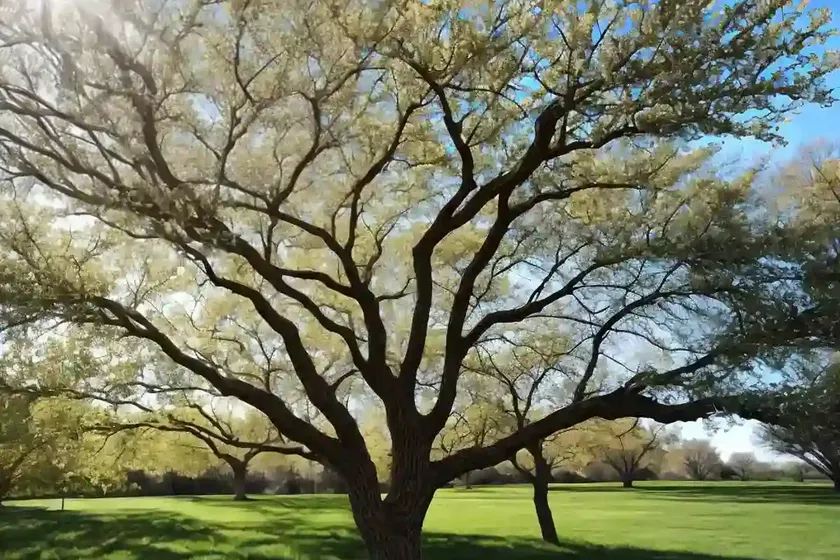
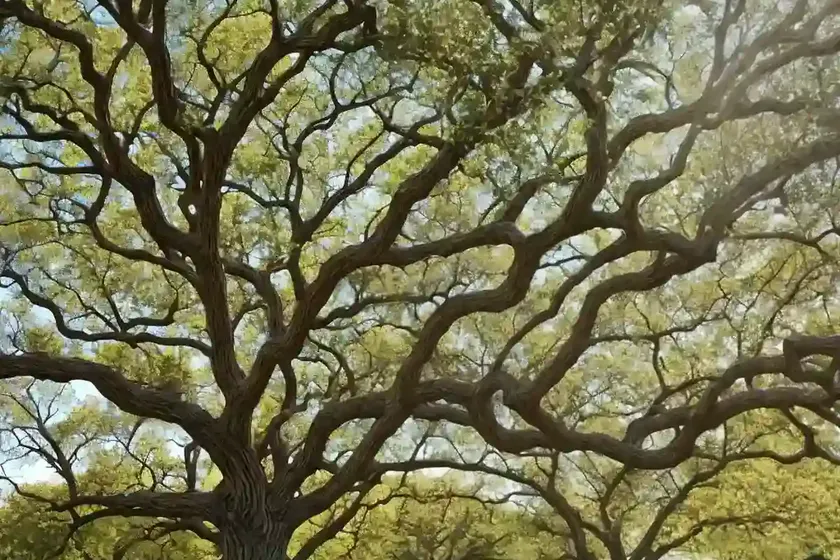
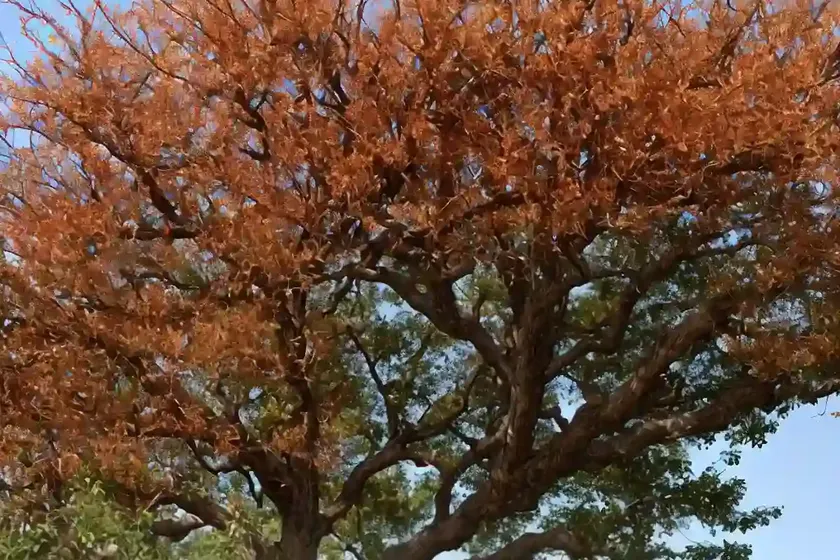
As a plant scientist, I’ve had the opportunity to study and understand the intricate nature of various plant species. In this blog post, I will delve into the captivating world of the Bur Oak (Quercus macrocarpa), a majestic member of the oak tree family. This resilient and iconic tree has a rich cultural history, remarkable characteristics, and vital ecological significance. Let’s explore the culture, uses, care, and fascinating aspects of the Bur Oak, delving into everything from its propagation to its symbolic significance in different cultures.
What is Bur Oak (Quercus macrocarpa)?
The Bur Oak, scientifically known as Quercus macrocarpa, is a large, deciduous oak tree native to North America. It is commonly referred to as the “Bur oak,” “large acorn oak,” and “mossycup oak,” owing to its distinctive fringed acorns. Belonging to the Fagaceae family, this species is renowned for its resilience, deep-rooted nature, and immense ecological value. Its species name “macrocarpa” is derived from the Latin words “macro,” meaning large, and “carpa,” referring to the fruit, alluding to the tree’s characteristic large acorns.
Key Takeaways – Bur Oak (Quercus macrocarpa)
Before we delve into the intricacies of cultivating and caring for Bur Oak trees, it’s important to understand the key takeaways associated with this magnificent species. Here are some essential points to consider about the Bur Oak:
- Scientific Name: Quercus macrocarpa
- Other Names: Bur Oak tree, Large acorn oak, Mossycup oak
- Native Habitat: North America
- Type: Deciduous tree
- Noteworthy Features: Large acorns, resilient nature, deep-rooted, immense ecological significance
- Cultural Significance: Symbolism in various cultures, folklore, and mythology
Culture
The cultural significance of the Bur Oak spans across various domains, from folklore and mythology to its representation in different cultures. Let’s explore the symbolic and cultural aspects associated with this majestic oak tree.
Symbolism in Different Cultures
The Bur Oak holds significant symbolism in different cultures, often representing strength, longevity, and resilience. In several Native American cultures, oak trees are revered and considered sacred, symbolizing endurance and the interconnectedness of all living beings. The oak’s strong and sturdy nature has made it a symbol of stability and endurance in numerous traditions.
In European folklore, oak trees were often associated with gods and deities, signifying wisdom, longevity, and protection. The mighty oak has been revered in various mythological tales, underscoring its importance as a symbol of power and steadfastness.
Uses
The Bur Oak, with its durable wood, vast canopy, and large acorns, serves a multitude of purposes, ranging from ecological to cultural and practical applications. Let’s explore the diverse uses of the Bur Oak, highlighting its ecological significance and practical applications.
Ecological Significance
As a long-living and wildlife-friendly tree, the Bur Oak plays a crucial role in providing habitat and sustenance for various species. Its large, spreading canopy offers shade and a suitable environment for diverse flora and fauna. The acorns produced by Bur Oaks serve as a vital food source for wildlife, including deer, squirrels, and birds, contributing to the intricate web of ecological interactions in natural habitats.
The deep roots of the Bur Oak enhance soil stability, prevent erosion, and contribute to the overall health of the ecosystem. Moreover, the tree’s resilience and adaptability make it a valuable species for ecological restoration and conservation efforts.
Practical Applications
The durable wood of the Bur Oak has been traditionally valued for its strength and resilience. Historically, the wood was utilized in the construction of structures, furniture, and implements due to its durability and impressive properties. While modern usage may have evolved, the intrinsic value of Bur Oak wood remains prominent in various applications.
The large acorns, with their distinctive fringed caps, have historically been used in crafts and as a food source by Native American communities. Furthermore, the burr oak’s adaptability and resilience make it a desirable choice for landscaping and urban forestry, where it provides shade, aesthetic appeal, and ecological benefits.
Water
Proper watering is essential to ensure the healthy growth and development of Bur Oak trees. While these trees are renowned for their resilience and drought tolerance, adequate moisture is crucial, especially during the establishment phase and periods of prolonged drought.
Watering Guidelines
-
Young Trees: Newly planted or young Bur Oak trees require regular watering to aid in root establishment. They should be watered deeply at least once a week, especially during dry spells, to maintain adequate soil moisture.
-
Mature Trees: Established Bur Oak trees typically exhibit good drought tolerance. However, during prolonged dry periods, it is advisable to provide supplemental watering, particularly if the tree shows signs of stress, such as wilting or leaf scorch.
-
Soil Moisture: It is important to ensure that the soil around the tree is well-draining to prevent waterlogging, which can adversely impact root health. Mulching can help retain soil moisture and regulate temperature, benefiting the overall water management of Bur Oak trees.
Sunlight
Proper sunlight exposure is crucial for the optimal growth and development of Bur Oak trees. These majestic trees thrive in full sun to partial shade, exhibiting remarkable adaptability to diverse light conditions.
Sunlight Requirements
-
Full Sun: Bur Oak trees flourish in locations with ample sunlight, displaying robust growth and the development of a strong, well-structured canopy. When planted in open, sunny sites, they are more likely to produce an abundance of acorns and exhibit their characteristic majestic stature.
-
Partial Shade: While Bur Oaks prefer full sun, they can also tolerate partial shade, making them versatile in various landscape settings. However, to maximize their growth potential and acorn production, providing ample sunlight is recommended.
-
Light Conditions: When selecting a planting site for Bur Oak trees, it is important to consider the light conditions and ensure that they receive adequate sunlight to support their physiological processes and overall vitality.
Fertilizer
Appropriate fertilization can contribute to the overall health and vigor of Bur Oak trees, particularly in nutrient-deficient soils or urban environments where soil quality may be compromised. While these trees are generally adaptable and can thrive in diverse soil conditions, targeted fertilization can provide additional support, especially during the early stages of growth.
Fertilization Recommendations
-
Soil Testing: Before applying any fertilizers, it is advisable to conduct a soil test to assess the nutrient levels and pH of the soil. This information can guide the selection and application of suitable fertilizers tailored to the specific needs of the Bur Oak trees.
-
Balanced Fertilizers: Selecting a balanced, slow-release fertilizer can ensure a steady supply of essential nutrients to support the growth and development of Bur Oak trees. Applying fertilizers in early spring can promote healthy foliage and robust root development.
-
Organic Amendments: Incorporating organic amendments, such as compost or well-rotted manure, can improve soil structure and fertility, enhancing the long-term health and vitality of Bur Oak trees.
Soil
The soil composition and quality play a critical role in the overall health and growth of Bur Oak trees. These trees exhibit adaptability to diverse soil types but thrive in well-draining, fertile soils conducive to robust root development and nutrient uptake.
Ideal Soil Conditions
-
Well-Draining Soil: Bur Oak trees prefer well-draining soil to prevent waterlogging and ensure adequate aeration of the root system. Avoiding compacted or poorly-drained soils is crucial to prevent root suffocation and water-related stress.
-
Fertile Soil: While Bur Oak trees can tolerate a range of soil types, including sandy and loamy soils, a fertile, nutrient-rich soil can promote healthy growth and support the tree’s nutritional requirements.
-
Soil pH: The ideal soil pH for Bur Oak trees ranges from slightly acidic to neutral. Conducting a soil test can provide valuable insights into the pH levels and nutrient content, facilitating targeted soil management strategies.
Pruning
Pruning is an essential aspect of Bur Oak tree care, contributing to structural integrity, canopy management, and overall tree health. Proper pruning practices can enhance the tree’s aesthetic appeal, mitigate potential hazards, and promote longevity.
Pruning Guidelines
-
Timing: Pruning young Bur Oak trees is best done during the dormant season to minimize stress and optimize wound healing. When pruning mature trees, it is advisable to prioritize the removal of dead, diseased, or damaged branches throughout the year.
-
Structural Pruning: Early structural pruning can help establish a well-balanced framework for the tree, promoting strong branch attachments and minimizing the risk of future breakage.
-
Canopy Maintenance: Regular maintenance pruning, such as the removal of crossing or overcrowded branches, can improve air circulation and light penetration within the canopy, contributing to the overall health and vigor of the tree.
Propagation
The propagation of Bur Oak trees can be achieved through various methods, including seed propagation and vegetative propagation. Understanding the techniques and considerations associated with propagation is crucial for successful reproduction and the preservation of desirable traits in the offspring.
Seed Propagation
Seed propagation is a common method for establishing new Bur Oak trees, incorporating the natural reproductive cycle of the species. Here are some key considerations for seed propagation:
-
Seed Collection: Harvesting mature acorns from healthy, vigorous trees is essential for successful seed propagation. Selecting acorns with intact caps and storing them in a cool, dry place can preserve their viability.
-
Seed Treatment: Some species of oak trees, including the Bur Oak, benefit from stratification, a process of cold treatment that mimics the natural dormancy-breaking conditions. Stratifying the acorns before sowing can improve germination rates.
-
Sowing and Germination: Planting the stratified acorns in well-draining soil at the appropriate depth can facilitate germination. Providing consistent moisture and suitable growing conditions can support the establishment of seedlings.
Vegetative Propagation
In addition to seed propagation, vegetative propagation methods, such as grafting or rooting stem cuttings, can be employed to propagate Bur Oak trees, preserving specific genetic characteristics and traits.
-
Grafting: Grafting desirable Bur Oak cultivars onto compatible rootstocks can propagate trees with known characteristics, such as disease resistance or specific growth habits.
-
Stem Cuttings: Rooting stem cuttings from selected Bur Oak trees can generate genetically identical offspring, maintaining the desired traits of the parent plant. Proper care and hormone treatment can enhance the success of rooting cuttings.
Container Popularity
The resilience, adaptability, and aesthetic appeal of Bur Oak trees make them an attractive option for container cultivation, suitable for various urban and landscape settings.
Urban Environments
In urban environments, where space may be limited, cultivating Bur Oak trees in containers offers a practical and visually appealing solution. The deep-rooted nature of these trees can be accommodated in large containers, allowing them to thrive in urban parks, gardens, and commercial landscapes.
-
Container Selection: Choosing spacious, well-draining containers with adequate room for root development is crucial for the long-term health and prosperity of Bur Oak trees in urban environments.
-
Soil Management: Using high-quality, well-aerated potting mixes and incorporating organic amendments can ensure optimal soil conditions for container-grown Bur Oak trees, supporting vigorous growth and nutrient uptake.
-
Watering and Maintenance: Regular watering, suitable fertilization, and periodic root management are essential for the successful cultivation of Bur Oak trees in containers, promoting their resilience and long-term vitality.
Common Diseases
While Bur Oak trees are renowned for their resilience, they can be susceptible to certain diseases, requiring vigilant monitoring and appropriate management practices to uphold their health and vigor.
Oak Wilt
Oak wilt, caused by the fungal pathogen Bretziella fagacearum (formerly known as Ceratocystis fagacearum), poses a significant threat to Bur Oak trees and other oak species. This vascular disease can lead to wilting, defoliation, and dieback of branches, ultimately resulting in the decline and mortality of infected trees.
-
Symptoms: Leaf discoloration, wilting, and browning of foliage, often starting at the tree’s crown and progressing downward, are indicative of oak wilt. Vascular staining and fungal mats may also be observed on affected trees.
-
Management: Implementing preventive measures, such as avoiding pruning during active transmission periods, and promoting tree health through proper cultural practices can help mitigate the risk of oak wilt. Fungicidal injections and tree removal may be necessary in severe cases.
Bacterial Leaf Scorch
Bacterial leaf scorch, caused by the bacterium Xylella fastidiosa, can affect various oak species, including Bur Oaks, leading to the decline of tree health and vitality.
-
Symptoms: Leaf scorching, marginal browning of foliage, and premature leaf drop are characteristic symptoms of bacterial leaf scorch. These symptoms often manifest progressively, impacting the overall appearance of the tree’s canopy.
-
Management: While there are no curative treatments for bacterial leaf scorch, maintaining tree vigor through appropriate watering, fertilization, and pruning, and minimizing stress factors, can help mitigate the impact of the disease.
Disease Diagnosis
Diagnosing diseases afflicting Bur Oak trees requires a comprehensive understanding of symptoms, causal agents, and environmental factors. Accurate disease diagnosis is pivotal in implementing effective management strategies to safeguard tree health.
Diagnostic Steps
-
Symptom Identification: Recognizing and documenting specific symptoms, including leaf discoloration, wilting, cankers, or fungal growth, aids in narrowing down potential disease issues affecting the trees.
-
Laboratory Analysis: In cases where the causal agent of a disease is unclear, obtaining laboratory analysis of plant samples, such as leaf tissues or roots, can provide insights into the presence of pathogens or disease indicators.
-
Environmental Assessment: Evaluating environmental factors, including soil moisture, pH levels, drainage, and light exposure, can reveal underlying stressors contributing to tree susceptibility to diseases.
Common Pests
While Bur Oak trees are generally resistant to many pests, they can be vulnerable to certain insect pests, necessitating proactive pest management strategies to preserve tree health.
Gypsy Moth
The gypsy moth (Lymantria dispar) is an invasive pest that can defoliate Bur Oak trees and other oak species, potentially leading to stress and decreased vitality.
-
Damage: Caterpillars of the gypsy moth can consume foliage, compromising the tree’s ability to photosynthesize and store energy, leading to weakened health and potential mortality.
-
Control Methods: Implementing biological control agents, such as natural predators or pathogens specific to gypsy moth caterpillars, and utilizing targeted insecticide applications can help manage gypsy moth populations and minimize damage to Bur Oak trees.
Oak Leafminers
Oak leafminers are small, invasive insects that can cause aesthetic damage to Bur Oak trees by creating mining patterns within the leaves, impacting their visual appeal.
-
Symptoms: Identification of serpentine or blotch-style mining patterns on the foliage of Bur Oak trees is indicative of oak leafminer activity. While the damage is primarily aesthetic, severe infestations can impact tree vigor.
-
Management: Encouraging natural predators, such as parasitic wasps, and implementing cultural control measures, such as maintaining tree vigor through proper care, can help reduce the impact of oak leafminers.
Botanist’s Tips
As a plant scientist with a passion for the preservation and propagation of diverse plant species, I highly recommend incorporating the following tips and practices when cultivating and caring for Bur Oak trees:
-
Soil Health: Prioritize soil health by incorporating organic matter, promoting aeration, and avoiding compaction to support robust root development and nutrient uptake.
-
Water Management: Implement a balanced approach to watering, providing adequate moisture without waterlogging the soil, particularly during the establishment phase and dry periods.
-
Seasonal Care: Schedule pruning and maintenance activities during the dormant season to minimize stress and promote efficient wound healing in Bur Oak trees.
-
Integrated Pest Management: Embrace integrated pest management strategies, combining cultural, biological, and targeted chemical control methods to mitigate pest pressures while minimizing environmental impact.
-
Tree Health Monitoring: Regularly inspect Bur Oak trees for disease symptoms, pest activity, and environmental stressors, intervening promptly to preserve tree health and vitality.
Fun Facts
To unravel the captivating nature of the Bur Oak and showcase its distinctive appeal, here are some fascinating fun facts about this iconic tree:
-
Majestic Stature: Bur Oak trees can attain impressive sizes, often reaching heights of 70 to 80 feet, with expansive canopies that provide ample shade and habitat for various wildlife species.
-
Longevity: These long-living trees can survive for several centuries, bearing witness to dynamic ecological changes and serving as enduring symbols of strength and resilience.
-
Acorn Abundance: Bur Oak trees produce large, fringed acorns that are a valuable food source for wildlife and have been historically utilized for culinary and craft purposes by indigenous communities.
-
Historical Significance: Throughout history, Bur Oak trees have been intertwined with cultural narratives, folklore, and traditions, symbolizing endurance, longevity, and the interconnectedness of the natural world.
Links to External Resources
To further expand your knowledge and appreciation of the Bur Oak (Quercus macrocarpa), I recommend exploring the following external resources:
- USDA Plants Database: Quercus macrocarpa
- The Morton Arboretum: Bur Oak
- University of Minnesota Extension: Bur Oak
- Missouri Botanical Garden: Quercus macrocarpa
- Lady Bird Johnson Wildflower Center: Quercus macrocarpa
By delving into these reputable sources, you can gain valuable insights into the botanical, ecological, and cultural dimensions of the Bur Oak, deepening your understanding and appreciation of this remarkable tree.
In conclusion, the Bur Oak (Quercus macrocarpa) stands as a resilient, iconic tree with immense ecological significance and cultural appeal. By embracing the essential aspects of its culture, uses, care, and fascinating characteristics, we can cultivate a deeper appreciation for this majestic species and further its conservation and sustainable utilization.
Remember, exploring the world of plants offers an endless journey of discovery, connecting us to the rich tapestry of nature and the captivating stories of each living organism. Let’s continue to nurture our curiosity and reverence for the botanical wonders that enrich our lives and our planet.
References:
- Loconte, H., & Barrie, F. R. (1988). Revision of the Genus Quercus (Fagaceae) in Mexico and Central America. Madroño, 35(2), 98-115.
- Watts, R. (2015). Tree: A Life Story. Yale University Press.
- Gilman, E. F., Watson, D. G., & Varnado, B. M. (1994). Quercus